绿地集团深度参与第六届消博会,分享自贸港机遇与全球品牌孵化经验
Greenland Group Deeply Engages in the6th CICPE,Sharing Hainan Free Trade Port Opportunities and Global Brand Incubation Experience
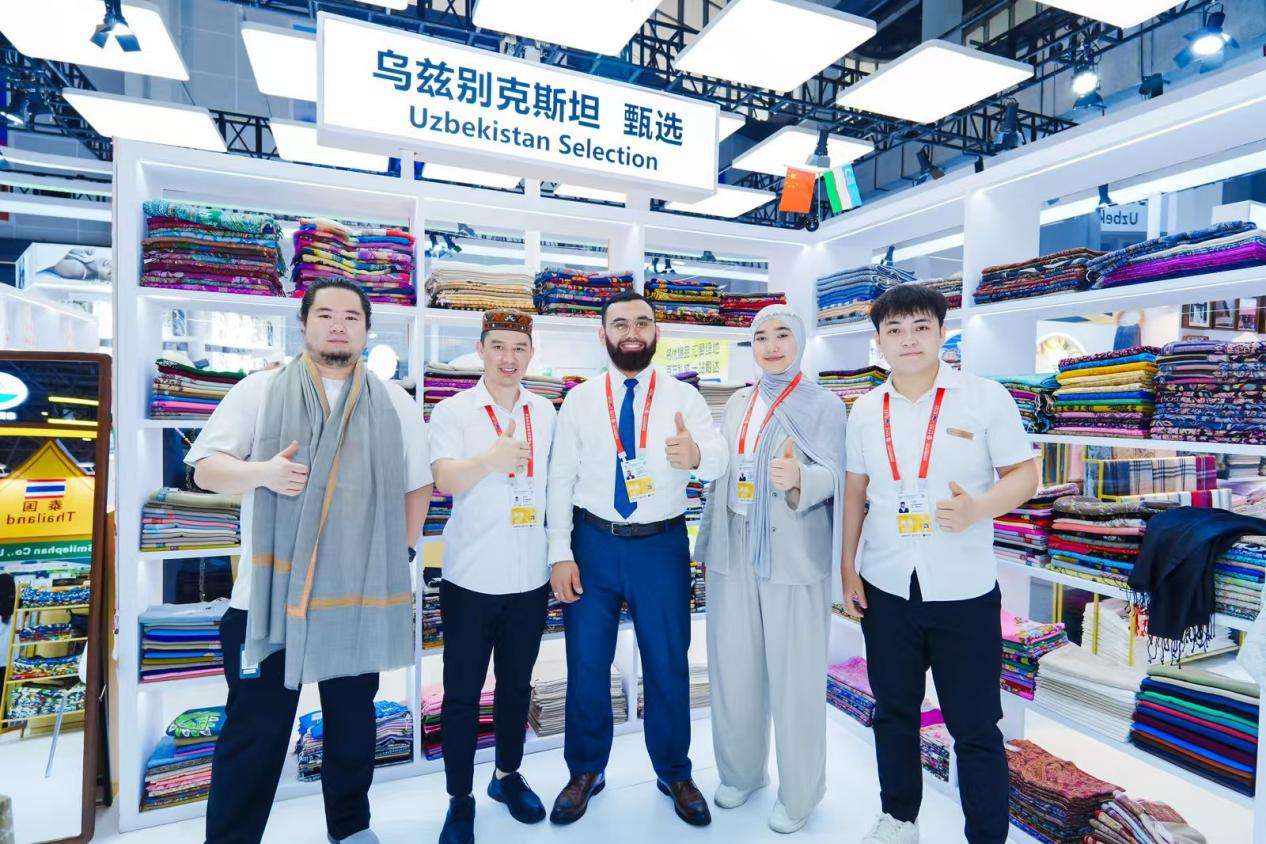
作为连续六届深度参与中国国际消费者博览会的核心组展商,绿地集团在本届消博会上分享了其对海南自贸港封关运作后的战略洞察,以及其在全球资源配置、品牌孵化与可持续发展方面的实践与规划。
一、封关运作开启新阶段,绿地把握三大战略机遇
本届消博会是海南自贸港全岛封关运作后的首届盛会,标志着海南从“政策试点”迈向“全面开放”的新阶段。“零关税、低税率、简税制”等制度红利,正加速转化为全球商品进入中国市场的成本与效率优势。
对绿地集团而言,这一战略窗口带来了三大核心机遇:一是贸易便利化机遇。封关后跨境物流与资金结算更加高效,绿地可依托海南打造面向东南亚的消费品集散中心。二是加工增值机遇。利用“加工增值30%免关税”政策,推动海外原材料在海南进行深加工后再销往内地,有效提升产品附加值。三是多产业协同机遇。绿地在大宗商品、汽车贸易、消费零售等领域的既有布局,可与自贸港政策深度结合,形成“贸易+加工+服务”的全链条能力。
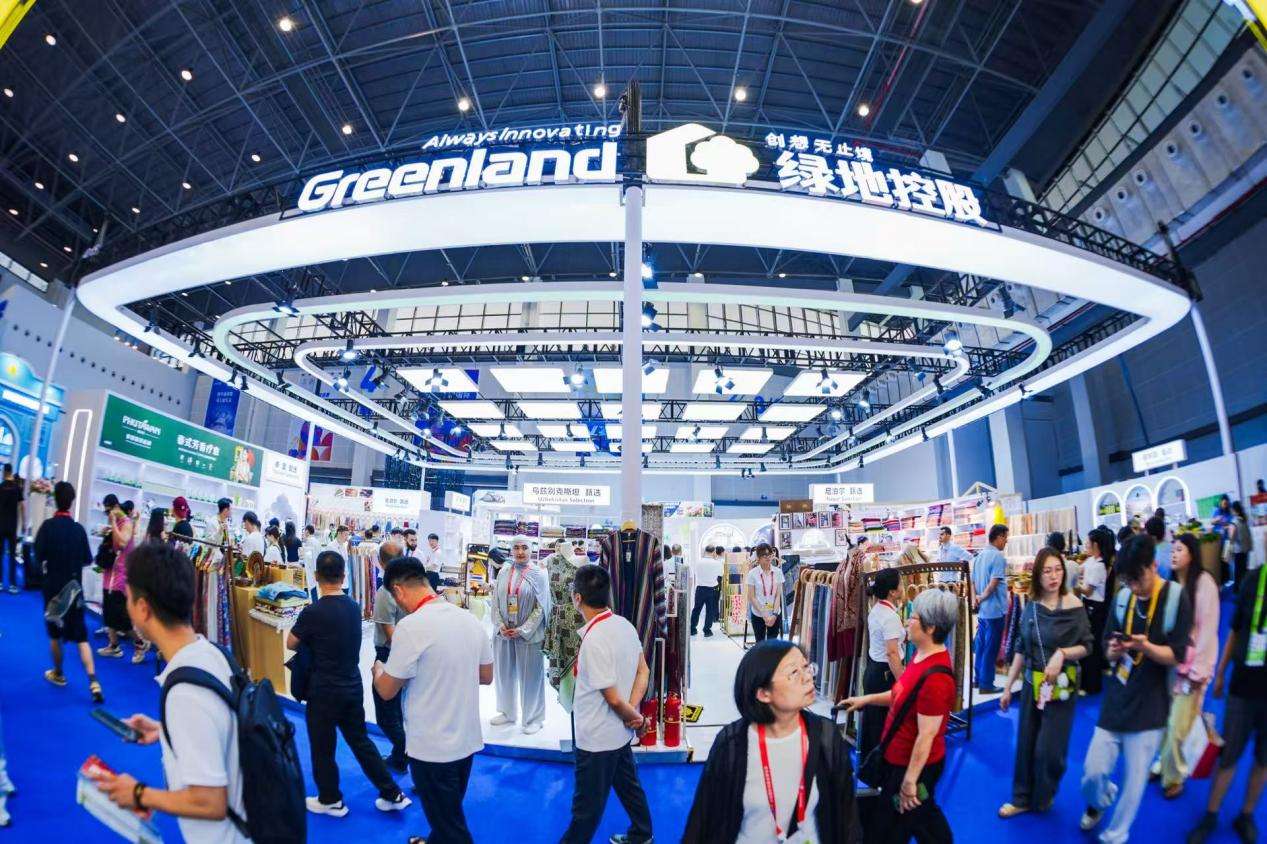
二、平等展示多元文化,赋能传统友好国家品牌
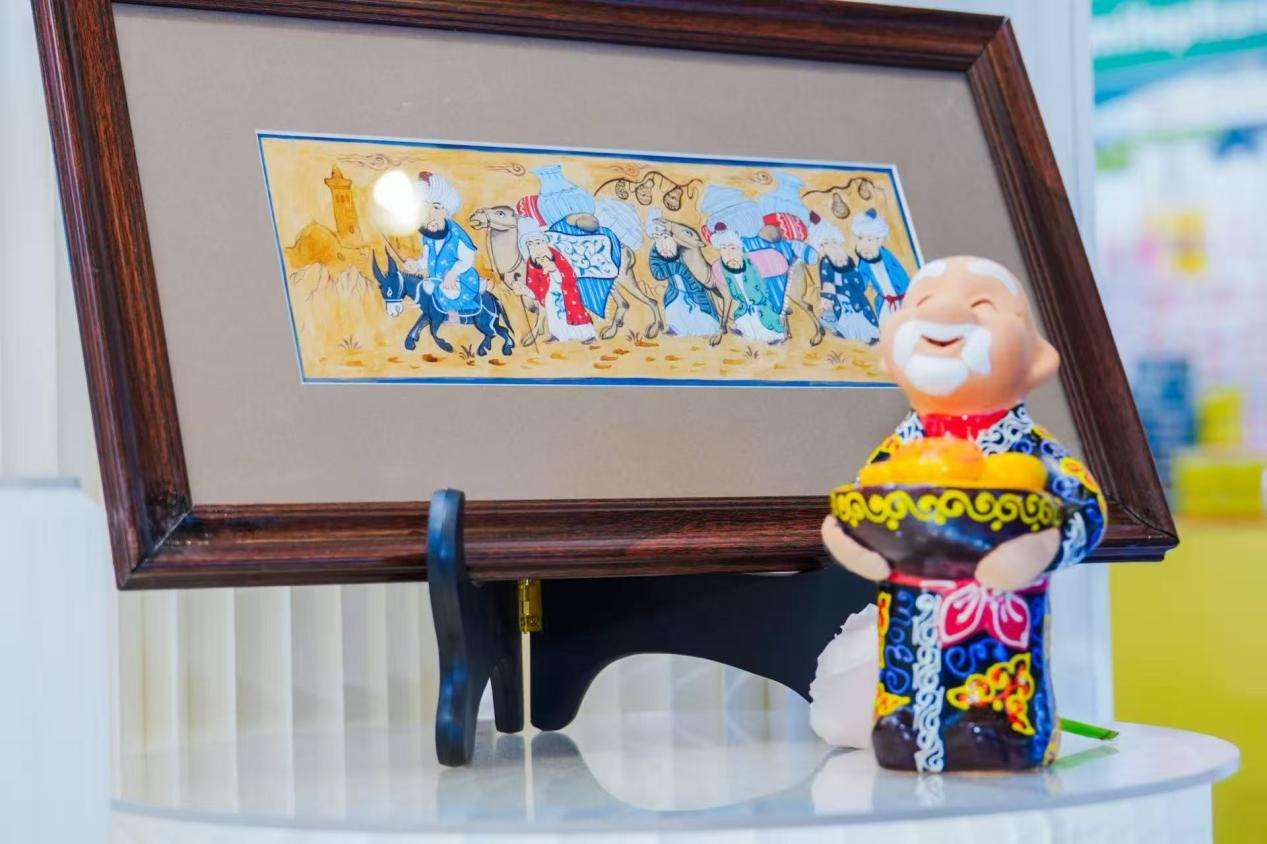
绿地全球馆始终坚持“多元平等、文化互鉴”的原则,为各国品牌提供公平的展示平台。策展团队根据商品特色与市场需求进行差异化呈现,例如英国的百年陶瓷、尼泊尔的羊绒与颂钵、乌兹别克斯坦的细密画、叙利亚的玫瑰制品、阿曼的乳香等,力求各美其美,美美与共。
对于叙利亚、伊朗等与中国有着传统友好关系的国家,绿地集团提供了更具针对性的支持体系,包括:前置准入服务,协助品牌完成进口备案、标签合规等工作,缩短上市周期;全链路物流保障,针对供应链不稳定地区,利用全球网络提供中转空运、转口贸易等替代方案,确保展品如期抵达;落地孵化支持,为客商提供公司注册、银行开户、办公选址等一站式服务,助力其从“展商”转变为“投资商”。这些举措并非特殊照顾,而是绿地作为平台方对中小品牌及新兴市场品牌的一贯赋能逻辑。
三、六年成果量化,阶梯式孵化破解市场痛点
六年来,绿地集团累计组织40余个国家和地区的800个海外品牌、近8300款商品亮相消博会。其中,多个品牌通过这一平台实现了规模化落地:
叙利亚大马士革玫瑰系列:自首届消博会亮相后,产品已进入国内20余个城市的高端商场与线上渠道,年销售额突破2000万元。
尼泊尔羊绒围巾:通过消博会对接,品牌与国内多家买手店、直播机构建立合作,2025年对华出口额同比增长150%。
这些品牌进入中国市场时,普遍面临品牌认知度低、进口合规门槛高、渠道对接难、物流成本高等挑战。绿地通过“展品—商品—爆品”的阶梯式孵化模式,系统性地破解了这些痛点。
四、创新“平台+合伙人”模式,验证商业闭环
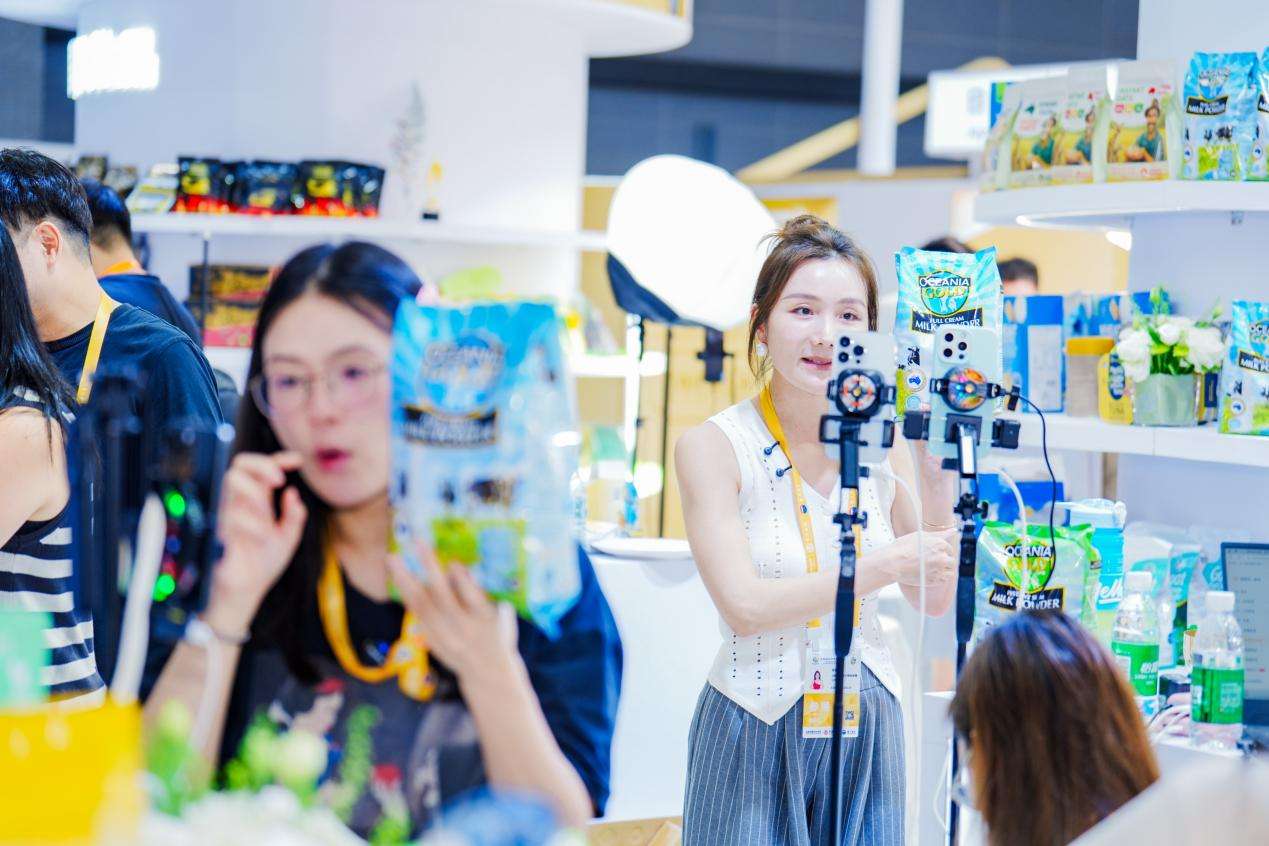
“展在消博、落在绿地、卖在全国”的商业模式,其核心在于“平台+合伙人”机制。绿地全球馆作为平台方,负责品牌引入、合规准入、仓储物流、资金结算等基础设施;直播电商、私域分销、跨境供应链等合伙人则发挥各自专业优势——头部主播负责内容种草与流量转化,私域团队负责社群运营与复购,供应链企业负责海外仓直发与保税备货。本届消博会,绿地麒麟甄选团队邀约了400位主播,目标GMV达3000-4000万元,正是对这一模式高效性的有力验证。
五、连接北欧市场,规划引入特色商品
绿地集团高度重视北欧国家在可持续发展、设计美学、高品质食品等领域的独特优势。目前参展国中尚未包含北欧国家,主要源于疫情后国际供应链恢复节奏的差异,以及北欧品牌对中国市场的开拓尚处于早期阶段。
绿地已有明确计划引入北欧特色商品,具体包括:瑞典的环保家居与可降解材料、丹麦的设计家居品牌,以及挪威的三文鱼、北极鳕鱼等优质海产品。集团计划在2026年进博会及2027年第七届消博会设立“北欧主题日”或“北欧生活馆”,欢迎瑞典、丹麦、挪威、芬兰、冰岛等国品牌通过绿地平台进入中国市场。
六、深化自贸港政策利用,产业协同构建生态闭环
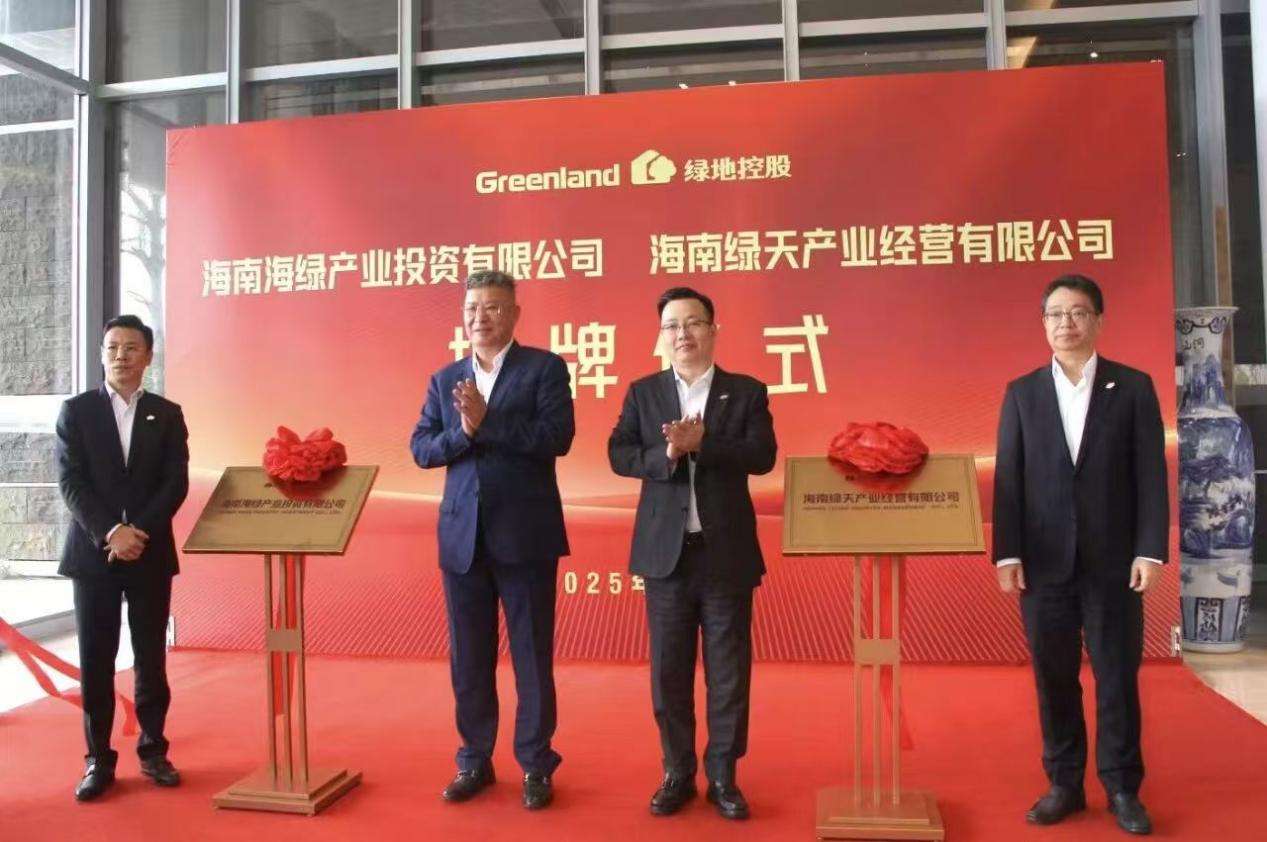
通过旗下海南海绿产业投资有限公司与海南绿天产业经营有限公司,绿地正深度利用自贸港政策优势:海南海绿聚焦产业投资与资源整合,利用“企业所得税15%”等优惠政策,吸引海外品牌在海南设立区域总部或合资公司。海南绿天聚焦大宗商品贸易,利用“零关税”政策开展亚麻籽、硫磺、精铜等品类进口,并探索建材、冻品、热带水果等多元产品体系。
同时,在汽车贸易领域,利用自贸港“平行进口汽车试点”政策,贯通国内整车出口、二手车出口及平行进口业务通道。这些B端产业布局与消博会的C端消费主题形成联动,共同构成绿地“贸易+消费+服务”的闭环生态。
七、践行ESG理念,引领可持续消费
在品牌筛选与组织参展时,绿地已将环保属性、社会责任与可持续发展作为重要维度。具体体现在:优先引入如尼泊尔纯手工颂钵、羊绒围巾(传统工艺、低碳生产),叙利亚大马士革玫瑰制品(有机种植、公平贸易)等可持续产品;倡导绿色展陈,采用可回收材料搭建展馆;在直播环节推广绿色消费理念,引导消费者关注产品环保认证。
未来,绿地集团将推出“绿享未来”可持续消费计划,包括设立“绿色品牌专区”、为海外品牌提供碳足迹核算服务,并在海南探索“零碳展馆”试点。绿地相信,消费升级与可持续发展互为支撑,愿与全球品牌,包括北欧的可持续先锋企业,共同开拓中国绿色消费大市场。
As a core organizer that has participated extensively in all six editions of the China International Consumer Products Expo(CICPE),Greenland Group shared its strategic insights at this year’s event following the customs closure operation of the Hainan Free Trade Port,as well as its practices and future plans in global resource allocation,brand incubation,and sustainable development.
1.A New Phase with Customs Closure:Greenland Seizes Three Strategic Opportunities
This year’s CICPE marks the first major international event after the island-wide customs closure of the Hainan Free Trade Port,signaling a transition from a“policy pilot”phase to one of“comprehensive openness.”Institutional advantages such as“zero tariffs,low tax rates,and a simplified tax system”are rapidly being transformed into cost and efficiency benefits for global goods entering the Chinese market.
For Greenland Group,this strategic window presents three core opportunities:
First,trade facilitation.After the customs closure,cross-border logistics and financial settlements have become more efficient,enabling Greenland to build a consumer goods distribution hub targeting Southeast Asia from Hainan.
Second,value-added processing.By leveraging the“30%value-added tariff exemption”policy,Greenland can promote the deep processing of imported raw materials in Hainan before distributing them to mainland China,thereby increasing product value.
Third,multi-industry synergy.Greenland’s existing presence in bulk commodities,automotive trade,and consumer retail can be deeply integrated with Free Trade Port policies,forming a full-chain capability of“trade+processing+services.”
2.Promoting Cultural Diversity and Empowering Brands from Friendly Nations
The Greenland Global Pavilion consistently upholds the principle of“diversity,equality,and cultural exchange,”providing a fair platform for brands from around the world.
Exhibits are curated based on product characteristics and market demand,including British heritage ceramics,Nepalese cashmere and singing bowls,Uzbek miniature paintings,Syrian rose products,and Omani frankincense—demonstrating a vision of“beauty in diversity and harmony in coexistence.”
For countries with longstanding friendly relations with China,such as Syria and Iran,Greenland offers targeted support systems.These include pre-market entry services(such as import registration and labeling compliance),full-chain logistics solutions(including transit air freight and re-export trade options for regions with unstable supply chains),and local incubation support(including company registration,bank account setup,and office space selection).These measures are not preferential treatment but reflect Greenland’s consistent platform-based approach to empowering SMEs and emerging-market brands.
3.Six Years of Measurable Results:A Stepwise Incubation Model
Over the past six years,Greenland Group has organized more than800overseas brands from over40countries and regions,showcasing nearly8,300products at the CICPE.Several brands have successfully achieved scaled entry into the Chinese market:
Syrian Damascus rose products have entered high-end shopping malls and online channels in over20Chinese cities,with annual sales exceeding RMB20million.
Nepalese cashmere scarves have established partnerships with Chinese boutique retailers and livestreaming agencies,achieving a150%year-on-year increase in exports to China in2025.
When entering the Chinese market,these brands commonly face challenges such as low brand recognition,high compliance barriers,difficulty in channel access,and high logistics costs.Greenland’s stepwise incubation model—transforming“exhibits into products,and products into bestsellers”—systematically addresses these pain points.
4.The“Platform+Partners”Model:A Verified Commercial Closed Loop
The business model of“Exhibit at CICPE,land with Greenland,and sell nationwide”is built on a“platform+partners”mechanism.
As the platform operator,the Greenland Global Pavilion is responsible for brand introduction,compliance,warehousing,logistics,and financial settlement.Meanwhile,partners specializing in livestream e-commerce,private-domain distribution,and cross-border supply chains contribute their expertise—top influencers drive consumer engagement and conversion,private-domain teams manage communities and repeat purchases,and supply chain enterprises handle overseas warehousing and bonded inventory.
At this year’s CICPE,Greenland’s Qilin Selection team invited400livestream hosts,targeting a GMV of RMB30–40million,which strongly validates the efficiency of this model.
5.Connecting with the Nordic Market:Introducing Premium Products
Greenland places strong emphasis on the Nordic region’s advantages in sustainability,design aesthetics,and high-quality food products.
Currently,Nordic countries are not yet represented among participating exhibitors,mainly due to the uneven recovery of global supply chains after the pandemic and the early-stage development of Nordic brands in the Chinese market.
Greenland has clear plans to introduce Nordic specialty products,including Swedish eco-friendly home products and biodegradable materials,Danish design brands,and Norwegian seafood such as salmon and Arctic cod.
The group plans to establish a“Nordic Theme Day”or“Nordic Lifestyle Pavilion”at the China International Import Expo in2026and the7th CICPE in2027,welcoming brands from Sweden,Denmark,Norway,Finland,and Iceland to enter the Chinese market through Greenland’s platform.
6.Leveraging Policies to Build an Industrial Ecosystem
Through its subsidiaries Hainan Hailv Industrial Investment Co.,Ltd.and Hainan Lvtian Industrial Operation Co.,Ltd.,Greenland is making full use of Free Trade Port policy advantages.
Hainan Hailv focuses on industrial investment and resource integration,utilizing preferential policies such as a15%corporate income tax rate to attract overseas brands to establish regional headquarters or joint ventures in Hainan.
Hainan Lvtian focuses on bulk commodity trade,leveraging zero-tariff policies to import products such as flaxseed,sulfur,and refined copper,while also expanding into building materials,frozen goods,and tropical fruits.
In the automotive sector,Greenland utilizes the Free Trade Port’s parallel import vehicle pilot policy to integrate domestic vehicle exports,used car exports,and parallel imports.
These B2B industrial arrangements complement the consumer-focused nature of CICPE,forming a closed-loop ecosystem of“trade+consumption+services.”
7.ESG Commitment:Leading Sustainable Consumption
Greenland has incorporated environmental attributes,social responsibility,and sustainability into its criteria for brand selection and exhibition organization.
This is reflected in the prioritization of sustainable products such as Nepalese handmade singing bowls and cashmere scarves(traditional craftsmanship with low-carbon production),as well as Syrian Damascus rose products(organic cultivation and fair trade).Greenland also promotes green exhibition practices by using recyclable materials and advocates sustainable consumption through livestream campaigns.
Looking ahead,Greenland will launch the“Green Future”sustainable consumption initiative,including the establishment of dedicated green brand zones,carbon footprint accounting services for overseas brands,and pilot“zero-carbon exhibition halls”in Hainan.
Greenland believes that consumption upgrading and sustainable development are mutually reinforcing,and it is committed to working with global brands—especially Nordic sustainability leaders—to jointly develop China’s green consumption market.
