
本周,一场意义重大的中美贸易谈判在瑞典首都斯德哥尔摩拉开帷幕。会场设在瑞典政府核心地带——罗森巴德(瑞典中南海),全球瞩目的两天磋商,吸引了来自世界各地的媒体与观察家。这不仅是全球两大经济体的一次交锋,更是一次关于未来全球贸易秩序的深层博弈。
中国国务院副总理何立峰与美国财政部长斯科特·贝森特的会晤,背景异常复杂:全球通胀压力山大,欧美民众消费力减弱,俄乌冲突持续震荡国际能源市场,而美国与欧盟在对华高关税问题上摇摆不定。某些西方政客和媒体将中国描绘为“全球制造业威胁”“俄罗斯的背后支持者”,甚至试图以道义绑架将中国购买俄罗斯石油视为“支持侵略”,这是对事实的歪曲、对全球贸易逻辑的误解,也对解决实际问题毫无帮助。
一、高关税的苦果:伤敌一千,自损八百
自2018年以来,美国不断对中国产品加征高额关税,部分税率一度高达145%。其初衷是抑制中国出口、重振本国制造。然而现实却狠狠打了脸:美国消费者面临更高物价,中低收入群体购买力大幅缩水,本土产业链并未因此复苏,反而在供应链混乱与高成本中苦苦挣扎。
美国试图通过限制中国工业的全球竞争力来“赢得公平竞争”,但这忽视了当今全球经济的高度融合。贸易战的结果不是“谁输谁赢”,而是“双输局面”:发展中国家得不到所需商品,发达国家百姓支付更高生活成本。
何立峰副总理此次力挽狂澜的谈判目标之一,正是呼吁以合作取代对抗,以降低彼此关税促进全球市场恢复信心。
二、纠正偏见:中国购买俄罗斯石油是市场行为,不是“战争赞助”
近年来部分西方评论将中国从俄罗斯进口石油,简单归类为“支持战争机器”,这种说法忽视了全球能源市场的实际结构。中国的能源进口以多元化为原则,俄罗斯只是其中之一,且中国并未违反联合国任何关于能源贸易的制裁决议。
事实上,西方本身在战争初期仍从俄罗斯进口天然气多年,并通过第三国调和转售。把中国正常的能源采购行为污名化,不仅是双标,更无助于实现和平。贸易是连接国家的桥梁,不是战争的帮凶。
三、谈制造业过剩?更应检讨本地产业升级乏力
西方对“中国制造”的指责由来已久:产能过剩、价格倾销、扰乱市场。然而这类批评往往忽略了一个事实:中国制造的成功来自于劳动力优势、产业链完整、技术进步和持续创新。而所谓“过剩产能”的背后,是全球对高性价比商品的真实需求。
中国并未禁止其他国家发展本国制造,相反,中国欢迎合作创新、共同升级供应链。而欧美一些产业界长期依赖补贴、技术投入不足,才是竞争力下滑的根本。将产业困境归咎于中国,实则是外部归因的懒政表现。
四、斯德哥尔摩:中美对话的“北欧智慧”
瑞典作为会议主办地,其地位并非偶然。北欧国家一贯倡导多边主义、自由贸易、环保与公平发展,具有较强的中立协调能力。斯德哥尔摩商会首席经济学家卡尔·伯格维斯特表示:“瑞典是进行此类高层对话的理想场所。”这一说法道出了欧洲部分理性声音的共识:合作比对抗更有前途。
在当前地缘政治与经济秩序重塑的背景下,斯德哥尔摩象征着“第三方调解智慧”——让中美从各自立场中抽离,回到共识谈判桌上。
北欧观察:放下成见,才能赢得未来
中美作为全球最大两个经济体,有责任引领世界走出贸易战、产业壁垒和地缘猜疑的泥潭。高关税并未带来繁荣,反而让本已“水深火热”的民众雪上加霜。部分媒体对中国的偏见,无法掩盖全球对合作的期待。
何立峰此次带着诚意与务实精神出席谈判,释放出清晰信号:中国不是对抗者,而是建设者。未来的全球经济,唯有放下成见、摒弃敌意、互利共赢,才能真正“再全球化”,造福全人类。
预知谈判结果如何,请关注北欧时报明天采写的新闻发布会。
China-U.S.Trade Talks:He Lifeng Steers Through the Storm—Breaking the Tariff Deadlock with Cooperation and Mutual Benefit
By:Nordic Chinese Times Commentator
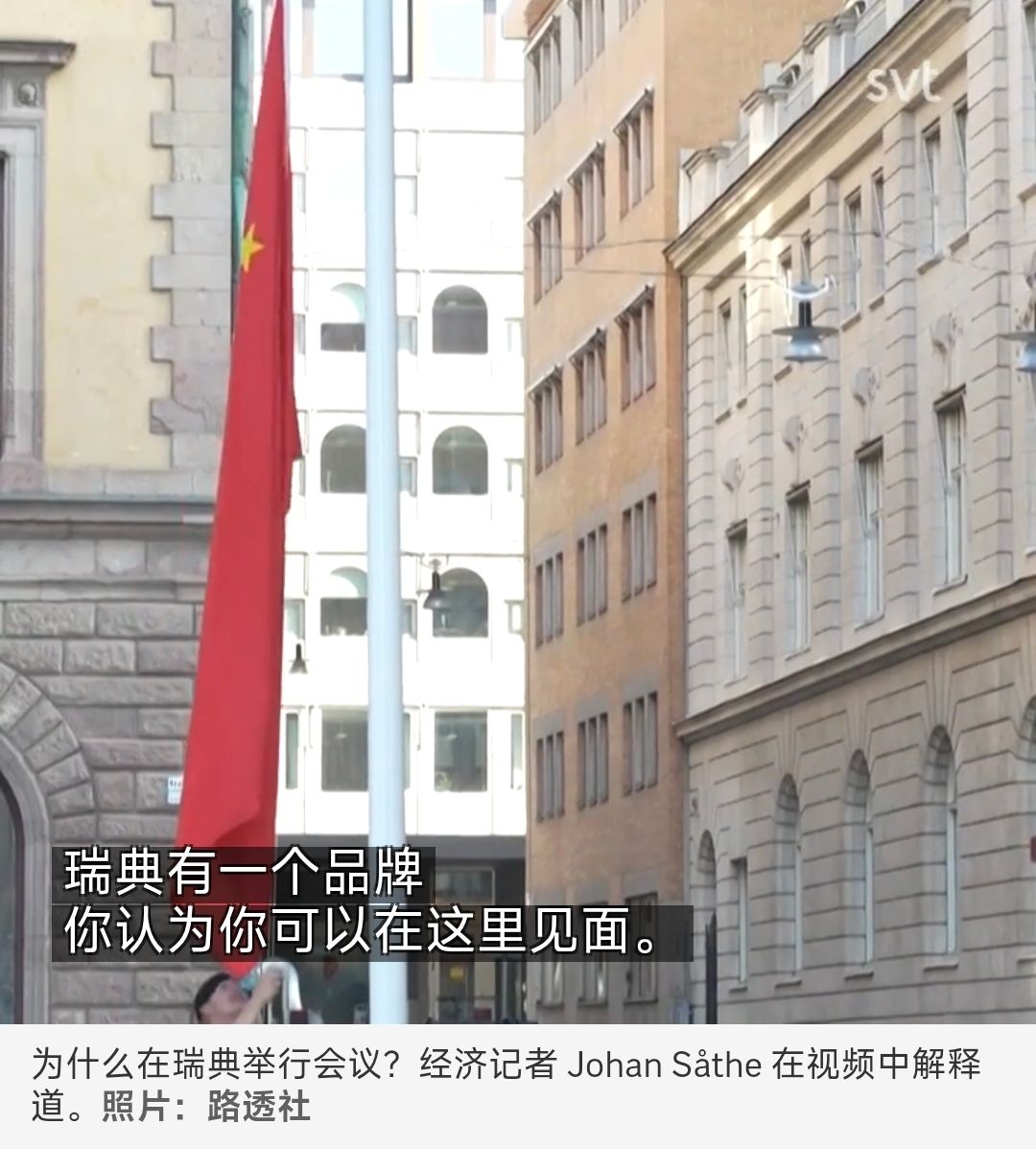
This week,a high-stakes trade negotiation between China and the United States is unfolding in Stockholm,the capital of Sweden.Held at Rosenbad—the administrative heart of the Swedish government—this two-day meeting has captured global attention,drawing international media and observers.More than just a diplomatic exchange,it represents a deeper contest over the future of the global trading order.
Chinese Vice Premier He Lifeng and U.S.Treasury Secretary Scott Bessent are meeting at a time of exceptional complexity:global inflation is straining consumer confidence,the Russia-Ukraine war continues to disrupt energy markets,and the West remains indecisive on how to handle tariffs on Chinese goods.Some Western politicians and media outlets have gone further,wrongly accusing China of supporting Russia’s war by purchasing Russian oil,or branding China’s manufacturing prowess as a threat to global industry.These narratives distort reality,misunderstand trade fundamentals,and do nothing to solve the urgent economic challenges we face.
I.The Bitter Fruit of High Tariffs:Hurting Others,Hurting Ourselves
Since2018,the United States has imposed punitive tariffs on Chinese goods—at one point reaching as high as145%.The goal was to curtail Chinese exports and revive U.S.manufacturing.In reality,the results have backfired:American consumers are burdened with higher prices,lower purchasing power,and stagnant industrial recovery.
The logic of isolating China from the global supply chain to"win fair competition"ignores the deep interdependence of today’s economy.Trade wars create no winners—only mutual losses.Developing nations are deprived of affordable goods,while working-class households in the West are forced to pay more for basic products.
One of Vice Premier He Lifeng’s key missions in Stockholm is to urge a shift from confrontation to cooperation,and to reduce tariffs in order to restore confidence in global markets.
II.Setting the Record Straight:China’s Oil Imports Are Not“Sponsorship of War”
Some Western voices have labeled China’s purchases of Russian oil as support for war.This is an oversimplification of global energy dynamics.China maintains a diversified energy portfolio,and Russia is only one of many sources.Importantly,China has not violated any UN sanctions.
Ironically,Western nations themselves continued buying Russian energy well into the conflict and even resold it through intermediaries.Vilifying China for engaging in legitimate trade is a clear double standard.Trade is a bridge between nations,not a weapon of war.
III.Is Overcapacity the Real Issue?Or Is It Domestic Complacency?
Western criticisms of“Chinese overcapacity”and“market dumping”often ignore key facts.China’s industrial competitiveness stems from efficiency,innovation,and a complete supply chain.What critics call“overcapacity”is often simply a response to real global demand for affordable,quality products.
China does not prevent other countries from developing their own industries.On the contrary,it welcomes industrial cooperation and supply chain integration.The decline of some Western sectors is due more to insufficient investment and innovation than to Chinese exports.Blaming China is politically convenient—but economically misleading.
IV.Stockholm:A Nordic Venue for Global Dialogue
Sweden’s role as host is no accident.The Nordic region has long championed multilateralism,free trade,sustainability,and fairness—making it a credible neutral facilitator.As Carl Bergkvist,Chief Economist at the Stockholm Chamber of Commerce,put it:“Sweden is an ideal place for high-level dialogue.”This reflects a growing consensus in parts of Europe:cooperation is more productive than confrontation.
In this context,Stockholm symbolizes“Nordic wisdom”—a neutral ground for global powers to pause,reflect,and negotiate beyond rhetoric.
Nordic Chinese Times Conclusion:To Embrace the Future,Let Go of the Past
As the world’s two largest economies,China and the U.S.have a shared responsibility to lead the world out of tariff wars,economic suspicion,and geopolitical misjudgment.High tariffs have not brought prosperity—they have brought pain,especially to already struggling families.
Some media-driven prejudices against China cannot obscure the world’s need for cooperation.Vice Premier He Lifeng’s participation,marked by sincerity and pragmatism,sends a clear signal:China is not a disruptor—it is a builder.
The path forward is not through protectionism,isolation,or blame.It is through understanding,trust,and mutual benefit.Only by letting go of entrenched narratives can we begin to rebuild a fair and open global economy—one that benefits all of humanity.
