北欧时评:斯德哥尔摩谈判的阴影——美要稀土、卡芯片、限新能源,中国何以公允对待?
2025年7月28-29日,中美新一轮贸易谈判在瑞典斯德哥尔摩告一段落,全球媒体紧盯会场,投资者屏息以待,欧洲政界与学界也频频发声。但回顾谈判成果,外界不禁要问:这是一次公平对等的对话,还是美国以“规则制定者”姿态继续对华实施选择性遏制?所谓“斯德哥尔摩条约”,看似暂缓了关税战,却深藏结构性不公,美方一边要求中国保障稀土等关键战略资源的稳定供应,一边却继续限制中国新能源产品的出口;一边只允许“英伟达H20”这类低端芯片对华销售,一边却对中国车企征收高额关税乃至技术壁垒。这种“要我给你开门,却不给我通路”的策略,终将加速全球秩序的裂变。
一、稀土自由出口换来的是技术封锁?
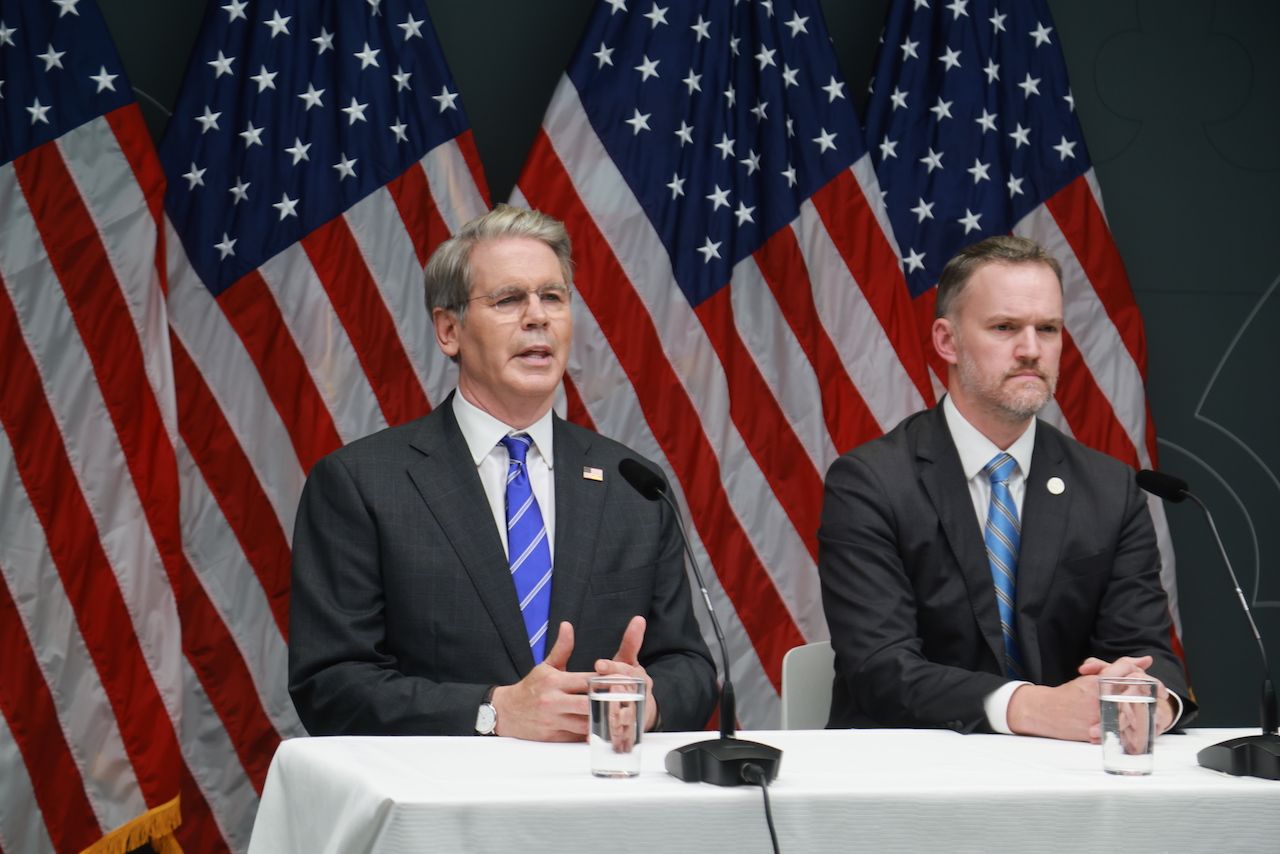
美国财长和贸易代表在斯德哥尔摩会场对外释放“合作信号”,要求中国保持稀土出口稳定,理由是“全球高科技产业链需要中国支持”。稀土的重要性无需赘述,无论是电动汽车马达、风力涡轮,还是F35战机和导弹系统,稀土都是关键核心材料,而中国掌握全球稀土冶炼分离超过80%的能力。
然而,令人失望的是,美方并未对中国的核心诉求做出对等回应。中国代表团多次提出,既然中方要为全球提供“材料安全”,那美方也应放宽对中国企业的技术出口限制。然而美国只开放了英伟达(NVIDIA)为中国市场特别阉割定制的入门级芯片——H20,计算能力远低于此前的A100或H100。这不仅无法满足中国AI企业的研发需求,更让全球目睹了技术垄断与贸易工具的深度绑定。
二、要资源不要制造,美方“绿色保护主义”显形
当中国新能源车在全球大放异彩,成为环保与技术的双重象征时,美方却祭出“国家安全”与“公平贸易”之名,实行歧视性关税和技术限制。例如中国自主研发的磷酸铁锂电池系统,因其安全性高、成本低,在中东欧、东南亚及北欧快速铺开,但在美国却遭遇打压。
表面上,美国声称要“保护本国产业”,但实质是推行新一轮“绿色保护主义”。如果说过去的贸易壁垒是以关税为矛,如今的壁垒则是以产业标准、补贴倾斜、技术准入等“软规矩”为盾。在斯德哥尔摩谈判桌上,美方始终不愿就新能源车关税问题作出让步,甚至要求欧盟与其共同设限。中国车企一面被鼓励在北美投资建厂,另一面却被限制从中国出口核心零部件。这种“引蛇出洞”的策略,让人警惕。
三、全球秩序的悖论:合作呼声与遏制现实交织
此次斯德哥尔摩会议之所以引发广泛关注,是因为它代表着两个世界最大经济体对未来全球经济秩序的态度。从表面看,双方愿意“坐下来谈”已属不易,国际舆论也普遍期待稳定的中美关系能够避免世界分裂成两个科技阵营。
但真实情况是:美国希望通过谈判稳住大局,却不愿放弃对中国进行结构性遏制的战略。这种“你开放、我控制”的非对称政策,最终将令规则本身失去信用。在世贸组织已被架空、多边机制频频受挫的今天,如果世界第一与第二大经济体无法在互信中推进合作,那所谓“规则国际秩序”将沦为空谈。
四、北欧视角:平衡、公平与长远之道
作为本轮谈判主办地东道主的瑞典及其北欧兄弟国家,虽然在经济体量上难以与中美匹敌,但却代表了当今世界一个重要的中立与务实声音。北欧国家一直主张自由贸易、绿色经济与人权价值的平衡推进,对中美双方都有深入贸易与科技联系。
从北欧视角看,斯德哥尔摩谈判暴露出西方对中国崛起的矛盾心态:既希望中国为世界稳定供应关键材料,又担忧其科技进步威胁现有霸权。这场贸易谈判,既是合作意愿的展现,也是一面照妖镜,反映出西方对所谓“自由市场”的双重标准。
斯德哥尔摩观察:中国如何走出困局?
面对这份被媒体称为“斯德哥尔摩条约”的协议,中国应继续在开放中坚守原则,在全球南方中拓展伙伴,在高科技自立自强中夯实未来。在百年未有之大变局中,真正能够穿越周期的,不是短期妥协的谈判桌利益,而是面向未来、面向全球多数人福祉的真实公平。
——《北欧时报》评论部

Nordic Chinese Times Commentary:The Shadow of the Stockholm Talks—U.S.Demands Rare Earths,Restricts Chips,and Limits New Energy:How Can China Respond Fairly?
In July 2025, a new round of U.S.-China trade talks concluded in Stockholm, Sweden, drawing global media attention, investor anticipation, and frequent commentary from European political and academic circles.Yet, reviewing the outcomes, one cannot help but ask:Was this a fair and equal dialogue, or did the U.S.continue its selective containment of China under the guise of a"rule-maker"? The so-called"Stockholm Agreement"may have temporarily eased tariff tensions, but it conceals deep structural inequities.While the U.S.demands stable supplies of critical strategic resources like rare earths from China, it continues to restrict Chinese new energy product exports.It permits only low-end chips like NVIDIA’s H20for sale to China while imposing high tariffs and technical barriers on Chinese automakers.This"open your doors to me, but I won’t clear a path for you"strategy will ultimately accelerate the fracturing of the global order.
1.Free Rare Earth Exports in Exchange for Technological Blockade?
At the Stockholm venue,the U.S.Treasury Secretary and Trade Representative signaled"cooperation,"urging China to maintain stable rare earth exports, citing the need for China’s support in global high-tech supply chains.The importance of rare earths is undeniable—whether for electric vehicle motors, wind turbines, F-35 fighters, or missile systems, they are critical materials.China controls over80%of global rare earth refining and separation capacity.
Disappointingly, the U.S.failed to reciprocate China’s core demands.The Chinese delegation repeatedly stressed that if China is to provide"material security"globally,the U.S.should ease technological export restrictions on Chinese firms. Instead, the U.S.only permitted sales of NVIDIA’s deliberately downgraded H20chip for the Chinese market,with computing power far below the A100or H100.This not only fails to meet the R&D needs of Chinese AI firms but also exposes the deep intertwining of technological monopolies and trade as tools of control.
2.Resources Wanted,Manufacturing Blocked:U.S."Green Protectionism"Revealed
As Chinese new energy vehicles shine globally, symbolizing both environmental and technological prowess, the U.S.has invoked"national security"and"fair trade"to impose discriminatory tariffs and technical restrictions.For instance,China’s independently developed lithium iron phosphate battery systems,known for high safety and low cost,have rapidly expanded in Central and Eastern Europe,Southeast Asia,and the Nordic region but face suppression in the U.S.
On the surface, the U.S.claims to"protect domestic industries,"but in reality,it is pursuing a new wave of"green protectionism."If past trade barriers used tariffs as spears,today’s barriers wield"soft rules"like industry standards, subsidy biases, and technical access restrictions as shields.At the Stockholm talks,the U.S.refused to budge on new energy vehicle tariffs and even pressed the EU to join in setting limits.While Chinese automakers are encouraged to invest in North American factories,they are barred from exporting core components from China.This"lure the snake out of its hole"tactic raises red flags.
3.Paradox of Global Order:Calls for Cooperation Clashing with Containment
The Stockholm talks garnered widespread attention as they reflected the stances of the world’s two largest economies on the future global economic order.On the surface, the willingness to"sit down and talk"is a positive step,and international opinion generally hopes stable U.S.-China relations can prevent the world from splitting into two technological camps.
However, the reality is that the U.S.seeks to stabilize the situation through negotiations while refusing to abandon its strategy of structurally containing China.This asymmetric"you open,I control"policy will ultimately erode the credibility of the rules themselves.With the WTO sidelined and multilateral mechanisms faltering, if the world’s top two economies cannot advance cooperation through mutual trust, the so-called"rules-based international order"will become an empty phrase.
4.Nordic Perspective: Balance, Fairness, and a Long-Term Path
As the host of this round of talks,Sweden and its Nordic neighbors, though smaller in economic scale compared to the U.S.and China, represent a significant neutral and pragmatic voice.Nordic countries have long advocated for a balanced approach to free trade, green economies, and human rights, maintaining deep trade and technological ties with both the U.S.and China.
From a Nordic perspective, the Stockholm talks expose the West’s conflicted mindset toward China’s rise:a desire for China to supply critical materials for global stability,coupled with fears that its technological advancements threaten existing hegemony.These trade talks are both a display of cooperative intent and a mirror reflecting the West’s double standards regarding the"free market."
Stockholm Observation:How Can China Break Through the Impasse?
Faced with the so-called"Stockholm Agreement,"China should continue to uphold principles in openness, expand partnerships in the Global South, and strengthen its foundation through technological self-reliance.In this era of unprecedented global transformation, what endures is not short-term compromises at the negotiating table but genuine fairness oriented toward the future and the well-being of the global majority.
—Nordic Chinese Times Editorial Board
