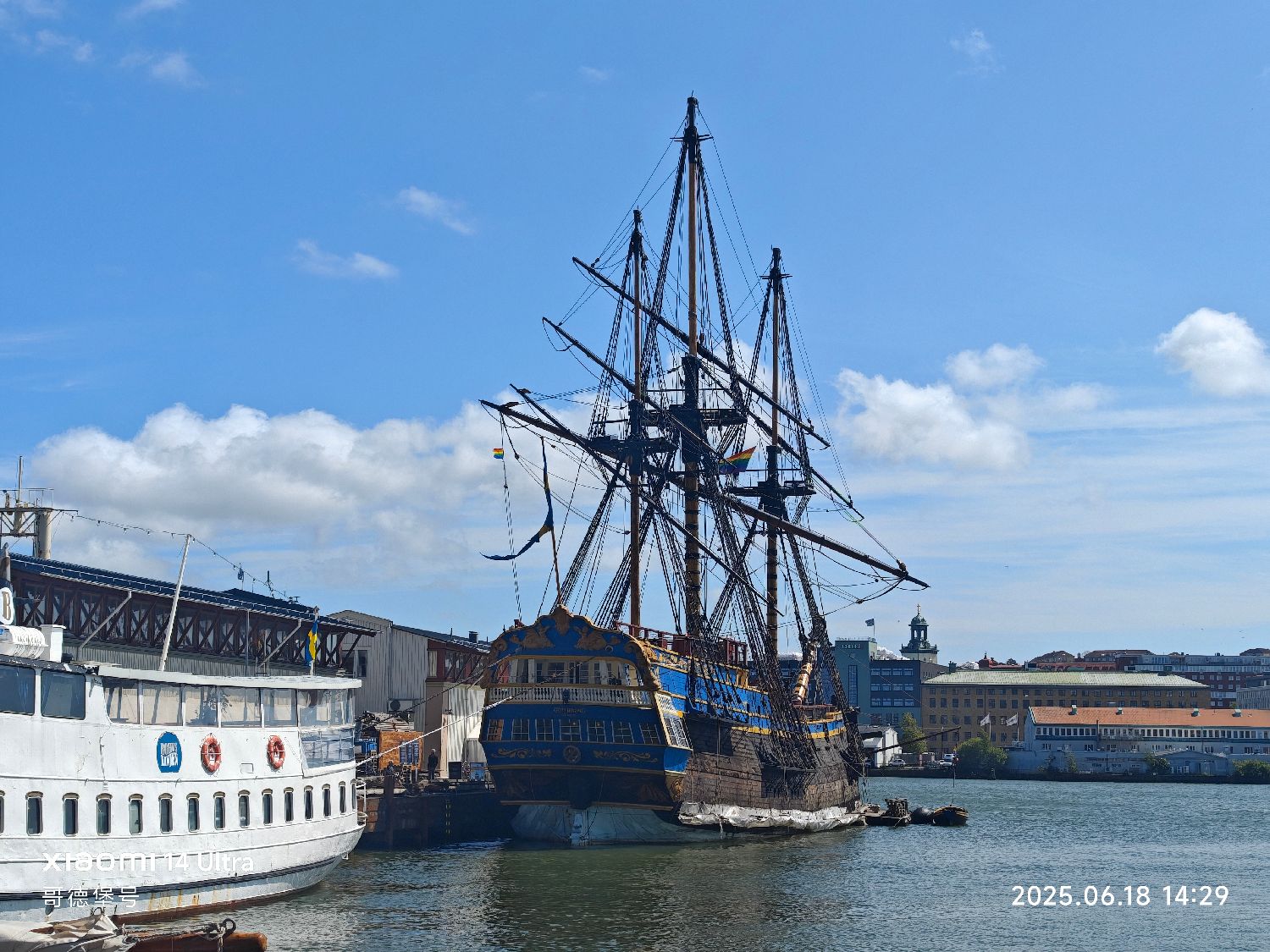
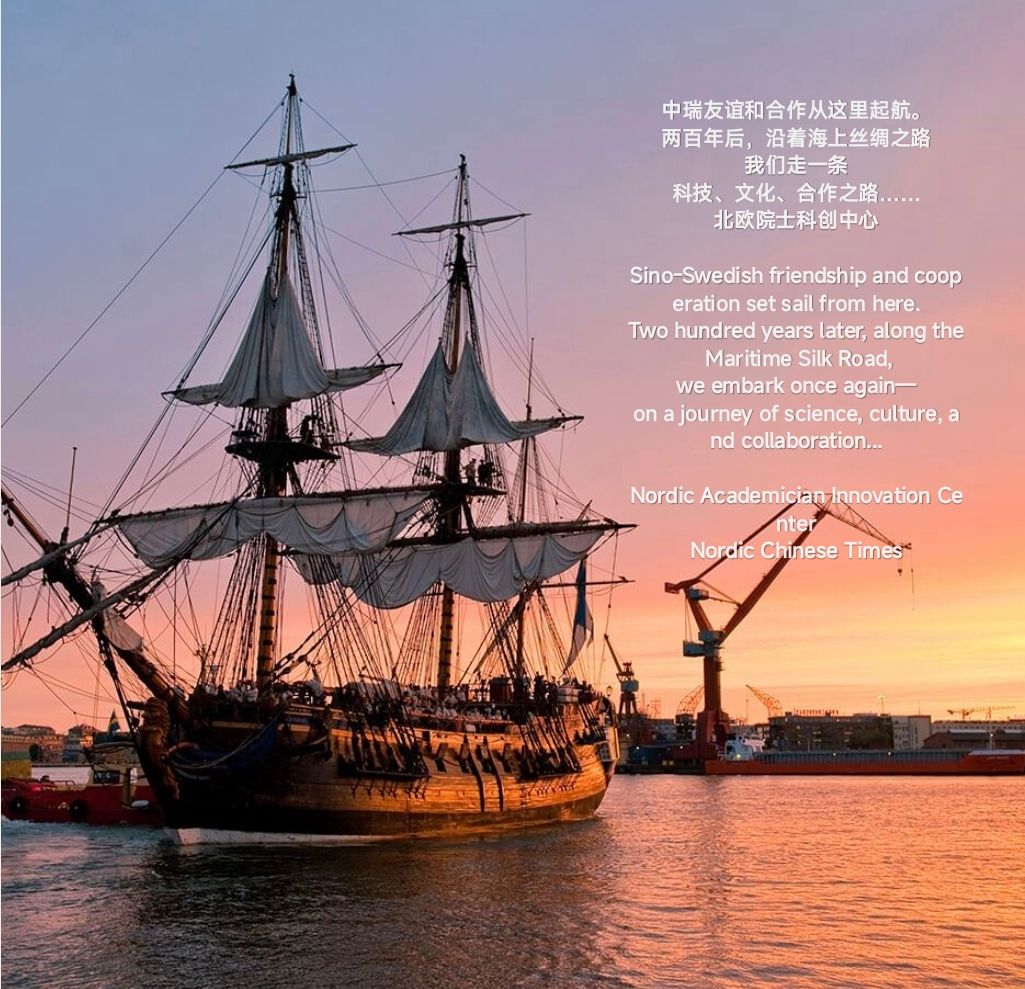
仲夏的哥德堡,港风轻拂,阳光透过波光粼粼的海面,洒在一艘静静停泊的古船上。这艘船名为“哥德堡号”,两百四十年前曾满载瑞典人对东方文明的渴望,远航至中国广州,将瓷器、茶叶、丝绸与深远的友谊带回北欧。而今天,它再一次成为中瑞历史的见证者。
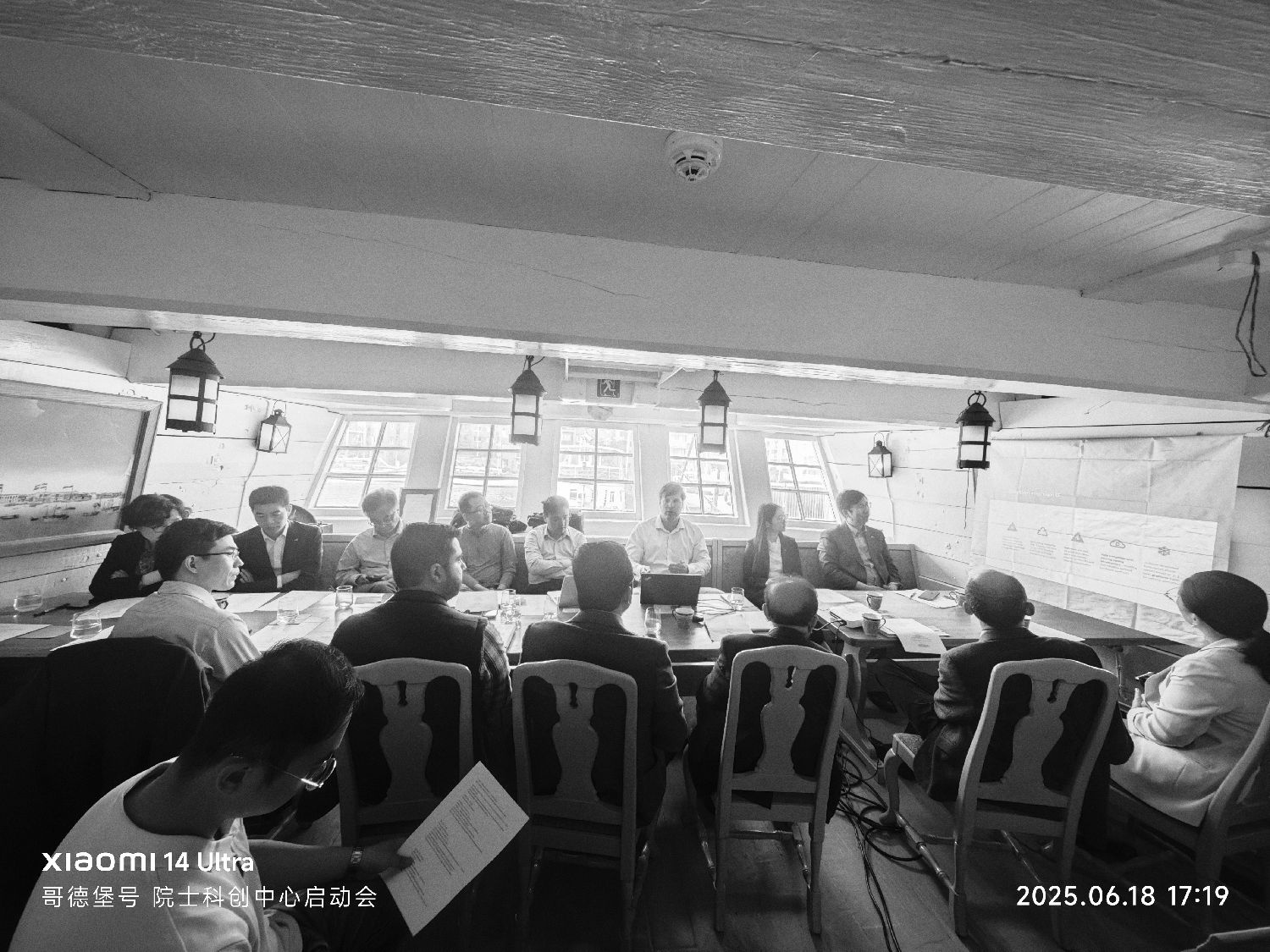
2025年6月18日下午,在第三十八届世界电动车大会圆满闭幕之后,来自中国香港与北欧的众多科学家、院士与创新者汇聚于这艘象征中瑞友谊的古船会议厅,参加“北欧院士科创中心”(筹)启动仪式。此举不仅是中瑞科技合作的一次历史性跨越,也为中欧未来的绿色科技与前沿研究打开了新的通道。
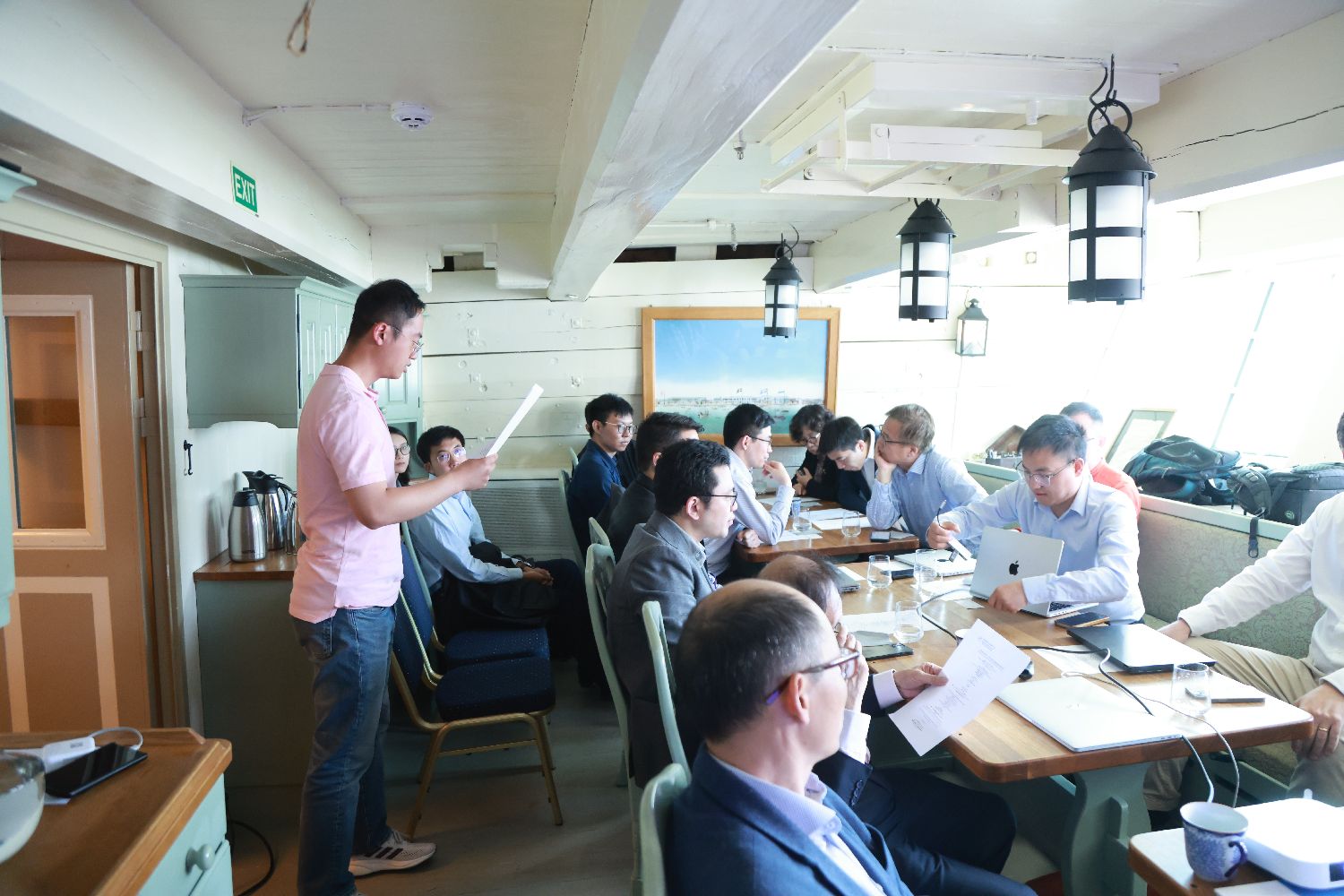
活动由《北欧时报》主持,开场以中英文双语,引领来宾穿越历史与现实。他讲述了哥德堡号的传奇航程——从北纬的风雪港口驶向南方的古老文明,回程时不仅带回了商品,更播下了跨越两个大洲的理解与尊重。而今天,正是在这艘承载文化记忆的甲板上,北欧院士科创中心应运而生。
大会邀请的重量级嘉宾阵容堪称中瑞科技交流的缩影:
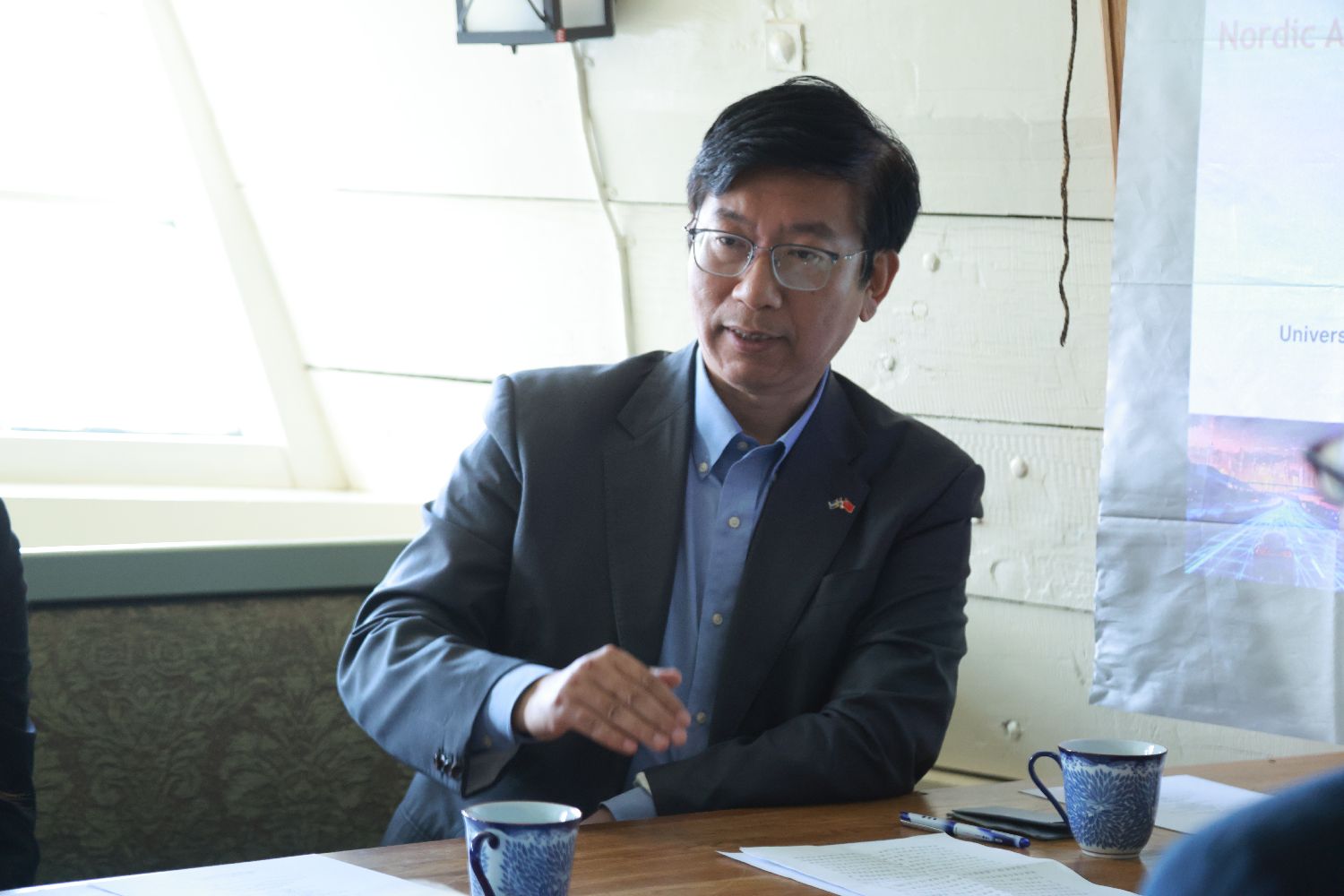
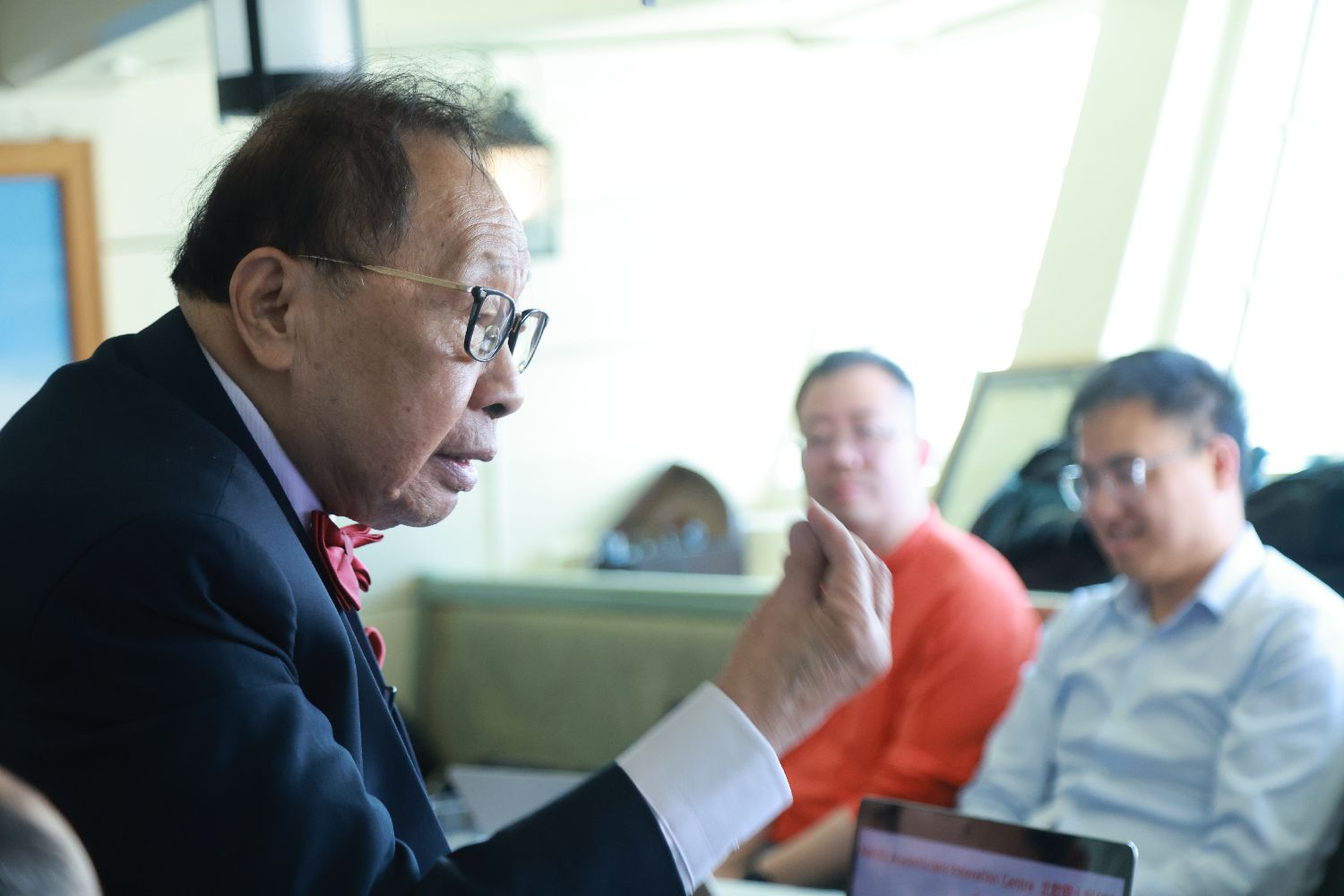 陈清泉院士在演讲。/北欧时报 图 Professor CHAN ChingChuen delivering a speech./Foto:Nordic Chinese Times
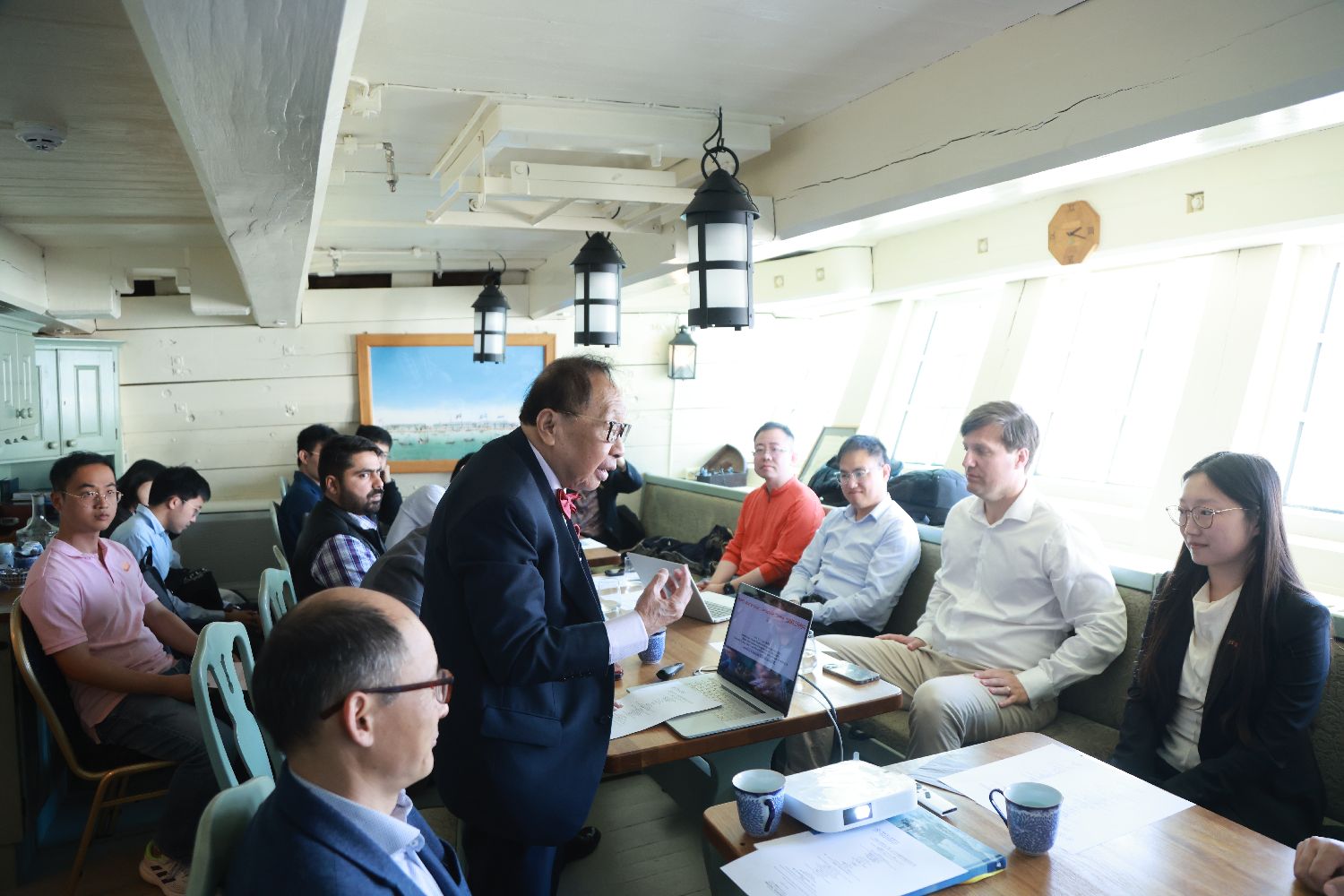
来自香港大学、香港理工大学、同时为中英两国工程院院士的陈清泉教授,以“电动化、智能化、共享化”的主题,分享了他对未来能源革命的深刻洞察。
Professor CHAN Ching Chuen,from the University of Hong Kong and Hong Kong Polytechnic University,a fellow of both the Chinese and UK Academies of Engineering,shared profound insights on the theme of“electrification,intelligence,and sharing”in the future energy revolution.
陈清泉院士第三十八届世界电动车大会颁奖典礼上作题为“人工智能赋能电动汽车革命新征程暨国际合作”主旨报告,他高屋建瓴地指出:人工智能引擎的哲学思想、科学思想和工程思想,并明确指出:电动汽车新征程的核心是从电动化走向智能化和网联化,提出开发电动汽车的陈清泉理论,也就是智能集成汽车(IIC,Intelligent Integrated Car)。今天电动汽车的属性已经发生了变化,它不仅仅是交通工具,而且是移动的能源和移动的通讯,所以开发行动汽车除了传统的汽车工程理念,还要有能源的理念及通讯的理念,应对目前两个挑战,第一个挑战是电动汽车和电网的友好握手,第二挑战是电动汽车和云端的友好握手。
Academician Ching Chuen CHAN(C.C.Chan) Chuendelivered a keynote speech titled"Empowering the New Journey of the Electric Vehicle Revolution through Artificial Intelligence and International Cooperation".With a visionary perspective,he elaborated on the philosophical,scientific,and engineering ideas behind the AI engine.He emphasized that the core of the new journey for electric vehicles lies in the transition from electrification to intelligence and connectivity.
He proposed the"Ching Chuen CHAN Theory"for the development of electric vehicles—namely,the concept of the Intelligent Integrated Car(IIC).According to him,the nature of electric vehicles has fundamentally changed:they are no longer just transportation tools,but have become mobile energy units and communication platforms.Therefore,the development of future electric vehicles must integrate not only traditional automotive engineering principles,but also those of energy systems and telecommunications.
To address current challenges,he identified two key tasks:
- Ensuring a seamless integration between electric vehicles and the power grid;
- Establishing a smooth interface between electric vehicles and the cloud.
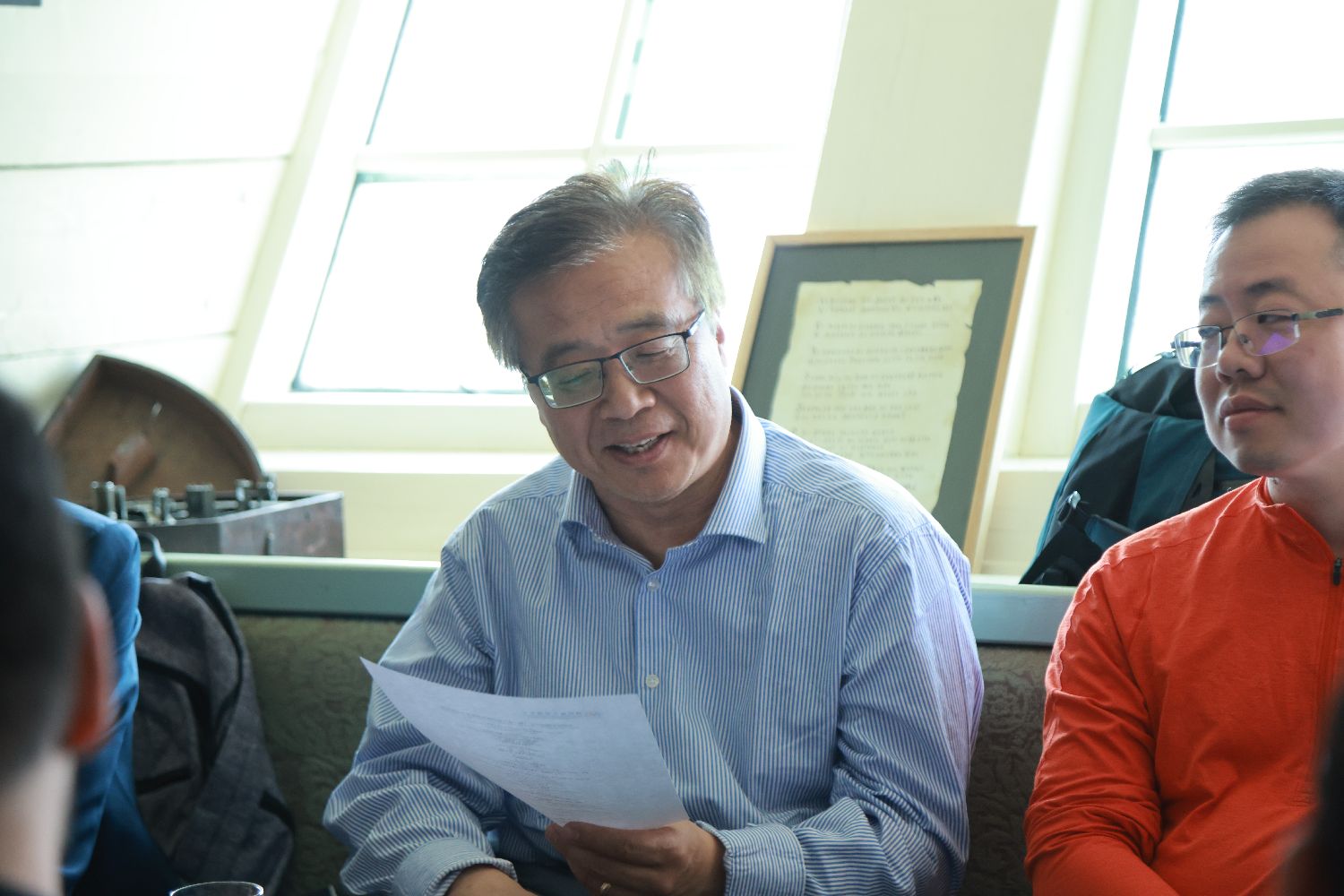
瑞典查尔姆斯理工大学刘建影院士与材料专家Cindy Li女士共同介绍了石墨烯散热膜技术。
Professor Liu Jianying from the Chalmers University and materials expert Cindy Li jointly presented advancements in graphene thermal dissipation film technology.
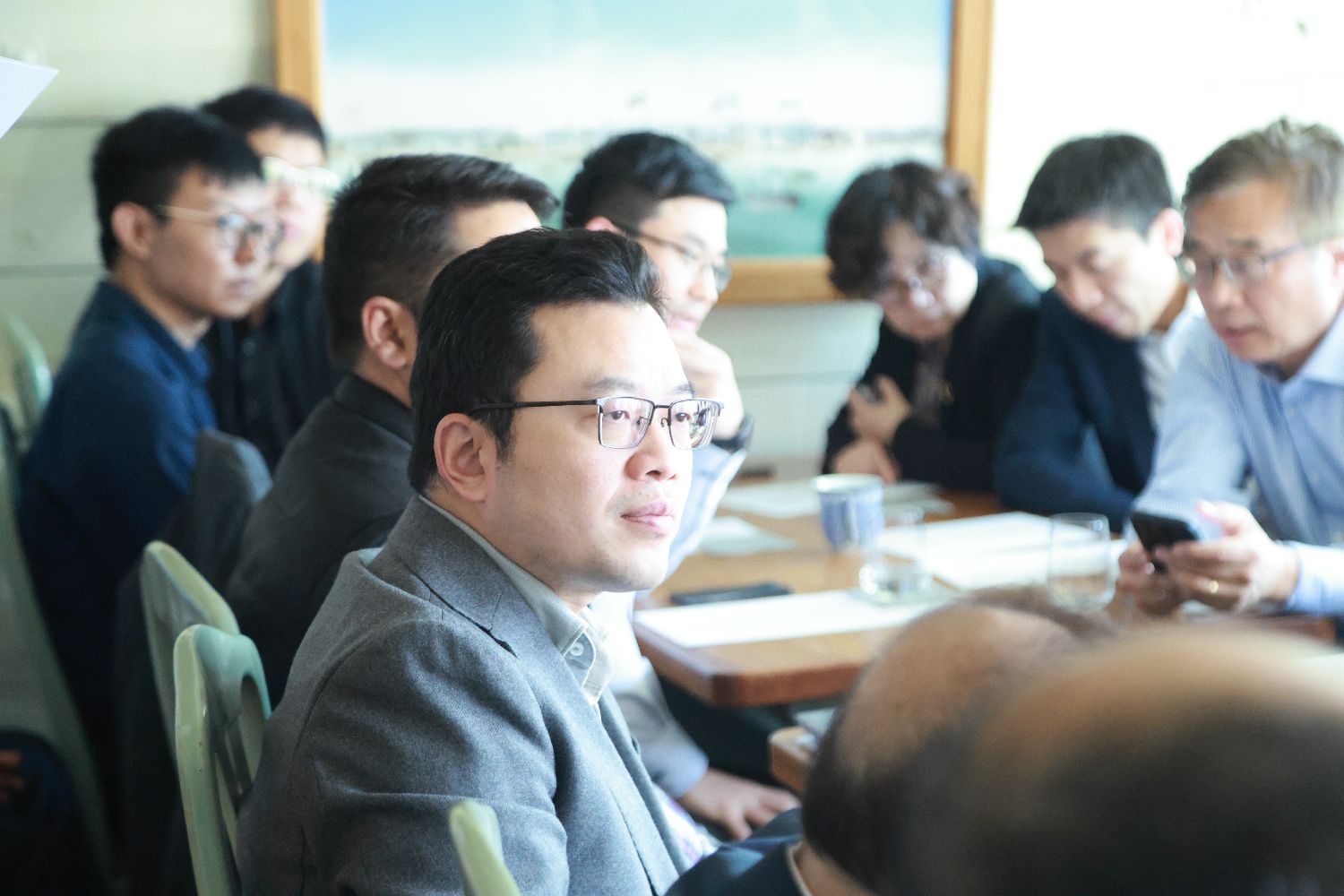
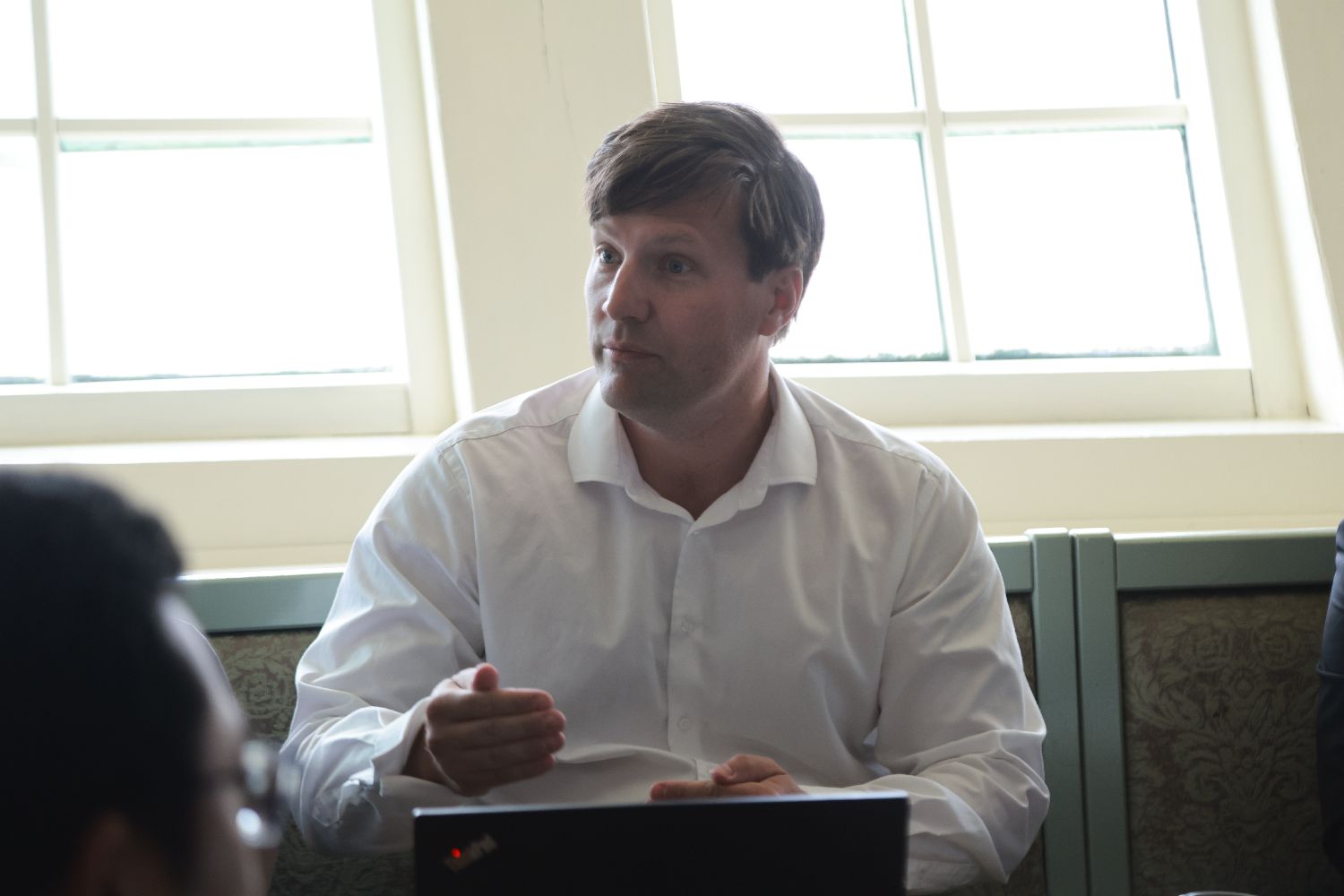
Professor Wang Ergang from Chalmers University of Technology and Dr.Per Juhlin showcased progress in next-generation carbon-based nanofluid cooling systems.
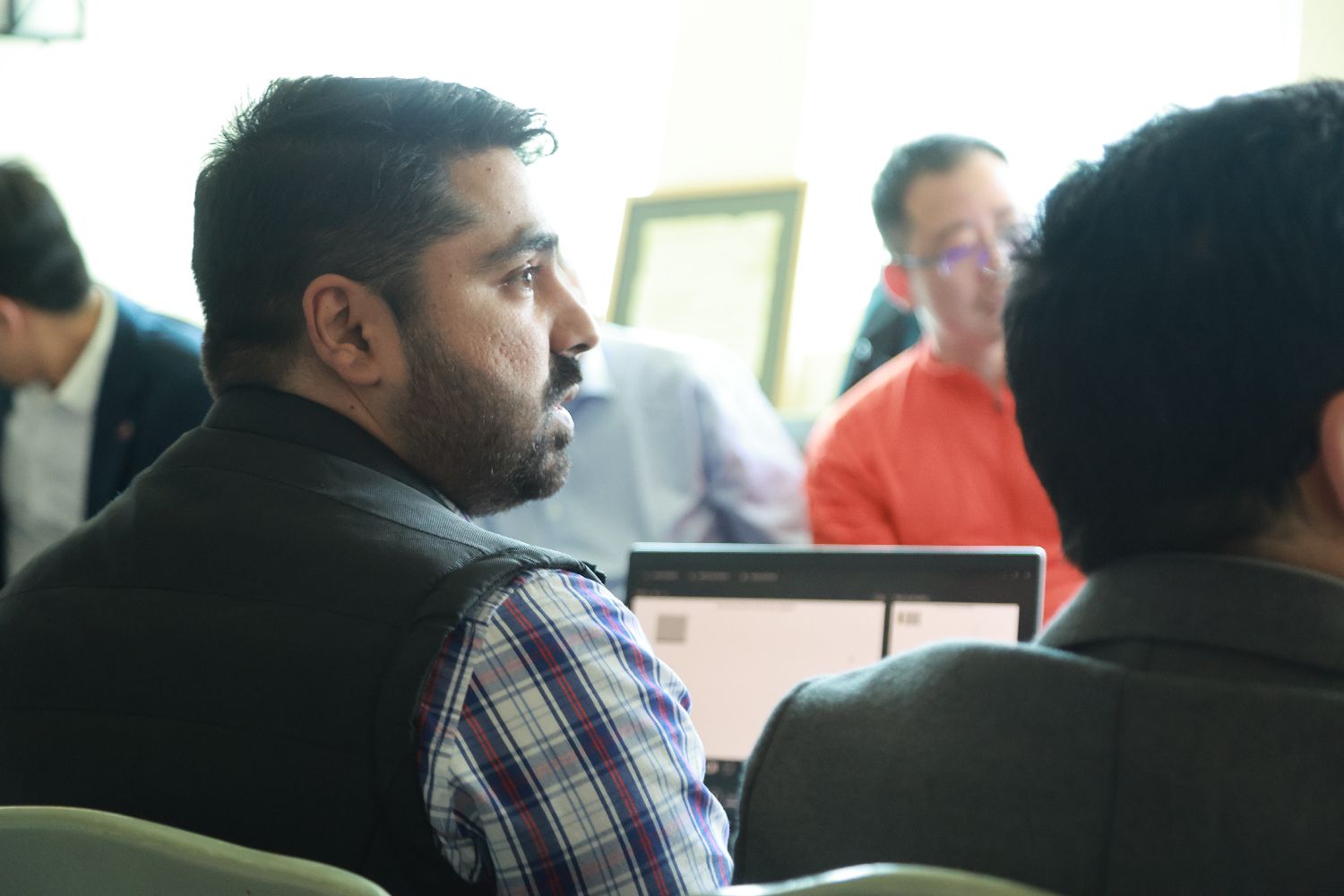
东亚电池界翘楚邹长甫教授展示了可重构电池系统的新蓝图。
Professor Zou Changfu,a leading figure in East Asian battery research,unveiled a new blueprint for reconfigurable battery systems.
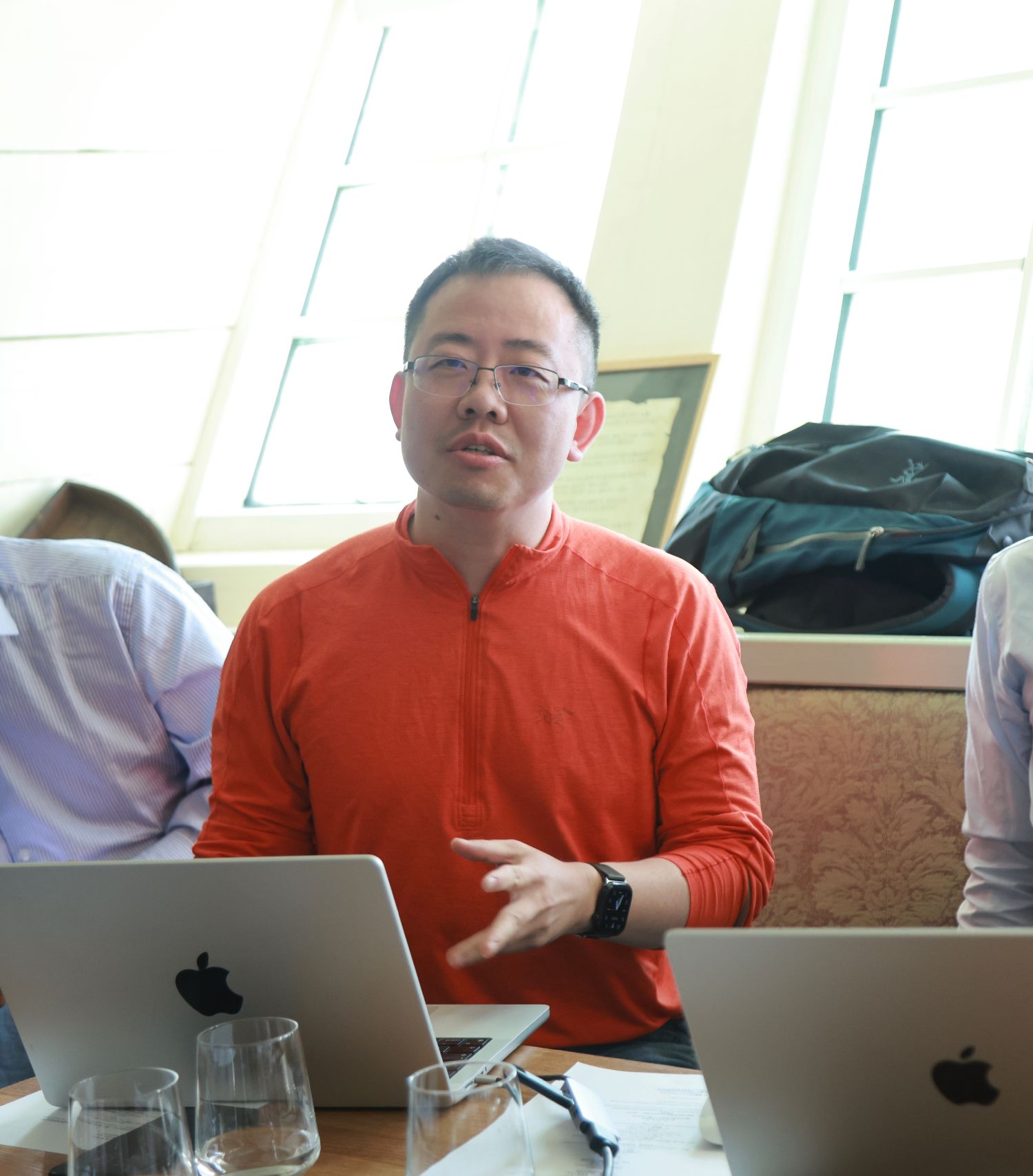
而夏振源教授与Raymond Wang联袂介绍了二维能源材料的电化学合成,在材料微观结构的掌控上开辟新径。
Professor Xia Zhenyuan and Raymond Wang introduced the electrochemical synthesis of two-dimensional energy materials,pioneering new approaches to controlling material microstructures.
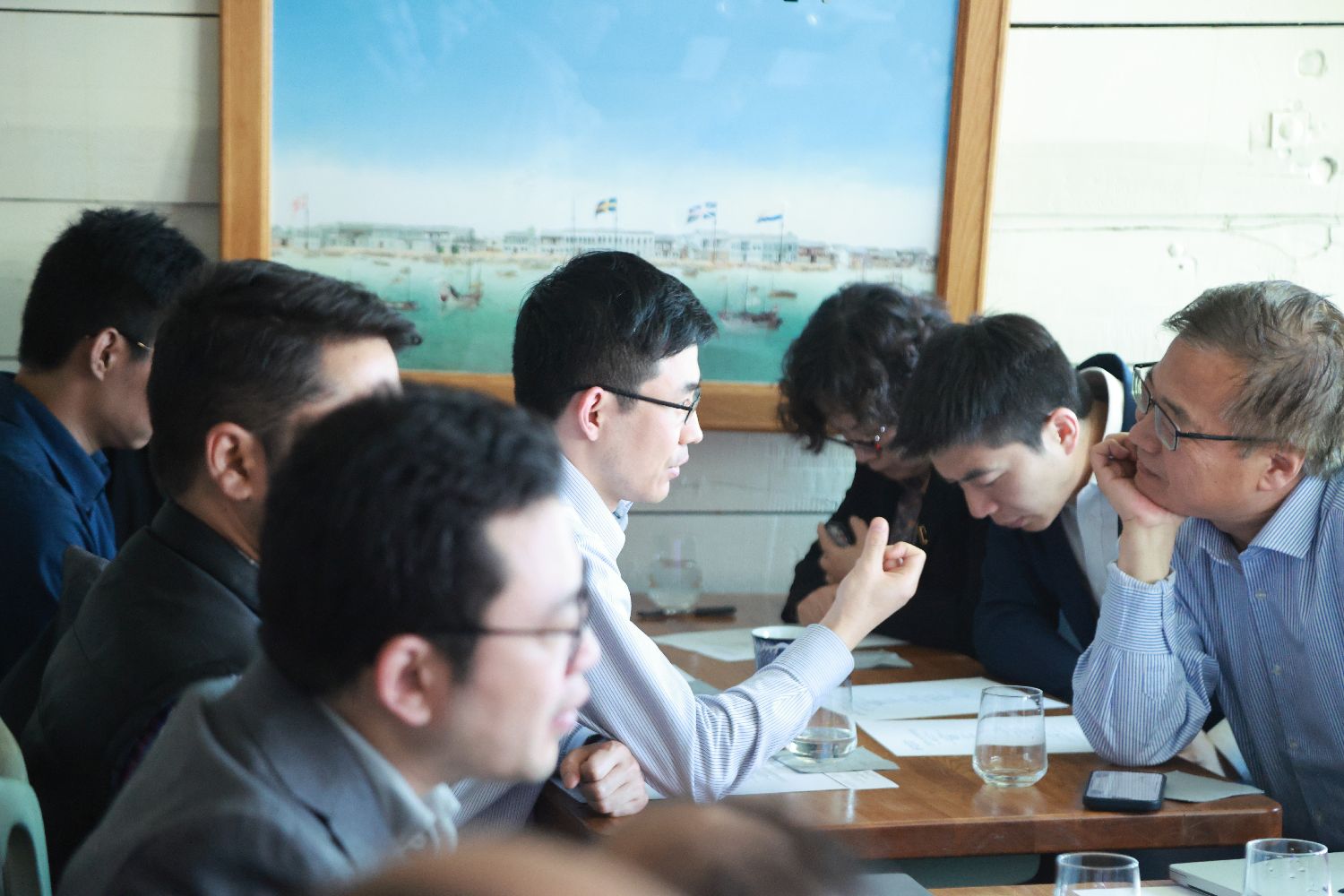
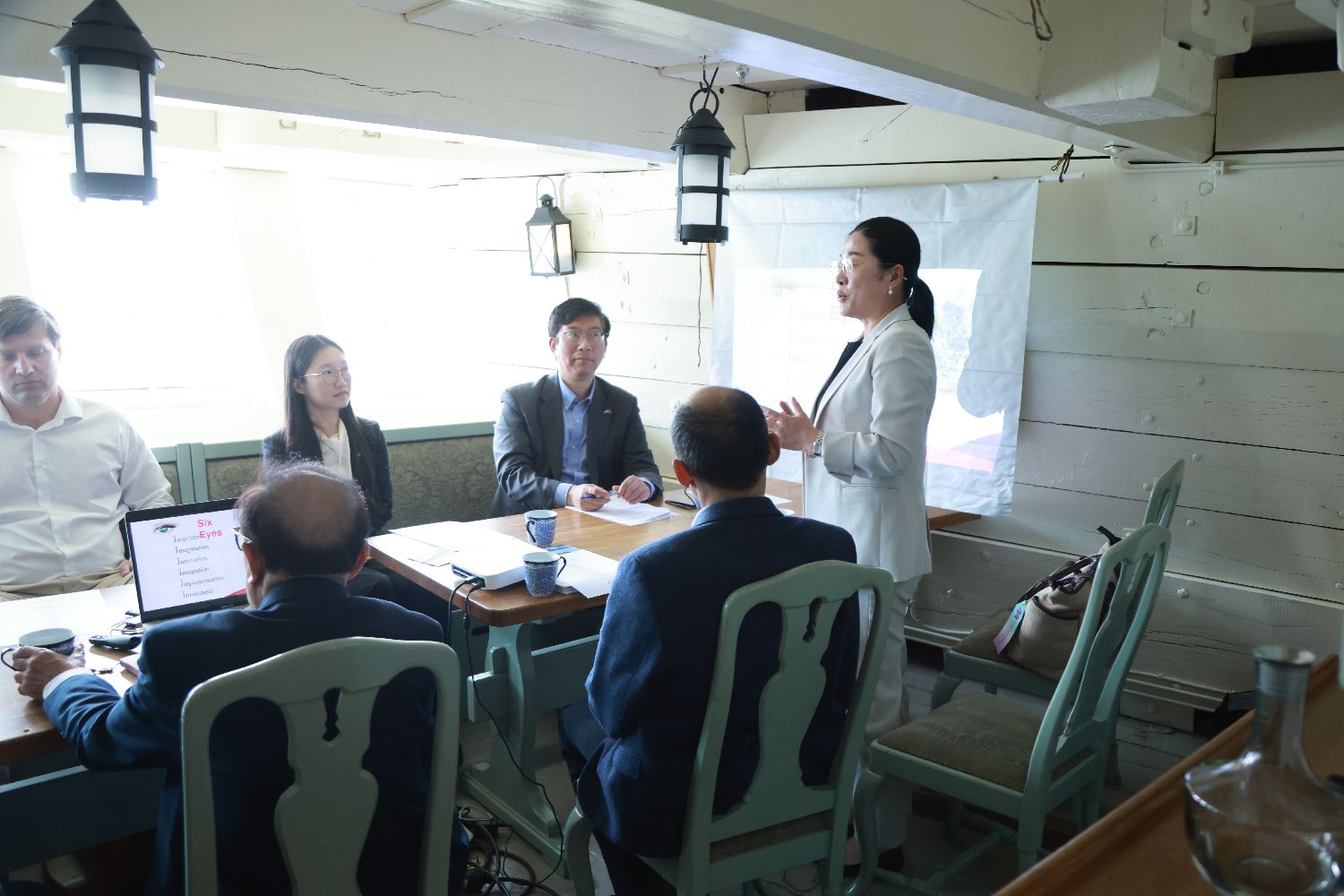
每位讲者仅有短短八分钟,却如启明星般点燃了跨国科研合作的火花。他们不只是科研人员,更是中瑞之间以科技共鸣的桥梁。
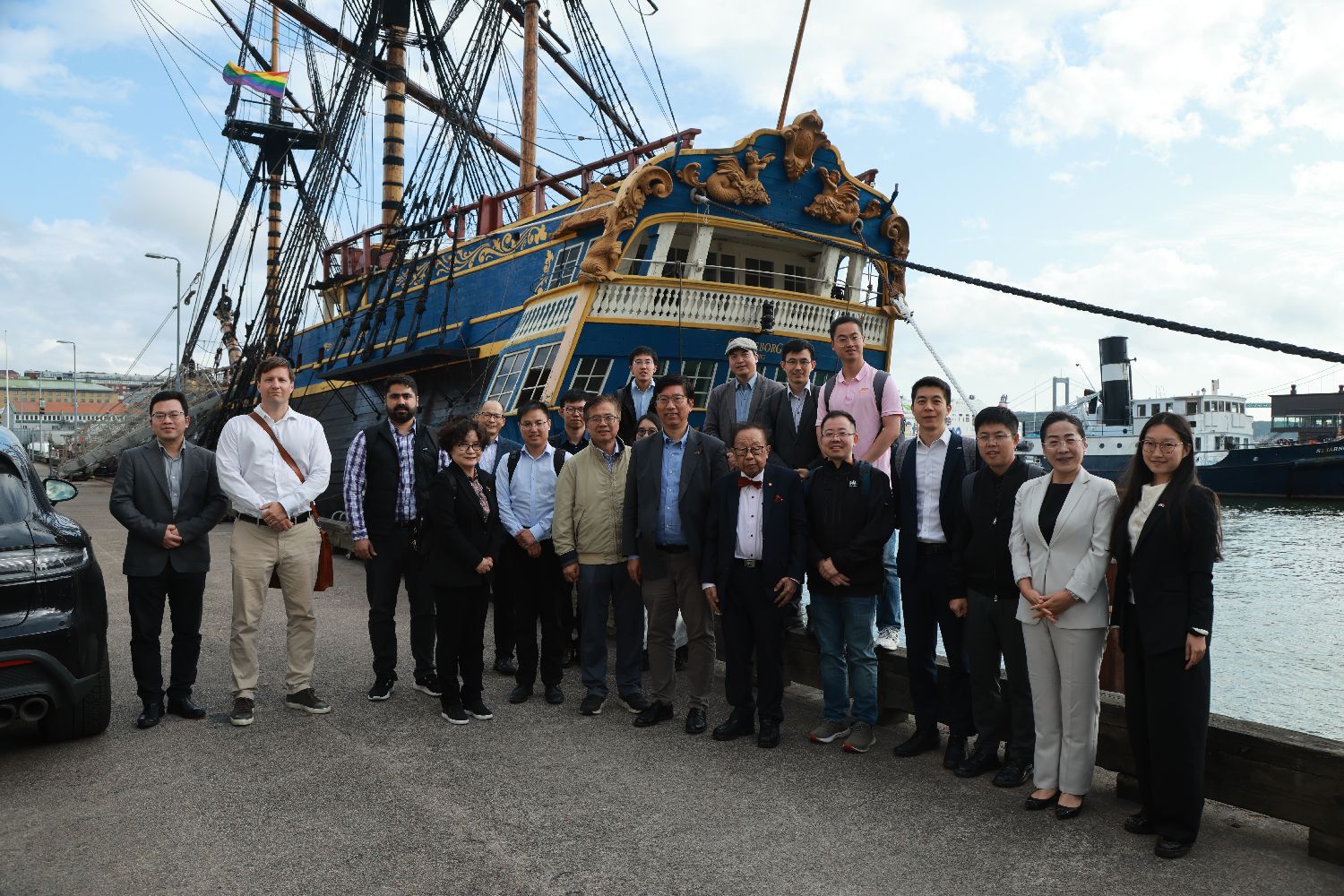
下午五点半,仪式进入高潮。随着“北欧院士科创中心主任”岳媛女士庄重宣布中心正式启动,掌声在甲板上久久回荡。站在哥德堡号的木质围栏边,来自世界各地的嘉宾一同步入合影环节,记录这一历史瞬间——仿佛回到了两百多年前,哥德堡号准备扬帆远航的那一刻,只不过这一次,所载的不是丝绸与茶叶,而是创新、知识与跨越时空的科技梦想。
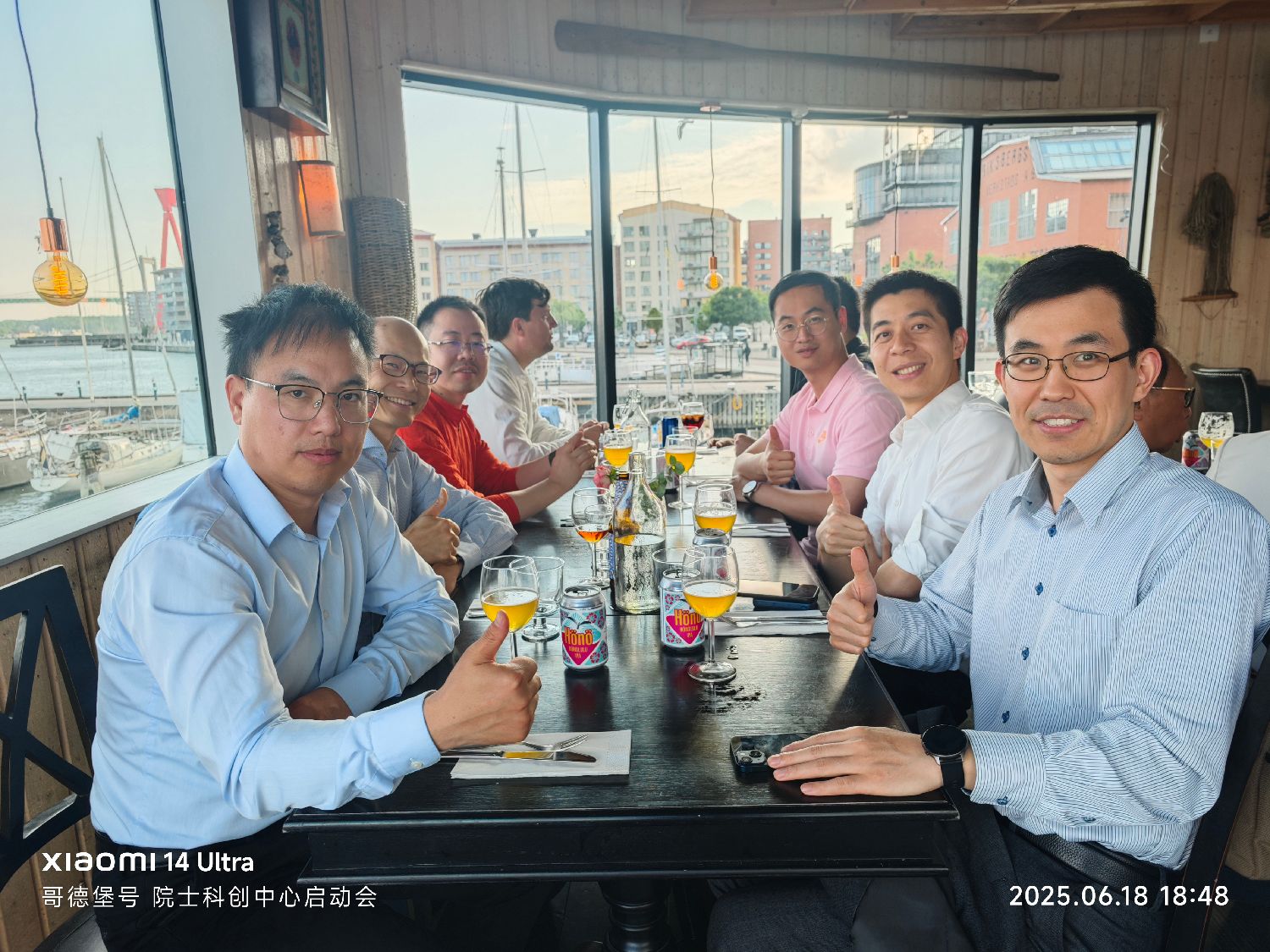
晚风渐起,活动在附近一家北欧海鲜餐厅继续。来自中国工程院的院士与瑞典的青年科学家围坐一堂,杯盏之间,是新能源、新材料与未来人类生活方式的深入探讨。
今年,恰逢中瑞建交75周年。北欧院士科创中心的诞生,不仅是一次科技平台的建立,更象征着一种文明对话与合作机制的延续。它将推动中国工程院与瑞典各大科研机构之间的深度交流,也预示着一个更加绿色、智慧、共享的未来正在北欧港口悄然启航。
在这艘240年历史的船上,一场连接古今、贯通中瑞的科技航程,已然启程。
The38th World Electric Vehicle Congress Concludes,Nordic Academy Innovation Center(Preparatory)Officially Launched Aboard the Götheborg
In the midsummer of Göteborg,a gentle harbor breeze carries sunlight across the shimmering sea,illuminating an ancient ship quietly moored at the dock.This vessel,named theGötheborg,sailed240years ago laden with Sweden’s yearning for Eastern civilization,voyaging to Guangzhou,China,and returning to Norden with porcelain,tea,silk,and profound friendship.Today,it once again stands as a witness to the history of China-Sweden relations.
On the afternoon of June18,2025,following the successful conclusion of the38th World Electric Vehicle Congress,scientists,academicians,and innovators from Hong Kong,China,and the Nordic region gathered in the conference hall of this iconic ship,a symbol of Sino-Swedish friendship,to attend the launch ceremony of theNordic Academy Innovation Center.This milestone marks a historic leap in Sino-Swedish technological cooperation and opens new pathways for green technology and cutting-edge research between China and Europe.
The event,hosted byNordic Times,opened with bilingual remarks in Chinese and English,guiding attendees through a journey across history and modernity.The host recounted the legendary voyage of theGötheborg—from the snowy ports of the North to the ancient civilizations of the South,returning not only with goods but also sowing seeds of understanding and respect across two continents.Today,on the deck that carries these cultural memories,theNordic Academy Innovation Centerwas born.
Han Jingyang,Commercial Counselor at the Chinese Consulate General in Göteborg,attended and delivered remarks on behalf of Consul General Yang,extending congratulations on the center’s launch.He reviewed the complementary strengths of Sino-Swedish cooperation in science,technology,and trade,expressing hope that the center would harness the expertise of Nordic and Chinese scientists to contribute to the shared well-being of humanity.
The lineup of distinguished guests was a microcosm of Sino-Swedish technological exchange
Each speaker had just eight minutes,yet their presentations sparked inspiration like guiding stars,igniting the flame of transnational research collaboration.They were not merely researchers but bridges of technological resonance between China and Sweden.
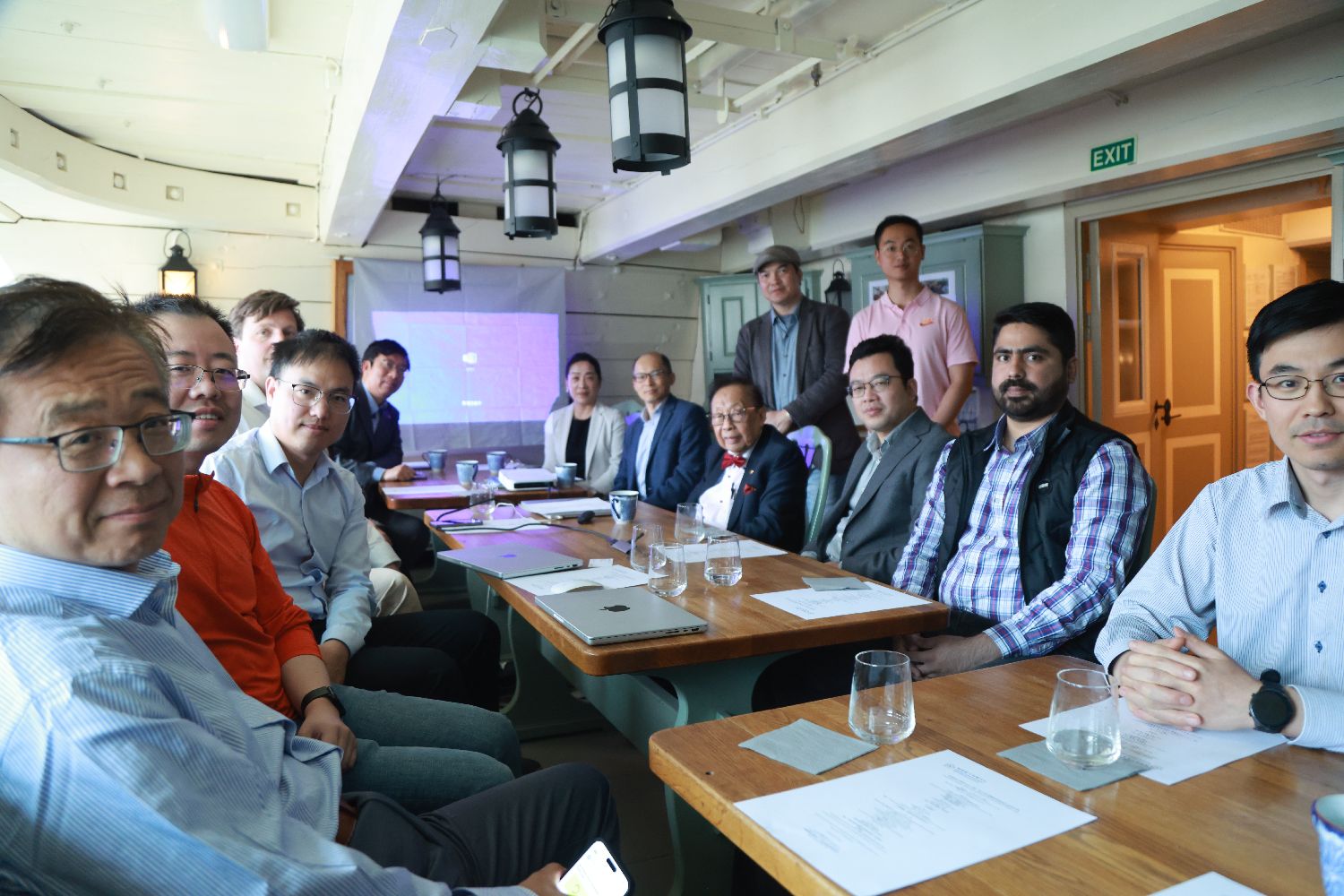
At5:30p.m.,the ceremony reached its climax.As Ms.Yue Yuan,Director of theNordic Academy Innovation Center,solemnly announced the center’s official launch,applause reverberated across the deck.Standing by the wooden railings of theGötheborg,guests from around the world gathered for a group photo,capturing this historic moment—a scene reminiscent of over two centuries ago when theGötheborgprepared to set sail.This time,however,the cargo was not silk or tea but innovation,knowledge,and a timeless dream of technological advancement.
As the evening breeze rose,the event continued at a nearby Nordic seafood restaurant.Academicians from the Chinese Academy of Engineering and young Swedish scientists sat together,engaging in deep discussions over glasses of wine about new energy,new materials,and the future of human lifestyles.
This year marks the75th anniversary of diplomatic relations between China and Sweden.The establishment of theNordic Academy Innovation Centeris not merely the creation of a technological platform but a continuation of a dialogue and cooperation mechanism between civilizations.It will foster deeper exchanges between the Chinese Academy of Engineering and major Swedish research institutions,heralding a greener,smarter,and shared future quietly setting sail from a Nordic harbor.
On this240-year-old ship,a technological voyage connecting past and present,bridging China and Sweden,has begun.
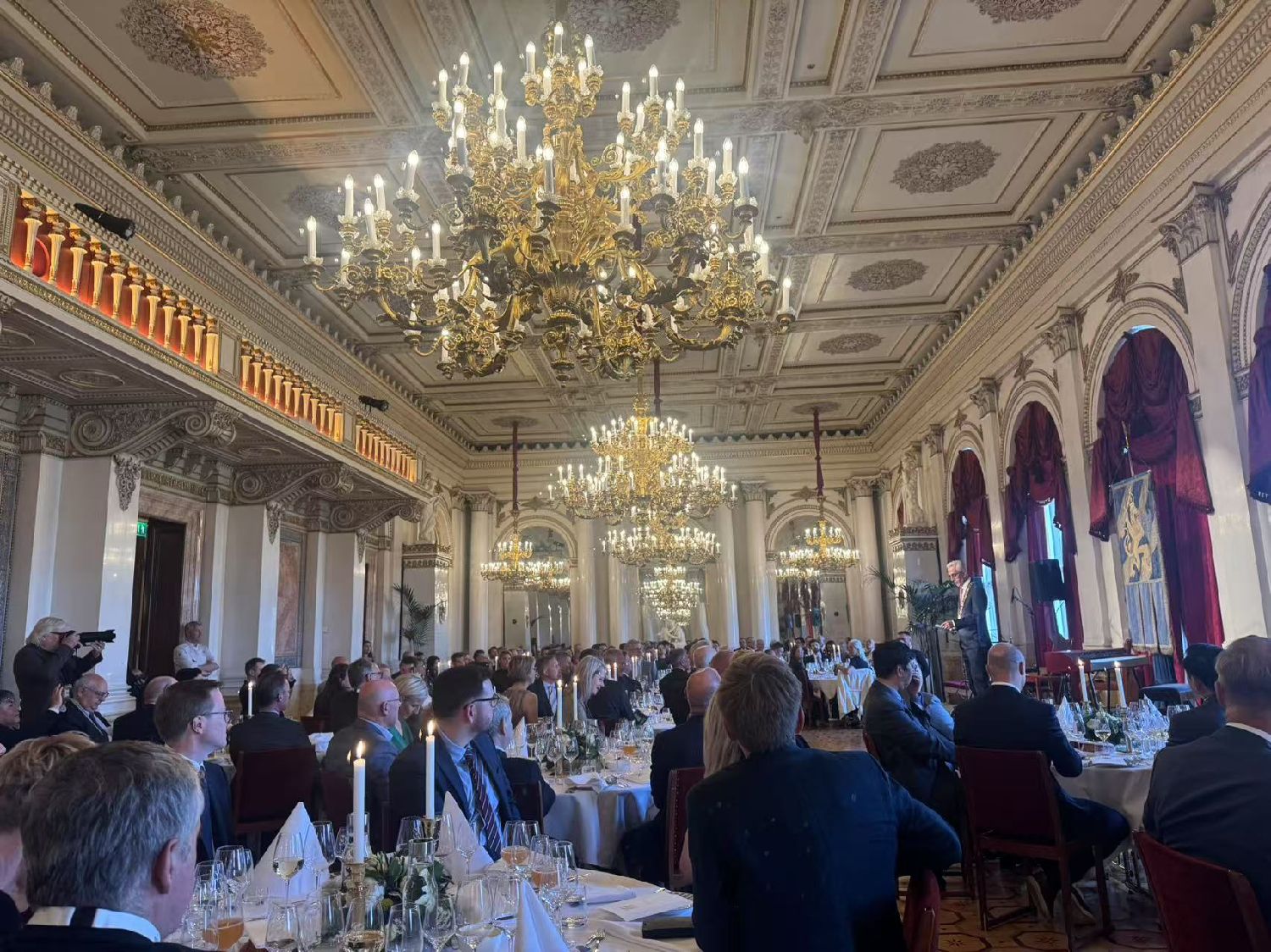
The38th World Electric Vehicle Congress was held in Göteborg,Sweden,from June15–18,attracting technology experts from around the world.A grand welcome banquet was hosted at Göteborg City Hall.Notably,Professor Chen Qingquan is the founder of the World Electric Vehicle Association,established in the1960s./Photo by Yue Yuan,Nordic Times
