自瑞典封杀华为5G以来,爱立信不再“养懒人”了吗?
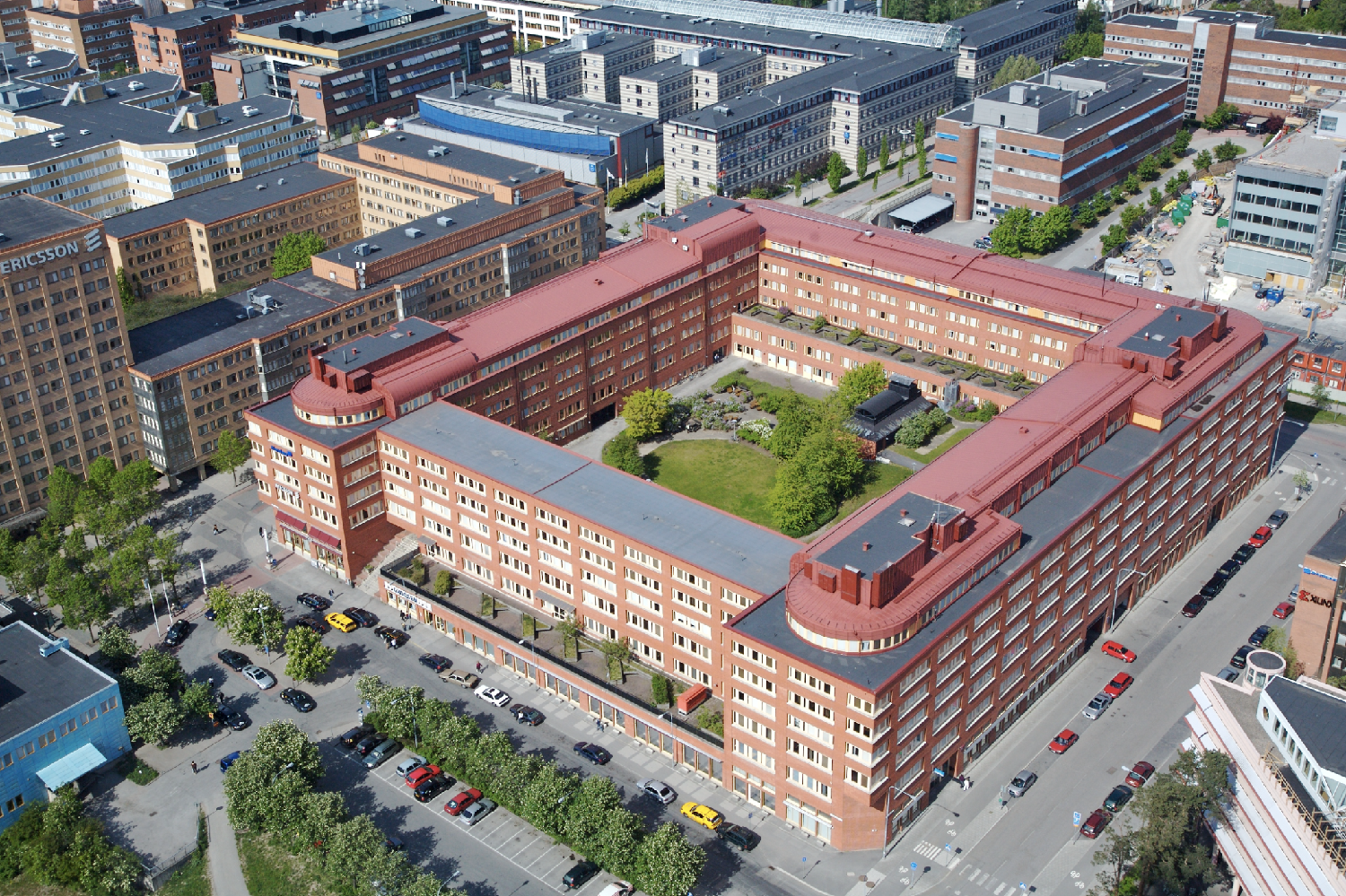
在5G时代选择将华为排除在核心网络之外时,外界曾普遍认为,这是一次“为本土冠军企业让路”的战略决断,而最大受益者无疑是爱立信。
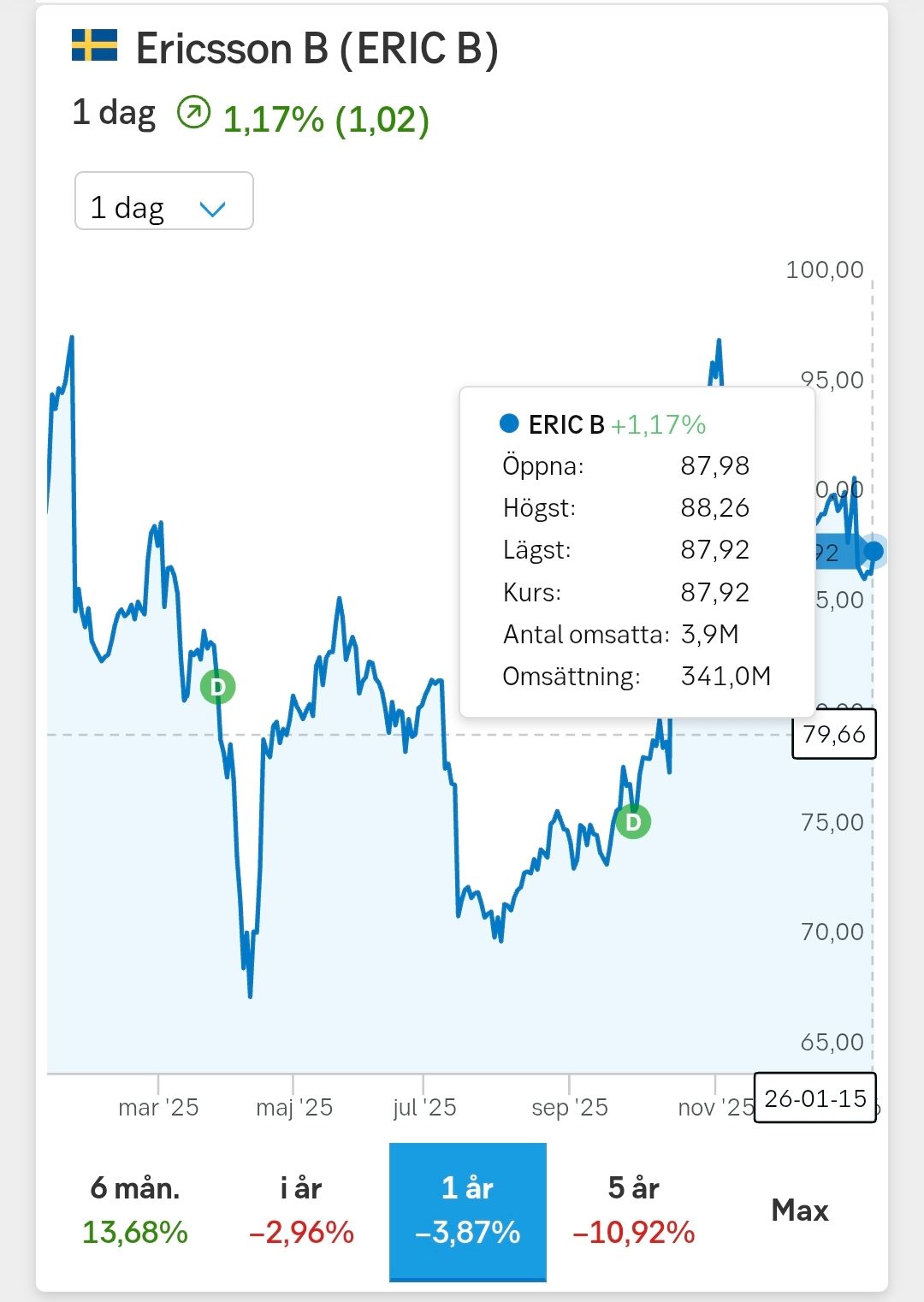
但数年之后,现实却显得格外冷峻——大规模裁员、研发收缩、成本重压,接连袭来。问题也随之浮出水面:在失去华为这一强劲对手后,爱立信是否反而被迫告别“温室时代”,不再养懒人?
一、没有华为的市场,并没有更轻松
瑞典政府对华为5G的限制,一度被解读为“安全优先”的政治选择,但在商业层面,它客观上削弱了欧洲市场的竞争强度。
然而,事实证明:竞争对手少了,并不等于市场更大了。
全球电信设备市场正在经历三重挤压:
在这种环境下,即便没有华为,爱立信也并未迎来“躺赢时代”。
二、从“高福利工程师文化”到效率优先
长期以来,瑞典科技企业以高福利、高稳定性、强工会文化著称。
在斯德哥尔摩高新园区,工程师们曾拥有高度自治的研发节奏,组织结构稳定,裁员被视为“最后选项”。
但这一次,爱立信的裁员逻辑发生了明显变化:
这释放出一个明确信号:
公司正在从“社会责任优先”,转向“资本效率优先”。
换句话说,不是“不养懒人”,而是不再为低效率买单。
三、失去华为,并不意味着失去压力
一个被忽视的事实是:
华为并非只是一家价格竞争者,更是技术与效率的压力源。
当华为被排除在外后:
在这种环境下,企业内部自然会出现“去冗余、去惯性、去舒适区”的改革冲动。
裁员,正是最直接、也是最残酷的手段。
四、欧洲科技公司的集体困境
爱立信的处境,并非孤例。
放眼欧洲:
当“地缘政治红利”无法转化为“产业竞争力红利”时,本土企业只能向内开刀。
这也是为什么,封杀华为,并没有让爱立信更轻松,反而让它更焦虑。
五、北欧观察:不养懒人,还是不再自信?
所以,问题的答案或许是:
爱立信不是突然不养懒人了,而是终于意识到:
在全球科技竞赛中,懒人、慢人、旧体系,都会被时代裁掉。
当竞争不再来自对手,而是来自市场、资本与技术范式本身,
任何企业,都无法靠“政治安全区”长期生存。
这,或许才是瑞典5G决策之后,最真实、也最值得深思的商业后果。
Tech&Business Commentary
Since Sweden Blocked Huawei from 5G,Has Ericsson Stopped“Carrying the Lazy”?
When Sweden decided to exclude Huawei from its 5G networks,many observers interpreted the move as a strategic boost for the country’s national champion,Ericsson.
At the time,the assumption seemed straightforward:fewer competitors,greater market share,and a smoother road ahead.
Several years on,reality looks far less comfortable.Large-scale layoffs,cost cutting,and pressure on R&D have become recurring headlines.This raises an uncomfortable question:
Did the exclusion of Huawei actually force Ericsson to abandon its“comfort zone”—and stop carrying inefficiencies inside the organization?
1.A Market Without Huawei Is Not an Easier Market
Politically,Sweden framed its5G decision around security.Commercially,however,the result was a reduction in competitive intensity in parts of the European market.
Yet reduced competition did not translate into growth.
The global telecom equipment industry is now squeezed on three fronts:
In this environment,even without Huawei,Ericsson did not enter a“winner-takes-all”phase.
2.From Welfare-Oriented Engineering Culture to Efficiency First
Swedish technology companies have long been known for generous welfare systems, strong unions,and high job security.
In Stockholm’s Kista district, engineers traditionally enjoyed autonomy, stable teams,and long development cycles.Layoffs were considered a last resort.
This time,the signals are different:
The message is clear:
Ericsson is shifting from“social stability first”to“capital efficiency first.”
This is less about“not carrying lazy employees”and more aboutno longer subsidizing low productivity or structural inertia.
3.Losing Huawei Does Not Mean Losing Pressure
One often-overlooked reality is that Huawei was not just a low-cost competitor.It was also a relentless efficiency and execution benchmark.
With Huawei removed from parts of the market:
Under such pressure,internal restructuring becomes inevitable.
Layoffs are the bluntest—and fastest—tool available.
4.A Broader European Tech Dilemma
Ericsson’s situation is not unique.
Across Europe:
When geopolitical“protection”fails to translate into real industrial competitiveness,companies are forced to cut inward.
That is why excluding Huawei did not make Ericsson more relaxed—it made the company more anxious.
5.Conclusion:Not About Laziness,but About Survival
So what is the real answer?
Ericsson did not suddenly decide to stop“carrying lazy people.”
It realized that in a global technology race,
inefficiency,complacency,and legacy structures are what get laid off first.
When competition no longer comes mainly from rivals,but from markets,capital,and shifting technological paradigms,no company can survive on geopolitical shelter alone.
That,perhaps,is the most sobering business lesson of Sweden’s post-Huawei5G era.
