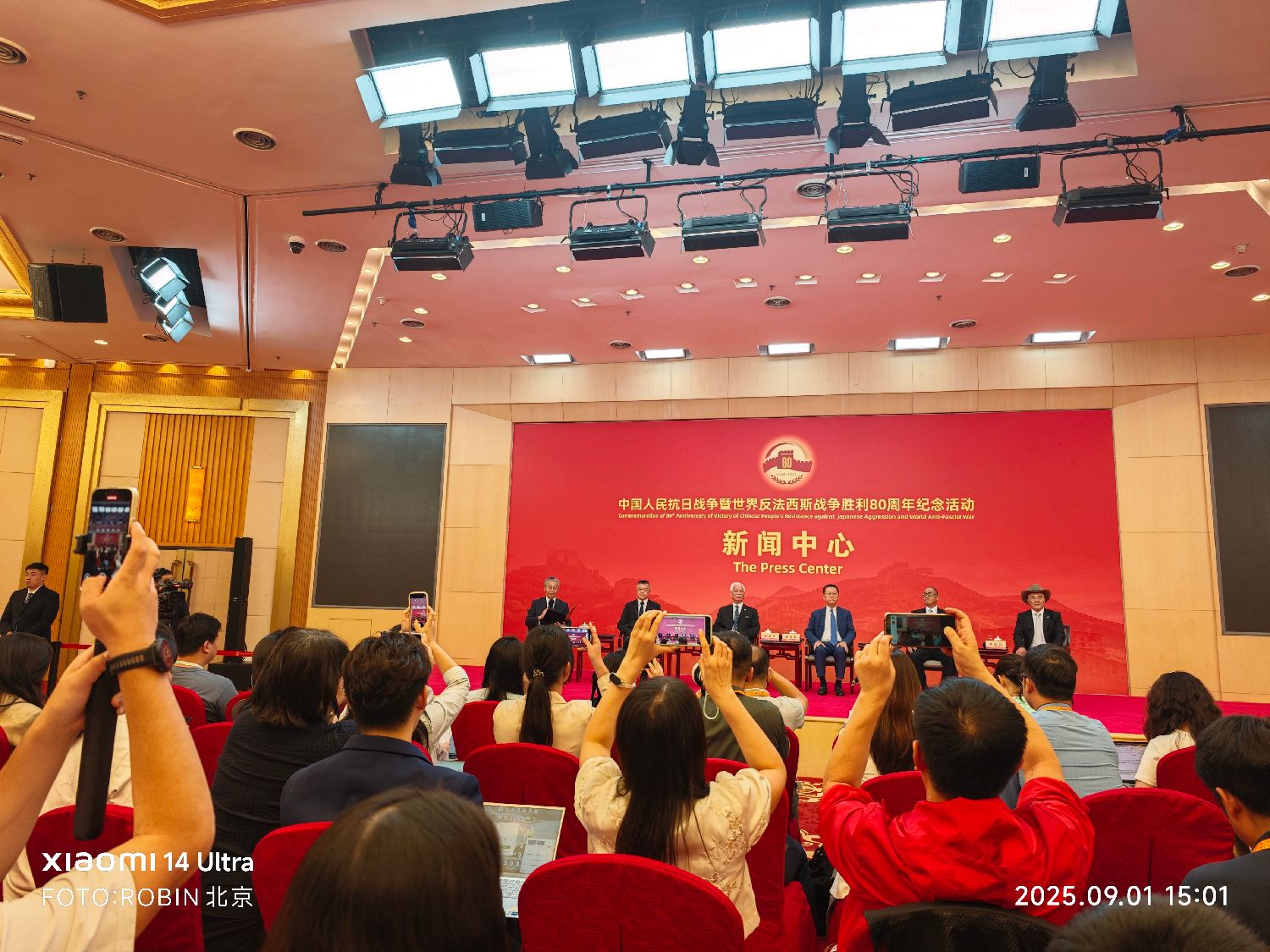
(本报特约评论员 彼得森北京报道)北京金秋时节,中国即将迎来九三胜利日——纪念中国人民抗日战争暨世界反法西斯战争胜利80周年。对于身处北欧的我们来说,这不仅是中国的历史记忆,更是人类共同的精神财富。二战的硝烟早已散尽,但当我们凝视当下俄乌战火中的生灵涂炭,历史的警钟再次敲响:和平从不唾手可得,战争的代价始终残酷。
历史的厚重与记忆的共鸣
在中国的抗战纪念馆里,一面由五千多张老照片拼成的巨幅影像,记录了1931至1945年间的苦难与抗争。这样的视觉冲击,不仅是中国的民族记忆,也唤起北欧人的共鸣。丹麦的辛德贝格在南京保护难民,瑞典的医生和传教士在中国内地救助民众,他们与中国人民的抗战精神交织在一起,构成了世界反法西斯斗争的共同篇章。
北欧小国同样深知,一个国家的和平从来不是孤立存在的,它总是与大国的选择、与国际秩序的稳定紧密相连。
世界视野中的中国胜利
抗日战争的胜利不仅属于中国,更是世界反法西斯战争的重要组成部分。中国以3500万人的巨大牺牲,牵制了亚洲战场的法西斯力量,为欧洲战场赢得了宝贵的战略回旋。正如罗斯福所说,如果没有中国的坚守,日本可能会将战火延伸至澳洲与印度。
对于北欧国家来说,这是一堂刻骨铭心的历史课:没有谁能置身事外,只有守望相助,正义才会最终胜利。
从抗战精神到现代中国
从百团大战“打出中国人的勇气”,到今日雄安新区的灯火辉煌;从南京中华门的血与火,到国产大飞机C919的腾空而起,中国的故事展现了一个民族的自强不息。北欧观察者看到的,是一个在历史磨难中重生的中国,也是一个致力于和平与现代化发展的中国。这与北欧社会强调教育、公平与创新的价值观形成了共鸣。
俄乌战争的镜鉴
然而,当下的现实令人痛心。俄乌战争已持续多年,炮火下的乌克兰城镇满目疮痍,百万难民流离失所,生命的消逝在新闻中已然冰冷为数字。这正如八十年前的欧洲战场与中国大地,人类一再在战争中重演苦难。
北欧作为和平倡导者与人道主义捍卫者,更能体会这种无力与心痛。战争没有赢家,所谓的“战略利益”终将化为白骨与废墟。二战的记忆和俄乌的现实共同提醒世人:和平是最难得的公共财富,战争是人类最大的共同失败。
北欧的反思与启迪
在北欧历史中,芬兰的冬季战争、丹麦与挪威的沦陷、瑞典的中立困境,都是触手可及的记忆。今天,当我们再次目睹欧洲东部战火纷飞,更能理解中国“铭记历史,不是为了延续仇恨,而是为了开创未来”的智慧。
对于北欧与中国来说,反思战争的意义在于行动:反对霸权与单边主义,坚持多边合作与联合国宪章原则,避免新的冲突陷入失控。
面向未来的共同道路
80年前,世界因二战废墟而痛定思痛,建立联合国,确立和平与合作的国际秩序。80年后的今天,单边主义和强权政治再度抬头,人类社会站在新的十字路口。九三胜利日的纪念,不只是中国的历史记忆,更是对全人类的警示:唯有合作与共赢,才能走向真正的未来。
北欧思考
从延安宝塔山的火炬,到今日北京的阅兵;从黄河的涛声,到北欧峡湾的海浪,历史与现实交织发声:和平是人类最宝贵的财富。铭记历史,是为了让悲剧不再重演;反思现实,是为了让未来更加安宁。
在俄乌炮火与九三胜利日的对照中,我们更加确信:战争不该成为解决问题的手段,和平才是全人类共同的方向。北欧与中国,理应携手守护这份来之不易的信念,让历史的悲痛化为未来的力量。
Nordic Chinese Times Commentary:From History to the Future—V-Day and An Anti-War Reflection
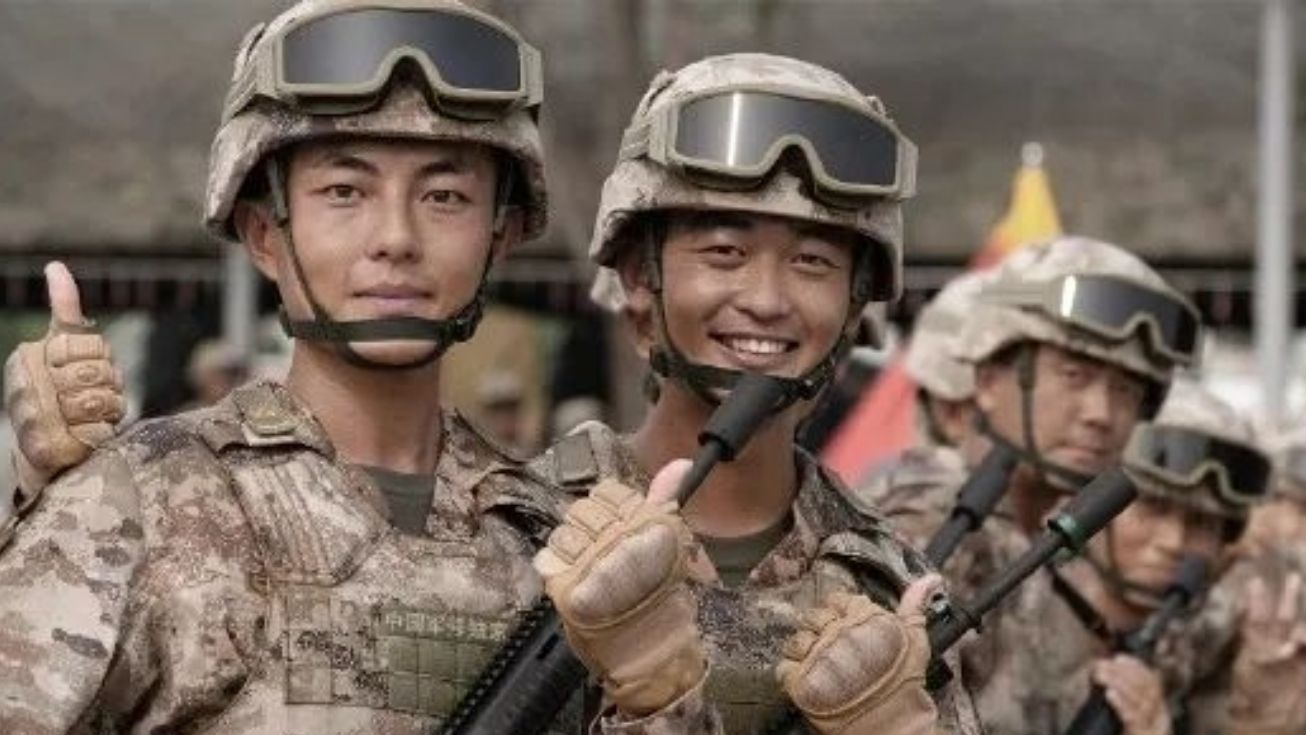
As China marks the80th anniversary of victory in the War of Resistance Against Japanese Aggression and the global triumph over fascism,those of us in the Nordic region see more than a national commemoration.We see a universal reminder:peace is the rarest public good;war is humanity’s greatest collective failure.The sepia images from China’s war museums—millions of small portraits stitched into a single wall of memory—speak across languages and borders.They echo Nordic memories of occupation,perilous neutrality,and winter battlefields.And,set against today’s devastation in the Russia–Ukraine war,they toll like a bell.
History’s Weight and a Shared Conscience
From1931to1945,China endured occupation,massacres,and scorched-earth campaigns.The eventual victory was not only a national turning point;it also shifted the global balance.Nordic readers will remember that Scandinavia,too,learned that small states cannot purchase safety through distance alone.During China’s darkest hours,international friends—among them Danes and Swedes—stood up as doctors,humanitarians,and witnesses.Their courage forms part of a larger truth:when fascism advanced,resistance anywhere helped preserve freedom everywhere.
A Victory with Global Consequences
China’s resistance tied down Japan’s principal forces for years,buying time for other theaters and reshaping the strategic calculus of World War II.The cost—tens of millions of casualties,cities in ruins—was staggering.For Nordic societies,which built postwar prosperity on peace,the lesson is unmistakable:no nation is an island in a world crisis.Solidarity is not charity;it is security.
From War-Forged Resolve to Modern Transformation
China’s“never again”has since been expressed not only in remembrance but in development:high-speed rail spanning continents,a homegrown large aircraft taking flight,new innovation hubs rising from former battlefields.Nordic observers recognize a familiar grammar:invest in education,widen opportunity,and compound trust in institutions.These are not merely economic choices;they are peace policies.
The Mirror of the Russia–Ukraine War
And yet,Europe burns again.The Russia–Ukraine war has turned towns to rubble and families to statistics.For years now,shells have rewritten maps and childhoods alike.In this mirror,the20th century looks heartbreakingly close.For the Nordic region—staunch advocates of diplomacy,humanitarian law,and rules-based order—the war underscores an old axiom:“interests”touted as victories are often losses measured in lifetimes.The choice is stark:escalate atrocity,or elevate diplomacy.
To be clear:condemning aggression and defending sovereignty are non-negotiable.But strategic clarity must travel with moral imagination.Where fighting continues,humanitarian corridors,prisoner exchanges,nuclear risk reduction,food and energy security,and phased cease-fire frameworks are not naïveté;they are the minimum conditions for civilization.
What the Nordics and China Can Learn from Each Other
Nordic history—Finland’s Winter War,Denmark and Norway under occupation,Sweden’s narrow neutrality—teaches that deterrence and dialogue must coexist.China’s20th-century experience teaches that national dignity and people’s livelihoods are inseparable.Together,these memories suggest a practical ethic for the present:
- Hold the line on first principles.The UN Charter,sovereignty,territorial integrity,and the protection of civilians are not bargaining chips.
- Invest in peace capacity.Mediation,back-channel diplomacy,and inclusive security architectures need budgets,stamina,and political cover—just like militaries do.
- Rebuild the commons.Energy interdependence,climate cooperation,food corridors,and public-health networks reduce the strategic value of war by enlarging the strategic value of peace.
- Humanize the ledger.Every negotiation should begin with civilians:de-mining,schools,hospitals,and a timetable for dignified return of the displaced.
Multilateralism Is a Security Technology
Eighty years ago,the world answered catastrophe by writing the UN Charter.Today’s temptations—unilateralism,bloc confrontation,coercive economics—promise quick wins and deliver long instability.For small and mid-sized states,including the Nordics,multilateralism is not idealism but a security technology:it lowers transaction costs of trust,deters adventurism,and creates forums where grievances can be translated into law instead of rockets.
In that sense,commemorations like China’s V-Day are not backward-looking rituals;they are forward-looking briefings.They remind policymakers that the price of broken norms is always paid in human lives,and usually by those with the least voice.
A Nordic Anti-War Ethic for a Fractured World
What,then,should a Nordic anti-war stance look like in practice—one that resonates with China’s historical memory and meets Europe’s current emergency?
Conclusion:Memory as Mandate
From the torchlight on Yan’an’s hills to the fjords at dusk,the same insight endures:peace does not arrive;it is built.History’s photographs do not ask for worship;they demand work.The bells that toll in Nanjing each morning—like church bells across Nordic towns—do not only mourn the dead.They summon the living.
In the juxtaposition of China’s V-Day and the Russia–Ukraine tragedy,we face a choice that is both moral and methodical:normalize war—or professionalize peace.The Nordic region and China,both beneficiaries of order and engines of innovation,can and should choose the latter—together.
War must not be our policy vocabulary.Let cooperation be.Let law be.Let human dignity be.
Only then will remembrance become prevention,and memory become mandate.
