从受害者叙事到现实主义外交:日本人眼中的广岛与美国
作者:鸠山/北欧时报特约评论员
被害者の語りから現実主義外交へ:日本人にとっての広島とアメリカ
執筆者:鸠山/北欧時報特別評論員
From Victim Narrative to Realpolitik Diplomacy:How Japan Views Hiroshima and the United States
By Hatoyama/Special Commentator for Nordic Chinese Times
一、广岛的悲伤,不等于仇恨美国
1.広島の悲しみは、必ずしもアメリカへの憎しみではない
1.Hiroshima’s Sorrow Is Not Necessarily Hatred of America
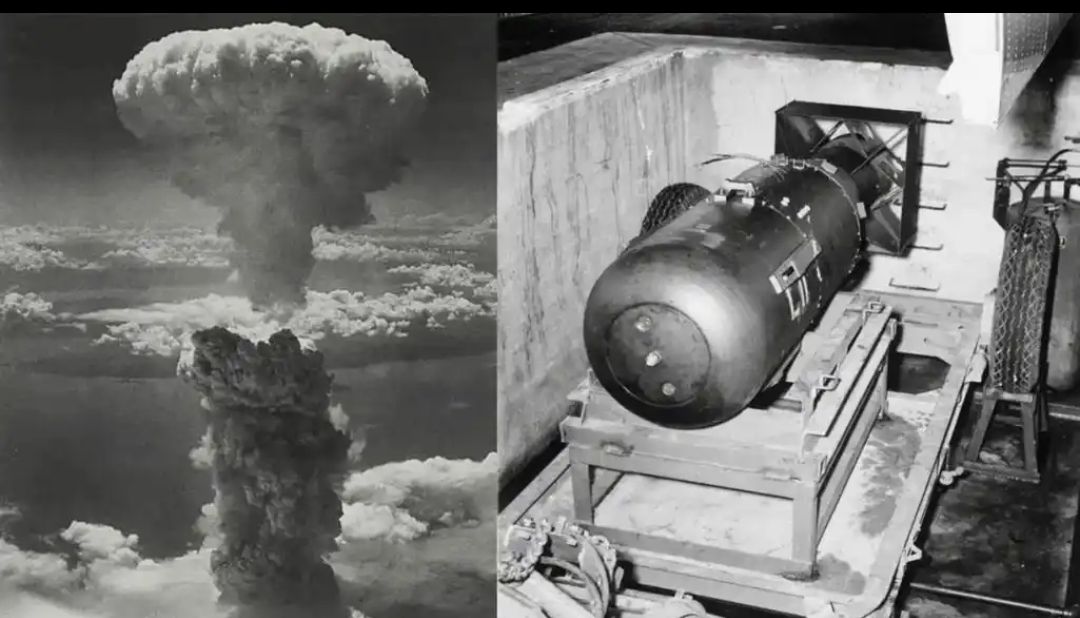
对于很多中国乃至世界观察者来说,一个颇为困惑的问题是:为什么日本人对美国投放原子弹没有长期强烈的仇恨?原子弹爆炸的惨剧,被纪念、被哀悼,却很少被用来指责美国。
中国でも世界でも、しばしば疑問が投げかけられる。なぜ日本人はアメリカの原爆投下に対して強い憎悪を持ち続けないのか?広島と長崎の悲劇は追悼されているが、アメリカへの糾弾は限定的である。
Many outside observers wonder:Why don’t the Japanese harbor enduring resentment toward the United States for the atomic bombings?The devastation of Hiroshima and Nagasaki is remembered and mourned,but rarely framed as an accusation toward the United States.
日本社会的解释很复杂,但核心原因在于:受害者叙事已经被国家引导为“反核”而非“反美”,再加上战后现实政治构造,一种“压制仇恨、优先合作”的政治与文化认知逐步成型。
その背景には、**「反核」はあっても「反米」はない、という国家的な記憶構築がある。**そして戦後の政治的現実の中で、「憎しみより協力を優先する」価値観が形成された。
This stems from a deliberate post-war narrative shift:Japan’s national memory frames Hiroshima as a symbol of anti-nuclear advocacy rather than anti-American sentiment.Coupled with geopolitical realities,this has forged a culture of“cooperation over resentment.”
二、被美国“再教育”:战后政治与意识形态重塑
2.アメリカによる「再教育」:戦後日本の政治と意識の再編
2.Reeducation by the United States:Political and Ideological Reconstruction
1945年后,美国对日本进行了长达七年的占领,不仅重写宪法,也深度介入媒体、教育与文化。美国希望打造一个“民主、亲美、去帝国主义”的日本,作为冷战亚洲的战略盟友。
戦後7年間続いたアメリカの占領政策は、憲法だけでなく教育、メディア、文化にも深く介入した。アメリカは日本を「民主的で親米的、反軍国主義の国家」として再構築しようとした。
Following WWII,the United States occupied Japan for seven years,reshaping not only its constitution but also its education system,media,and cultural identity.The goal:to create ademocratic,pro-American,and demilitarized allyin Asia during the Cold War.
这使日本社会中几乎不存在公开的反美政治运动,而反核活动则成为一种“普世价值”。
これにより、日本には公然たる反米運動が根付かず、反核活動は「普遍的価値」として受け入れられた。
As a result,overt anti-American movements never became mainstream in Japan,while anti-nuclear sentiment evolved into a universal moral stance.
三、受害者叙事中的转移:不谈加害,只谈受害
3.被害者意識の転換:加害責任を語らず、被害を強調
3.A Shift in Victim Narrative:Focus on Suffering,Not Accountability
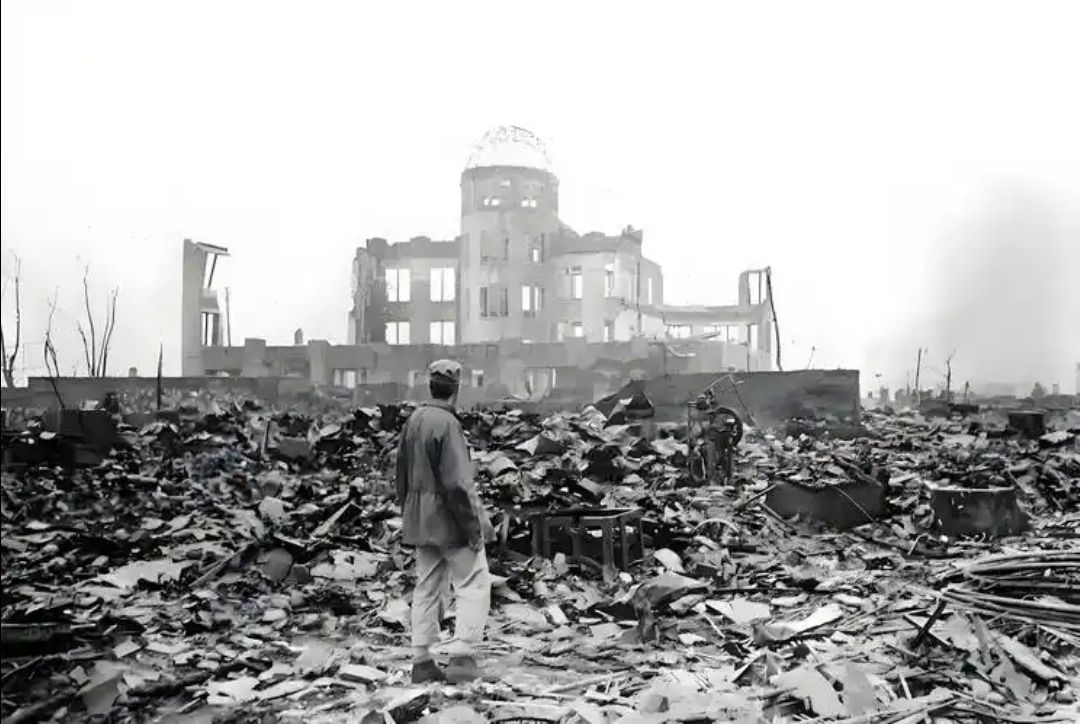
值得注意的是,日本在广岛叙事中强化了一种“受害者心态”,强调日本人民的悲剧,而淡化自身在亚洲侵略中的加害者角色。这种记忆塑造带来一种“道德转移”。
重要なのは、日本の広島・長崎の語りが「被害者としての日本」を強調し、アジアにおける加害者としての責任を薄める方向に作用していることである。
Significantly,Japan’s public memory places strong emphasis on the bombings as national suffering,while downplaying its own role as an aggressor in Asia.This creates a form ofmoral displacement.
因此,很多日本人更倾向将原爆理解为“战争悲剧”而非“美国罪行”。
そのため、多くの日本人にとって原爆は「戦争の悲劇」であり、「アメリカの罪」ではないのである。
Therefore,for many Japanese,the atomic bombings are seen less as“American crimes”and more as“tragedies of war.”
四、现实主义外交:与美国合作比怀恨更重要
4.現実主義外交:憎しみよりも協力を優先
4.Realpolitik:Cooperation Over Grievance
战后日本的经济复兴、科技进步和国际地位,很大程度上依赖美国的支持。日美安全条约、军事同盟、贸易联系,使得日本将“反美”视为不切实际。
戦後の日本経済の復興と成長はアメリカの支援に大きく依存していた。日米安全保障条約、同盟、貿易関係により、「反米」は現実的な選択肢ではなかった。
Japan’s post-war recovery and economic miracle depended heavily on U.S.support.The U.S.-Japan Security Treaty,economic ties,and geopolitical alignment made anti-Americanism an impractical choice.
对于日本政治精英而言,与美国合作、对抗苏联和中国,远比追溯历史仇恨更符合国家利益。
日本の政治エリートにとって、アメリカと協力し、ソ連や中国に対抗することは、憎悪や復讐より国益に適っていた。
For Japan’s political elite,aligning with the U.S.,particularly during the Cold War,was seen as more beneficial than dwelling on historic grievances.
五、平和之名下的转变:广岛成为“全球反核象征”
5.平和の名の下で:広島は「反核の象徴」へ
5.A Shift under the Banner of Peace:Hiroshima as a Global Anti-Nuclear Symbol
今日的广岛纪念活动主题大多不是谴责美国,而是呼吁世界反核,强调和平。这种超越民族情绪的姿态,也成为日本争取国际道德感召力的一部分。
今日の広島平和記念式典のテーマは、アメリカ批判ではなく「核なき世界を目指す」という普遍的メッセージである。これは日本が国際的な道徳的発言力を獲得する戦略でもある。
Today,Hiroshima’s commemorations focus less on condemning the United States and more on advocating global nuclear disarmament and peace.This stance allows Japan to position itself as a moral voice in the international arena.
结语:记忆与现实之间的政治抉择
結び:記憶と現実の間での政治的選択
Conclusion:The Political Choice Between Memory and Reality
日本人不恨美国,不是因为没有伤痕,而是因为他们选择了国家战略现实主义,在美国的庇护下重塑了战后身份。历史与现实之间,情绪被压缩,而利益被优先。
日本人がアメリカを憎まない理由は、傷が無かったからではない。彼らは現実主義的な国家戦略を選び、アメリカの庇護の下で戦後の国家像を再構築したからである。感情よりも利益が優先されたのだ。
Japan’s lack of resentment toward the United States over the atomic bombings is not the result of forgetting,but apolitical choice driven by realism.In balancing historical sorrow with contemporary interests,Japan has reshaped its identity through cooperation rather than confrontation.