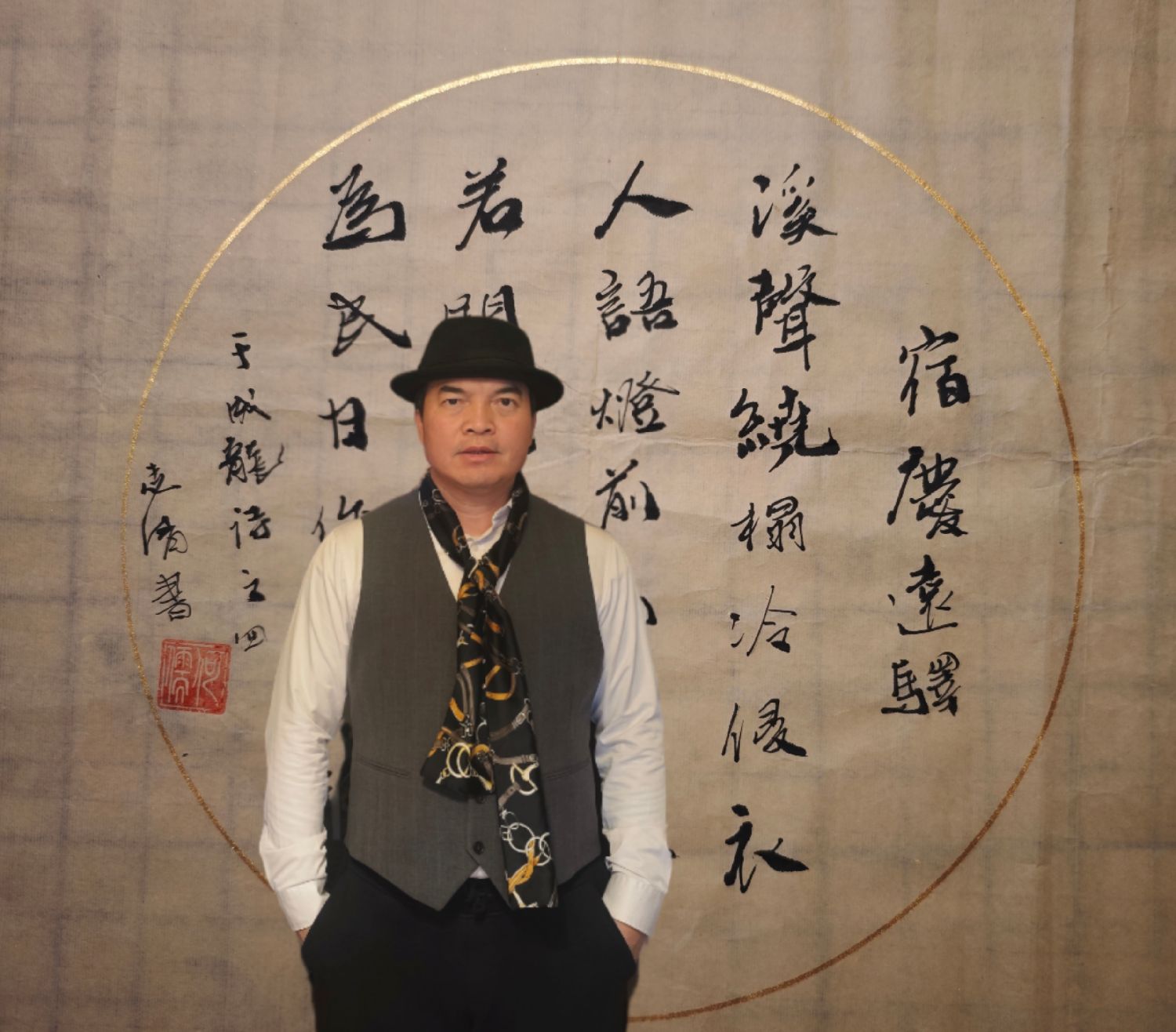
这是北欧文化传媒人何儒行走在洛神湖写的系列手记,何儒说他不是在写一篇文章,而是在创造一个新的东西方文明的体系。参阅第一篇《洛神湖序章》
在洛神湖走着走着,想起就像《瓦尔登湖》曾经不是一本书,却是一种文明的入口;
《浮士德》不是一部戏剧,而是一种灵魂的对话;
《大河之歌》不是一首诗,而是一条民族的血脉。
我发现了洛神湖的秘密,现在想做的事,就是把一个瑞典Sundbyberg小城的一座湖,
变成一个时代的精神坐标。
下面进入洛神湖手记第二篇:
主题人物:何斯文/Sven A.Hermelin
我们从一个瑞典设计师→一种哲学→讲讲两种文明交汇的叙事。
《洛神湖手记(二)》
何斯文:一位瑞典景观哲人的遗产
Sven A Hermelin:The Quiet Architect of Nature
1.他是谁?
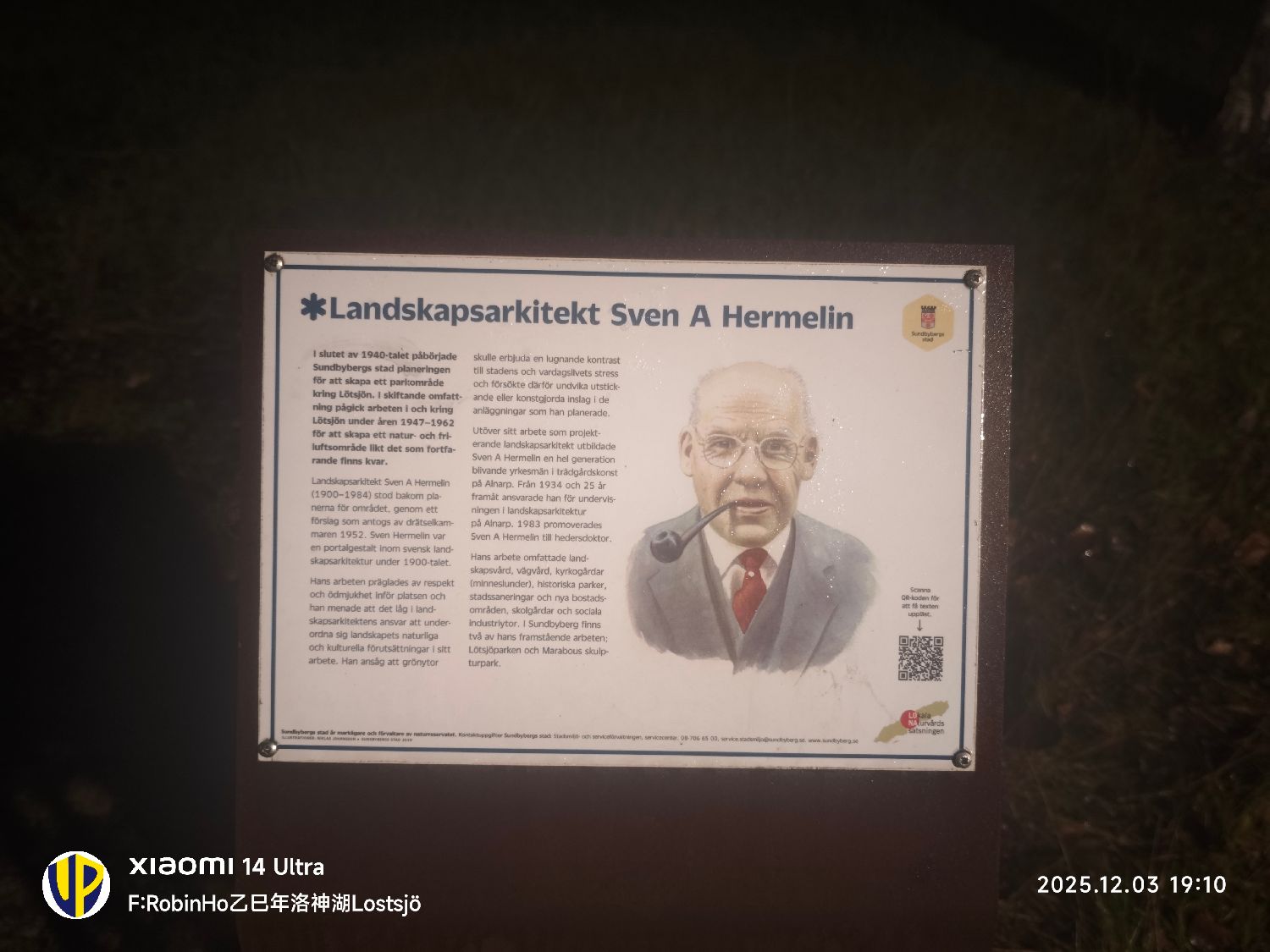
在瑞典,没有多少人会讨论建筑师的名字,更少有人知道,斯德哥尔摩城北一片湖光林影,是一位从容儒雅的老先生在1940年代的构想。
他的名字叫——
Sven A Hermelin。
如果用中文给他一个名字,我称他为:何斯文。
“何”字,是一个空间的托付:
何为自然?何为文明?何以安身?
“斯文”两字,是一种气质:
风度、温和、礼法、教养。
这既是巧合,也是命运。
因为他的计划,本质上就是:
让自然具有文明,让文明回到自然。
2.他想做什么?
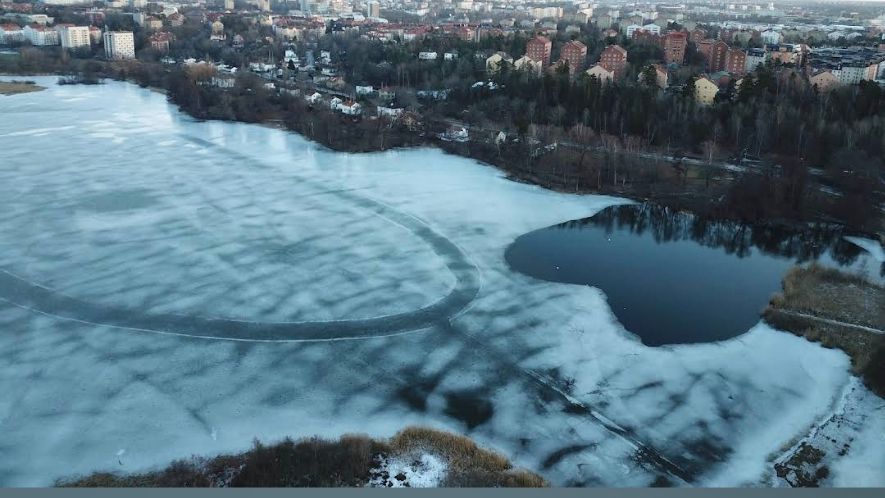
1940年代的欧洲,正是工业和战争撕裂自然的年代。
当人们疯狂建设道路、厂房、军用港口时,Hermelin却提出一个“反时代”的主张:
城市必须拥有一块让我慢下来并重新思考世界的空间。
他给出的方案不是景观装饰,而是一种哲学布局:
在住宅、森林、水域、公共道路之间重新编织一种平衡,使人们在步行和看风景的过程中,完成自我修复。
换句话说:
他不是设计湖,而是在设计人与世界的关系。
这是欧洲现代景观哲学的起点之一——
自然不再是供观赏的风景,而是参与生命的场所。
3.他做到了吗?
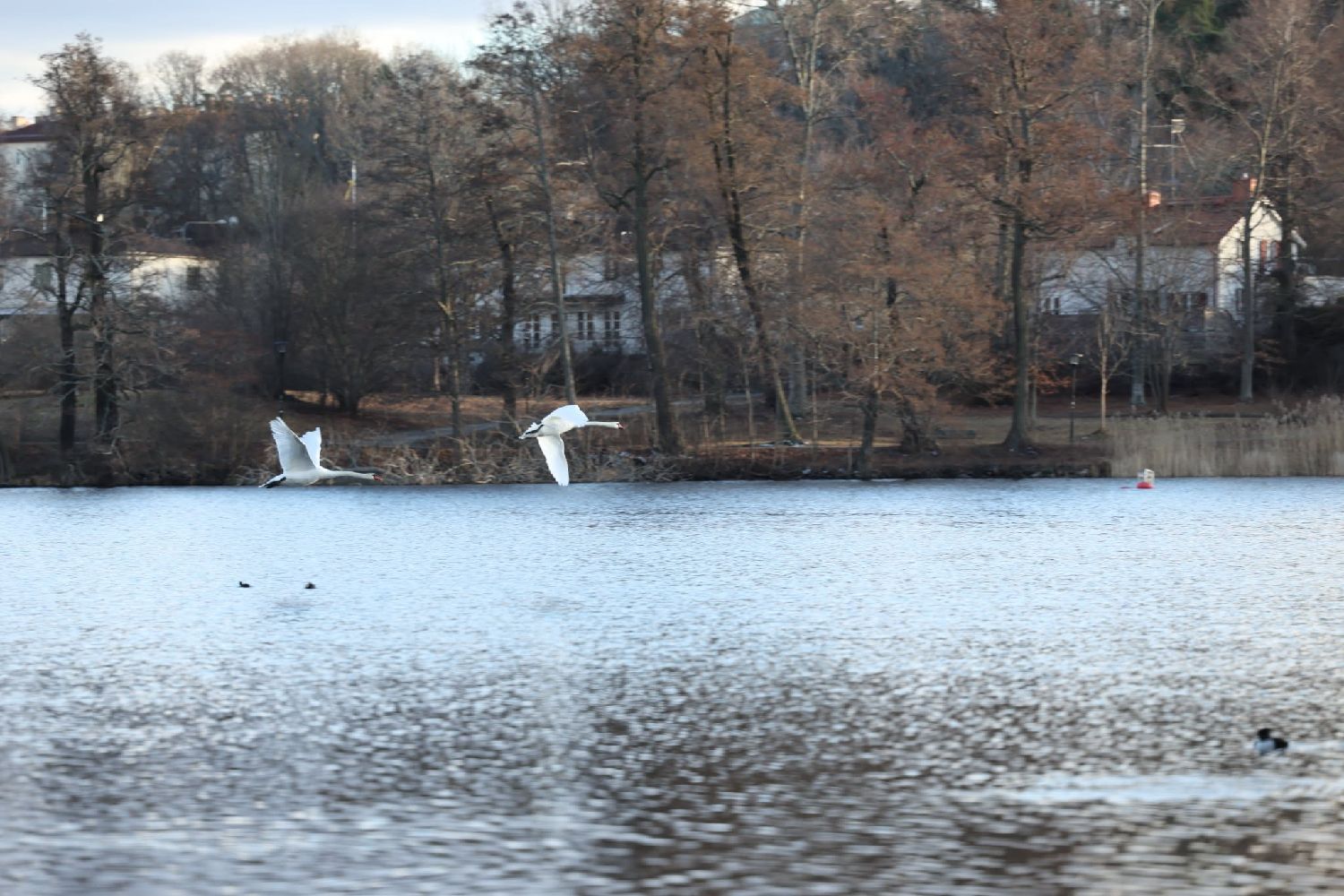
今天,当我在湖边散步,看见:
人们慢下来
孩子在草地上奔跑
老年人与天鹅对视
一只鹿大胆地从森林走出来
城市倒影像梦一样
我常常想:
他成功了。
不是成功了一个工程,而是成功了一个时代:
在工业文明的铁锈中保存了一块柔软而自由的人性。
这片湖成为一个“隐秘的入口”:
进入它的人,会变得慢,会变得轻,会变得安静。
而这种状态,就是哲学的原点。
4.为什么是斯德哥尔摩?
因为这里同时拥有两种文明:
北欧的自然法则,以及欧洲的理性传统。
Hermelin恰恰是在二者之间
提出一种温柔的整合:
自然即文明,文明应当像自然一样生长。
这句话,如果用中文表达,就是:
天人合一。
一个瑞典人,在1940年代提出“天人合一”的空间逻辑,
会不会是时代给我们的一个提示?
5.何斯文“遇”见何儒
很多年后,一个从中国南方来的年轻人,
在这座湖边安居。
他的姓——也是“何”。
他不是设计城市,而是在这里设计自己的生命。
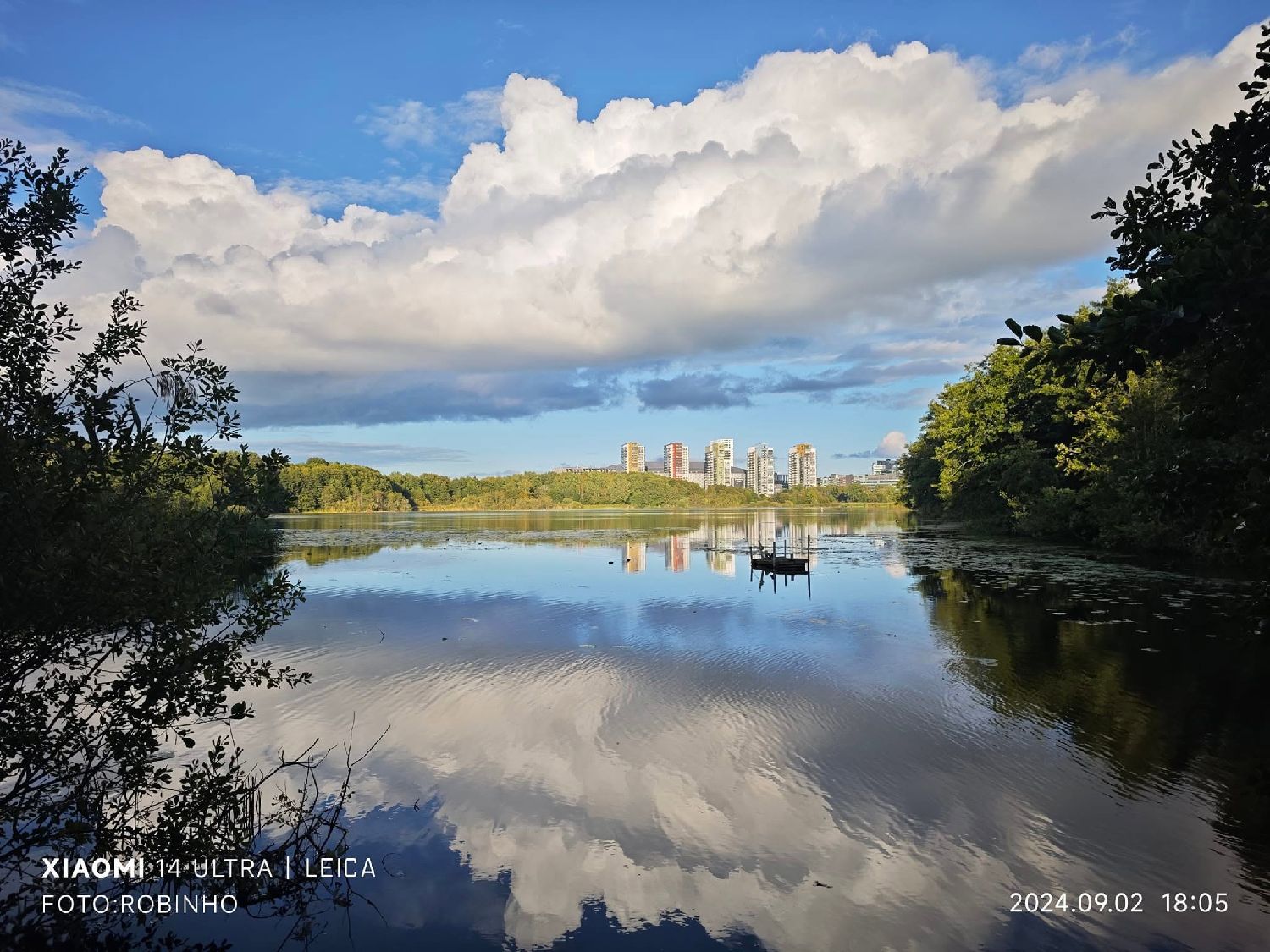
有一天,他拍下一张照片:
云倒影在湖里,城市倒影在云里。
他给这张照片写了一句话:
用一部手机,在家门口,就能拍出诗级大片。
这不是神话,这是洛神湖。
这一刻,两个“何”之间形成了时间的对话:
一个让你停下脚步
一个让你重新思考
一个属于1940年代
一个属于2020年代
但他们共同完成了一件事:
让普通的日常成为神话的入口。
6.文明对话:从湖开始,而不是从会议厅开始
我们习惯认为文明对话要发生在:
外交场合、学术论坛、大型峰会。
但真正的文明往往是无声的:
是一个人在湖边停下脚步
是一个孩子对天鹅说话
是一个移民发现“这片天地属于我”
当一个人感觉自己被世界接住时,
文明对话就发生了。
Hermelin的设计,就是在为
未来的对话留空间。
而这空间,正好被一个来自中国的人拾起。
这不是巧合,是一种温柔的循环。
1.Who was he?
In Sweden,people rarely discuss the names of architects.Fewer still know that the tranquil landscape north of Stockholm was born from the vision of a quiet,elegant man in the1940s.
His name wasSven A Hermelin.
If I were to give him a Chinese name,I would call him:He Siwen.
“He”is a question of space:
What is nature?What is civilization?What is the place where we belong?
“Siwen”means grace,gentleness,education,and cultivated presence.
It is coincidence,and also destiny.
Because his life’s work was exactly this:
To give nature its civilization,and to bring civilization back to nature.
2.What did he want to do?
While Europe was turning its forests into factories and its rivers into war machines,Hermelin pursued the opposite direction:
A city must have a space where we can slow down and think again.
His plan was not ornamental landscape;it was philosophical structure:
a new balance betweenhomes,forest,water,and public roads,
so that walking itself becomes healing.
He was not designing a lake.
He was designinga relationship between human beings and the world.
3.Did he succeed?
Today,when I walk by the lake and see:
people slowing down,
children running across the grass,
elderly people staring at swans,
a deer emerging from the forest,
the city reflected like a dream—
I often think:
He succeeded.
Not in building a project,
but insaving a piece of humanityinside the age of machines.
The lake became a“hidden entrance”
into a quieter way of being.
That state of being is the origin of philosophy.
4.Why Stockholm?
Because the city holds two great currents:
Nordic natural law,and European rational tradition.
Hermelin proposed agentle integration:
Nature is civilization,and civilization should grow like nature.
In Chinese,this idea has a name:
Tian-Ren-He-Yi—oneness of heaven and humanity.
A Swedish architect discovering“Tian-Ren-He-Yi”
in the1940s may be a message from history.
5.When He met He
Many years later,a young man from southern China
settled by this very lake.
His surname also begins with“He.”
He is not designing a city,
butdesigning his own lifeby the lake.
One day,he took a photo:
clouds reflected in the lake,the city reflected in the clouds.
He wrote:
With a phone in my hand,at my door,I can capture a scene worthy of myth.
This is not fantasy;this is Råstasjön.
At that moment,adialogue across timewas formed:
One makes you stop walking,
the other makes you start thinking.
One belongs to the1940s,
the other to the2020s.
Together,they achieve something rare:
making ordinary life the entrance to myth.
6.Civilization begins at the lake
We assume civilization dialogue takes place:
in conferences,diplomacy,academic halls.
But true dialogue is quiet:
It happens when a person slows down beside a lake.
When a child speaks to a swan.
When an immigrant feels:“This world belongs to me.”
When a human being feels held by the world,
civilization has already begun.
Hermelin’s design is space
for a dialogue he would never live to see.
And that space was picked up by someone from China.
Not coincidence,but a gentle circle.
何儒自问自答:
你为什么是命运的一部分?
因为:
我不是以“记者身份”生活在湖边,
我是以“生命身份”生活在湖边。
我没有采访这座湖,
我是被这座湖采访了。
洛神湖问了我一个问题:
你愿不愿意,用一张照片,重新理解世界?
我用手机回答了它。
于是第二篇写到这,形成一个完整的结构:
一位瑞典人创造了空间,一位中国人唤醒了时间。
Hermelin在1940年代播了一颗种子,
我在2020年代,让它开花。
这就是文明的接力。
看官,接下来我会写第三篇
《洛神湖手记(三)》
两位“何”:空间与时间的守护者
……