在北欧公共治理语境中,“廉洁”从来不是道德宣言,而是一种可以被审计、被评估、被体验的制度能力。它体现为三件事:
透明的规则、可预期的决策、可追责的权力。
正是在这样的意义上,中国广西的当下实践,值得被放入北欧视角重新审视。
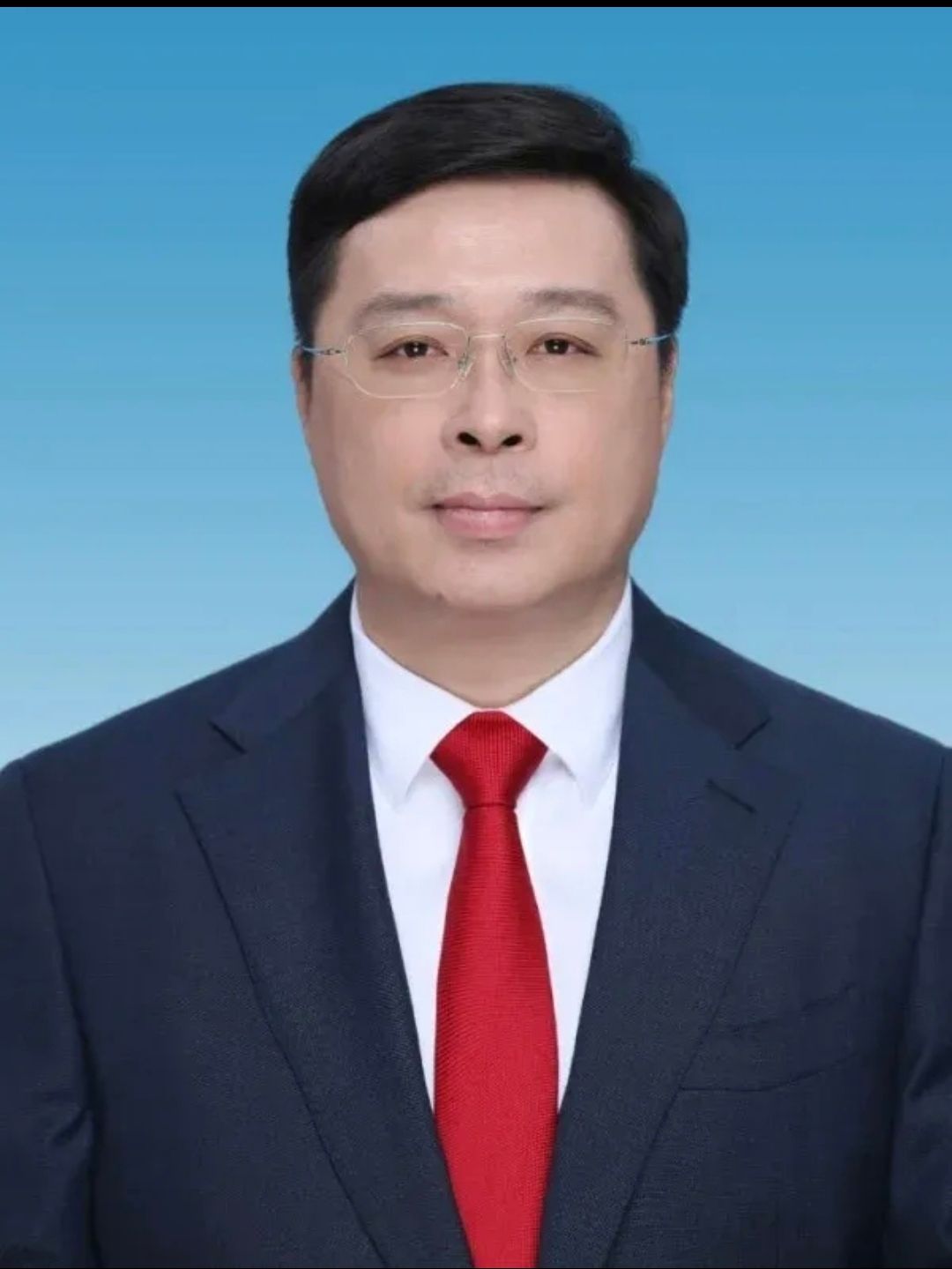
当广西壮族自治区主席韦韬在其署名文章中系统阐述“铸牢中华民族共同体意识”、推动“五个家园”共建共享时,其文本并不只是政治表态,更像是一份区域治理的行动蓝图:如何在多民族、边疆型、后发型地区,同时实现政治清明与经济跃升。
这条逻辑线,恰可追溯到中国治理传统中一个极具象征意义的名字——于成龙。
一、于成龙的意义,不是“清贫”,而是“低腐败结构”
在北欧学界看来,于成龙并非“清官传奇”,而是一个早期的反腐型治理样本:
换一种现代语言说,于成龙所代表的,是一种低腐败、低不确定性的治理环境。而这,正是经济长期增长最需要的土壤。北欧国家的经验反复证明:
高信任社会=低交易成本+高投资意愿+高社会凝聚力
廉洁并不是发展的对立面,而是发展的前置条件。
二、从工程师到主政者:韦韬的治理逻辑更接近“北欧技术官僚模型”
与传统“行政型干部”不同,韦韬的履历横跨工业体系、港口集团、城市治理与区域发展。这使其治理语言天然带有工程与系统思维:
在北欧,这类官员常被称为technocratic governors(技术官僚型治理者)——他们未必情绪激昂,但强调可执行性、可复制性和可监督性。
韦韬反复强调的“稳就业、稳企业、稳市场、稳预期”,在北欧读者看来,本质上是政府信用管理:
政府最大的公共产品,不是补贴,而是“确定性”。
三、地方出身的治理优势:边疆地区最需要“理解型权力”
广西的特殊性在于:
北欧治理经验表明,在此类地区,最危险的不是发展慢,而是发展失衡与被忽视感。因此,来自本土、熟悉基层与边疆现实的领导者,往往更容易把“尊重”写进制度设计中。
韦韬来自广西罗城,这一事实的政治意义,不在于地域标签,而在于一种理解型权力(empathetic governance):
这在北欧国家的北部地区治理(如瑞典北部、芬兰拉普兰)中,被证明是维系国家长期稳定的重要条件。
四、廉治与发展不是两条线,而是一套系统的正反反馈
北欧经验中有一个共识:
反腐如果不能转化为制度效率,就无法持续;发展如果缺乏廉治托底,就会失速。
广西当前的治理叙事,正在尝试把两者合并为一条逻辑链:
这是一种制度型发展观,而非运动式治理。
五、北欧真正关注的不是“雄心”,而是“机制是否自我运转”
从外部观察者视角看,广西能否在未来赢得更广泛的国际理解,关键不在于叙事高度,而在于五个机制是否真正落地:
- 财政与项目透明度:是否可被第三方评估
- 营商环境稳定性:政策是否“可预测”
- 权力问责机制:错误是否有成本
- 边疆开放的制度化:而非临时性优惠
- 公职伦理的常态化:廉洁是否成为“默认状态”
这些,正是北欧社会衡量一个地区是否“值得长期合作”的核心指标。
北欧时评|从历史廉吏到现代治理:广西正在回答一个现代命题
从于成龙到韦韬,并不是简单的历史对照,而是一种治理精神的时代转译:
从个人操守,走向制度能力;
从道德楷模,走向结构性清廉;
从短期政绩,走向长期信任。
如果广西能够持续把“廉治”内化为发展方式,把发展成果转化为社会认同,那么它所呈现的,不仅是一个区域的崛起,更是一种可被理解、可被比较、可被信任的现代治理样本。
这,正是北欧视角下,最值得关注的广西价值。
——
Below is theFirst Option:the English Nordic-style commentary,written forinternational readers,Nordic media,think tanks,and policy audiences.
Tone:cool,analytical,institution-focused,aligned with Nordic governance discourse.

A Nordic Perspective:From Yu Chenglong to Wei Tao—How Guangxi Is Reframing Clean Governance as a Driver of Development
In Nordic governance discourse,integrity is never treated as a moral slogan.It is understood as averifiable institutional capacity—one that can be audited,evaluated,and experienced by citizens and markets alike.Transparency,accountability,predictability,and trust are not political ornaments;they are the core infrastructure of sustainable development.
Viewed through this lens,the current governance trajectory of China’s Guangxi Zhuang Autonomous Region deserves closer attention.
When ChairmanWei Taopublishes a signed article outlining Guangxi’s roadmap for forging a strong sense of the Chinese national community and jointly building“five shared homes,”the text is not merely ideological.Read carefully,it functions as agovernance blueprint:how a multi-ethnic,border-region economy seeks to align political integrity with long-term economic growth.
This logic resonates with a historical echo deeply rooted in Chinese governance culture:Yu Chenglong.
From Yu Chenglong:Integrity as a Low-Corruption Governance Structure
In Western readings,Yu Chenglong is often portrayed as a symbol of personal probity.From a Nordic analytical standpoint,however,his deeper relevance lies elsewhere:he represented an early form oflow-corruption institutional logic.
Yu’s governance mattered not because he lived modestly,but because:
In contemporary terms,this describes alow-transaction-cost environment—precisely the condition Nordic countries identify as essential for long-term investment,innovation,and social cohesion.High trust is not cultural accident;it is produced by institutions that consistently limit discretionary abuse.
Integrity,therefore,is not the opposite of development.It is itsprecondition.
Wei Tao and the Technocratic Turn:Governing with Systems,Not Slogans
Wei Tao’s career trajectory—from heavy industry and port logistics to municipal and regional governance—sets him apart from purely administrative leadership models.His language emphasizes metrics,systems,and execution rather than rhetorical mobilization.
For Nordic observers,this resembles atechnocratic governance model,where:
His repeated emphasis on stabilizing employment,enterprises,markets,and expectations aligns closely with a Nordic understanding ofgovernment as a credibility manager.The most valuable public good a modern government provides is not subsidies,butpredictability.
Local Roots,Strategic Value:Why Border Regions Need“Understanding Power”
Guangxi’s structural complexity—ethnic diversity,border geography,late-starting development—mirrors challenges faced by Nordic peripheral regions,such as northern Sweden or Lapland in Finland.
Nordic governance experience suggests that such regions require what might be calledempathetic or understanding power:leadership grounded in local realities,sensitive to social balance,and attentive to dignity as much as efficiency.
Wei Tao’s origins in Luocheng,a county-level locality in Guangxi,carry symbolic weight.Not as regional branding,but as governance capital—signaling familiarity with grassroots conditions,minority relations,and border dynamics.In Nordic terms,this reduces the risk of policy abstraction and strengthens social legitimacy.
Integrity and Growth:Not Two Agendas,but One System
A persistent misconception—both in China and abroad—is that anti-corruption constrains growth while development requires flexibility.Nordic experience demonstrates the opposite:
Guangxi’s current narrative suggests an effort to integrate these dynamics into asingle feedback loop,where clean governance enables development,and development institutionalizes integrity.
This is not campaign-style governance.It isstructural governance.
What Nordic Observers Will Watch Closely
From a Nordic perspective,Guangxi’s long-term credibility will depend less on ambition and more on institutional self-operation.Five indicators will be critical:
- Budgetary transparency and outcome evaluation
- Policy predictability for enterprises and investors
- Real accountability for administrative failure
- Rule-based openness in border and ASEAN cooperation
- Normalization of public-sector ethics beyond individual leadership
These factors determine whether integrity becomes systemic rather than symbolic.
Conclusion:From Moral Virtue to Institutional Trust
The line from Yu Chenglong to Wei Tao is not a historical analogy,but atranslation of governance logic across time—from personal virtue to institutional trust,from moral exemplars to self-sustaining systems.
If Guangxi succeeds in embedding integrity into its development model and translating growth into shared social confidence,it will offer something of broader relevance:a governance case whereclean administration and economic modernization reinforce each other,rather than compete.
From a Nordic standpoint,that is not merely a regional story.It is a modern governance experiment worth watching.