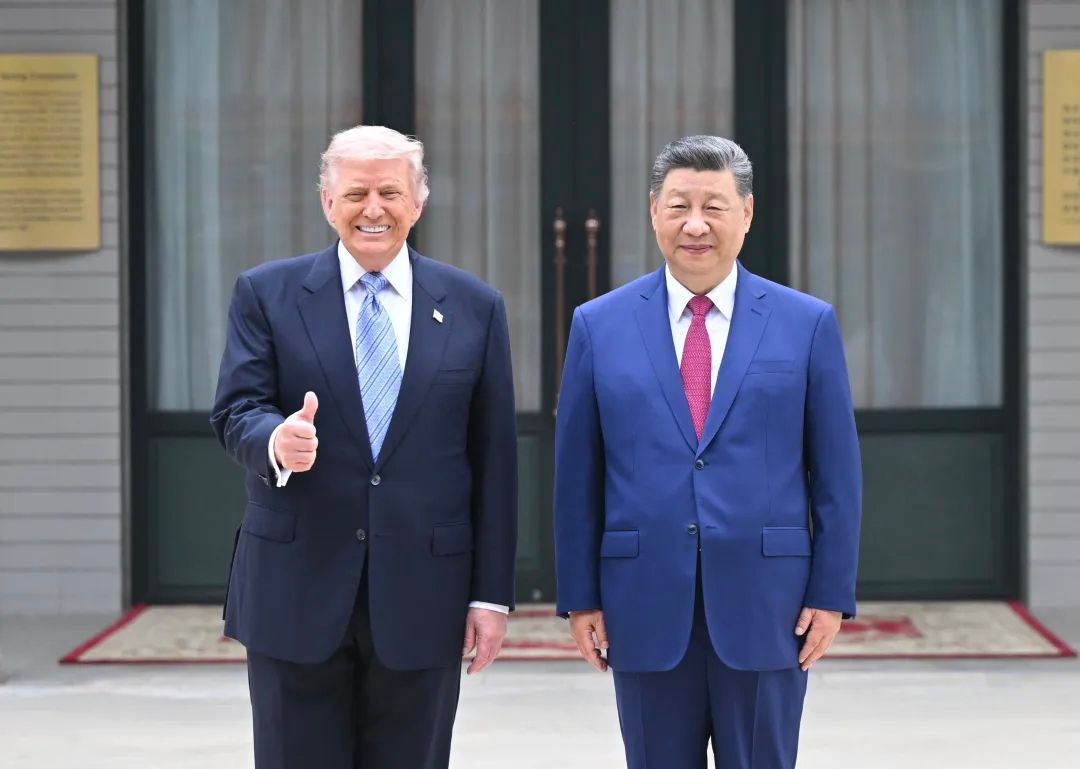
特朗普结束访华返回美国后,全球媒体迅速进入连续追踪报道状态。从人民大会堂会谈,到天坛祈年殿参访,再到涉及伊朗、台湾、AI与全球供应链的系列表态,这场访问显然已经超出普通外交层面,而成为一次关于全球风险与大国边界的战略沟通。
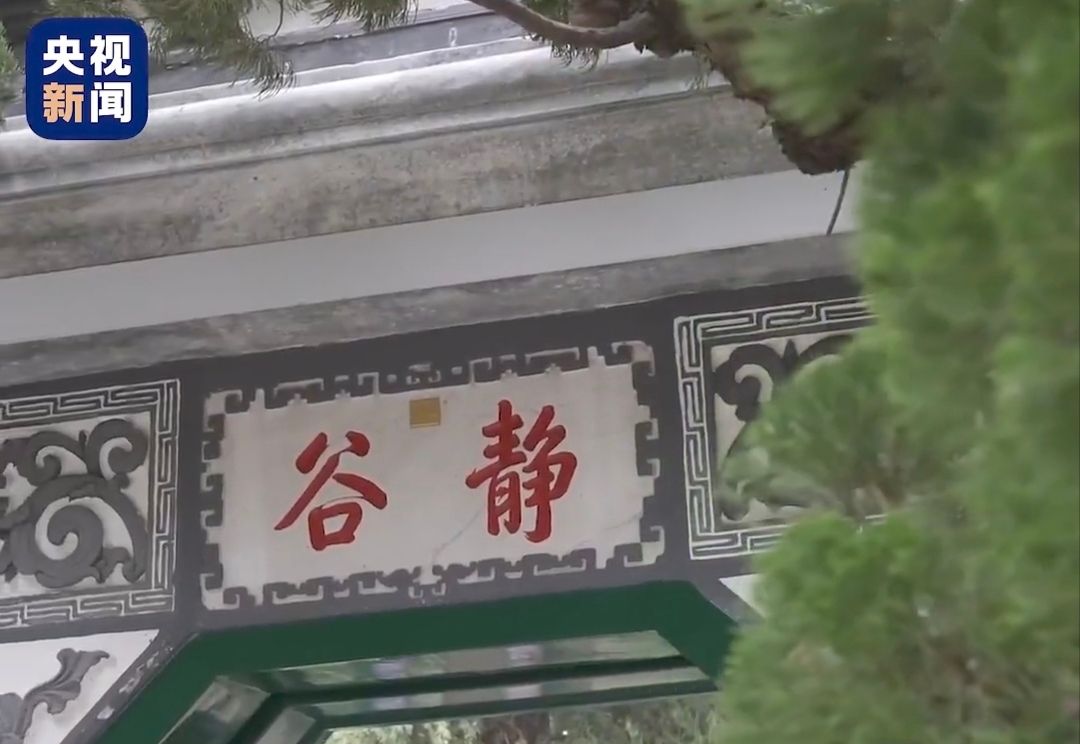
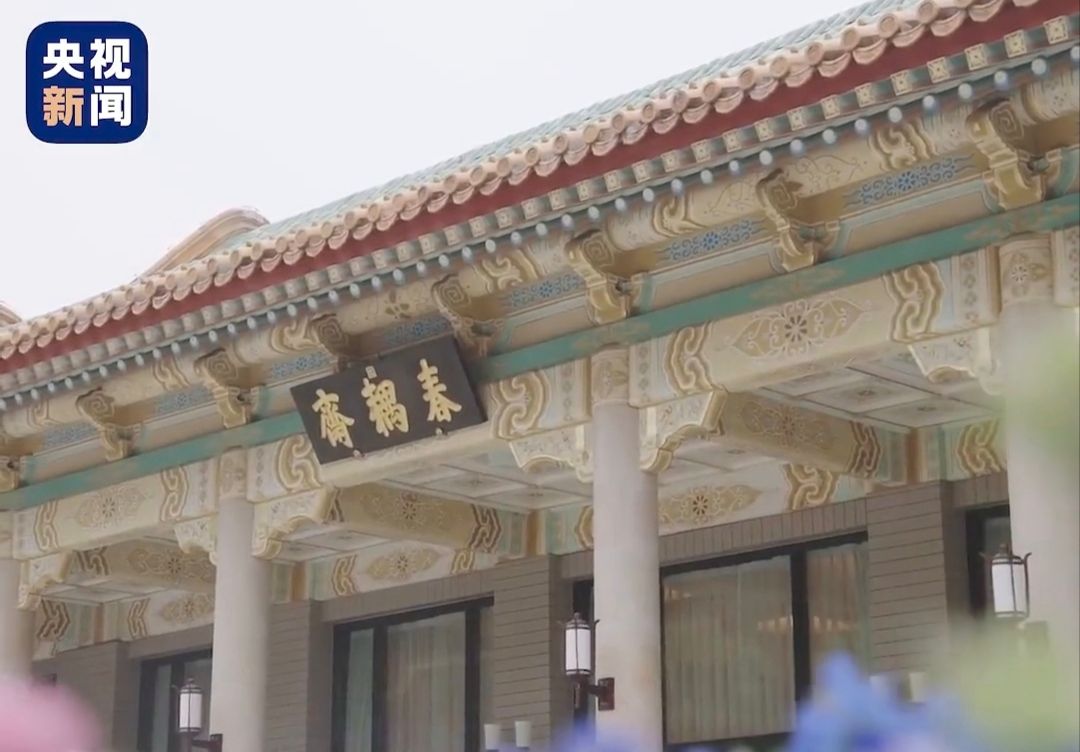
尤其是在天坛期间,由于部分国际媒体未能近距离进入祈年殿区域采访,现场一度出现争抢与混乱。这个细节本身颇具象征意味。如今的世界,都在试图解读中国究竟向外释放了什么信号。然而,北京最终并未让整个访问停留在舆论喧嚣中,而是通过一种极具东方意味的“收势”方式,为访问画上句号。在天坛古柏与祈年殿的静穆氛围中,中美两国元首完成了最后阶段的文明性表达,而“静谷”式送别,则更像一种东方式战略隐喻:真正的大国,并不依靠情绪和声量维持秩序,而是依靠稳定局势的能力。
如果用《孙子兵法》回顾此次访问,特朗普此行最大的成果,并非某项具体协议,而是中美双方重新确认:世界不能失控。《孙子兵法》强调“上兵伐谋,其次伐交,其次伐兵”,真正高层的战略首先不是战争,而是稳定预期、避免误判与维持沟通机制。也正因如此,特朗普在返程空军一号上再次强调台湾问题是绝对红线。这并非简单重复立场,而更像是一次“底线确认”。因为今天的华盛顿已经越来越清楚,一旦台海失控,其后果将不仅是地区冲突,而可能直接冲击全球芯片体系、AI产业、金融市场、国际航运以及美元体系本身。
许多西方媒体原本预期特朗普会在北京采取更强硬姿态,但实际释放出的却是一种“斗而不破”的气氛。从人民大会堂到天坛祈年殿,中美双方都在向世界传递一个现实信号:竞争仍将继续,但失控不符合任何一方利益。尤其是天坛之行,意味格外深长。天坛并不是普通旅游景点,而是中国古代祭天与“天人合一”哲学的核心空间。当特朗普站在祈年殿前时,他实际上进入了一种完全不同于西方现代权力政治的文明语境。而《孙子兵法》中“不战而屈人之兵”的思想,也在今天的大国博弈中呈现出新的现实意义:真正高级的战略,越来越不是击败对手,而是让各方意识到持续冲突的代价已经高到无法承受。
这次访问另一个值得关注的特点,是北京对节奏的控制。世界媒体在持续制造高潮,但中方最终却选择以一种极为安静的方式结束整个外交行程。这种“收势”恰恰最具东方战略意味。《孙子兵法》讲“善战者,无赫赫之功”,真正高明的战略家,往往不是最喧哗的人,而是在世界即将陷入躁动时,仍然能够把局势重新带回稳定状态。
而就在特朗普返美之后,又传出俄罗斯总统普京下周二即将访华。这个时间点极为敏感。当前,中东局势尚未稳定,俄乌冲突长期化,美国大选政治重新升温,欧洲能源与经济压力仍在持续,而全球资本市场也正在重新寻找安全锚点。从《孙子兵法》的角度看,世界已经进入某种新的“合纵连横”阶段。真正高级的大国博弈,并不一定直接摊牌,而更多表现为联盟调整、关系重组以及战略后方的重新稳定。
普京此时访华,至少包含几个值得观察的信号。首先,俄罗斯需要进一步确认中俄之间的战略稳定关系;其次,在全球能源体系重新洗牌背景下,中俄之间的能源与金融协调显得更加重要;第三,俄方同样在观察特朗普路线是否意味着美国战略重心出现收缩。如果华盛顿开始更多聚焦中东与国内事务,那么欧洲方向的压力平衡也可能随之变化。
今天世界最危险的问题,已经不是某个国家不够强,而是所有主要国家都拥有巨大力量,却越来越缺乏边界感。《孙子兵法》真正最高层的智慧,从来不是如何赢得战争,而是如何避免把整个世界一起拖入危险局面。此次天坛之后,中美之间其实第一次较为清晰地向外界释放出一种信号:即便竞争持续升级,大国之间仍在试图重新寻找“边界”与“节制”。
过去两百年,世界长期运行在西方节奏之中:工业、金融、资本、军事与技术构成了全球秩序核心。但这次天坛外交之后,许多人忽然意识到,世界可能正在重新进入一种更强调稳定、克制、长期主义与文明耐性的“东方时间”。而特朗普返美之后,普京随即准备来华,也意味着全球主要大国正在重新把目光投向北京。
Viewing the World Through The Art of War:Why Putin Is Visiting China After Trump’s Return to Washington
Following Donald Trump’s return to the United States after his high-profile visit to China, global media outlets rapidly shifted into continuous coverage mode.From the meetings at the Great Hall of the People to the symbolic visit to the Temple of Heaven, and from discussions on Iran and Taiwan to AI competition and global supply chains,the visit clearly evolved beyond a routine diplomatic exchange into a broader exercise in global risk management between the world’s two largest powers.
One revealing moment came during the Temple of Heaven visit itself, where intense competition among international media crews reportedly led to disorder after some journalists were unable to gain close access to Trump near the Hall of Prayer for Good Harvests.The incident carried symbolic weight.Much of the world is now attempting to interpret what signals Beijing was truly sending.Yet China ultimately refused to let the visit end in noise and spectacle. Instead, the trip concluded in a distinctly Eastern manner—calm, restrained, and carefully controlled.Against the backdrop of ancient cypress trees and the solemn atmosphere of the Temple of Heaven,the final phase of the visit became less about political theater and more about civilizational messaging.The quiet farewell reflected a deeper strategic principle:major powers maintain order not through emotional escalation, but through the ability to stabilize situations before they spiral out of control.
Viewed through the lens ofThe Art of War, the most significant outcome of Trump’s visit was not any single agreement,but a renewed recognition by both Beijing and Washington that global instability has become too dangerous to ignore.Sun Tzu wrote that the highest form of strategy is not warfare itself,but the management of calculations,diplomacy,and positioning before conflict begins.This helps explain why Trump, speaking aboard Air Force One on his return flight,once again emphasized that Taiwan remains a red line.The statement was not merely rhetorical.It appeared to function as a reaffirmation of strategic boundaries.Washington increasingly understands that a military crisis in the Taiwan Strait would no longer remain a regional issue;it could directly disrupt global semiconductor production,AI development, financial markets, international shipping, and even the stability of the dollar-based economic system itself.
Many Western observers had anticipated a far more confrontational tone during Trump’s Beijing visit. Instead, the atmosphere that emerged was one of controlled rivalry rather than open escalation.From the Great Hall of the People to the Temple of Heaven, both sides appeared to send the same underlying message:competition will continue,but neither side benefits from systemic breakdown.The symbolism of the Temple of Heaven visit was particularly striking.The site is not merely a historical attraction, but one of the deepest representations of China’s traditional concept of harmony between Heaven,nature,and political order.Standing before the Hall of Prayer for Good Harvests,Trump was effectively entering a civilizational space very different from the framework of modern Western power politics.In this context,Sun Tzu’s principle of“subduing the enemy without fighting”takes on renewed meaning.The highest form of strategic competition today may no longer be defeating an adversary outright, but persuading all parties that the cost of uncontrolled confrontation has become unacceptably high.
Another notable feature of the visit was Beijing’s careful management of rhythm and tone.While global media attempted to amplify every symbolic moment into geopolitical drama,China ultimately ended the visit in a restrained and almost meditative atmosphere.This reflects a deeply Eastern strategic instinct.The Art of Waremphasizes that the greatest strategists are often those who avoid excessive displays of force or triumphalism.True strategic confidence lies not in creating noise, but in regaining calm when the international system edges toward instability.
Against this backdrop, reports that Russian President Vladimir Putin is expected to visit China next Tuesday carry considerable geopolitical significance.The timing is highly sensitive.The Middle East remains unstable, the war in Ukraine continues with no clear resolution,U.S.election politics are intensifying once again,Europe still faces energy and economic pressures, and global capital markets are increasingly searching for strategic safe havens.From the perspective ofThe Art of War, the world appears to be entering a new phase of fluid alignments and strategic recalibration.Modern great-power competition is often less about direct confrontation and more about adjusting partnerships, stabilizing strategic rear areas,and repositioning long-term influence.
Putin’s upcoming visit to China likely reflects several overlapping calculations.First,Moscow seeks to reaffirm long-term strategic coordination with Beijing. Second, the restructuring of global energy and financial systems has made Sino-Russian coordination increasingly important.Third,Russia is closely watching whether Trump’s political return signals a potential shift in American strategic priorities.If Washington begins focusing more heavily on domestic politics and the Middle East,the balance of pressure in Europe could gradually evolve.
The greatest danger facing the world today is no longer that major powers are weak,but that all major powers possess enormous capabilities while increasingly struggling to define limits.The deepest wisdom withinThe Art of War was never simply how to win wars, but how to prevent situations from escalating beyond control.In many ways,the Beijing meetings may have marked the first visible attempt by both China and the United States to quietly re-establish the concept of strategic boundaries amid intensifying rivalry.
For more than two centuries, the world has largely operated according to Western rhythms of industrialization, finance, military expansion, technology, and capital.Yet after the symbolism of the Temple of Heaven diplomacy, many observers increasingly sense that global politics may be entering what could be described as a form of“Eastern time”—one shaped less by immediate confrontation and more by stability,restraint,long-term thinking,and civilizational endurance.The fact that Putin is expected to arrive in Beijing so soon after Trump’s departure only reinforces a broader reality:the world’s major powers are once again turning their attention toward China.
