(视频有点长,前段是扑跳的搞笑视频,后段是马斯克分享重庆高铁站的制造)
夜晚的巴黎,总有一种电影感。窗外是塞纳河方向吹来的晚风,街角咖啡馆还亮着暖黄色灯光。老巴黎石板路上,有人端着浓缩咖啡慢慢走过,远处教堂钟声低沉悠远。餐桌上,一块刚煎好的蜗牛,两杯法国红酒,手机随手放在一旁。原本只是边吃边刷抖音,没想到,刷着刷着,竟刷到了“卜跳”。这一看,差点把酒笑喷出来。真的,太久没有笑得这么彻底了。

在欧洲这些年,看过太多所谓经典幽默。法国人爱造反爱浪漫的即兴喜剧,意大利喜欢斗牛士,英国人擅长冷幽默,而卓别林,则像黑白胶片时代永恒的神。可今晚,我忽然冒出一句:“以后在欧洲,不看卓别林和憨豆了,看贵州卜跳!”
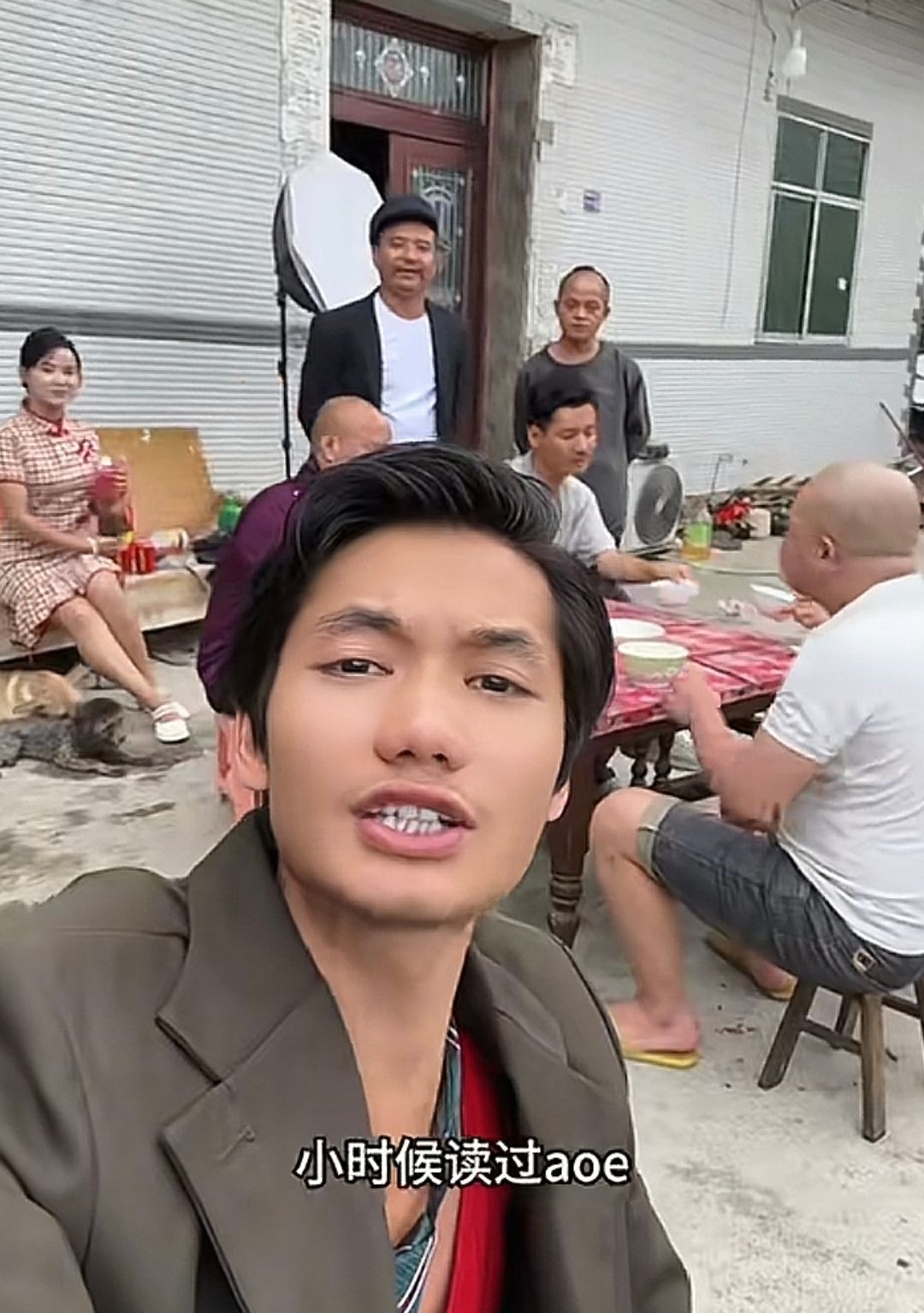
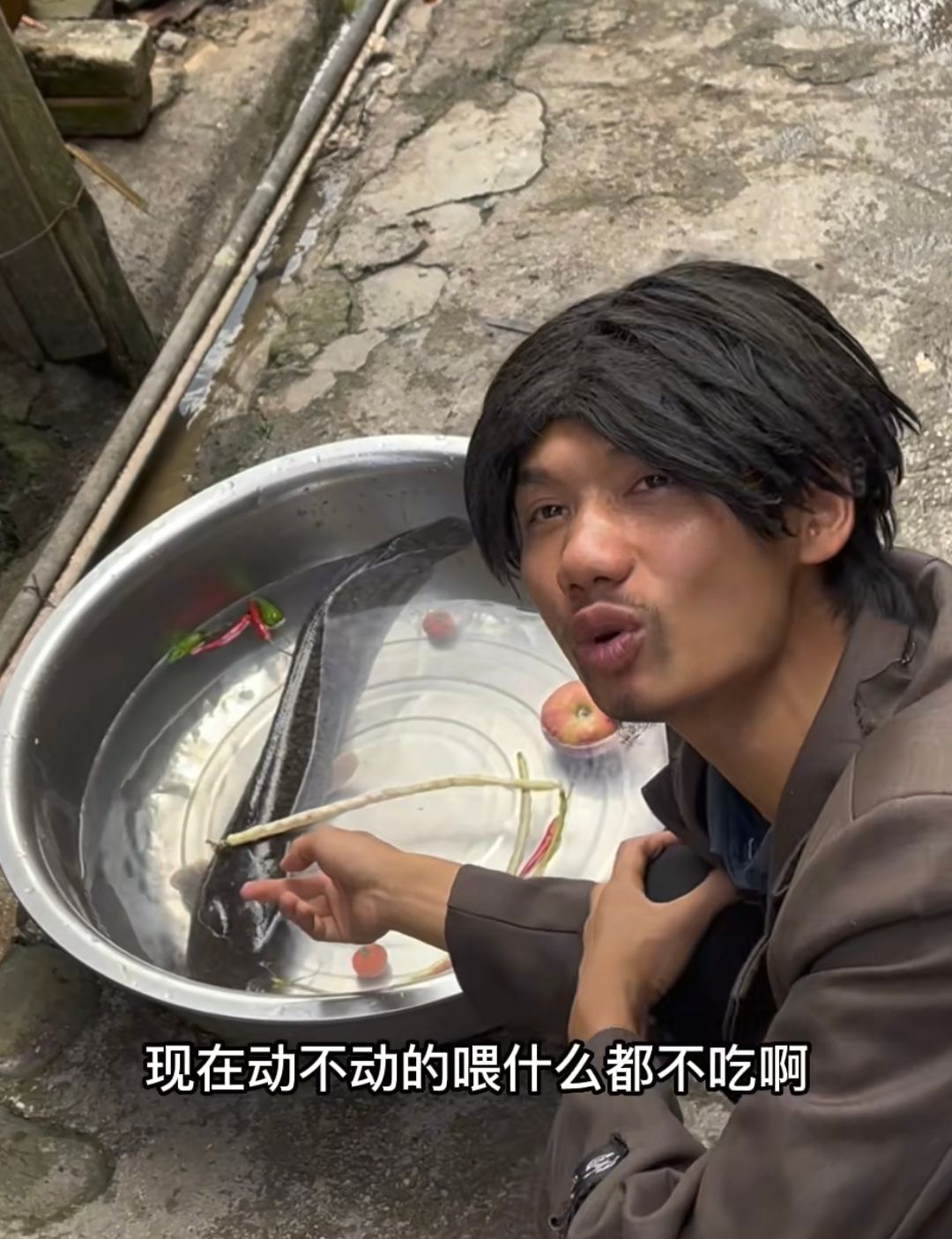
卜跳太绝了。他不是简单搞笑,而是把整个中国乡村的荒诞现实、土味哲学、人情冷暖、穷中作乐,全演成了一部民间长篇喜剧。那种语言节奏,简直是中国南方乡土文学的活化石。有时粗俗,有时浪漫,有时一句话就把人笑翻,可笑完之后,又莫名有点心酸。他的视频里,没有豪车,没有滤镜,没有假精致,只有破旧院子、泥巴山路、乡亲斗嘴、鸡飞狗跳。但偏偏这些东西,比许多高端影视剧更真实。因为那里面,有活人气。
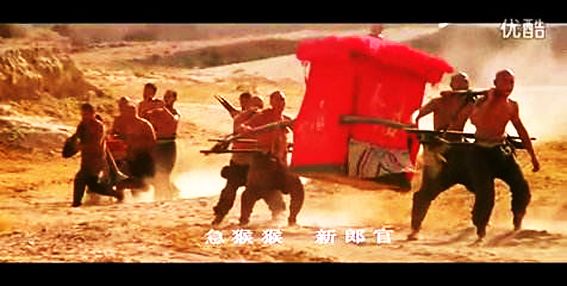
那种气息,让我忽然想起莫言《红高粱》里的土地味道。粗粝、野蛮,但生命力旺盛。而卜跳身上的滑稽感,又确实有卓别林那种“小人物对抗命运”的影子。只是卓别林面对的是工业时代的资本机器,卜跳面对的,则是今天中国山区最真实的生活。一个是西方工业文明的眼泪,一个是东方乡土文明的笑声。
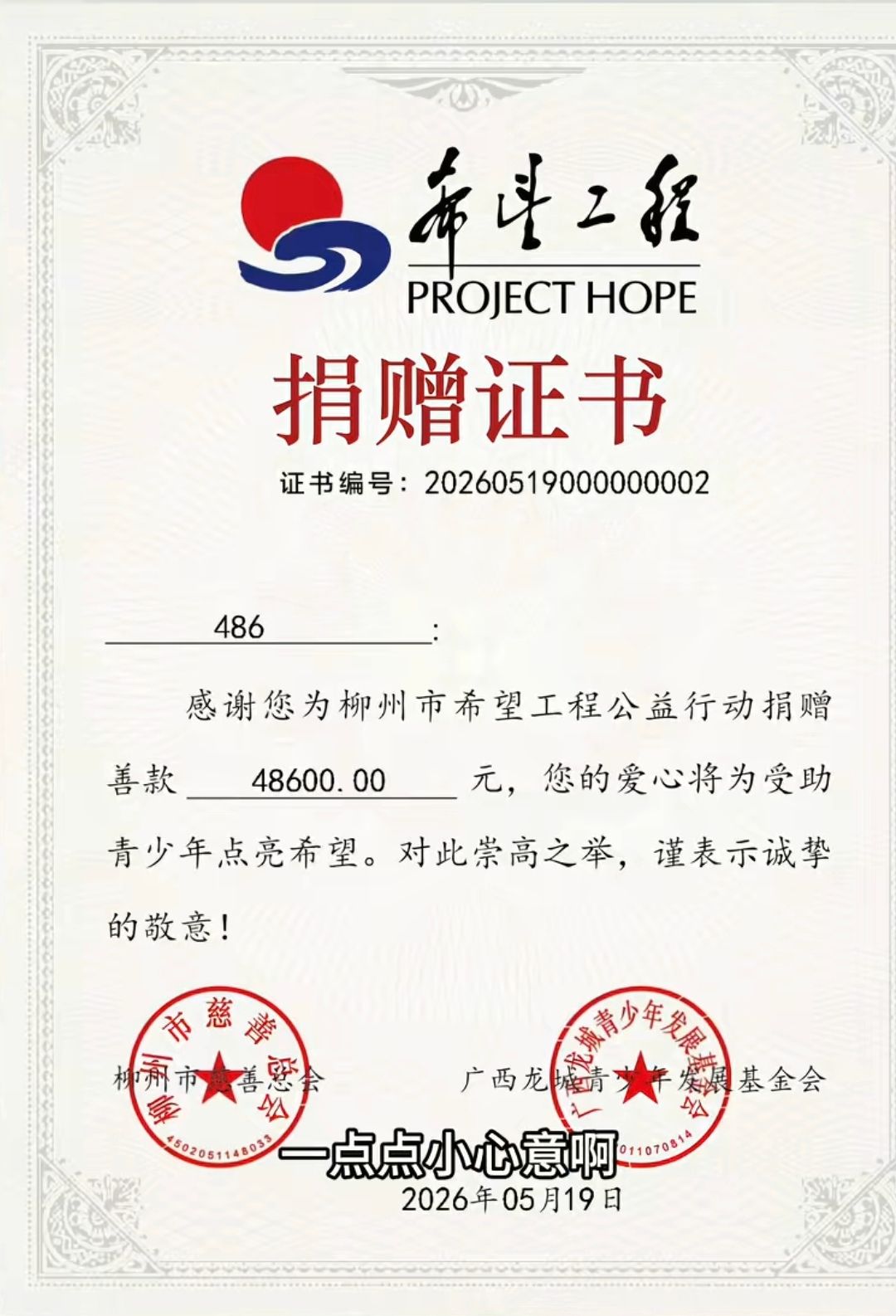
更让我佩服的,还不是他的搞笑,而是他的“义”。今晚刷着刷着,忽然看到:柳州地震之后,扑跳在抖音平台低调捐了48600人民币(相对于6000多欧)。没有直播摆拍,没有哭天喊地,没有各种“慈善宣言”,就是quietly地捐了。这一瞬间,我忽然觉得:这个人,真有点中国古代“义士”的味道。因为真正有情义的人,从来不靠嘴巴证明自己。
反倒是这些年,海外某些所谓的侨领,有些人捐个几块钱,恨不得全世界知道;朋友圈天天发“爱国情怀”,回国又忙着去大会堂合影撑场面。可真到需要出力的时候,却安静得像空气。反观扑跳,一个山里的搞笑演员,没有头衔,没有协会,没有论坛,没有西装,却比很多满嘴“家国情怀”的人,更像一个真正的中国人。
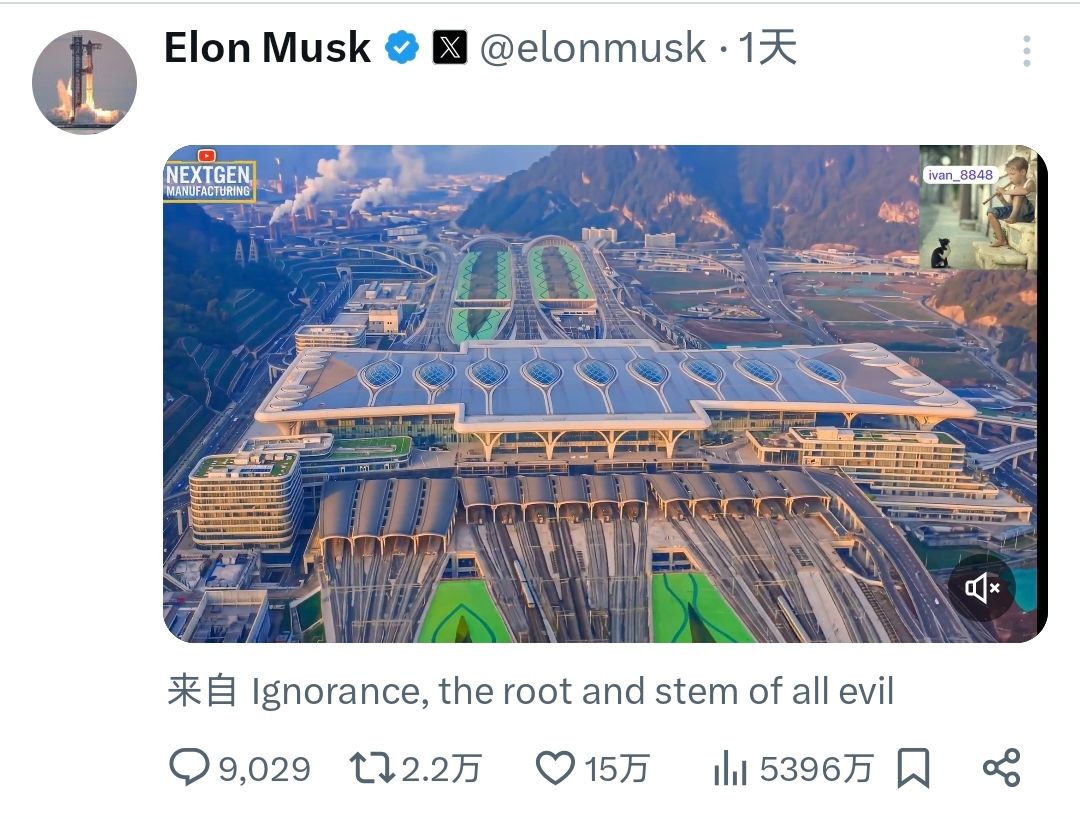
马斯克在X平台分享中国制造的视频打脸欧美高铁,仅仅两天就几千万的点击率。/北欧时报观察
而就在刚才,酒杯还未放下,我又刷到一个视频。这一次,是刚刚从中国“偷吃开心果”的马斯克。他在X平台转发中国重庆超级高铁站建设的视频,惊叹中国工程速度与组织能力。那一刻,我忽然觉得很有意思。今天的西方,修一座桥,往往要开几十年听证会。环保评估、社区抗议、预算争执、政党拉扯,图纸改了又改,方案拖了又拖,等真正开工时,时代可能都已经变了。而中国,两三年时间,一个“宇宙级”的高铁枢纽已经拔地而起。钢铁森林般的站厅、纵横交错的轨道、覆盖全国的高铁网络、日均数十万人流的调度能力,这已经不只是“基建”,而是一种文明级别的组织能力。

憨豆先生
很多欧美人至今还没真正意识到:中国最可怕的,不只是制造能力,而是一个拥有超大规模组织动员能力、工业体系完整度、基础设施效率,以及持续执行力的文明型国家,已经彻底成型。这不是简单GDP能解释的,更不是西方媒体嘴里的“廉价制造”。而是一种几千年大一统文明,在现代工业时代重新完成自我觉醒后的力量。
所以马斯克会震惊,因为他太懂“效率”意味着什么。火箭、汽车、AI、机器人,本质上拼到最后,都离不开工业能力、组织能力、供应链能力与工程落地能力。而今天,全世界真正能把这些东西同时做到极致的国家,其实已经不多了。难怪这些年,马斯克的母亲越来越喜欢上海,甚至那种松弛感,已经明显超过很多美国城市。因为她看到的,不只是安全、便利与现代化,而是一种正在高速生长中的未来感。
欧洲还沉浸在旧文明的黄昏里,美国则在撕裂与内耗中不断争吵,而中国,却在一种近乎“科幻片”的节奏里,一边修高铁,一边造AI,一边发展新能源,一边推动太空计划。最神奇的是,这一切,居然还能同时发生在扑跳的贵州山村、广西印山的稻田、深圳河套实验室,以及重庆超级高铁站之间。这种巨大反差,才是真正的中国。一边是泥巴路上的乡村喜剧,一边是通向未来的超级工程,可偏偏,它们都属于同一个时代。
Laughing to Tears in Italy:Forget Chaplin,I’m Watching Putiao Now
There is always something cinematic about the Italian night.Warm Mediterranean winds drift through the streets,cafés glow under amber lights,and the old stone roads echo softly beneath distant church bells.On the table sat a freshly cooked salmon,two glasses of red wine,and my phone casually resting beside the plate.I was simply scrolling through Douyin while eating when I suddenly came across a creator named“Putiao.”Within seconds,I nearly sprayed wine across the table from laughing.Honestly,it had been years since I laughed that hard.
Living in Europe,I have seen all kinds of“classic humor.”Italians love improvisational comedy,the French enjoy satire,the British master cold irony,and Charlie Chaplin remains a timeless icon of black-and-white cinema.Yet tonight,one sentence suddenly came to mind:“In Europe,I no longer need Chaplin—I can just watch Putiao.”
What makes Putiao extraordinary is that he is not merely funny.He turns the absurdity of rural Chinese life into a grand folk comedy.His videos are filled with earthy philosophy,village quarrels,human warmth,poverty mixed with optimism,and an almost poetic sense of chaos.Sometimes vulgar,sometimes romantic,sometimes hilariously ridiculous—but after laughing,one somehow feels emotional.There are no luxury cars,no filters,no fake sophistication in his videos.Only old houses,muddy roads,noisy relatives,chickens running everywhere,and villagers arguing in dialects.Yet somehow,all of it feels more authentic than many expensive television dramas.
Watching him reminded me of the raw vitality found in Mo Yan’sRed Sorghum—rough,wild,but overflowing with life.At the same time,Putiao also carries traces of Chaplin’s spirit:the small man confronting fate with humor.But Chaplin faced the industrial capitalism of the West,while Putiao faces the realities of contemporary rural China.One represents the tears of industrial civilization;the other,the laughter of agrarian civilization.
What impressed me even more was not his comedy,but his sense of righteousness.While scrolling,I discovered that after the earthquake in Liuzhou,Putiao quietly donated more than50,000Swedish kronor through Douyin.No livestream.No public performance.No dramatic patriotic speech.He simply donated quietly.At that moment,I suddenly felt that this man possessed the spirit of an ancient Chinese hero.Truly righteous people never need to prove themselves loudly.
Ironically,in some overseas Chinese circles,there are people who donate tiny amounts yet desperately seek attention for it.They constantly post patriotic slogans online and rush back to China for photo opportunities in grand halls and official events.Yet when real action is needed,they disappear into silence.Compared to them,Putiao—a comedian from the mountains with no titles,no organizations,no suits,and no status—feels far more genuinely Chinese.
Then,just as I put down my wine glass,another video appeared.This time,it was Elon Musk.On X,he shared footage of the construction of Chongqing’s massive high-speed railway station,expressing amazement at China’s engineering speed and organizational capability.That moment made me reflect deeply.
In much of the West today,building a bridge can require decades of hearings,environmental reviews,political arguments,community protests,and endless revisions.By the time construction finally begins,the world itself may already have changed.Yet in China,within just two or three years,a gigantic futuristic railway hub can rise from the ground.Vast steel structures,intersecting rail systems,nationwide high-speed rail networks,and transportation systems capable of moving hundreds of thousands of people daily—this is no longer simply“infrastructure.”It is civilization-level organizational power.
Many in Europe and America still fail to understand what truly makes China powerful.It is not merely manufacturing capacity.It is the emergence of a civilization-state possessing immense organizational ability,industrial completeness,infrastructure efficiency,and long-term execution power.This cannot be explained simply by GDP figures,nor dismissed as“cheap manufacturing,”as Western media often claim.It is the reawakening of a unified civilization with thousands of years of historical continuity entering the industrial and technological age.
That is why Elon Musk is fascinated.Because he understands what efficiency truly means.Rockets,AI,electric vehicles,robotics—all ultimately depend on industrial systems,supply chains,engineering capability,and execution speed.And today,very few countries can still combine all of those strengths at once.
Perhaps that is also why Musk’s mother increasingly prefers living in Shanghai over many American cities.What she sees is not only safety and convenience,but a powerful sense of the future growing in real time.
Europe still lingers in the twilight of old civilization.America remains trapped in endless polarization and internal conflict.Meanwhile,China moves forward with an almost science-fiction-like rhythm:building high-speed railways,developing AI,expanding renewable energy,and advancing space technology simultaneously.
And perhaps the most astonishing thing is this:all of it exists at the same time—in Putiao’s mountain village in Guizhou,in the rice fields of Guangxi’s Yinshan,inside Shenzhen’s futuristic laboratories,and within Chongqing’s gigantic railway stations.
That contrast is the real China.
On one side,muddy village roads and folk comedy.On the other,colossal projects pointing toward the future.
And somehow,both belong to the exact same era.
