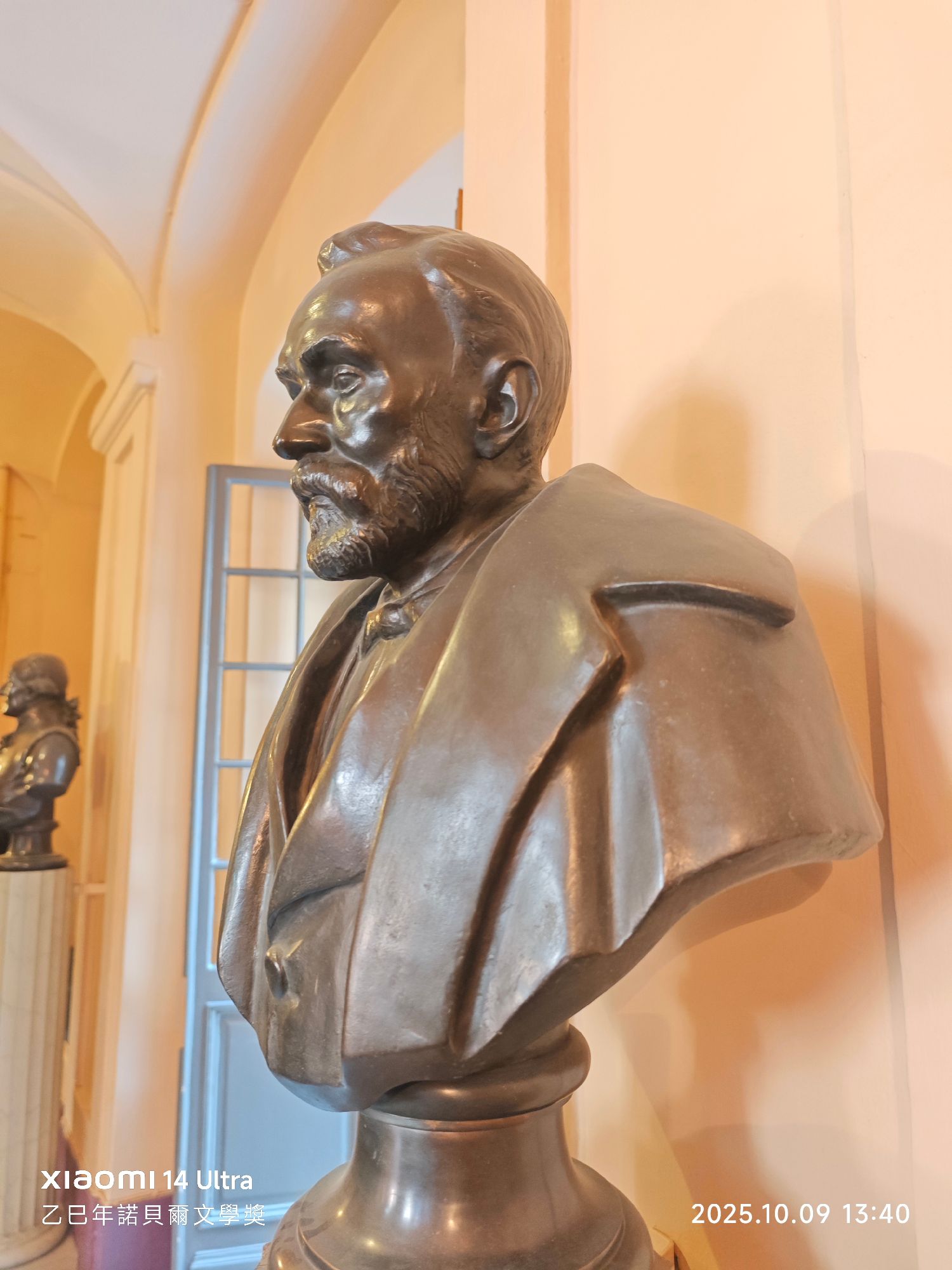
2025年的斯德哥尔摩,诺贝尔文学奖的舞台再次亮起。
In Stockholm2025,the stage of the Nobel Prize in Literature lit up once again.
然而这一次,真正被照亮的,不是匈牙利作家拉斯洛·克拉斯纳霍尔凯的文学,而是瑞典文学院那份夹杂着政治气味的颁奖辞。
Yet this time,it was not the literature of Hungarian writer LászlóKrasznahorkai that shone,but the Swedish Academy’s speech—scented unmistakably with politics.
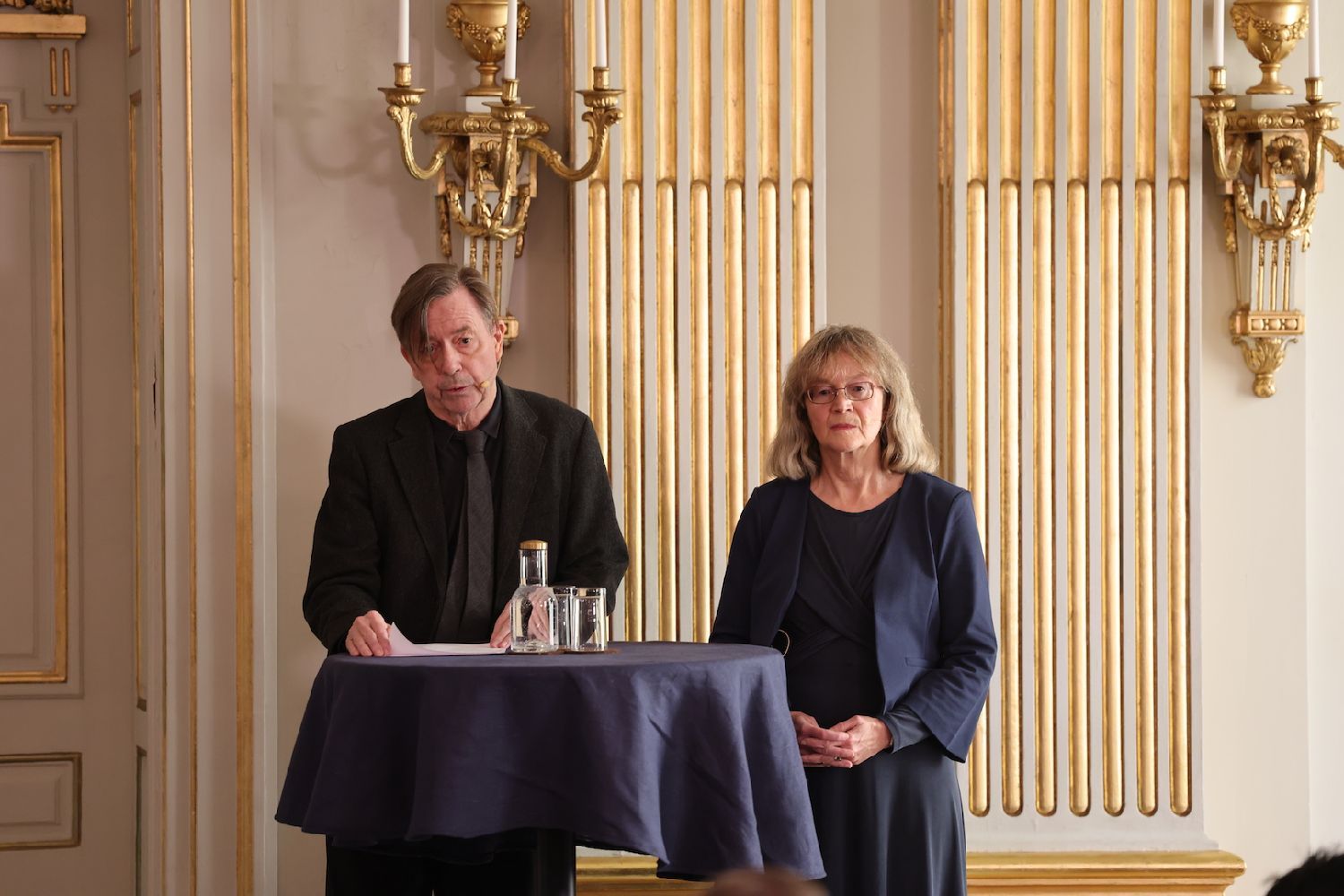
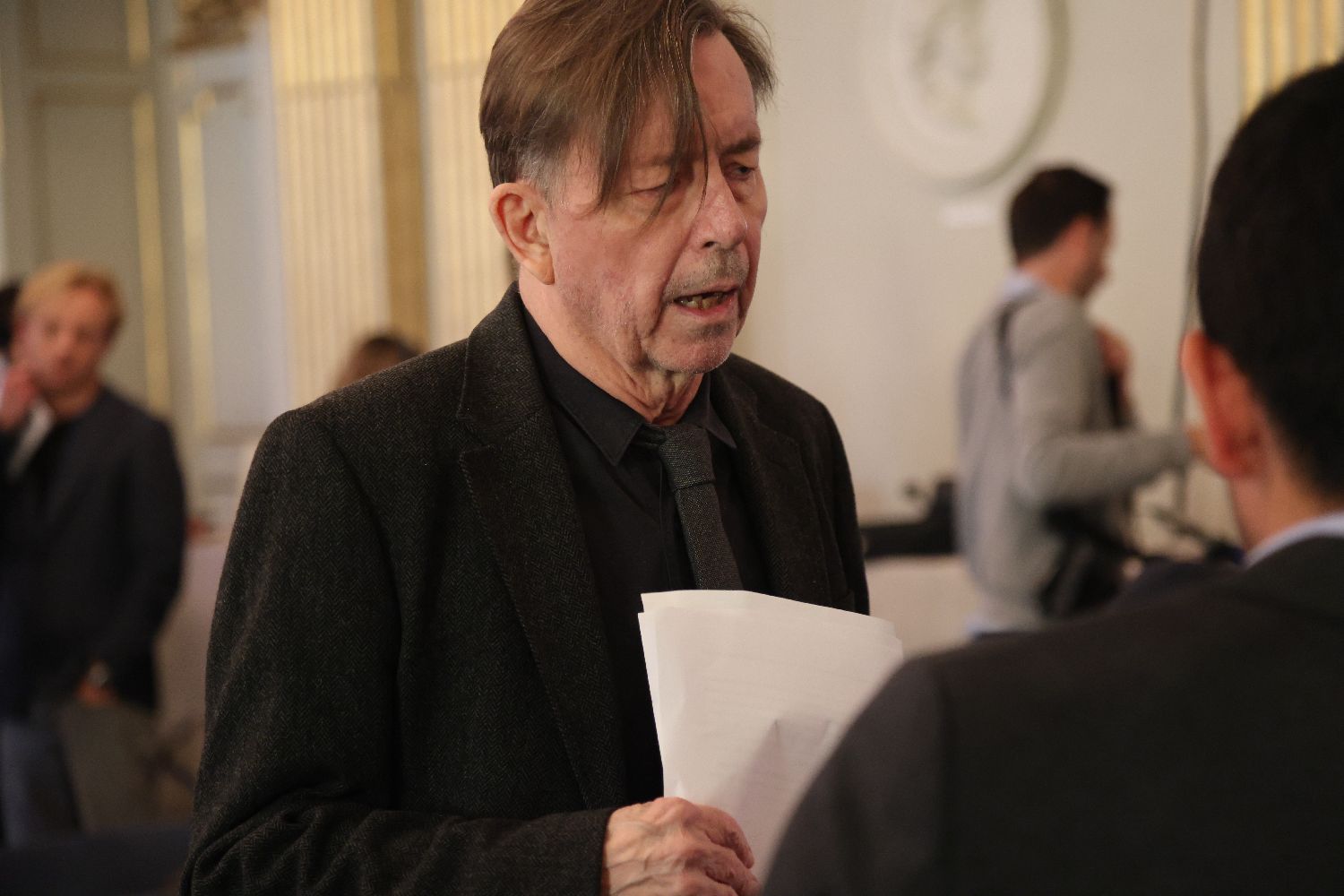
瑞典文学院的主席安德斯·奥尔松“因故”缺席,由一位披头散发、神情慌乱的第十四号评委代读。媒体笑称那是“诺贝尔史上最具戏剧性的登场”,但背后的象征,却远非戏剧那么简单。
Chairman Anders Olsson“could not attend,”and the speech was read by the fourteenth member,hair disheveled,eyes uneasy—“the most theatrical entrance in Nobel history,”as the media quipped.But the symbolism behind it was far from comic.
当颁奖辞以庄严语调提到“共产主义垮台前的匈牙利乡村”,当“废弃农场”“堕落信仰”这些词汇被注入道德隐喻时,这已不再是文学的语言,而是政治的宣言。
When the speech solemnly evoked“the Hungarian countryside before the fall of communism,”when“abandoned farms”and“corrupt faith”became moral metaphors,it was no longer the language of art—it was the rhetoric of power.
文学被用作惩戒/Literature as Punishment
在欧盟的地缘棋盘上,匈牙利是最“叛逆”的棋子:它拒绝无条件跟随布鲁塞尔,曾阻挠瑞典加入北约,在欧洲议会多次与主流唱反调。
On the geopolitical chessboard of the EU,Hungary is the most“rebellious”piece:it refuses to follow Brussels unconditionally,delayed Sweden’s NATO bid,and defied the European Parliament more than once.
而这次文学奖,恰好成了另一场意识形态的修辞:
And this literary award became yet another rhetorical battlefield:
“我们以文学的名义,惩罚异端。”
“In the name of literature,we punish the heretic.”
克拉斯纳霍尔凯的文字无疑伟大——他的长句如祈祷,荒原与信仰交织成神秘的废墟。
Krasznahorkai’s prose is undoubtedly great—his long sentences are like prayers,his wastelands and faiths forming sacred ruins.
但当权力利用诗歌,诗歌就死了。
But when power uses poetry,poetry dies.
这一次,诺贝尔奖没有奖励文学,而是奖励了一种被驯服的叛逆。
This time,the Nobel Prize rewarded not literature,but atamed rebellion.
冷战叙事的幽灵/The Ghost of the Cold War
评委的致辞中反复提到“共产主义崩溃”“社会的混乱”“秩序与无序的搏斗”,这些句子并不在探讨艺术的张力,而是在复述旧日的冷战神话。
The speech repeated phrases like“collapse of communism,”“social disorder,”“the struggle between order and chaos.”It was not discussing artistic tension—it was re-enacting the myths of the Cold War.
这不是文学的评鉴,而是一场政治清算。
This was not literary criticism—it was political judgment.
西方文化机器宣称“文学是自由的”,但他们只奖励那些能为自己叙事服务的“自由”。
The Western cultural machine proclaims“literature is free,”yet rewards only the kind of freedom that serves its narrative.
克拉斯纳霍尔凯——这个拒绝被定义的灵魂——被强行塑造成“反体制的英雄”。
Krasznahorkai—a writer who resists all labels—was force-shaped into a“hero of resistance.”
他的作品被重新包装成一面旗帜:
His work was repackaged as a flag:
“来自废墟的灵魂,终于皈依了我们的信仰。”
“The soul from the ruins has finally converted to our faith.”
“东方灵感”的幻觉/The Illusion of Eastern Inspiration
更讽刺的是,颁奖辞后半段盛赞作家“从东方获得灵感”“在日本和中国寻得新语调”。
Ironically,the latter part of the speech glorified how the author“found inspiration in the East,”“a new tone in Japan and China.”
这听上去是文化交流,实际上却是旧式东方主义的延续。
It sounded like cultural exchange,but was in fact a continuation of old Orientalism.
他们把东方当作精神氧气,用以拯救疲惫的欧洲灵魂;
They treated the East as spiritual oxygen—a supplement to a fatigued Europe.
把“禅”与“道”当作审美装饰,而非思想体系。
They used Zen and Dao as aesthetic ornaments,not systems of thought.
这种借“东方灵感”洗白西方空虚的姿态,本身就是文化殖民的隐喻。
This act of cleansing Western emptiness with“Eastern inspiration”is itself a metaphor of cultural colonialism.
当文学沦为意识形态的舞台/When Literature Becomes a Stage for Ideology
诺贝尔奖曾象征人类精神的高度,如今却越来越像一场价值观秀。
The Nobel Prize once symbolized the height of the human spirit;now it resembles a pageant of values.
当评委在颁奖辞中谈论“共产主义垮台”“东方灵感”“社会混乱”,他们早已把文学变成了政治展台。
When judges speak of the“fall of communism,”“Eastern inspiration,”and“social disorder,”they have already turned literature into a political exhibition.
那位披头散发的代读评委,本身就是这一场荒诞剧的象征:一个被权力操控的文学幽灵。
That disheveled substitute reader became the symbol of the absurd—a literary ghost summoned by power.
瑞典文学院曾自诩“中立”,如今的中立只是另一种形式的中心主义。
The Swedish Academy once prided itself on neutrality;now its neutrality is merely another form of centralism.
他们批评匈牙利的“落后”,却看不见自己的傲慢;他们宣称普世,却独占定义权。
They denounce Hungary’s“backwardness”but ignore their own arrogance;they preach universality but monopolize its definition.
文学的葬礼/The Funeral of Literature
克拉斯纳霍尔凯的小说本该让人直面灵魂的废墟,
Krasznahorkai’s novels should have led us to confront the ruins of the soul,
但如今,他被诺贝尔奖的语言重新包装,
but now he is repackaged by Nobel rhetoric—
他的“末日书写”被当作政治寓言,
his apocalypse turned into political allegory,
他的“形而上思索”被当作意识形态的顺从,
his metaphysics interpreted as ideological obedience,
他的“沉默”,被当作姿态的觉醒。
his silence mistaken for performative awakening.
这场颁奖,不是文学的胜利,而是文学被权力化妆后的葬礼。
This award was not a victory for literature,but its funeral,dressed up by power.
斯德哥尔摩的秋夜,闪光灯下的笑容僵硬如蜡。
In the autumn night of Stockholm,the smiles beneath the flashes were stiff as wax.
而真正的文学,仍在废墟中,在无声的土地上,
But true literature still lives among ruins,on the silent earth,
在那些拒绝被意识形态驯化的灵魂里,
within the souls that refuse domestication,
静静书写,等待被重新聆听。
writing quietly,waiting to be heard again.
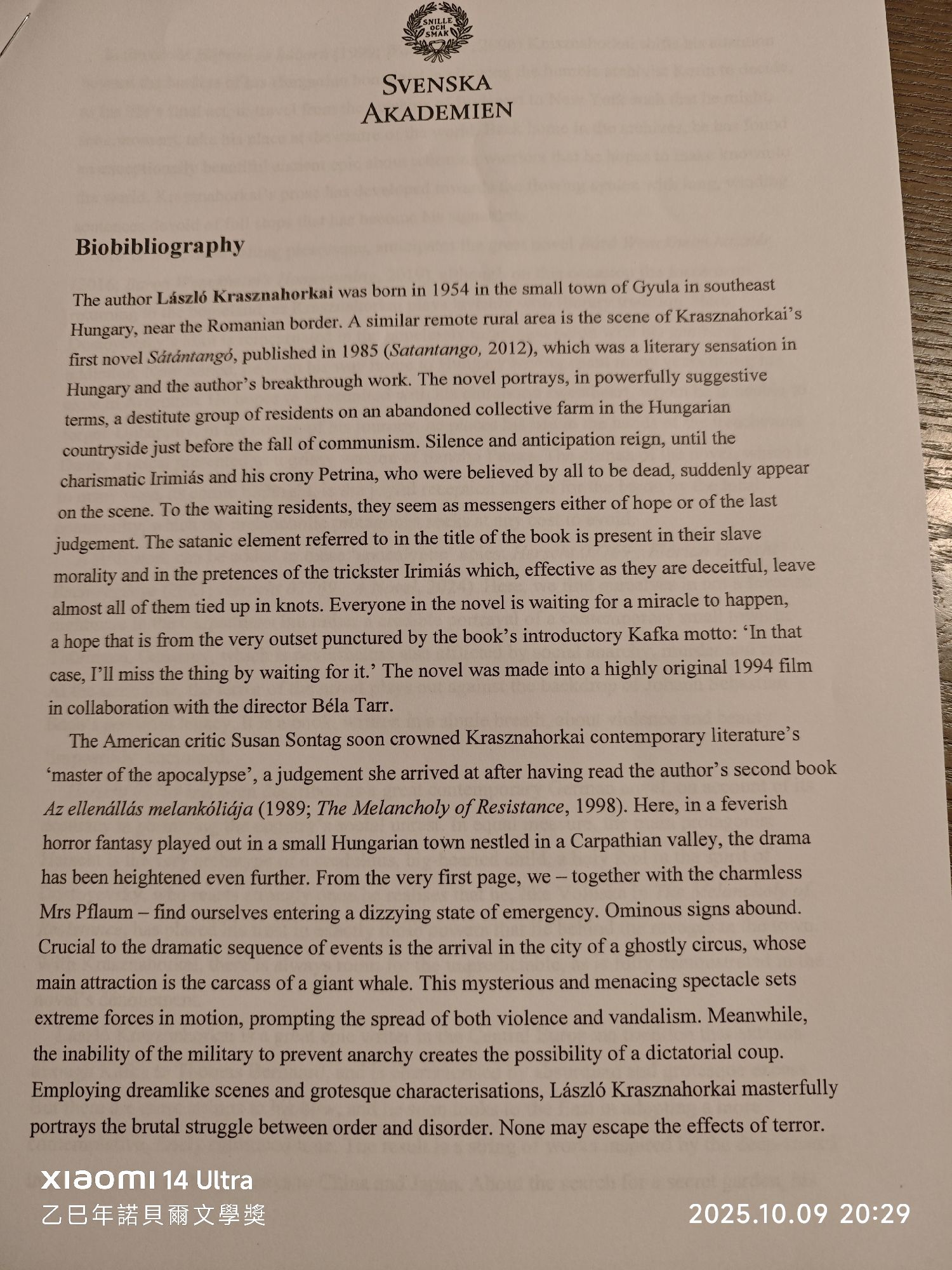
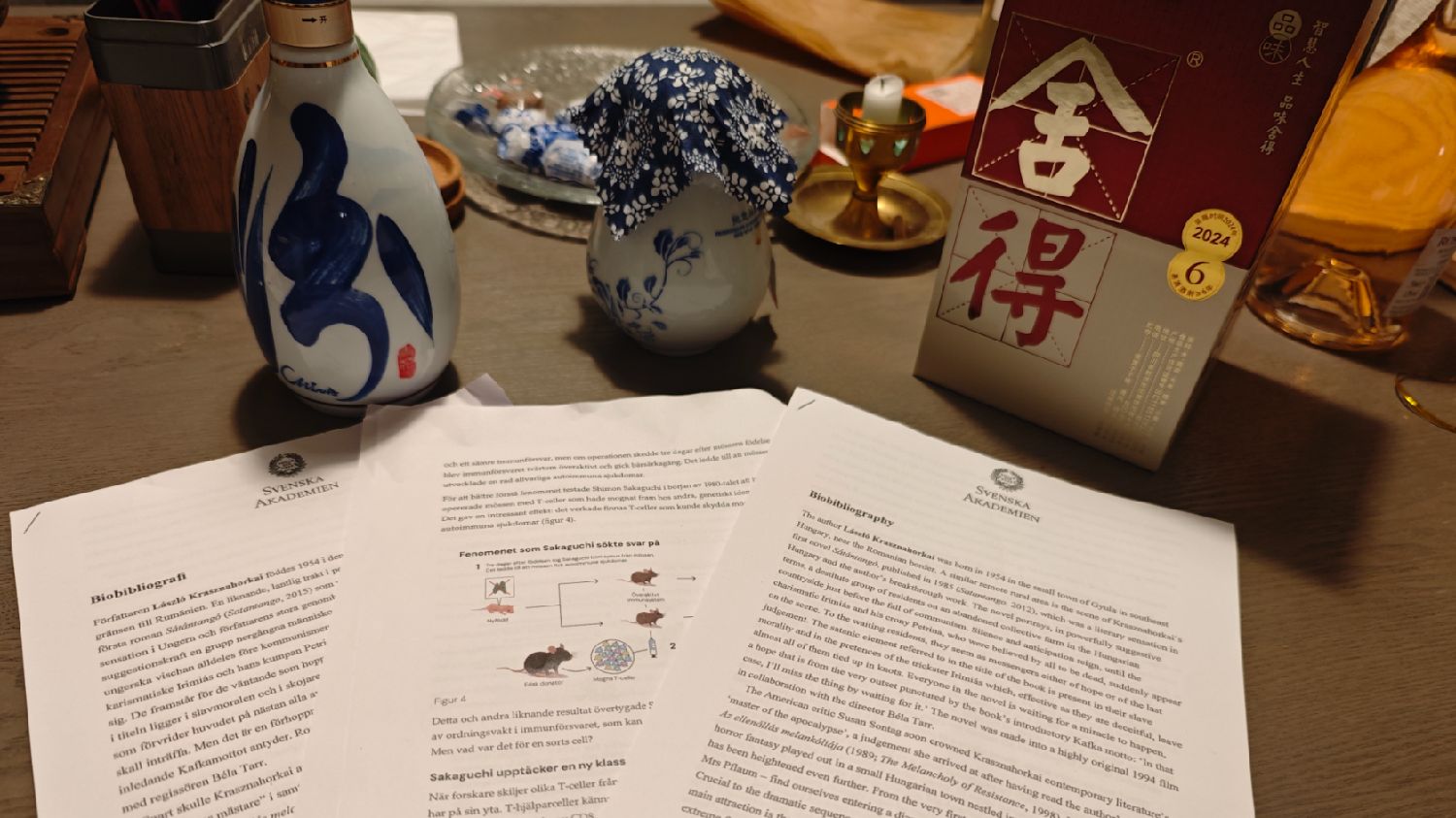
The author was born in1954in Gyula,a small town in southeast Hungary near the Romanian border.
作者于1954年出生在匈牙利东南部、靠近罗马尼亚边境的小城久拉(Gyula)。
A similar remote area is the setting of his debut novelSátántangó(1985;Satan Tango,English translation2012),which was a literary sensation in Hungary and became his breakthrough.
与此相似的偏远乡村,构成了他的处女作《撒旦探戈》(Sátántangó,1985;英译本Satan Tango,2012)的背景。该书在匈牙利引起轰动,成为他的文学突破。
The novel depicts,with intense suggestive power,a destitute group of villagers living on an abandoned collective farm just before the collapse of communism.
小说以强烈的暗示性笔触,描绘了共产主义崩溃前夕,居于废弃集体农场的一群贫困村民。
Silence and waiting dominate the atmosphere until the sudden return of the charismatic Irimiás and his companion Petrina—both thought to be dead.
寂静与等待笼罩全境,直到富于魅惑力的伊里米亚士(Irimiás)与同伴彼特里纳(Petrina)——两人皆被认为早已死去——突然归来。
To the desperate inhabitants,they appear as messengers of hope—or of judgment.
在绝望的村民眼里,他们仿佛既是希望的使者,又是审判的来临。
The“satanic”element in the title refers to the moral corruption and deceptive rhetoric that binds everyone in the novel.
书名中的“撒旦”,指向弥漫其间的道德腐败与迷惑性话语,这张网将众人缠缚。
All are waiting for a miracle,a hope already undercut by the Kafkaesque epigraph:“In that case,I shall miss the thing by waiting for it.”
众人无不等待奇迹,但这份希望已被卡夫卡式的题epigraph戳破:“那样的话,我将因等待而错过它。”
The novel was made into a highly original film by Béla Tarr in1994.
1994年,导演贝拉·塔尔(Béla Tarr)将此作改编成极具原创性的电影。
Krasznahorkai’s second book,Az ellenállás melankóliája(1989;The Melancholy of Resistance,1998),further established his reputation.
克拉斯纳霍尔凯的第二部小说《忧郁的抵抗》(Az ellenállás melankóliája,1989;英译本1998)进一步奠定了他的声誉。
This feverish horror allegory takes place in a small town in a Carpathian valley,where the arrival of a mysterious circus with a giant whale triggers chaos,violence,and the collapse of order.
这部近乎发热的恐怖寓言发生在喀尔巴阡山谷小镇:载着巨鲸的神秘马戏团入城,引爆混乱、暴力与秩序崩塌。
Krasznahorkai’s language vividly conveys the brutal struggle between order and disorder,faith and chaos—no one escapes the grip of terror.
作家以凌厉语言刻画秩序与无序、信仰与混沌之间的惨烈角力——无人能逃脱恐惧之握。
The American writer Susan Sontag called him“a master of the apocalypse.”
美国作家苏珊·桑塔格称其为“末日大师”。
His later works includeHáborúés háború(War&War,1999/2006),BáróWenckheim hazatér(Baron Wenckheim’s Homecoming,2016/2019),andHerscht07769(Herscht07769:A Novel,2021/2024).
其后代表作包括《战争与战争》(1999/2006)、《温克海姆男爵归来》(2016/2019)与《赫舍特07769》(2021/2024)。
These novels,written in his distinctive long,flowing sentences,explore the fragility of human faith,the persistence of art,and the search for meaning in a disintegrating world.
这些作品以其标志性的长而流动的句式,探问信仰的脆弱、艺术的恒久,以及在崩解之世对意义的追寻。
His work often depicts apocalyptic landscapes—geographical,social,and spiritual—where characters oscillate between absurd hope and inevitable ruin.
他笔下常见末日景观——地理的、社会的、精神的——人物在荒诞的希望与不可避免的毁灭间摆荡。
In contrast,Seiobo járt odalent(2008;Seiobo There Below,2013)andÉszakról hegy,Délről tó,Nyugatról utak,Keletről folyó(2003/2022)reflect a more contemplative voice influenced by his travels in East Asia,particularly Japan and China.
与之相对,《西博下凡》(2008/2013)与《从北方的山,南方的湖,西方的路,东方的河》(2003/2022)显现受东亚行旅影响而来的沉思声调,尤以日本与中国为深。
Here,his prose becomes more meditative and precise,blending spiritual insight with artistic discipline.
此处文字更冥想、更精微,将精神洞见与艺术修为相融。
They are meditations on beauty,art,and impermanence,portraying creation as a form of devotion.
它们是对美、艺术与无常的沉思,将创作呈为一种虔敬之行。
Krasznahorkai’s oeuvre has been translated into many languages and has influenced a wide range of contemporary writers and filmmakers.
其作品译介多语,影响广及当代作家与电影人。
His long collaboration with Hungarian film director Béla Tarr has produced some of the most significant art films of our time.
他与匈牙利导演贝拉·塔尔的长期合作,产出当代最重要的艺术电影之一系列。
His honors include the Man Booker International Prize(2015)and the National Book Award for Translated Literature(2019).
其荣誉包括2015年国际布克奖与2019年美国国家图书奖翻译文学奖。
📄第2页(开头:“In the…”)
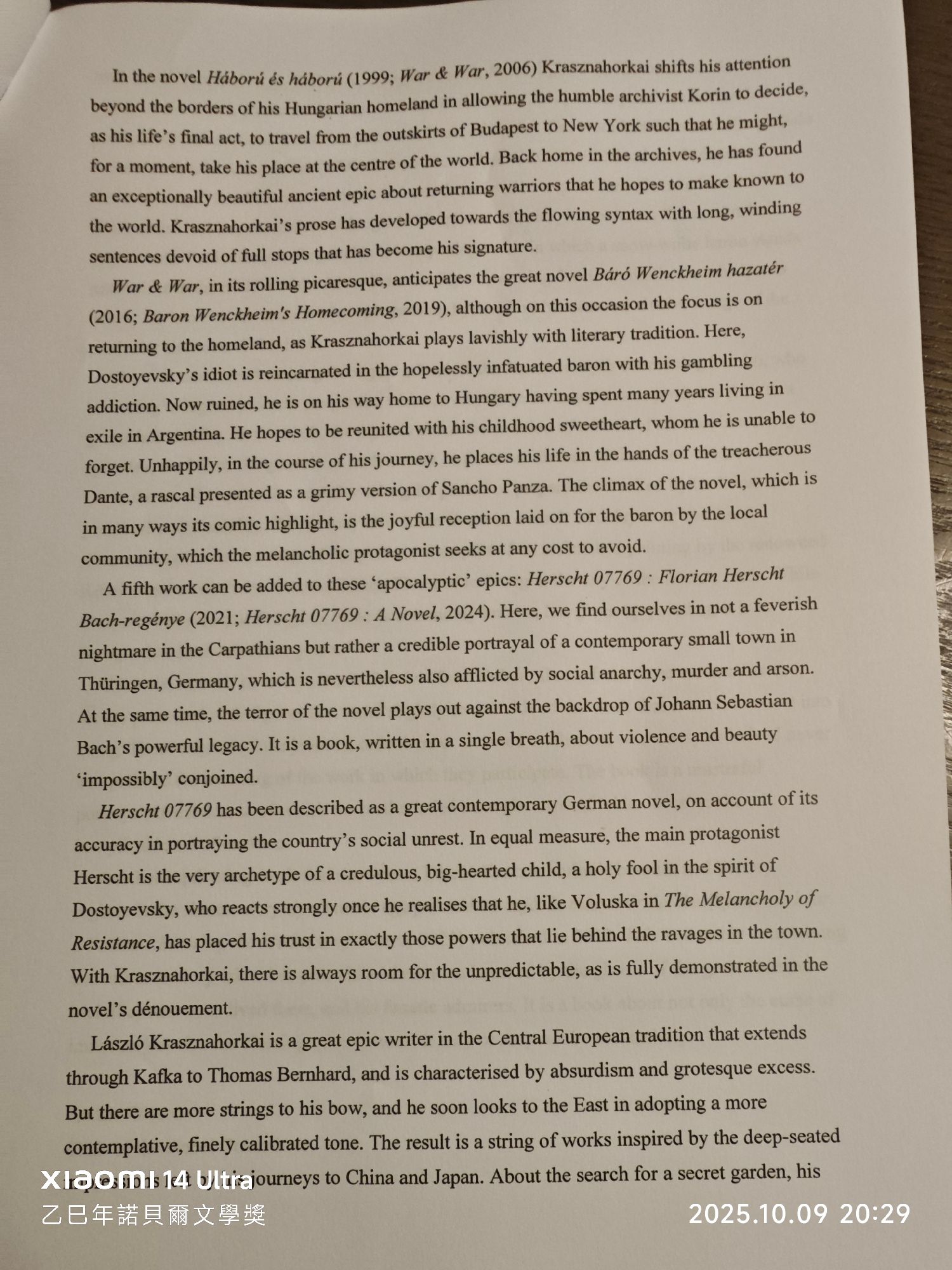
In the novelHáborúés háború(1999;War&War,2006)Krasznahorkai shifts his attention beyond the borders of his Hungarian homeland in allowing the humble archivist Korin to decide,as his life’s final act,to travel from the outskirts of Budapest to New York such that he might,for a moment,take his place at the centre of the world.
在《战争与战争》(1999;英译本2006)中,克拉斯纳霍尔凯将视线越出匈牙利,让卑微的档案员柯林在生命的最后一役,从布达佩斯郊外启程赴纽约,盼能哪怕片刻立于“世界之中”。
Back home in the archives,he has found an exceptionally beautiful ancient epic about returning warriors that he hopes to make known to the world.
在档案馆,他发现一部极其优美的古代史诗,书写归来战士,渴望向全世界公诸。
Krasznahorkai’s prose has developed towards the flowing syntax with long,winding sentences devoid of full stops that has become his signature.
他的散文发展为一种流动句法:长而蜿蜒、少用句号,这也成为其标识。
War&War,in its rolling picaresque,anticipates the great novelBáróWenckheim hazatér(2016;Baron Wenckheim’s Homecoming,2019),although on this occasion the focus is on returning to the homeland,as Krasznahorkai plays lavishly with literary tradition.
《战争与战争》以流浪汉体的滚动姿态,预示《温克海姆男爵归来》(2016/2019)。此时焦点回到“归乡”,作者纵情与传统调笑周旋。
Here,Dostoyevsky’s idiot is reincarnated in the hopelessly infatuated baron with his gambling addiction.
这里,陀思妥耶夫斯基的“白痴”仿佛转世为沉溺赌博、痴恋不悔的男爵。
Now ruined,he is on his way home to Hungary having spent many years living in exile in Argentina.He hopes to be reunited with his childhood sweetheart,whom he is unable to forget.
在阿根廷漂零多年而今破败,他踏上回匈牙利之路,盼与童年恋人重逢,那是他无法忘却之人。
Unhappily,in the course of his journey,he places his life in the hands of the treacherous Dante,a rascal presented as a grimy version of Sancho Panza.
不幸的是,旅途中他将性命托付给阴险的“但丁”——一个污浊版的桑丘·潘沙式无赖。
The climax of the novel,which is in many ways its comic highlight,is the joyful reception laid on for the baron by the local community,which the melancholic protagonist seeks at any cost to avoid.
小说高潮——亦是其喜剧高光——是当地人为男爵设的盛大欢迎礼,而忧郁的主角却不惜一切要避之。
A fifth work can be added to these‘apocalyptic’epics:Herscht07769:Florian Herscht Bach-regénye(2021;Herscht07769:A Novel,2024).
在这些“末日史诗”之外,还可加上第五部:《赫舍特07769:弗洛里安·赫舍特的巴赫小说》(2021;英译本2024)。
Here,we find ourselves not in a feverish nightmare in the Carpathians but rather a credible portrayal of a contemporary small town in Thüringen,Germany,which is nevertheless also afflicted by social anarchy,murder and arson.
这一次不在喀尔巴阡的热病梦魇中,而是可信地再现德国图林根当代小镇,然而同样饱受无政府状态、谋杀与纵火之害。
At the same time,the terror of the novel plays out against the backdrop of Johann Sebastian Bach’s powerful legacy.
同时,小说的恐惧戏剧以约翰·塞巴斯蒂安·巴赫强大的遗产为背景展开。
It is a book,written in a single breath,about violence and beauty‘impossibly’conjoined.
这本书仿佛一口气写就,书写“几乎不可能”的暴力与美的并置。
Herscht07769has been described as a great contemporary German novel,on account of its accuracy in portraying the country’s social unrest.
因精准刻画当代德国的社会不安,《赫舍特07769》被誉为伟大的当代德国小说。
In equal measure,the main protagonist Herscht is the very archetype of a credulous,big-hearted child,a holy fool in the spirit of Dostoyevsky,who recognises too late that he,like Valuska inThe Melancholy of Resistance,has placed his trust in exactly those powers that lie behind the ravages in the town.
主人公赫舍特是天真宽厚的“圣愚”原型;他太迟才明白,正如《忧郁的抵抗》中瓦卢什卡那样,他信任的正是小镇覆灭背后的力量。
With Krasznahorkai,there is always room for the unpredictable,as is fully demonstrated in the novel’s dénouement.
在克拉斯纳霍尔凯处,永留不可测之地位——正如本书结尾所尽显。
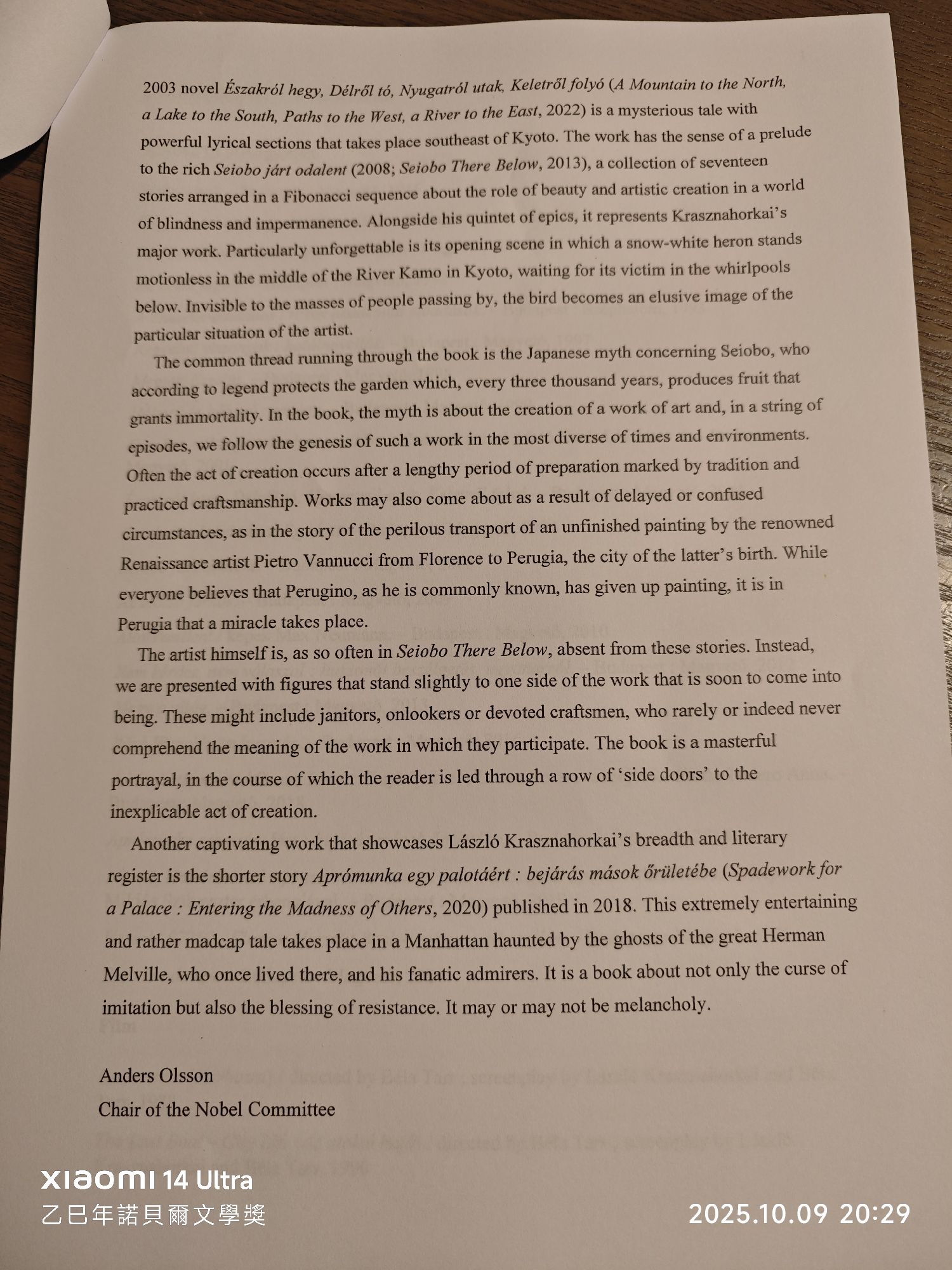
2003novelÉszakról hegy,Délről tó,Nyugatról utak,Keletről folyó(A Mountain to the North,a Lake to the South,Paths to the West,a River to the East,2022)is a mysterious tale with powerful lyrical sections that takes place southeast of Kyoto.
2003年的小说《从北方的山,南方的湖,西方的路,东方的河》(英译本2022)是一部抒情力度强劲的神秘之作,故事发生在京都东南。
The work has the sense of a prelude to the richSeiobo járt odalent(2008;Seiobo There Below,2013),a collection of seventeen stories arranged in a Fibonacci sequence about the role of beauty and artistic creation in a world of blindness and impermanence.
此作带有宏阔《西博下凡》(2008/2013)的前奏意味——全书17篇依斐波那契数列排列,讨论在盲目与无常世界里,美与艺术创造的角色。
Alongside his quintet of epics,it represents Krasznahorkai’s major work.Particularly unforgettable is its opening scene in which a snow-white heron stands motionless in the middle of the River Kamo in Kyoto,waiting for its victim in the whirlpools below.
与“五部史诗”并列,它是作者的代表作之一。尤难忘其开篇:一只雪白的白鹭伫立京都鸭川中央,静候旋涡中的猎物。
Invisible to the masses of people passing by,the bird becomes an elusive image of the particular situation of the artist.
行人如潮却视而不见,这只鸟遂化作“艺术家独特处境”的隐现之象。
The common thread running through the book is the Japanese myth concerning Seiobo,who according to legend protects the garden which,every three thousand years,produces fruit that grants immortality.
贯穿全书的线索是关于西王母(Seiobo)的日本神话——她守护的花园每三千年结出赐予不死的果实。
In the book,the myth is about the creation of a work of art and,in a string of episodes,we follow the genesis of such a work in the most diverse of times and environments.
在书中,这则神话被转化为艺术创生的隐喻;一系列片段带我们见证作品在最不同的时空中发端。
Often the act of creation occurs after a lengthy period of preparation marked by tradition and practised craftsmanship.
创作常在漫长的准备之后到来,其间尽是传统印记与纯熟手艺。
Works may also come about as a result of delayed or confused circumstances,as in the story of the perilous transport of an unfinished painting by the renowned Renaissance artist Pietro Vannucci from Florence to Perugia,the city of the latter’s birth.
作品亦可能因拖宕或混乱而生——如文艺复兴名家彼得罗·万努奇(即“佩鲁吉诺”)冒险将一幅未完成之作自佛罗伦萨运往其出生地佩鲁贾。
While everyone believes that Perugino,as he is commonly known,has given up painting,it is in Perugia that a miracle takes place.
人人以为“佩鲁吉诺”已弃画,而奇迹恰在佩鲁贾发生。
The artist himself is,as so often inSeiobo There Below,absent from these stories.Instead,we are presented with figures that stand slightly to one side of the work that is soon to come into being.
如《西博下凡》中常见,艺术家本人多半“缺席”。我们看到的,是站在将要诞生之作“一侧”的人们。
These might include janitors,onlookers or devoted craftsmen,who rarely or indeed never comprehend the meaning of the work in which they participate.
他们或为清洁工、旁观者,或为虔诚匠人——鲜少、甚至从不真正理解自己所参与之作的意义。
The book is a masterful portrayal,in the course of which the reader is led through a row of‘side doors’to the inexplicable act of creation.
本书以大师手笔描绘此景,引领读者穿过一扇又一扇“侧门”,抵达那不可解释的“创造之举”。
Another captivating work that showcases LászlóKrasznahorkai’s breadth and literary register is the shorter storyAprómunka egy palotáért:bejárás másokőrületébe(Spadework for a Palace:Entering the Madness of Others,2020)published in2018.
另一部展现作者广博与文体层次的佳作,是2018年发表的中篇《为宫殿所作的小工:进入他人疯狂之门》(英译本2020)。
This extremely entertaining and rather madcap tale takes place in a Manhattan haunted by the ghosts of the great Herman Melville,who once lived there,and his fanatic admirers.
这部既好看又癫狂的故事发生在曼哈顿——赫尔曼·梅尔维尔曾居于此,他与其狂热崇拜者的幽灵似乎仍在游荡。
It is a book about not only the curse of imitation but also the blessing of resistance.It may or may not be melancholy.
它既写“模仿的诅咒”,亦写“抵抗的恩典”。它或许忧郁,也或未必。
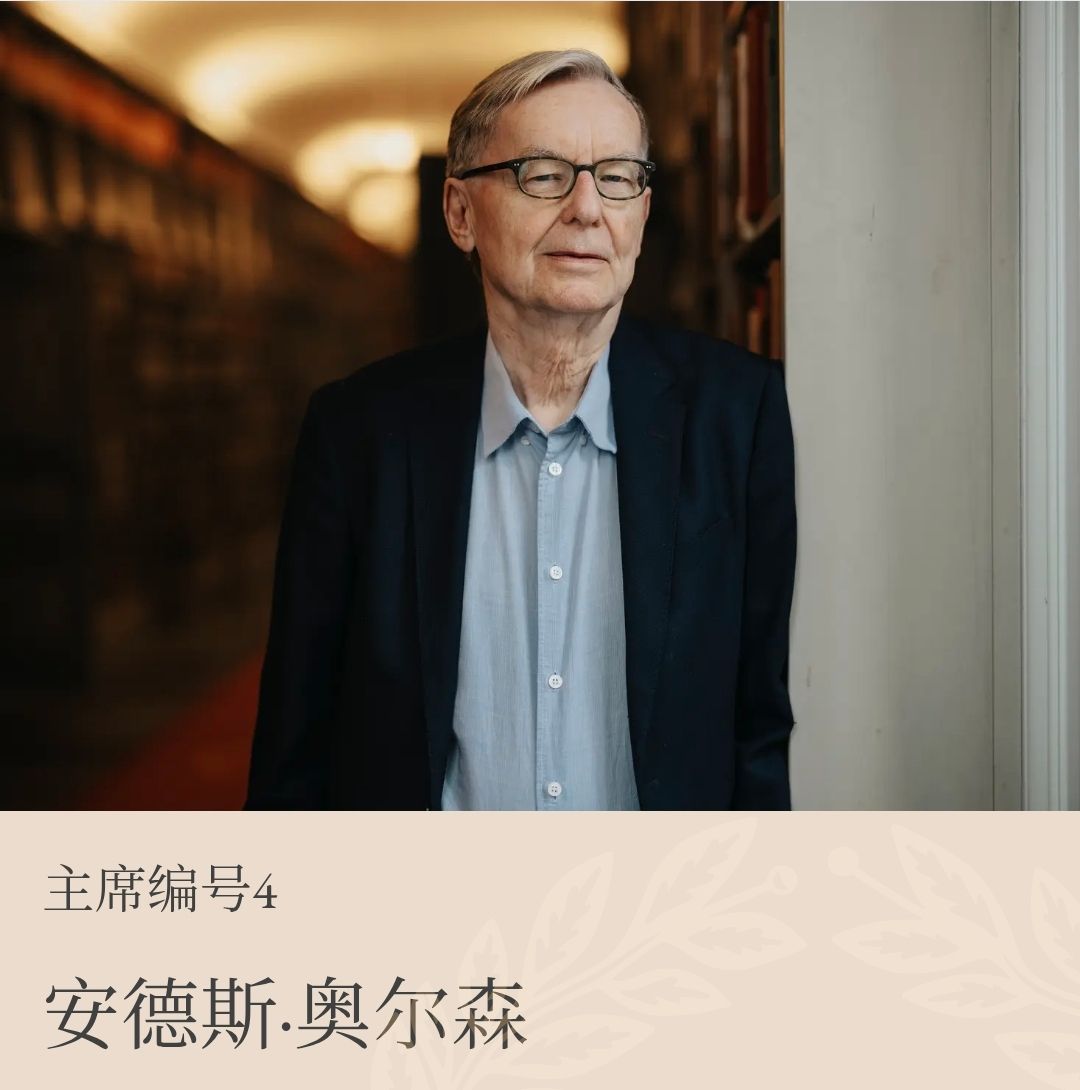
Anders Olsson
Chair of the Nobel Committee
安德斯·奥尔松
诺贝尔文学奖评审委员会主席
