斯德哥尔摩等待诺奖,中国两场雪已经下了一千年
——诺贝尔文学奖揭晓前,重读柳宗元与张岱
Stockholm Awaits the Nobel Prize, While Two Chinese Snowfalls Have Been Falling for a Thousand Years
— Rereading Liu Zongyuan and Zhang Dai on the Eve of the Nobel Prize in Literature
By Robin Ho
文/何儒
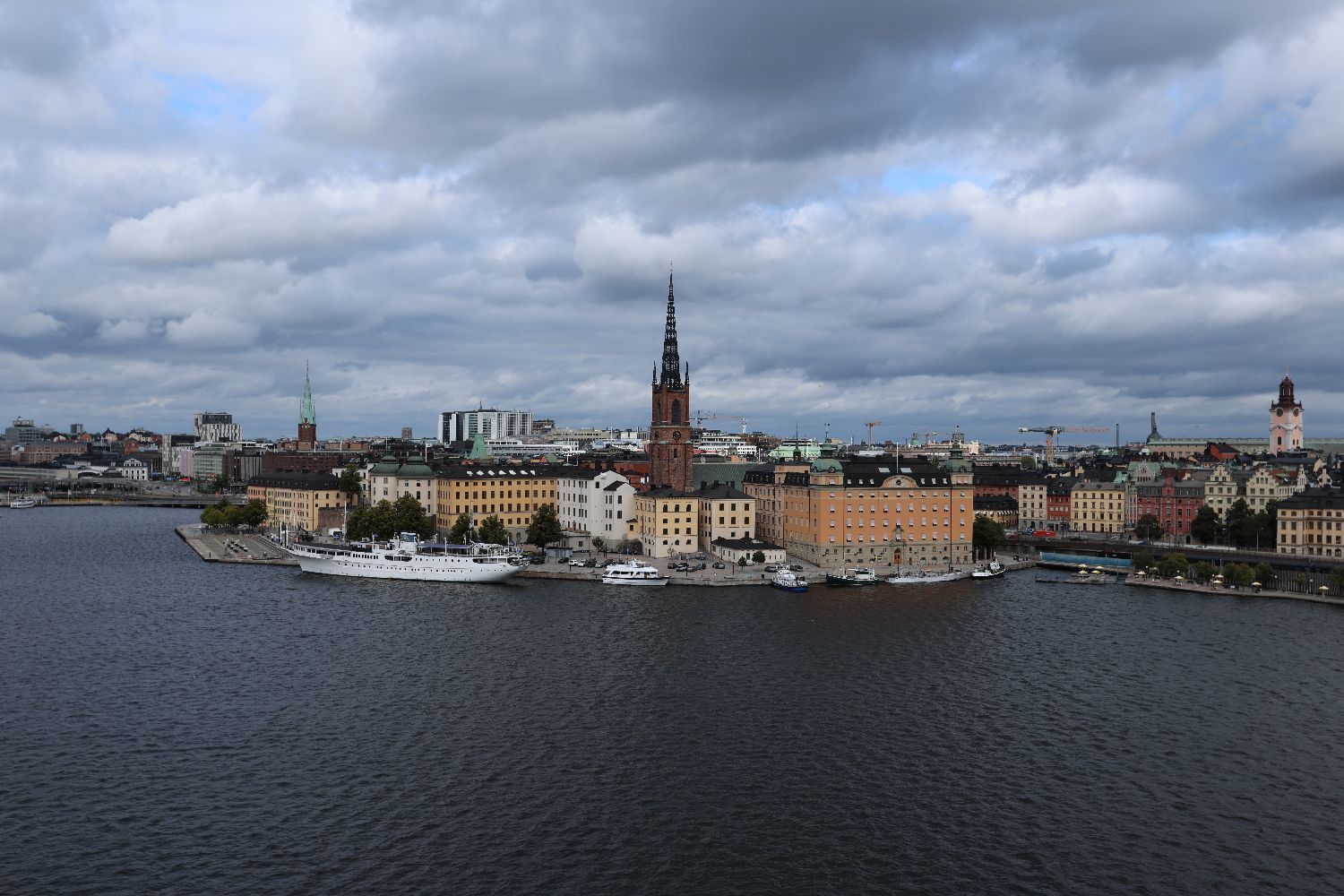
九月底的斯德哥尔摩,秋意已经很深了。
树叶一天天由绿转黄,风从梅拉伦湖方向吹来,早晨走在街上,已经能感觉到冬天藏在空气里的消息。
雪还没有来。
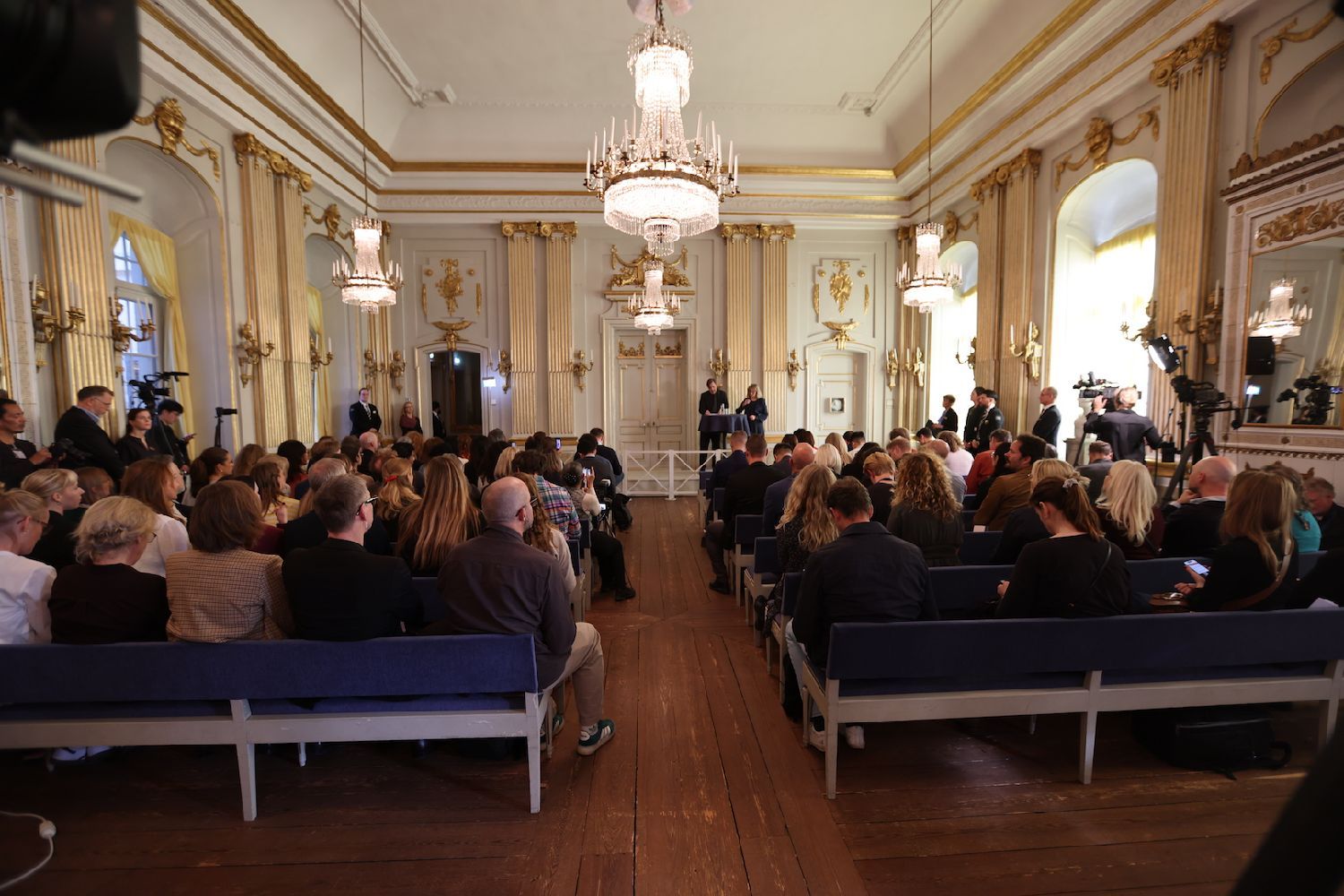
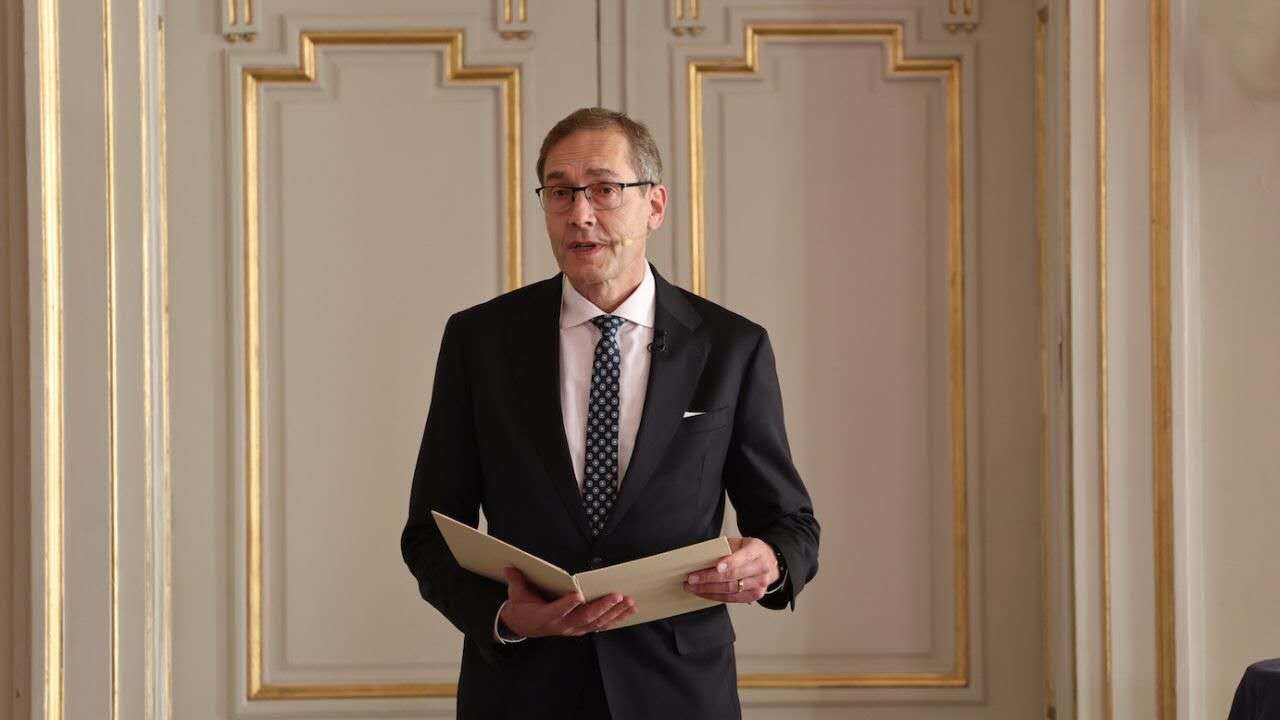
然而,再过几天,全世界文学界的目光都会像候鸟一样飞向斯德哥尔摩。瑞典学院那扇门即将再次打开,一个名字将被秘书长用瑞典语、英语念出——2026年诺贝尔文学奖,由此成为世界新闻。
每年到了这个时候,我都会有一种奇妙的感觉。
作为一个在斯德哥尔摩生活多年的北欧媒体人,我离诺贝尔奖如此之近。那些建筑,那些街道,那些宣布奖项的大厅,都不是遥远的电视画面,而是生活的一部分。
然而今年,在等待那个名字之前,我偏偏读到了中国文学史上的两场雪。
一场下在唐代永州。
一场下在明末杭州。
两场雪相隔八百余年。
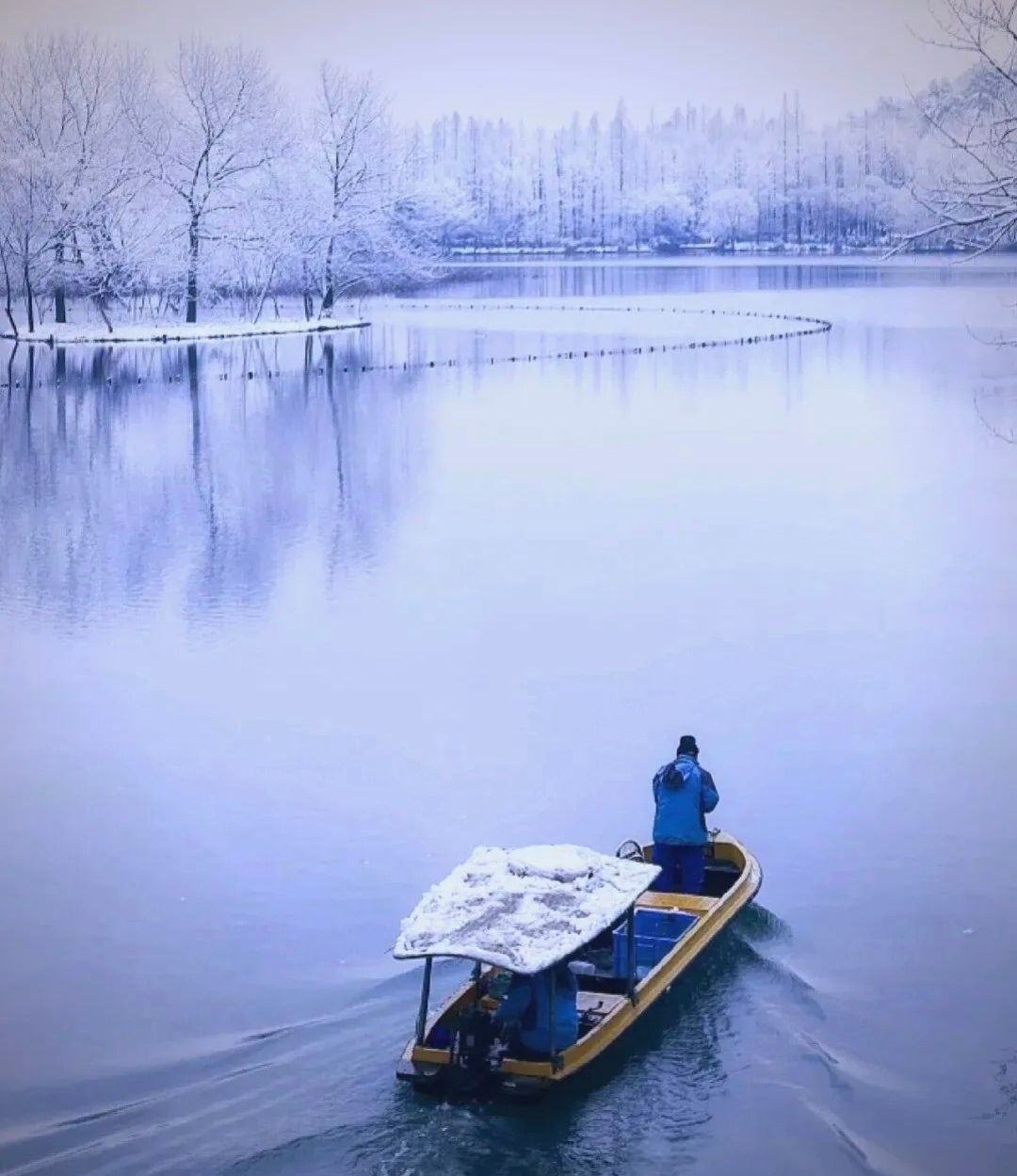
第一场雪里,柳宗元写下二十个字:
千山鸟飞绝,万径人踪灭。孤舟蓑笠翁,独钓寒江雪。
第二场雪里,张岱夜往西湖:
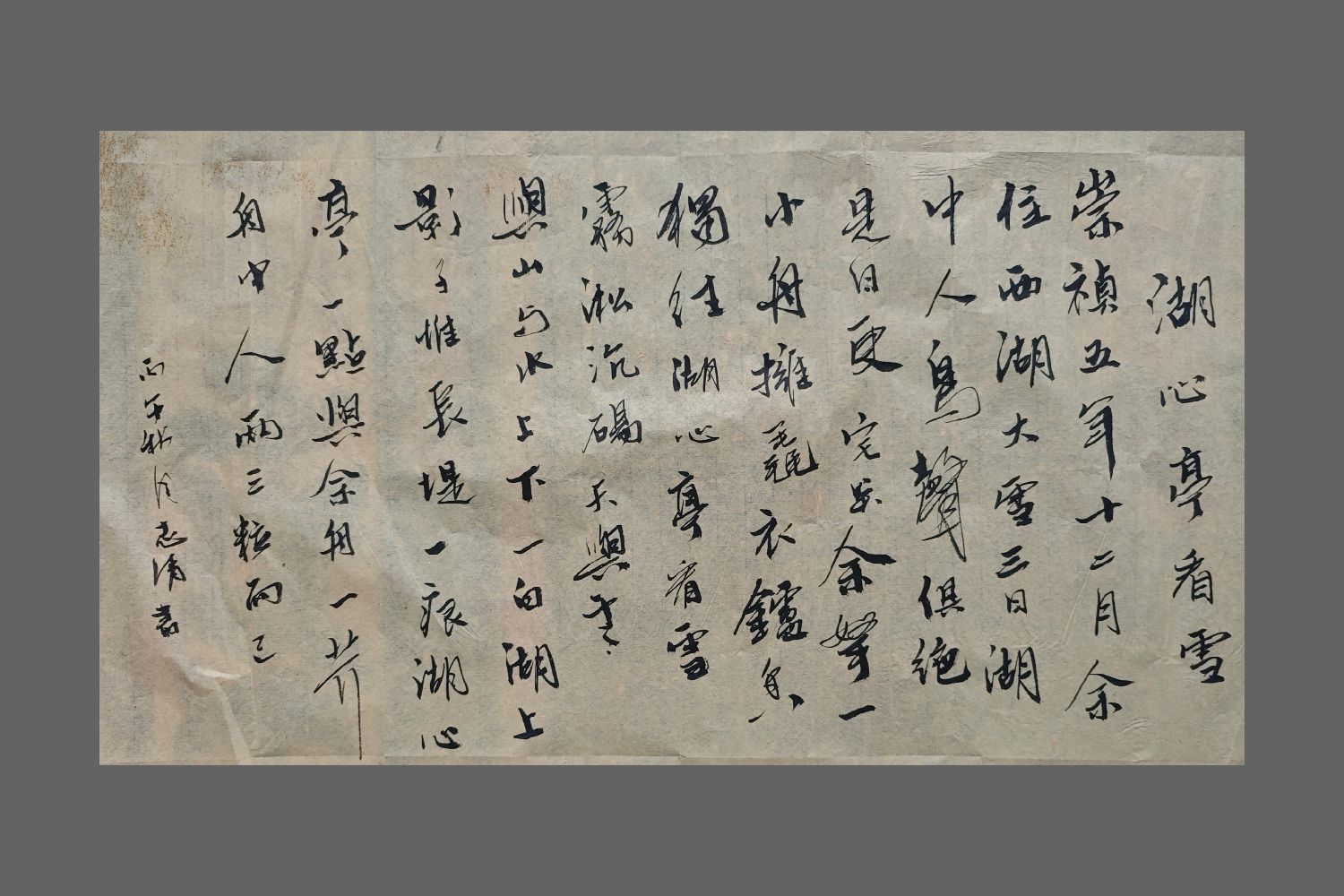
“雾凇沆砀,天与云与山与水,上下一白。”
他远远望去,只剩:
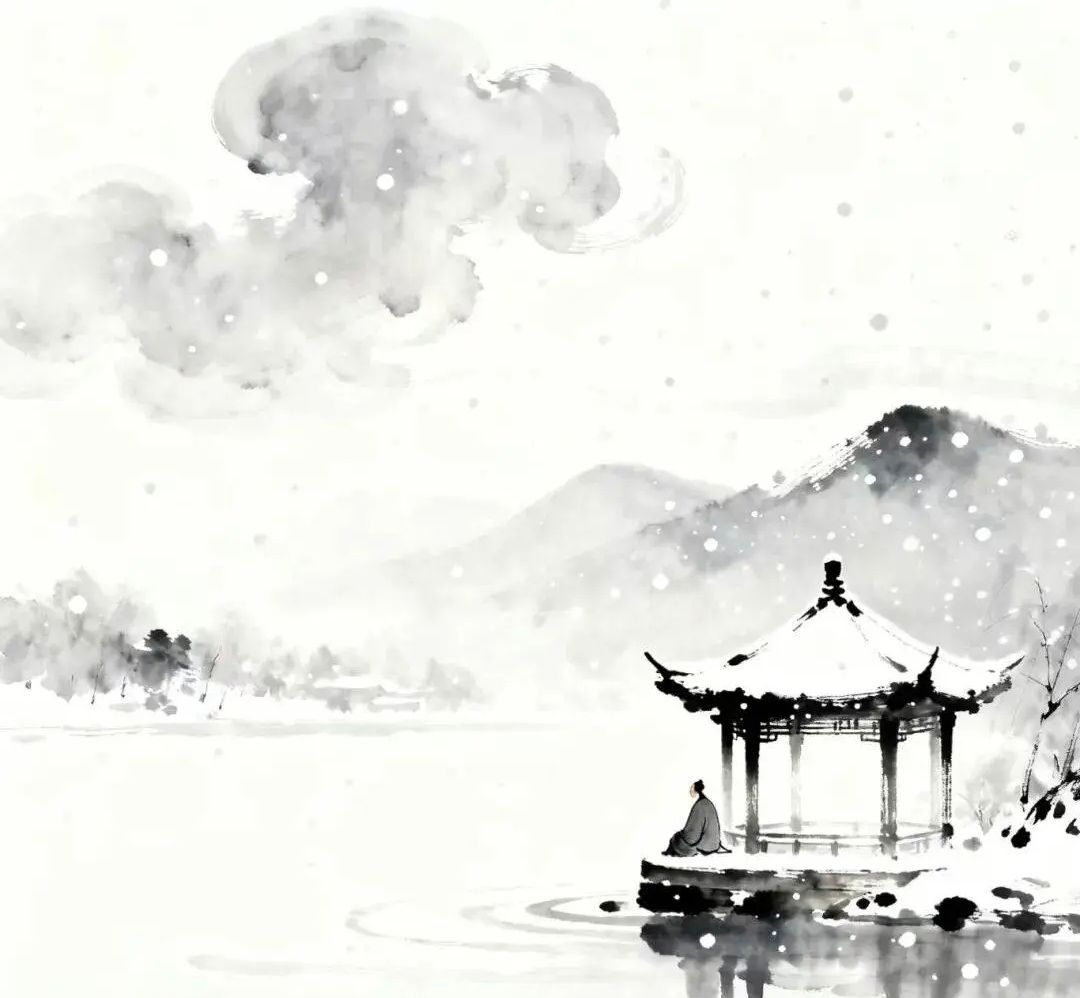
“湖上影子,惟长堤一痕、湖心亭一点、与余舟一芥、舟中人两三粒而已。”
读到这里,我忽然把手机放下,走到洛神湖让心灵通透一下。
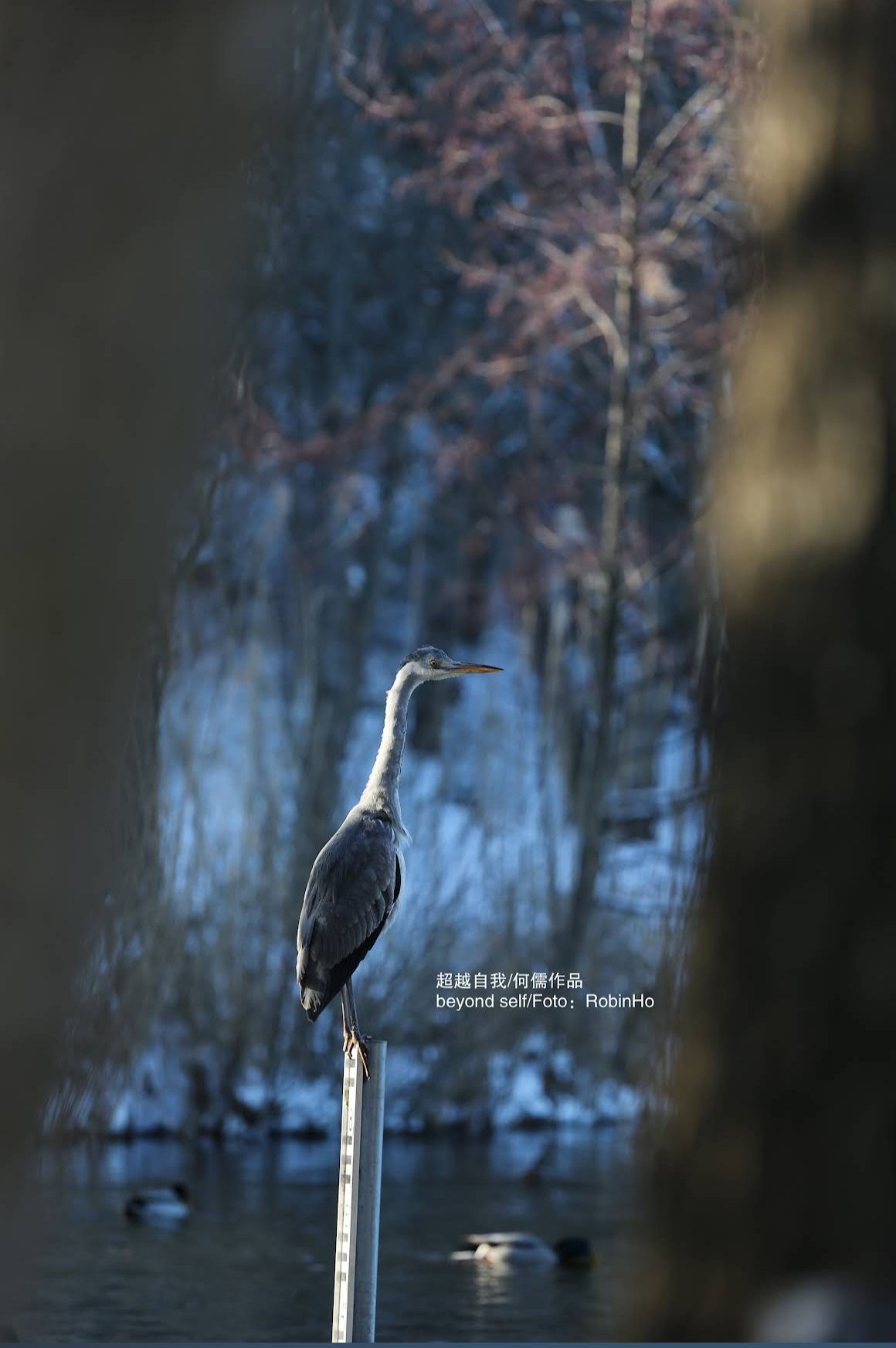
窗外是斯德哥尔摩的秋天,而我的心里,却下起了一场一千年的中国雪。
我也突然想起了一个已经远去的老人。
我的忘年之交——马悦然院士(瑞典名:Nils Göran David Malmqvist)。
想起当年我们对饮时,他和我还有冯先生谈中国文学、谈汉字、谈酒仙、谈翻译、谈那些能够穿越语言与岁月的东西。
有些话,当时听来只是席间清谈。
等一个人仙游远了,等自己也多走了一段人生,再重新读到柳宗元的“独钓寒江雪”,才突然明白:
有些话不是说给当时听的,而是留给岁月慢慢解释的。
一
柳宗元的雪,冷得惊人。
没有鸟。
没有人。
没有道路上的脚印。
甚至没有声音。
“千山”与“万径”本来都是极大的空间,可柳宗元用了一个“绝”,一个“灭”,一下把整个世界清空了。
然后,一只小船出现。
一个老人出现。
披蓑,戴笠。
独自垂钓。
中国诗歌中再没有几幅画,能够如此简单,又如此巨大。
二十个字而已。
没有一句写自己悲伤,没有一句写政治失意,没有一句控诉命运不公。
但我们知道,这首诗背后站着怎样的柳宗元。
永贞革新失败之后,他从长安跌落永州。从帝国政治中心来到当时偏远的南方,他经历的不只是地理上的迁徙,也是人生秩序的一次断裂。
所以后人很自然地把那个寒江上的蓑笠翁看作柳宗元自己的精神投影。
这当然是一种有历史依据的理解。
但如果《江雪》只有政治,它不会活一千多年。
真正伟大的诗,写成之后往往会挣脱作者。
于是今天再读,我反而越来越在意最后那个字:
雪。
他为什么不是“独钓寒江鱼”?
偏偏是:
独钓寒江雪。
雪怎么钓?
钓不到。
正因为钓不到,这个“钓”才突然从生活动作变成了精神动作。
他钓的也许已经不是鱼。
是在一个所有声音都消失之后,仍然寻找自己存在的位置。
天地皆空,我还在。
千山皆寂,我还在。
万径无人,我还在。
这是一种何等孤独的“在”。
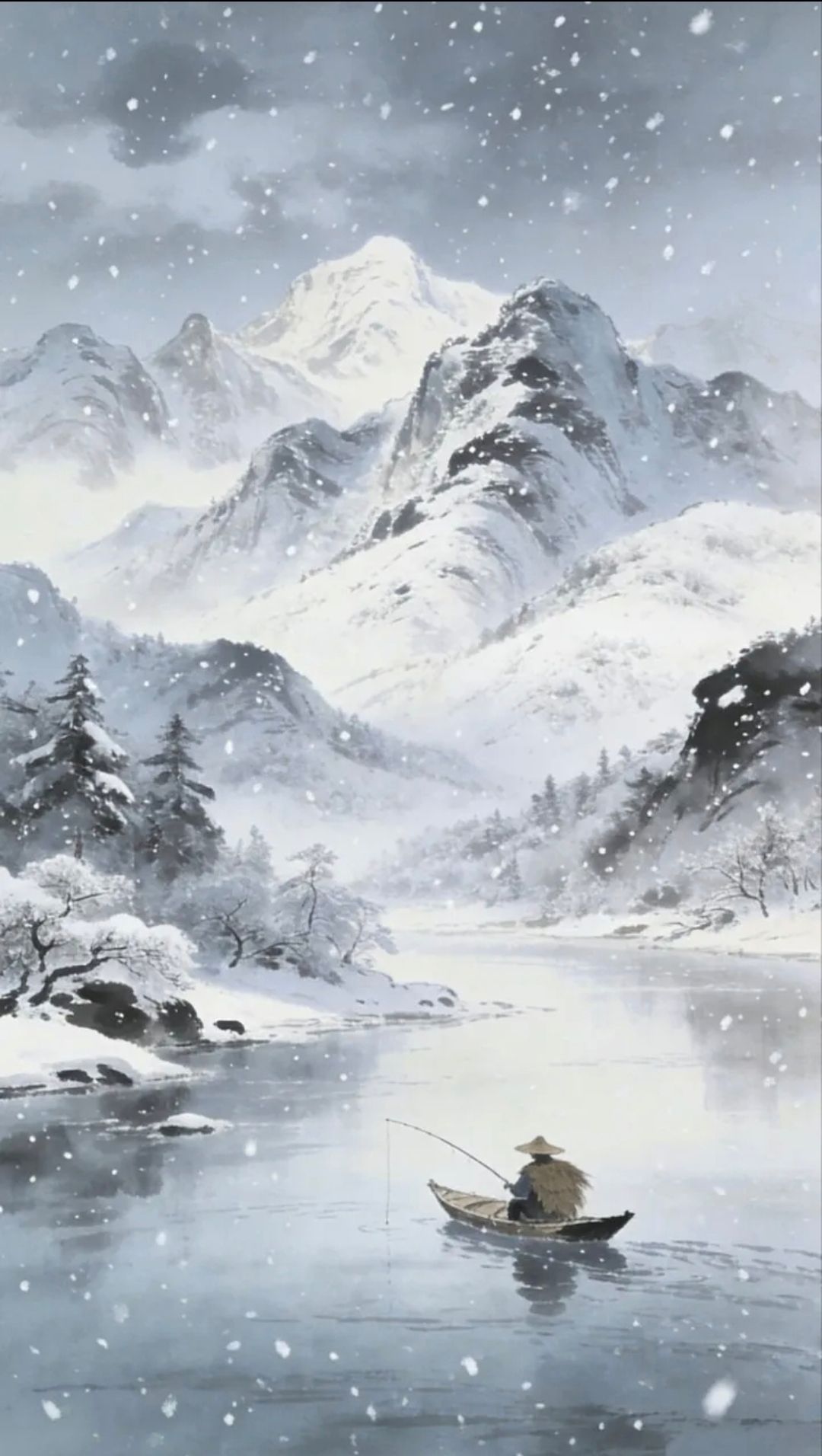
所以柳宗元的孤独,与其说是一个政治失意者对抗政敌,不如说是一个人在世界突然变得陌生以后,仍然坚持不让自己消失。
天地再大,我仍然留下一个“我”。
二
八百多年以后,中国又下了一场雪。
这一次是在杭州西湖。
崇祯五年十二月,大雪三日。
张岱写:
“湖中人鸟声俱绝。”
又是“绝”。
但是张岱的“绝”,和柳宗元已经不一样了。
柳宗元先写千山万径,然后让一个人突然站出来。
张岱却不断把人缩小。
天。
云。
山。
水。
然后长堤只剩“一痕”。
湖心亭只剩“一点”。
船只剩“一芥”。
最后,人呢?
“两三粒。”
妙极了。
中国文学写人,居然可以不用“个”,而用“粒”。
人变成了什么?
一粒尘埃。
一颗米。
一个几乎可以忽略不计的小点。
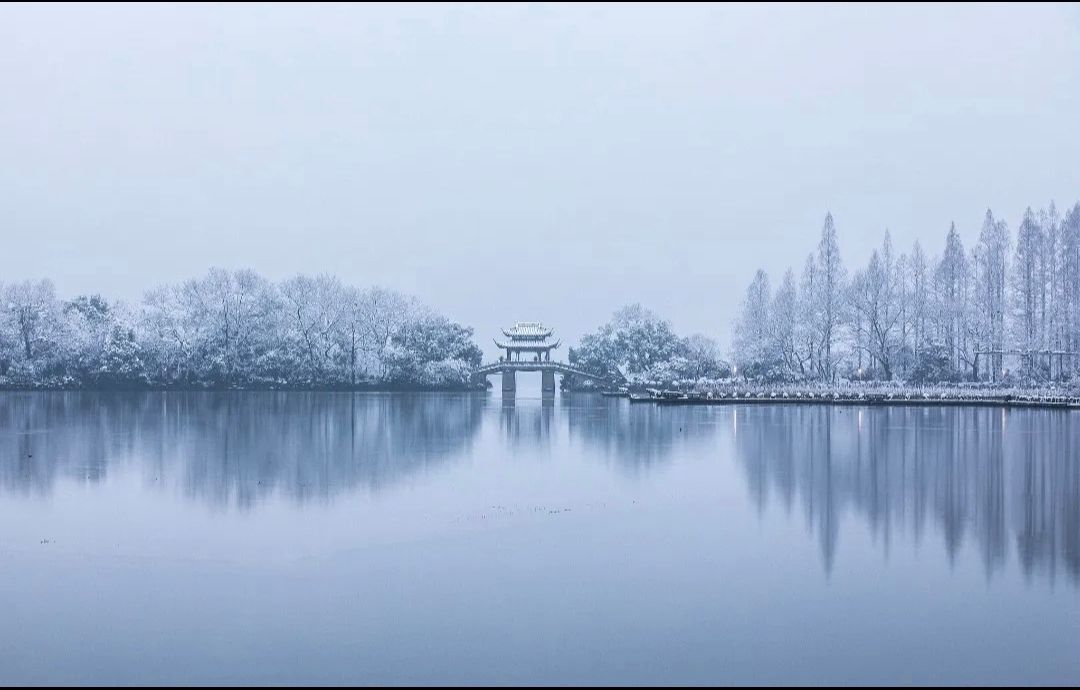
柳宗元把整个世界清空,留下一个人。
张岱却把整个世界写满,然后让人慢慢消失进去。
所以,如果一定要给这两场雪各找一个字,我想:
柳宗元是——
立。
张岱是——
化。
一个在雪里站立。
一个在雪里消融。
一个孤独得像碑。
一个孤独得像烟。
三
更令人感慨的是,《湖心亭看雪》真正写成时,张岱所眷恋的那个时代已经过去。
明朝亡了。
繁华散了。
曾经的钟鸣鼎食、诗酒风流,都成了昨日。
所以他偏偏写:
“崇祯五年十二月。”
这是记时间,又何尝不是记一个已经消失的世界?
尤其到了湖心亭,竟然还有两个金陵人坐在那里饮酒。
对方一见张岱,大喜:
“湖中焉得更有此人!”
多么温暖的一句话。
天地都白了。
人鸟声俱绝。
偏偏在这样一个夜晚,还有另外两个“疯子”跑到湖心亭喝酒看雪。
人生知己,有时候并不需要认识很多年。
只需要在所有人都不来的时候,你来了。
我也来了。
于是喝酒。
“强饮三大白而别。”
然后分别。
故事到这里似乎很温暖。
可是再想一层,却更伤感。
因为金陵是故都。
崇祯已经成为故国年号。
那些人与那场雪,都只能活在记忆里了。
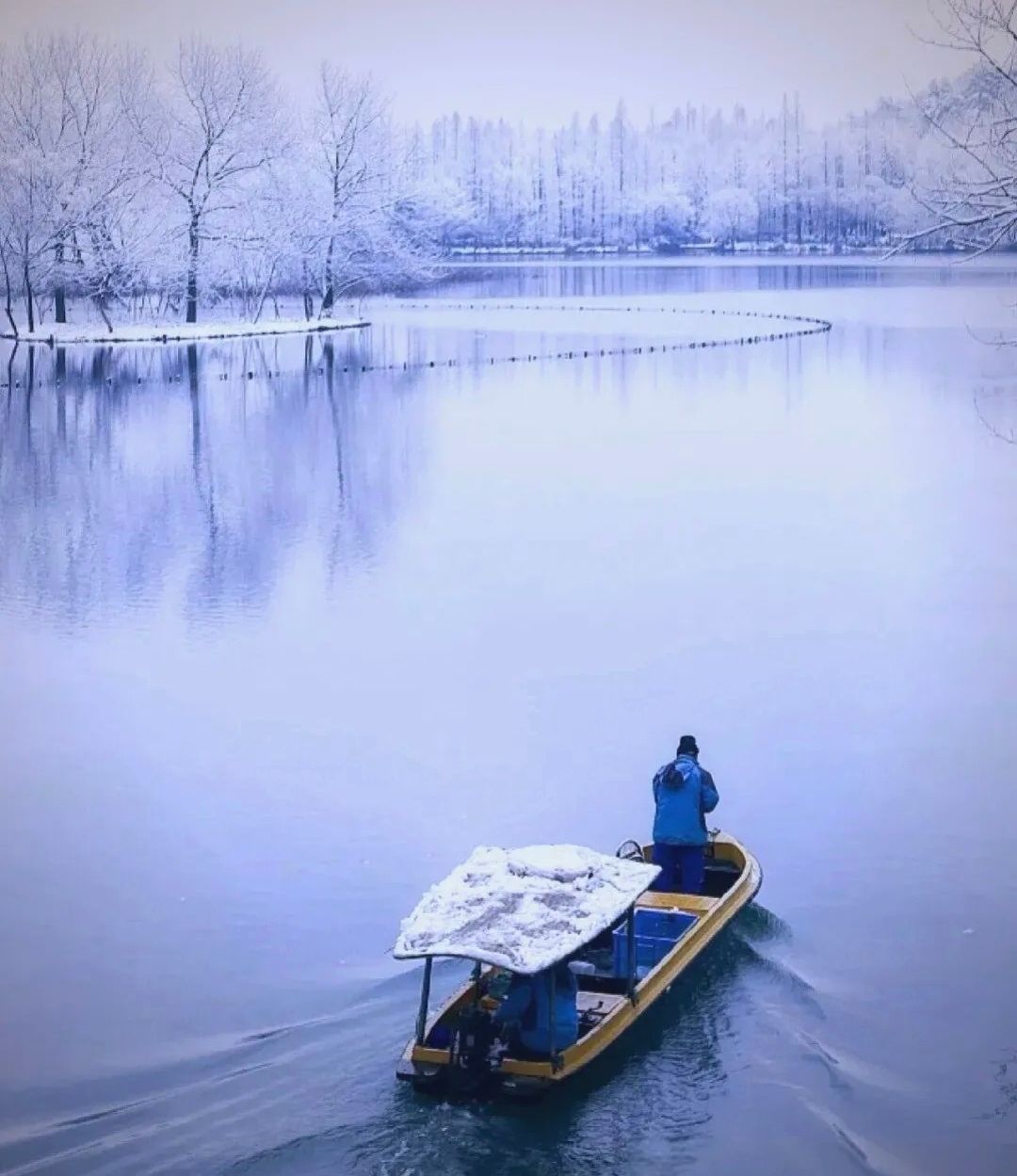
所以柳宗元是在现实世界中承受孤独。
张岱却是在记忆里寻找已经失去的世界。
一个人的敌人尚可看见。
时间,却没有敌人可以让你打败。
你只能记住。
文字于是成为最后的抵抗。
四
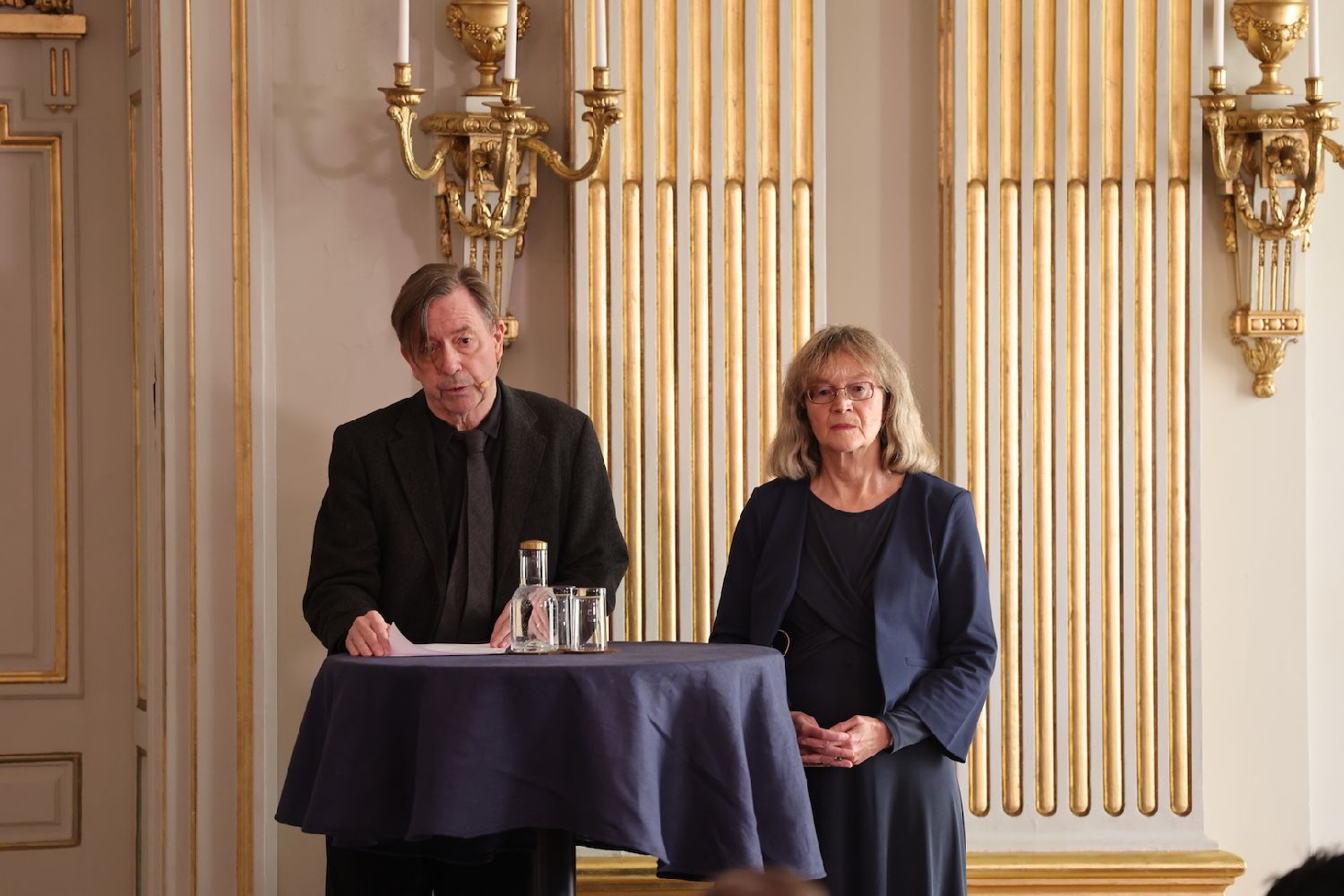
写到这里,我忽然想起马悦然先生。
马悦然是瑞典汉学家、瑞典学院院士,也曾长期担任诺贝尔文学奖评选工作中的重要角色。他把大量中国文学介绍给瑞典和欧洲读者,一生与中文结缘。
但我今天想起的,不首先是这些身份。
而是一个老人,一杯酒,一场谈话。
我曾有幸与他成为忘年之交。
我们对饮的时候,他谈起中国文学,有一种非常特别的神情。
一个瑞典人,把一生很大一部分时间交给了中文。
他读那些汉字,不只是把它们变成另一种语言,而是在努力把汉字背后那个看不见的世界,搬过一道语言的山。
年轻的时候,我们很容易认为翻译就是:
这个词等于那个词。
后来才知道,不是。
“孤舟蓑笠翁”,可以翻译。
“独钓寒江雪”,当然也可以翻译。
可是那个“独”有多冷?
那个“寒”有多远?
那个“雪”为什么可以被“钓”?
怎么翻?
再比如张岱的:
“一痕、一点、一芥、两三粒。”
英文、瑞典文当然都能够找到对应的词。
可是从“一痕”一路缩小到“两三粒”的中国审美,那种人与天地之间忽然失去比例的感觉,又该怎样搬到另一种语言里?
这时候我越来越理解,真正的翻译不是搬运文字。
是在两个文明之间摆渡。
而马悦然这样的汉学家,做了一辈子的,正是这样的摆渡人。
今天他已经不在了。
斯德哥尔摩还在。
瑞典学院还在。
诺贝尔文学奖每年还会宣布新的名字。
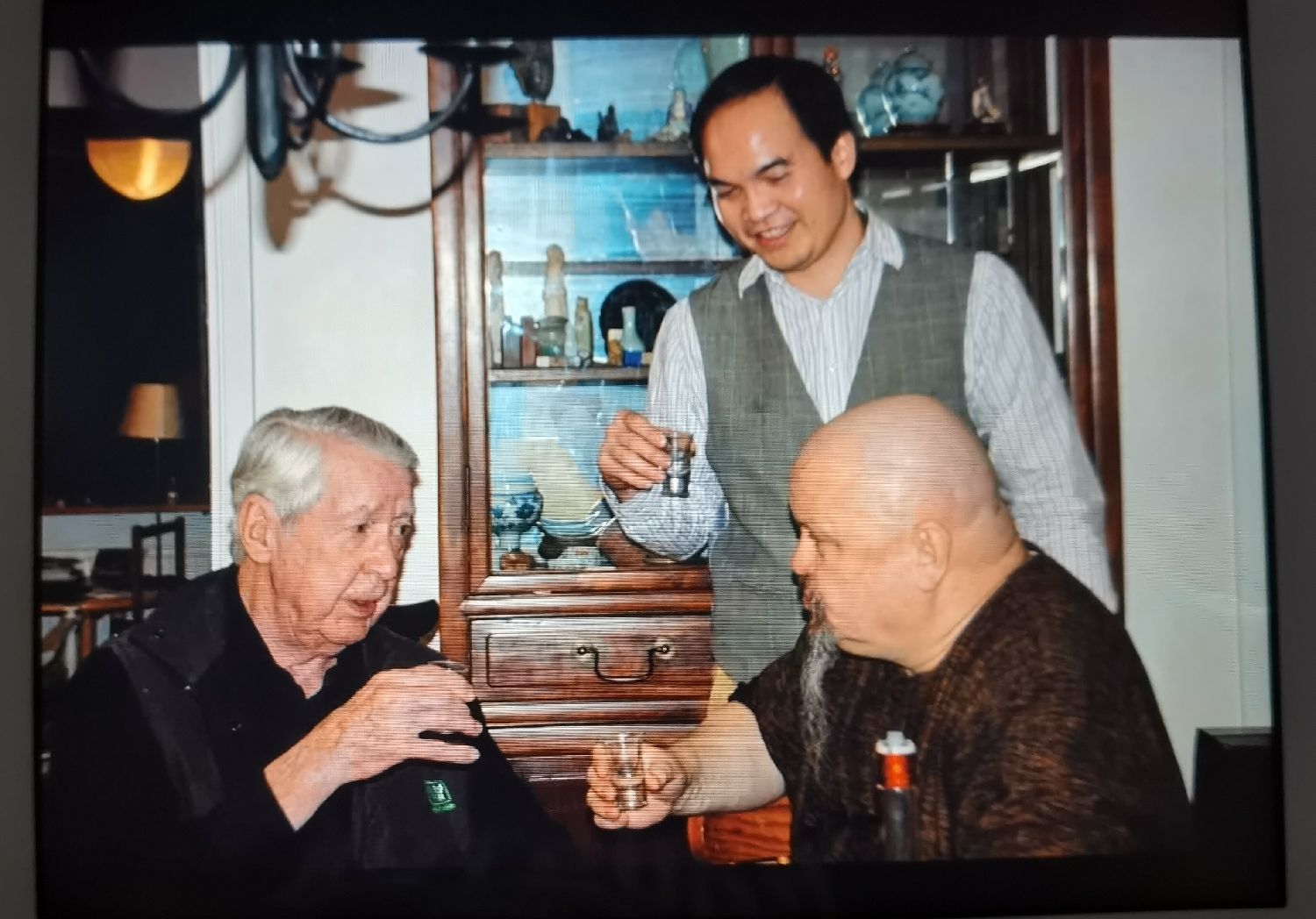
而当我重新读到柳宗元与张岱的时候,竟又想起我们当年对饮的情景。
酒杯里的话,有些已经记不清具体句子。
可是那种感觉还在。
这或许也是文学。
文字会忘掉一些细节,却把一个人的精神留下。
五
于是,我忽然产生了一个看似有些冒犯、其实很朴素的问题:
文学究竟需要什么奖?
当然,诺贝尔文学奖重要。
它能够让一个原本只属于某种语言的作家,一夜之间被全世界看见。
它能够让一家小出版社突然卖光库存,让一种边缘语言进入全球书店,让一个遥远民族的故事被另一个大陆的人读到。
尤其对于翻译文学而言,诺贝尔奖常常就是一座巨大的桥。
可是诺贝尔奖从1901年才开始。
柳宗元呢?
柳宗元生活在八九世纪。
他从来不知道瑞典在哪里。
不知道斯德哥尔摩。
不知道阿尔弗雷德·诺贝尔。
更不知道一千多年以后,在欧洲北方的一个城市,每年十月会有人宣布一个世界文学大奖。
他只是被贬到永州。
有一天,也许下雪了。
也许没有。
他在自己的精神世界里看见了那条寒江。
然后写下二十个字。
一千二百年以后,我们还在读。
这就出现了一个很有意思的问题:
如果文学最终还要接受时间的评奖,那么时间会把奖颁给谁?
六
诺贝尔文学奖一年评一次。
时间,却一年一年地重新评。
第一年,人们欢呼。
十年后,还有多少人在读?
五十年后呢?
一百年后呢?
五百年后呢?
一千年后呢?
这才是文学最严厉的评委会。
它没有十八位院士。
没有会议室。
没有投票。
没有新闻发布会。
甚至没有掌声。
它只做一件事:
遗忘。
绝大多数文字都会被它带走。
曾经洛阳纸贵的,会消失。
曾经权倾一时的,会消失。
曾经人人传诵的,也可能消失。
时间一遍一遍地冲刷,最后剩下来的东西,少得惊人。
可是《江雪》留下来了。
《湖心亭看雪》留下来了。
一个只有二十个字。
一个不过数百字。
这时候你才发现,文学真正惊人的地方,不是写得多,而是留下得久。
七
中国古典文学尤其有一种令西方读者着迷、又令翻译者头疼的能力:
以极少的文字,打开极大的空间。
“千山鸟飞绝”。
五个字,一千座山。
“万径人踪灭”。
五个字,一万条路。
再缩回来:
“孤舟”。
两个字。
“蓑笠翁”。
三个字。
最后一个:
“独”。
整个宇宙忽然只剩一个人。
这不是简单的风景描写。
这是用汉字完成的一次电影长镜头:
从无限远的群山慢慢推进,推进,推进——
最后落在一个老人身上。
张岱恰好反过来。
他的镜头不断后退。
从人退到舟。
从舟退到亭。
从亭退到长堤。
最后退到天、云、山、水。
人越来越小。
小成两三粒。
如果把两幅画挂在一起,就会发现一个惊人的中国精神结构:
一个告诉我们,人可以在宇宙面前不屈。
一个告诉我们,人也可以在宇宙面前放下自己。
一个是儒者式的坚守。
一个接近禅意的消融。
然而它们并不互相否定。
因为中国文人的精神世界,本来就不是一条直线。
穷则独善其身。
达则兼济天下。
可以“虽千万人吾往矣”。
也可以“一蓑烟雨任平生”。
可以站立。
也可以归隐。
可以抗争。
也可以看雪。
八
这大概也是为什么,我在诺贝尔文学奖揭晓前读这两篇作品,感受格外不同。
因为诺贝尔奖讨论的从来不只是“谁写得最好”。
它还涉及语言。
翻译。
历史。
文化传播。
时代经验。
以及一种文学,能不能跨越自己的母语,被另一个文明听见。
马悦然一代汉学家的意义,也正在这里。
他们做的事情,是把一条中国的寒江,引到北欧。
让一个从来没有到过永州的瑞典读者,也有机会看见那个蓑笠翁。
让一个没有在西湖雪夜坐过船的人,也能够想象:
天地一白。
长堤一痕。
湖心亭一点。
舟一芥。
人两三粒。
从这个意义上说,翻译本身就是文学的第二次生命。
而真正伟大的作品,总有一种奇怪的能力:
它出生在一个非常具体的地方,却最终不再只属于那个地方。
柳宗元写的是永州。
我们读到的是孤独。
张岱写的是西湖。
我们读到的是失去。
这就足够了。
因为孤独没有国籍。
失去不需要翻译。
九
几天以后,斯德哥尔摩会再次成为世界文学的中心。
记者们会提前来到现场。
摄影机架起来。
手机举起来。
世界各地的编辑部等待那个名字。
门打开。
名字念出来。
有人欢呼。
有人意外。
有人争论。
出版社连夜加印。
第二天,报纸头版会出现一张新的面孔。
这就是诺贝尔文学奖一年一度的时刻。
它庄严,也热闹。
然而热闹过后呢?
我想,也许应该重新回到那条寒江。
没有记者。
没有摄影机。
没有鲜花。
没有奖金。
只有一个老人。
一只孤舟。
一场雪。
还有二十个汉字。
千山鸟飞绝。
万径人踪灭。
孤舟蓑笠翁。
独钓寒江雪。
一千二百年前,它没有获奖。
一千二百年后,它仍然没有获奖。
可是,一千二百年来,一代又一代中国人替它投票。
每一次背诵,都是一票。
每一次重读,都是一票。
每一次在异国他乡突然想起“独钓寒江雪”,都是一票。
这样的票,不装进任何票箱。
却投进了时间。
十
窗外的斯德哥尔摩,天色渐渐暗下来。
真正的北欧冬雪还没有落下。
我却仿佛已经看见两场遥远的中国雪,从历史深处缓缓飘来。
一场落在永州。
一个老人,独自垂钓。
一场落在西湖。
一叶小舟,驶向湖心亭。
它们相隔八百余年,却又在今天的斯德哥尔摩相遇。
我也再次想起已经远去的马悦然先生。
如果老人还在,也许我们又可以倒上一杯酒。
我很想问他:
先生,您替中国文学摆渡了一辈子。您觉得,一篇真正伟大的文学作品,最后究竟是谁来评奖?
也许他会笑。
也许什么都不说。
窗外如果恰好下起雪,那就更好了。
因为答案其实早已写在那里。
不是瑞典学院。
不是评论家。
甚至不是我们这一代读者。
是时间。
几天以后,斯德哥尔摩将宣布2026年的诺贝尔文学奖。
那是属于这一年的名字。
而在遥远的中国,两场雪仍在下。
柳宗元的雪,已经下了一千二百年。
张岱的雪,也下了近四百年。
雪落无声。
孤舟未归。
湖心亭仍是天地间那淡淡的一点。
我们还在读。
这大概就是文学能够获得的、比任何奖杯都更漫长的一次加冕。
诺贝尔文学奖宣布的是一年。
时间宣布的,才是永恒。
Stockholm Awaits the Nobel Prize, While Two Chinese Snowfalls Have Been Falling for a Thousand Years
— Rereading Liu Zongyuan and Zhang Dai on the Eve of the Nobel Prize in Literature
By Robin Ho
Nordic Chinese Times
Late September has brought a deepening autumn to Stockholm.
Day by day, the leaves turn from green to gold. Winds drift in from Lake Mälaren, and in the chill of the morning air one can already sense the quiet approach of winter.
The snow has not yet arrived.
And yet, in just a few days, the eyes of the literary world will migrate to Stockholm like autumn birds. Once again, the doors of the Swedish Academy will open, and a name will be announced — first in Swedish, then carried across languages and continents:
the laureate of the 2026 Nobel Prize in Literature.
Every year, as this moment approaches, I experience a peculiar feeling.
As a Chinese journalist who has lived in Stockholm for many years, I am physically close to the Nobel Prize. The buildings, the streets, the halls where the prizes are announced — they are not distant television images to me. They are part of the landscape of everyday life.
But this year, before waiting for that new name, I happened to encounter two snowfalls from the history of Chinese literature.
One fell in Yongzhou during the Tang dynasty.
The other fell over West Lake in Hangzhou near the end of the Ming dynasty.
More than eight centuries separate them.
In the first snowfall, the poet Liu Zongyuan wrote only twenty Chinese characters:
From a thousand mountains, birds have vanished;
Along ten thousand paths, no human trace remains.
A lone boat. An old man in straw cloak and hat,
Fishing alone in the cold river snow.
In the second snowfall, Zhang Dai travelled at night to West Lake:
“Rime and mist filled the air. Sky, clouds, mountains and water — above and below, all was white.”
Looking across the lake, he saw only:
“a trace of the long causeway, a dot of the pavilion in the lake, my boat like a blade of grass, and two or three people aboard, no more than tiny grains.”
I stopped reading.
Outside my window was the autumn of Stockholm.
Inside me, however, a Chinese snowfall a thousand years old had begun again.
And suddenly I remembered an old man who is no longer with us.
My late friend across generations — Göran Malmqvist.
I remembered the times we drank together and spoke of Chinese literature, Chinese characters, translation, and those mysterious things that somehow survive both language and time.
Some of what he said seemed, at the time, simply the conversation of two friends over wine.
Only after someone has departed, and only after we ourselves have travelled farther along the road of life, do certain words return to us with another meaning.
Rereading Liu Zongyuan’s “fishing alone in the cold river snow,” I suddenly understood:
Some words are not spoken merely for the moment in which they are heard. They are left for time to explain.
I. The Solitude That Remains Standing
Liu Zongyuan’s snow is almost unbearably cold.
No birds.
No people.
No footprints along the roads.
Almost no sound.
“A thousand mountains” and “ten thousand paths” create an immense landscape. Yet with two verbs — vanished and erased — Liu empties that entire world of life.
Then a little boat appears.
Then an old man.
A straw raincoat.
A bamboo hat.
A fishing line.
Few images in Chinese poetry are at once so simple and so vast.
Only twenty characters.
Not once does Liu say that he is grieving.
Not once does he complain of political failure.
Not once does he accuse fate.
Yet behind the poem stands the life of Liu Zongyuan.
Following the failure of the Yongzhen Reform, he was banished from Chang’an, the political heart of the empire, to distant Yongzhou. It was more than a geographical displacement. The order of his life had collapsed.
It is therefore natural that generations of readers have seen the old fisherman as a spiritual projection of the poet himself.
But if River Snow were merely a political poem, it would not have lived for more than a thousand years.
Great poetry eventually escapes its author.
And so today I find myself returning to the final word:
snow.
Why does he not write that the old man is fishing for fish?
Instead, he is:
fishing alone in the cold river snow.
How does one fish for snow?
One cannot.
And precisely because one cannot, fishing ceases to be merely a physical act and becomes a spiritual one.
Perhaps the old man is no longer fishing for fish.
Perhaps he is searching, after every sound in the world has disappeared, for a place in which the self can still exist.
The world is empty.
Yet I remain.
A thousand mountains are silent.
Yet I remain.
Ten thousand paths are deserted.
Yet I remain.
What an extraordinary form of solitude:
to remain.
Liu Zongyuan’s loneliness, then, is larger than the political enemies of his time. It is the solitude of a human being who, after the world has suddenly become unfamiliar, refuses to disappear with it.
However vast the universe, there is still an “I” standing within it.
II. Eight Centuries Later, Snow Falls Again
More than eight hundred years later, snow fell again in Chinese literature.
This time, over West Lake in Hangzhou.
It was the twelfth lunar month of the fifth year of Chongzhen.
Snow had fallen for three days.
Zhang Dai wrote:
“Across the lake, the voices of people and birds had entirely ceased.”
Again, that sense of absolute disappearance.
But Zhang Dai’s silence is different from Liu Zongyuan’s.
Liu empties the world and then allows one human figure to stand within it.
Zhang Dai does the opposite.
He makes the human being progressively smaller.
Sky.
Clouds.
Mountains.
Water.
The long causeway becomes merely a trace.
The pavilion becomes a dot.
The boat becomes a blade of grass.
And the people?
Only:
“two or three grains.”
How extraordinary.
Human beings are no longer counted as persons.
They are grains.
Dust.
Tiny particles almost invisible in the universe.
Liu Zongyuan empties the world and leaves behind one man.
Zhang Dai fills the world until the human being dissolves into it.
If I had to choose one word for each snowfall, I would choose these:
For Liu Zongyuan:
Stand.
For Zhang Dai:
Dissolve.
One stands within the snow.
The other disappears into it.
One solitude resembles a monument.
The other resembles smoke.
III. When Memory Becomes the Last Homeland
There is something even more poignant about Zhang Dai.
By the time he wrote about that night on West Lake, the world he loved had already disappeared.
The Ming dynasty had fallen.
Its splendour was gone.
The refined life of poetry, wine, gardens, music and cultivated pleasures to which he had belonged had become yesterday.
And yet he deliberately dates the memory:
“the fifth year of Chongzhen.”(崇祯五年)
It is a date.
But it is also the name of a vanished world.
At the pavilion, something remarkable happens.
Zhang Dai discovers two men from Nanjing already sitting there drinking.
When they see him, they exclaim:
“How could there be another person like us on the lake!”
What a warm sentence.
The entire world has turned white.
The voices of birds and people have disappeared.
And yet, on such a night, there are still two other “madmen” who have travelled into the snow simply to drink and look at the lake.
Sometimes friendship does not require years.
It requires only this:
when everyone else stays home,
you came.
And I came too.
So they drink.
Then they part.
At first, it seems like the warmest moment in the story.
But look again, and it becomes even sadder.
Nanjing was the old capital.
Chongzhen had become the reign title of a fallen dynasty.
The men, the wine, the snow — all could now exist only in memory.
Liu Zongyuan endured solitude in the present.
Zhang Dai searched through memory for a world already lost.
An enemy may be confronted.
Time cannot.
Against time, all one can do is remember.
Writing becomes the final resistance.
IV. Remembering Göran Malmqvist
And this is where I find myself thinking again of Göran Malmqvist.
Malmqvist was a Swedish sinologist and a member of the Swedish Academy. For decades, he helped introduce Chinese literature to Sweden and Europe, devoting much of his life to the Chinese language.
But today, I do not first remember his titles.
I remember an old man.
A glass of wine.
A conversation.
I was fortunate enough to know him as a friend across generations.
When we drank together and he spoke of Chinese literature, there was something particular in his expression.
Here was a Swede who had entrusted a large part of his life to the Chinese language.
He did not simply turn Chinese words into another language.
He tried to carry the invisible world behind those characters across the mountains separating one language from another.
When we are young, we tend to imagine translation as an equation:
this word equals that word.
Later we discover that it does not.
“An old man in a straw cloak and hat” can be translated.
“Fishing alone in the cold river snow” can certainly be translated.
But how cold is that word alone?
How far away is that word cold?
And why can snow be something one fishes for?
How do we translate that?
Or take Zhang Dai:
a trace,
a dot,
a blade of grass,
two or three grains.
English and Swedish can find corresponding words.
But how do we carry across the aesthetic movement by which a human being becomes smaller and smaller until he nearly disappears into heaven and earth?
That is when one begins to understand:
True translation is not the transportation of words.
It is ferrying between civilizations.
And men like Göran Malmqvist spent their lives as ferrymen.
He is gone now.
Stockholm remains.
The Swedish Academy remains.
Every year, another Nobel laureate in literature is announced.
And yet, rereading Liu Zongyuan and Zhang Dai, I find myself remembering those evenings over wine.
I no longer remember every sentence.
But I remember the spirit of the conversation.
Perhaps that, too, is literature.
Words may lose some details, yet preserve the spirit of a human being.
V. What Prize Does Literature Really Need?
And so a seemingly irreverent but very simple question occurred to me:
What prize does literature truly need?
The Nobel Prize in Literature matters, of course.
It can allow a writer previously known mainly within one language to be discovered across the world overnight.
It can empty the shelves of a small publisher.
It can carry a marginal language into international bookstores.
It can introduce the experience of one distant people to readers on another continent.
For translated literature in particular, the Nobel Prize can become an enormous bridge.
But the Nobel Prize began only in 1901.
What of Liu Zongyuan?
He lived in the eighth and ninth centuries.
He never knew Sweden.
He never knew Stockholm.
He never knew Alfred Nobel.
He certainly could not have imagined that, more than a thousand years later, somewhere in northern Europe, a literary prize would be announced every October and followed around the world.
He was simply exiled to Yongzhou.
Perhaps one day it snowed.
Perhaps it did not.
But somewhere within his inner landscape he saw that cold river.
And he wrote twenty characters.
More than twelve centuries later, we are still reading them.
And that raises another question:
If literature must ultimately be judged by time, to whom does time give its prize?
VI. Time Is the Most Merciless Jury
The Nobel Prize in Literature is awarded once a year.
Time judges again every year.
In the first year, people applaud.
Ten years later — how many are still reading?
Fifty years later?
A century?
Five centuries?
A thousand years?
That is literature’s most merciless jury.
It has no eighteen academicians.
No meeting room.
No ballots.
No press conference.
No applause.
It does only one thing:
It forgets.
Most writing will be carried away.
Books once celebrated everywhere disappear.
Writers once powerful disappear.
Works once recited by everyone may disappear too.
Time washes over literature again and again.
What remains is astonishingly little.
Yet River Snow remains.
Watching the Snow at the Pavilion in the Heart of the Lake remains.
One is only twenty Chinese characters.
The other, only a few hundred.
And suddenly we understand:
The astonishing thing about literature is not how much one writes.
It is how long the words remain.
VII. Twenty Characters, an Entire Universe
Classical Chinese literature possesses a particular power that fascinates foreign readers and torments translators:
the ability to open an immense space with very few words.
“A thousand mountains, no birds.”
Five Chinese characters.
A thousand mountains.
“Ten thousand paths, no human trace.”
Five characters.
Ten thousand roads.
Then the camera moves inward:
a lone boat.
An old man.
Finally:
alone.
The entire universe contracts around one human being.
This is more than landscape poetry.
It is a cinematic long shot created with Chinese characters.
The camera begins with limitless mountains.
It moves closer.
Closer.
Closer still.
Until finally it rests upon one old man.
Zhang Dai reverses the movement.
His camera retreats.
From people to boat.
From boat to pavilion.
From pavilion to causeway.
From causeway to sky, clouds, mountains and water.
Human beings grow smaller and smaller.
Until they become grains.
Place these two images beside each other and an extraordinary structure within the Chinese imagination emerges:
One tells us that a human being may refuse to yield before the universe.
The other tells us that a human being may also let go of himself before the universe.
One is endurance.
The other, dissolution.
Yet they do not contradict each other.
The Chinese literary spirit has never been a single straight road.
One may stand.
One may withdraw.
One may resist.
One may simply watch the snow.
VIII. The Ferrymen Between Languages
Perhaps this is why these two works feel so different to me on the eve of the Nobel Prize in Literature.
The Nobel conversation has never been simply about “who writes best.”
It is also about language.
Translation.
History.
Cultural transmission.
The experience of an age.
And whether a work born within one language can cross its borders and be heard by another civilization.
This was also the significance of the generation of sinologists to which Göran Malmqvist belonged.
They carried a Chinese cold river into northern Europe.
They made it possible for a Swedish reader who had never visited Yongzhou to see that old fisherman.
They allowed someone who had never crossed West Lake on a snowy night to imagine:
the whole world white,
a trace of causeway,
a dot of pavilion,
a boat like a blade of grass,
two or three human grains.
In this sense, translation is literature’s second life.
And truly great literature possesses a strange power:
It is born in one very specific place, yet eventually ceases to belong only to that place.
Liu Zongyuan wrote of Yongzhou.
We read solitude.
Zhang Dai wrote of West Lake.
We read loss.
That is enough.
Because solitude has no nationality.
And loss requires no translation.
IX. The Votes Cast Into Time
In a few days, Stockholm will once again become the centre of the literary world.
Journalists will gather early.
Cameras will be positioned.
Phones will rise into the air.
Newsrooms around the world will wait.
The door will open.
A name will be spoken.
Some will cheer.
Some will be surprised.
Some will argue.
Publishers will rush new editions into print.
The next morning, newspapers will carry a new face.
Such is the annual moment of the Nobel Prize in Literature.
Solemn.
Exciting.
And then?
Perhaps we should return to that cold river.
No journalists.
No cameras.
No flowers.
No prize money.
Only an old man.
A solitary boat.
A snowfall.
And twenty Chinese characters.
More than twelve hundred years ago, they won no prize.
Twelve hundred years later, they still have no prize.
And yet, for twelve centuries, generation after generation of Chinese readers has been voting for them.
Every recitation is a vote.
Every rereading is a vote.
Every time someone living far from China suddenly remembers “fishing alone in the cold river snow,” another vote is cast.
Those votes enter no ballot box.
They are cast into time.
X. Two Snowfalls Still Falling
Outside my window, Stockholm is growing dark.
The first true snow of the Nordic winter has not yet fallen.
Yet I can almost see two distant Chinese snowfalls drifting slowly towards me from the depths of history.
One falls over Yongzhou.
An old man fishes alone.
The other falls over West Lake.
A little boat moves towards the pavilion.
More than eight centuries separate them.
And yet tonight, in Stockholm, they meet.
I think once more of Göran Malmqvist.
If the old gentleman were still here, perhaps we could pour another glass of wine.
I would like to ask him:
You spent a lifetime ferrying Chinese literature across languages. Tell me — who ultimately awards the prize to a truly great work of literature?
Perhaps he would smile.
Perhaps he would say nothing.
And if snow happened to be falling outside, so much the better.
Because the answer has already been written there.
Not the Swedish Academy.
Not the critics.
Not even our generation of readers.
Time.
In a few days, Stockholm will announce the laureate of the 2026 Nobel Prize in Literature.
That will be the name of this year.
But far away in China, two snowfalls are still falling.
Liu Zongyuan’s snow has been falling for more than twelve hundred years.
Zhang Dai’s for nearly four hundred.
The snow falls without sound.
The solitary boat has not returned.
The pavilion in the heart of the lake remains a faint dot between heaven and earth.
And we are still reading.
Perhaps this is literature’s longest coronation — one that no medal, diploma or ceremony can equal.
The Nobel Prize in Literature announces a name for a year.
Time announces what endures.