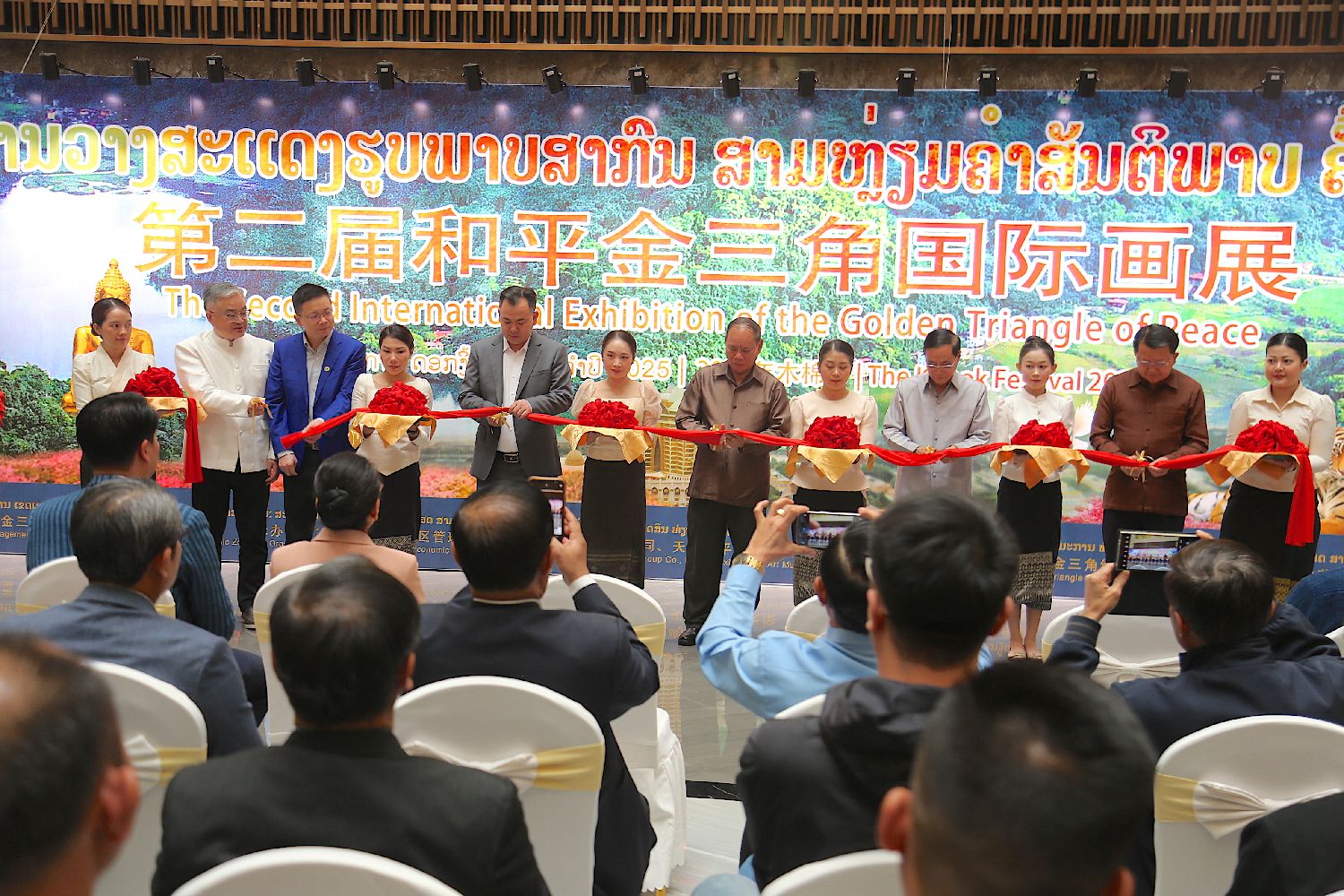
(本报 老挝博胶讯)在“一带一路”倡议的推动下,老挝金三角经济特区正成为全球瞩目的合作典范。2025年2月1日,农历中国春节正月初四,第二届和平金三角国际画展在老挝金三角经济特区盛大开幕,100幅来自全球百余国艺术家的作品,以“和平”为主题,展现了人类共同的愿景。这不仅是一次艺术交流的盛会,更是“一带一路”倡议下文明互鉴的生动体现。详见报道
从“金三角”到“金色幸福城”
曾经,金三角地区因毒品与冲突而闻名,而如今,在中国华侨企业家赵伟先生的开拓精神和老挝人民的辛勤努力下,这片土地焕发出新的生机。金三角经济特区采用“城市替代”的发展模式,以经济合作、文化交流和可持续发展为核心,让这片曾经充满不确定性的土地变成了和平与繁荣的象征。中国与老挝的合作不仅推动了基础设施建设,如昆明至万象高铁的开通,更促进了人文交流,让“一带一路”的理念在这里落地生根。
北欧视角:文明互鉴的全球样本
老挝曾经属于法国殖民地,笔者从北欧飞赴老挝,从北欧的角度来看,金三角经济特区的发展模式提供了一种全新的全球治理经验。北欧国家长期以来注重社会福利、环境保护与可持续发展,而金三角经济特区同样强调生态、健康、和谐、安全的城市发展理念。这种兼顾经济增长与社会责任的发展方式,值得北欧国家深入研究,也为“一带一路”沿线国家提供了可借鉴的范例。
更值得关注的是,文化交流在“一带一路”合作中的独特作用。本次画展正是文明互鉴的典型案例,100幅“和平”主题画作不仅是艺术的呈现,更是不同文化对和平理念的共鸣。正如老挝副总理维莱·拉坎丰在画展开幕式上所言,这是“人类最需要的和平文化艺术展”,它超越国界,向世界传递了和平与合作的讯息。
北欧时报:共绘“一带一路”文明新篇章
金三角经济特区的成功不仅是经济奇迹,更是文化交融的胜利。在全球面临不确定性、地缘政治挑战加剧的当下,这片土地以实际行动证明了“一带一路”命运共同体的现实意义。北欧与东南亚虽相距遥远,但在推动和平、可持续发展和文化交流方面,有着共同的愿景(尤其近年来北欧社会的动荡,帮派和毒品犯罪频发,严重打乱了安逸和平的世界)。金三角的经验或许能为北欧国家提供新的思考,北欧的社会治理经验,也可以为“一带一路”建设贡献智慧。
和平必胜,合作共赢,这是世界人民的共同追求。在“一带一路”倡议下,我们期待更多像金三角经济特区这样的合作典范,让不同文明在交流互鉴中共同书写人类命运共同体的新篇章。
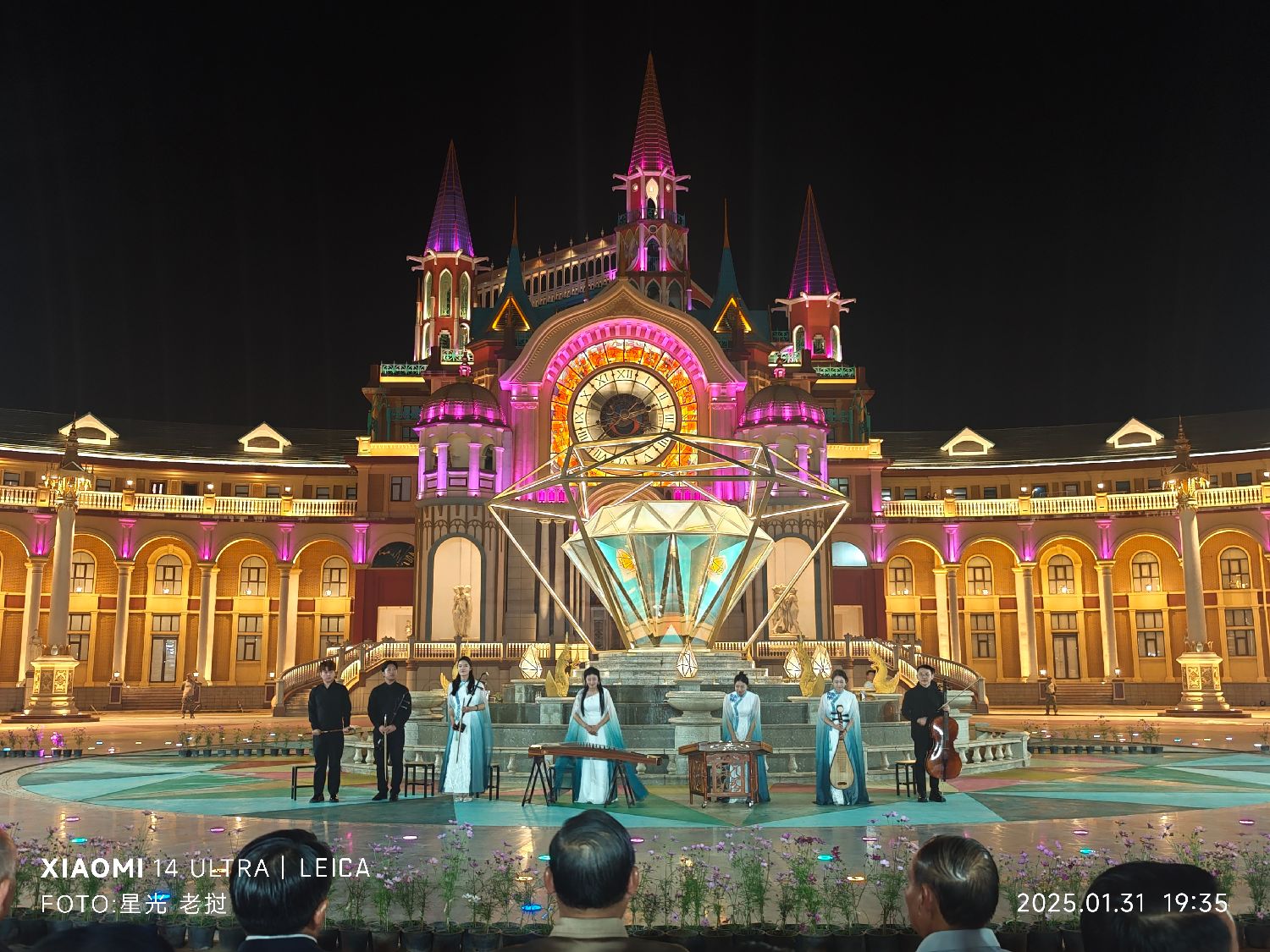
现场更多画展图片链接:#小程序://萌芽相册/YwoPQCJvQzoQeXy
Laos'Golden Triangle from a Nordic Perspective:A Vision of Cultural Exchange and Shared Peace
(By Nordic Chinese Times in Bokeo,Laos)
Under the framework of the Belt and Road Initiative(BRI),the Golden Triangle Special Economic Zone(GTSEZ)in Laos has emerged as a global model for international cooperation.On February1,2025—the fourth day of the Chinese Lunar New Year—the Second Peaceful Golden Triangle International Art Exhibition grandly opened in the GTSEZ.The exhibition showcases100artworks created by artists from over100countries,all centered around the theme of“peace,”reflecting a shared vision for humanity.This is not only a grand artistic exchange but also a vivid demonstration of cultural mutual learning under the BRI.[For more details,see the full report.]
From the"Golden Triangle"to the"Golden City of Happiness"
Once infamous for drug trafficking and conflict,the Golden Triangle region has now been revitalized through the pioneering spirit of Chinese entrepreneur Zhao Wei and the hard work of the Lao people.The GTSEZ has adopted an innovative“urban substitution”development model,focusing on economic cooperation,cultural exchange,and sustainable development.This transformation has turned a once-unstable region into a symbol of peace and prosperity.The collaboration between China and Laos has not only driven infrastructure development—such as the high-speed railway connecting Kunming and Vientiane—but has also fostered deeper cultural ties,bringing the BRI vision to life in this part of the world.
A Nordic Perspective:A Global Model of Civilizational Exchange
Laos was once a French colony,and as a journalist traveling from Northern Europe to Laos,I view the development of the GTSEZ through a Nordic lens.This model offers fresh insights into global governance.For decades,Nordic countries have prioritized social welfare,environmental protection,and sustainable development—values that align closely with the GTSEZ’s emphasis on ecology,health,harmony,safety,and peace.This balanced approach to economic growth and social responsibility deserves further study in Nordic countries and offers a valuable reference for other BRI nations.
Equally important is the role of cultural exchange in fostering international cooperation.This exhibition exemplifies civilizational dialogue at its finest—100artworks themed around“peace”not only serve as artistic expressions but also reflect a shared cultural resonance.As Lao Deputy Prime Minister Vilay Lakhamfong stated at the opening ceremony,this is“the most meaningful peace-themed cultural art exhibition the world needs.”It transcends national boundaries,delivering a powerful message of peace and cooperation to the world.
Nordic Chinese Times:Painting a New Chapter in BRI Civilization
The success of the GTSEZ is not just an economic miracle—it is a triumph of cultural integration.Amidst increasing global uncertainties and geopolitical challenges,this region stands as a testament to the real significance of a shared future for mankind under the BRI framework.While Northern Europe and Southeast Asia are geographically distant,they share a common vision for peace,sustainable development,and cultural exchange.In recent years,Nordic societies have faced rising social unrest,gang violence,and drug-related crimes,which have disrupted the traditionally peaceful way of life.Perhaps the GTSEZ’s transformation offers valuable insights for Nordic nations,just as Nordic experiences in social governance could contribute to the ongoing development of the BRI.
Peace will prevail,cooperation will triumph—this is the shared aspiration of all humanity.Under the BRI,we look forward to more cooperative models like the GTSEZ,where different civilizations can engage in meaningful exchange and together write a new chapter in the story of a global community with a shared future.
