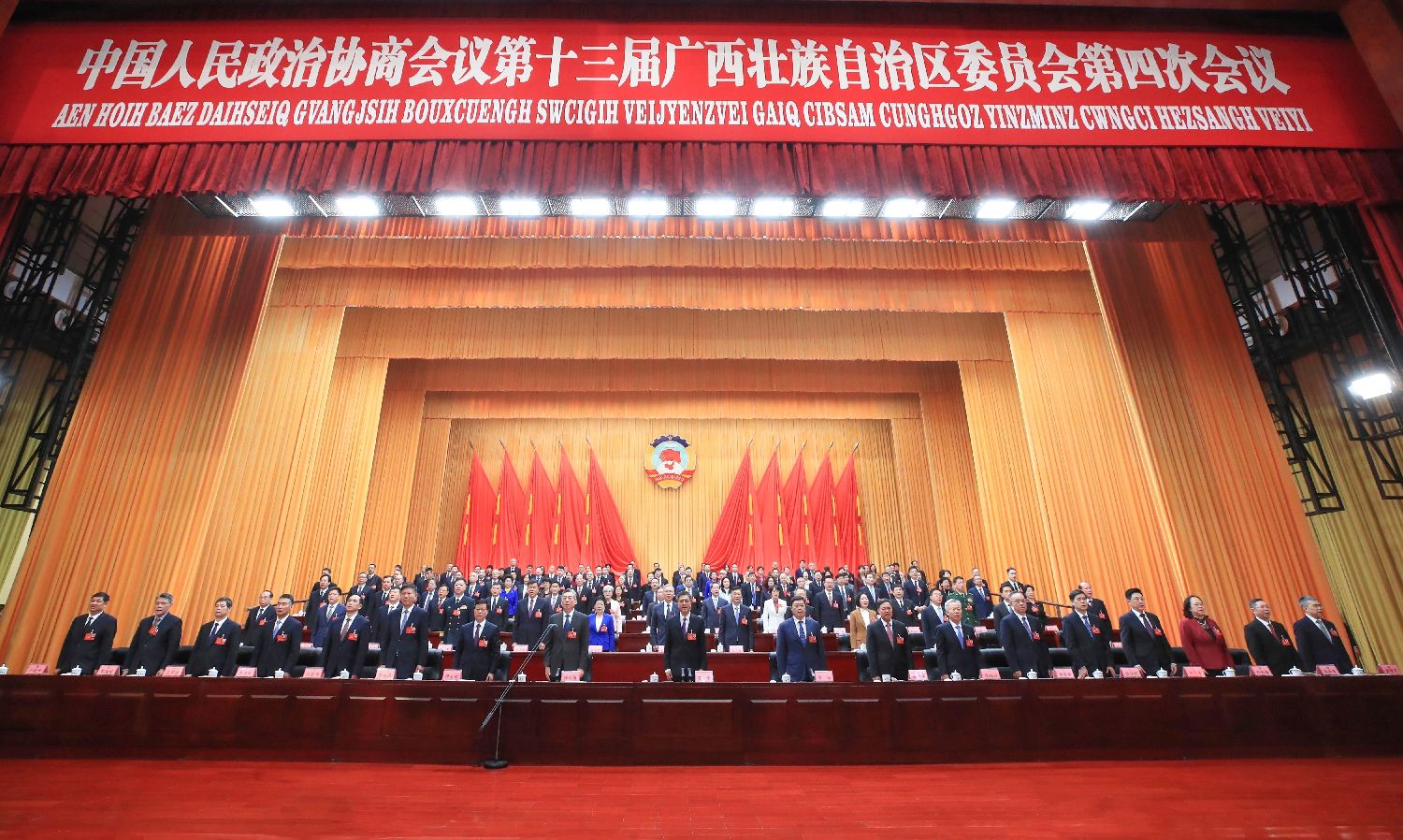
在刚刚落下帷幕的广西壮族自治区政协十三届四次会议,对北欧观察者而言,不只是一次常规地方两会,更是一扇理解“中国式协商民主如何在地方层面运转”的现实窗口。
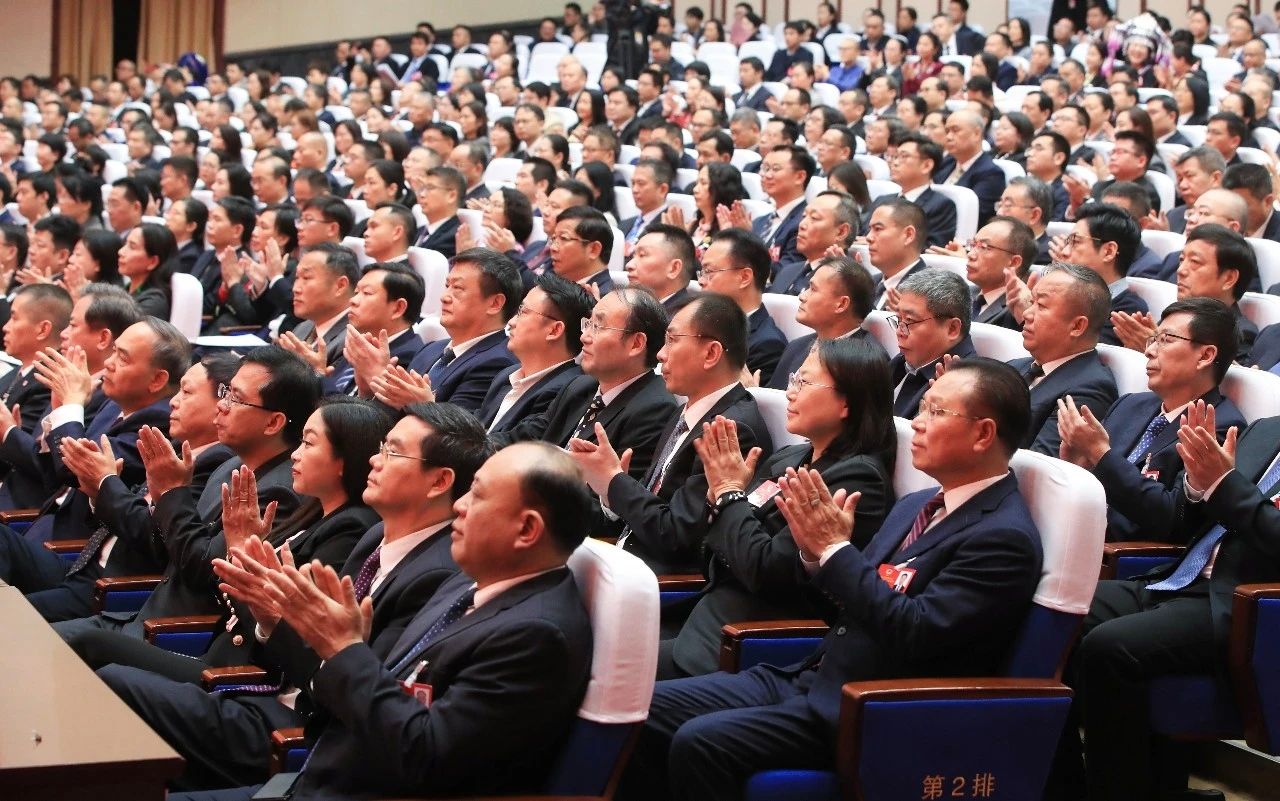
会议由广西政协主席孙大伟主持,自治区党委书记陈刚、自治区主席韦韬出席。大会集中审议了常委会工作报告、提案工作报告、2026年协商计划及政治决议,658名委员中606人到会——这一“制度化参与”的规模,本身就体现了中国地方治理中高度组织化、程序化的协商结构。
一、从北欧“共识政治”到中国“全过程人民民主”
在瑞典、芬兰、挪威等北欧国家,政治运行强调“共识构建”(consensus building):议会多党协商、工会—企业—政府三方对话、地方自治广泛参与。而广西政协会议所呈现的,则是另一种路径——以中国共产党领导为核心,通过政协这一专门协商机构,把党政目标、专业意见、基层声音汇聚为“最大公约数”。
这种模式的关键,不在“对抗式辩论”,而在“协商式聚合”。正如大会总结所言,这是一次“高举旗帜、团结奋进、凝心聚力”的会议。对北欧读者来说,这更像一种“东方版本的共识政治”:不强调公开博弈,而强调统一方向下的广泛参与。
二、“十五五”语境下的地方发展逻辑
会议反复聚焦“十五五”开局与高质量发展。陈刚在联组讨论中提出“立足资源禀赋、发挥比较优势”,这与北欧区域发展理念(place-based development)高度相似——即每个地区不盲目复制,而是基于自身产业、生态与文化条件寻找差异化路径。
广西的区位优势(面向东盟)、民族文化资源、绿色生态与新兴产业布局,正构成其“地方比较优势组合”。政协在其中承担的,是“政策前端过滤器”的角色:通过提案与协商,把分散的社会认知转化为制度化建议,再进入党委政府决策体系。
从北欧治理经验看,这相当于把“智库+公民参与+专业协商”整合进一个统一平台——这是中国地方政协的独特功能。
三、治理风格的差异:程序理性vs.目标理性
北欧公共治理以“程序理性”见长:透明流程、独立评估、长周期讨论;而广西政协会议更突出“目标理性”:围绕既定发展方向,集中力量形成行动共识。
孙大伟在闭幕讲话中强调“实干为要、创新为魂,用业绩说话、让人民评价”,并提出“强信心、聚民心、暖人心、筑同心”。这是一种典型的“行动型治理语言”,其背后是中国式发展国家的逻辑——先聚合力量,再快速推进。
对北欧观察者而言,这种模式的效率优势显而易见;而其长期挑战,则在于如何持续吸纳多元社会意见,并将协商成果转化为可量化、可评估的公共政策效果。
四、一个地方会议,折射的是制度自信
会议最后再次强调紧密团结在以习近平同志为核心的中共中央周围。这种政治表述,对欧洲读者也许显得高度集中,但正是这种集中,使中国地方治理呈现出强烈的“方向一致性”。
从北欧视角看,这场广西政协闭幕会展示的是一种不同于西方代议制的治理范式:不是以选举周期为核心,而是以中长期发展规划为主轴;不是以党派竞争为动力,而是以协商整合为机制。
北欧观察
如果说北欧民主强调“慢讨论、稳执行”,那么广西政协所体现的,是“快聚合、强推进”。两种模式并无绝对优劣,而是源于不同历史、社会结构与发展阶段。
对关注中国地方治理的欧洲观察者来说,这次南宁会议提供了一个清晰样本:在中国,“民主”更多体现为一种持续运转的协商体系,而非周期性的选票竞争。它的核心目标,是把分散的社会意志,迅速转化为可执行的发展共识——这,正是中国式现代化在地方层面的真实运行方式。
Nordic Perspective | Guangxi CPPCC Session Through a Nordic Lens:
A Local Window into China’s Consultative Democracy
The recently concluded Fourth Session of the13th Guangxi Zhuang Autonomous Region Committee of the Chinese People’s Political Consultative Conference(CPPCC),held in Nanning, offers Nordic observers more than a routine provincial political gathering.It provides a practical case study of how China’s model of consultative democracy operates at the regional level.
Presided over by CPPCC Chairman Sun Dawei and attended by Party Secretary Chen Gang and Governor Wei Tao, the session reviewed key documents including the Standing Committee work report, proposal performance, the 2026 consultation plan, and the political resolution.Out of658committee members, 606 were present—a scale of structured participation that itself reflects the highly institutionalized nature of China’s consultative governance.
From Nordic Consensus Politics to China’s“Whole-Process People’s Democracy”
In Nordic countries such as Sweden, Finland,and Norway, governance traditionally emphasizes consensus politics: multiparty parliamentary dialogue, tripartite cooperation between labor, business, and government, and strong local autonomy.
What we observe in Guangxi represents a different pathway.Under the leadership of the Communist Party of China,the CPPCC functions as a specialized consultative body that integrates government priorities, expert opinion, and grassroots perspectives into a unified policy process.
Rather than adversarial debate, the emphasis is on aggregation and alignment.The meeting was described as one of“unity, confidence, and collective momentum.”For Nordic readers,this may resemble an Eastern variant of consensus politics—one that prioritizes coordinated direction over competitive pluralism.
The“15th Five-Year Plan”and Place-Based Development Logic
A central theme of the session was preparing for the upcoming“15th Five-Year Plan.”Chen Gang stressed the importance of leveraging local resource endowments and comparative advantages—a concept closely aligned with Nordic place-based development strategies.
Guangxi’s geographic proximity to ASEAN, its rich ethnic culture, ecological assets, and emerging industries form a unique regional development matrix.Within this framework,the CPPCC acts as a policy“front-end filter,”transforming dispersed social input into institutionalized proposals that feed directly into Party and government decision-making.
From a Nordic governance perspective, this effectively integrates think-tank functions, civic participation, and expert consultation into a single platform—a distinctive characteristic of China’s regional political system.
Procedural Rationality vs.Goal-Oriented Governance
Nordic public administration is known for procedural rationality:transparency,independent evaluation,and long deliberative cycles.By contrast,Guangxi’s CPPCC session reflects a goal-oriented governance style,focused on mobilizing consensus around predefined development objectives.
Sun Dawei emphasized“practical action as the priority,innovation as the soul,performance as proof,and people’s evaluation as the standard,”alongside efforts to“strengthen confidence,unite hearts,warm public sentiment,and build shared purpose.”This language typifies China’s action-driven governance philosophy—consolidating agreement first,then accelerating implementation.
For Nordic observers, this model demonstrates clear efficiency advantages.Its long-term challenge lies in ensuring sustained inclusion of diverse societal voices and translating consultative outcomes into measurable,accountable policy results.
Institutional Confidence Reflected in Local Practice
The session reaffirmed alignment with the central leadership headed by Xi Jinping.While such centralized political expressions may feel unfamiliar to European audiences,they underpin China’s strong policy coherence across national and local levels.
Viewed from a Nordic perspective,Guangxi’s CPPCC illustrates a governance paradigm distinct from Western representative democracy:
It centers on medium-and long-term planning rather than electoral cycles.
It relies on consultative integration rather than party competition.
It prioritizes coordinated execution over adversarial debate.
Nordic Closing Reflection
If Nordic democracy is characterized by“slow deliberation and steady implementation,”Guangxi’s CPPCC demonstrates a model of“rapid consensus and strong execution.”Neither approach is inherently superior; each reflects its historical context, social structure, and development stage.
For European observers interested in China’s regional governance, this Nanning session offers a clear snapshot:in China, democracy is practiced less as periodic electoral competition and more as an ongoing consultative system.Its core objective is to transform dispersed social will into actionable development consensus—a defining feature of China’s modernization at the local level.
