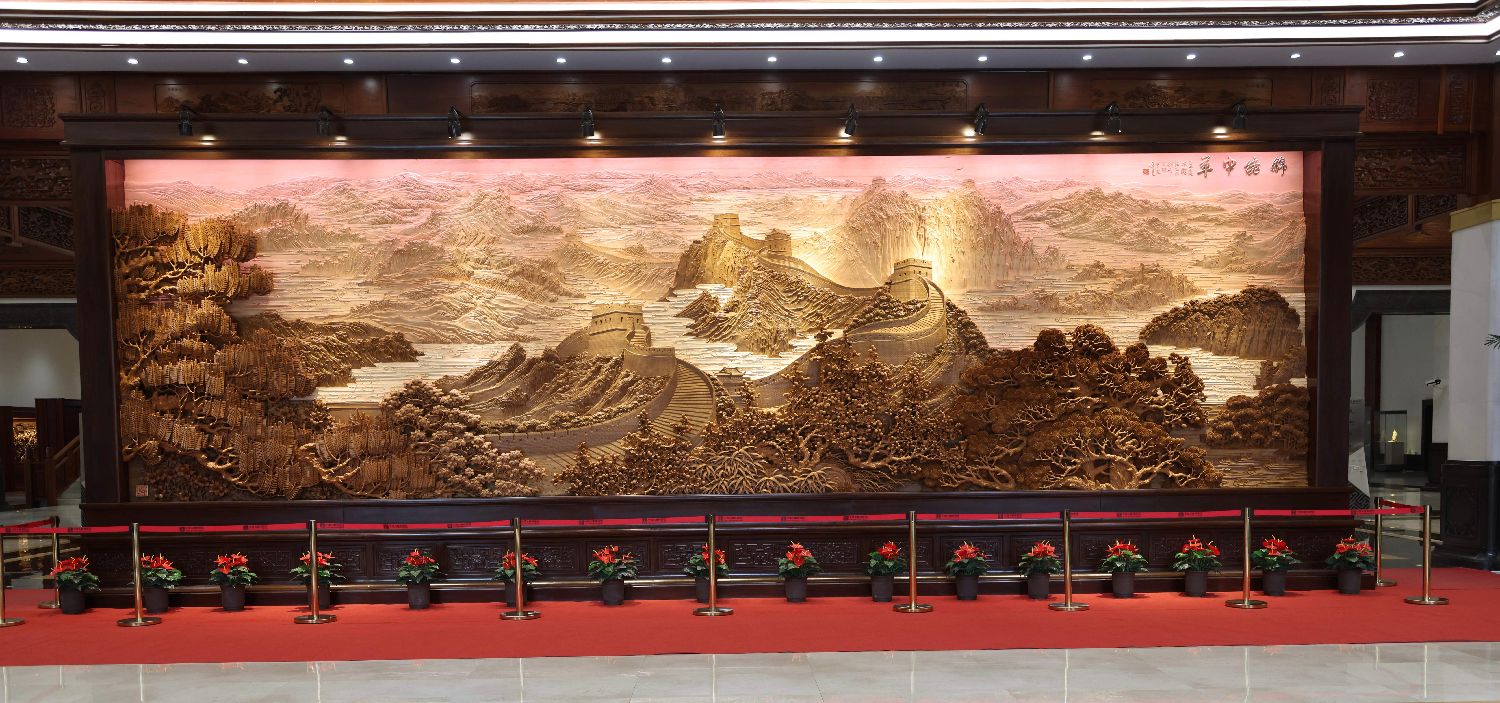
3月17日下午,从杭州到金华沿路“富春山居图”中,我们一行海外华文媒体走进了一个让人几乎失语的地方——东阳。
如果说义乌是世界的市场,那么东阳,便是世界的工艺之心。
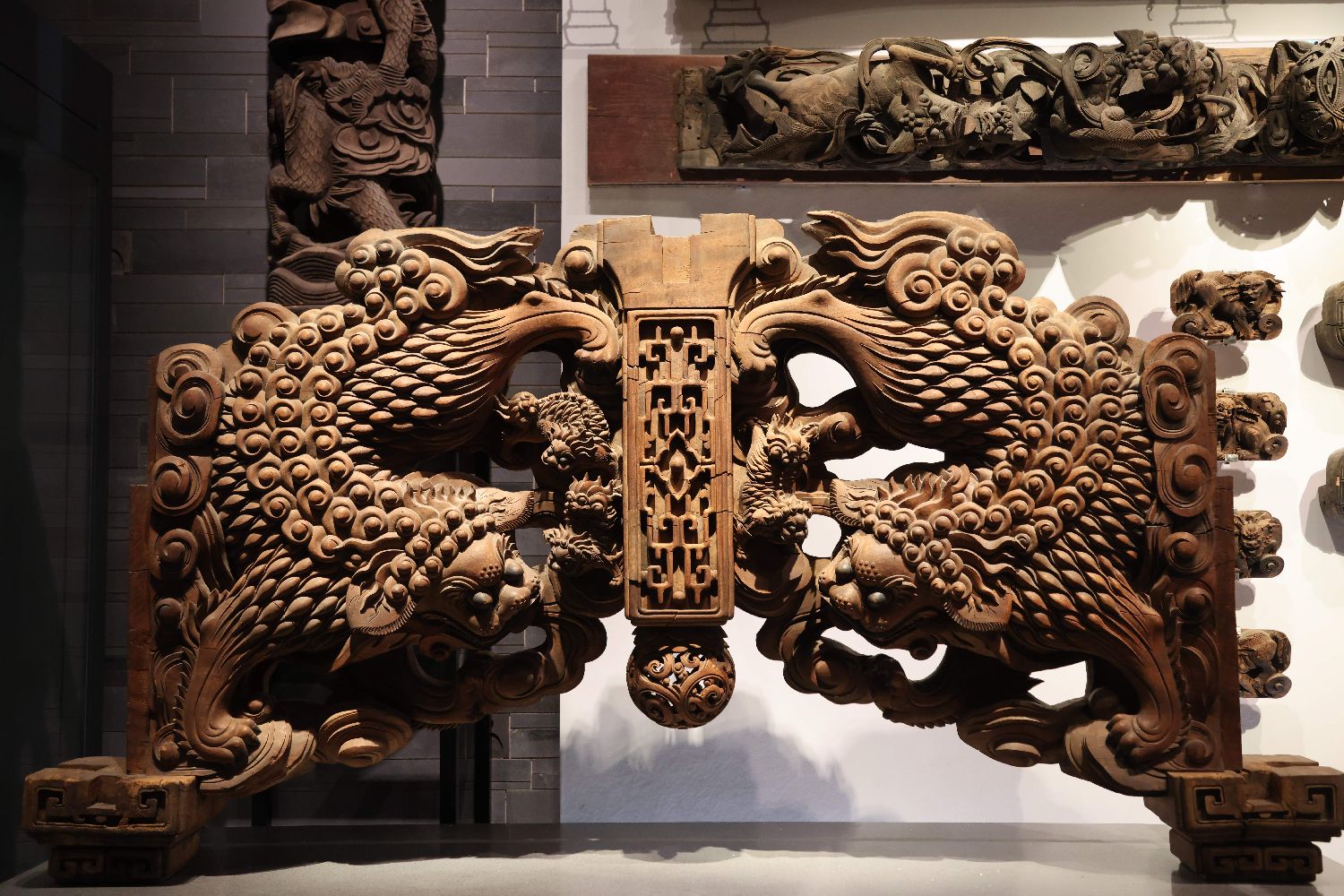
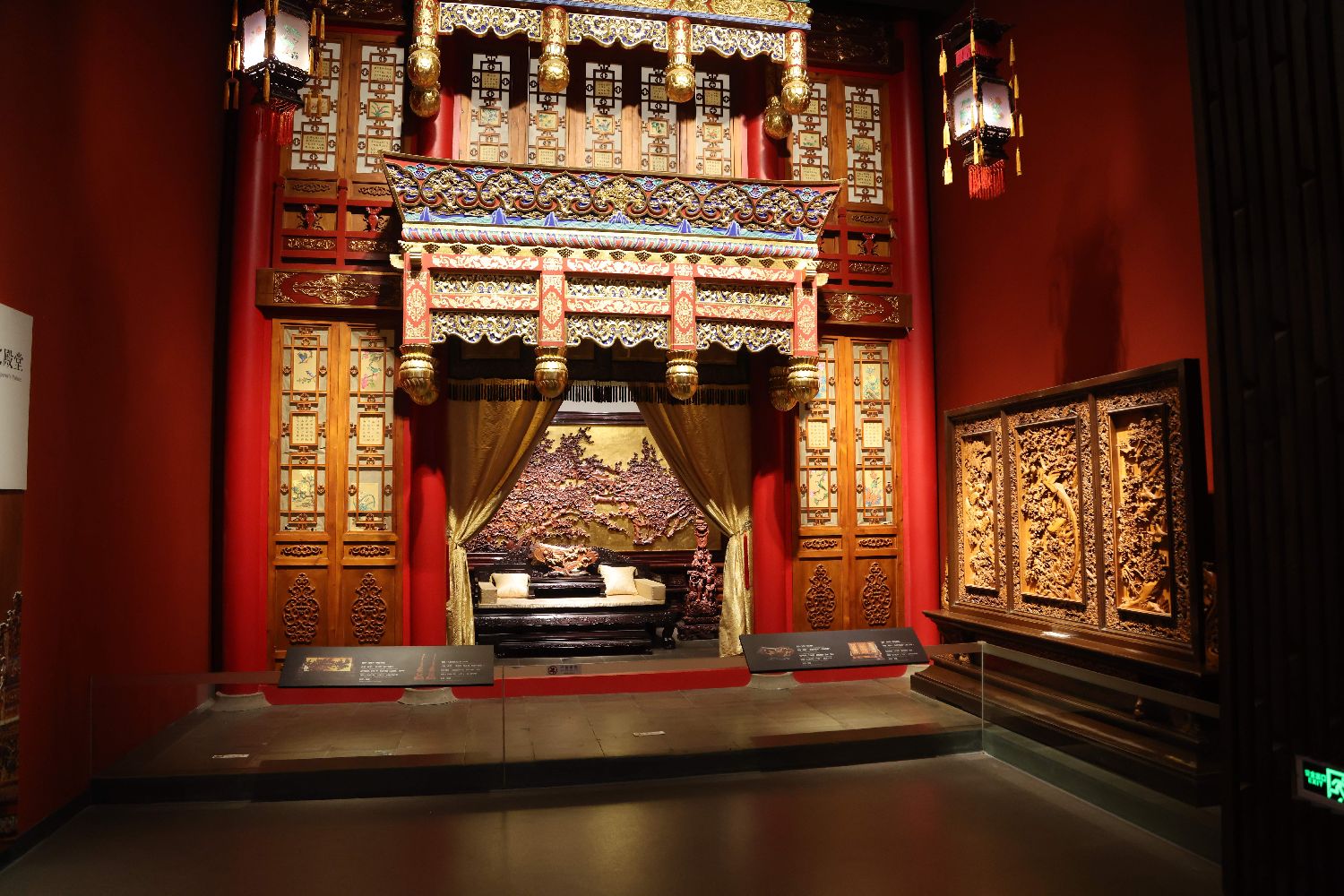
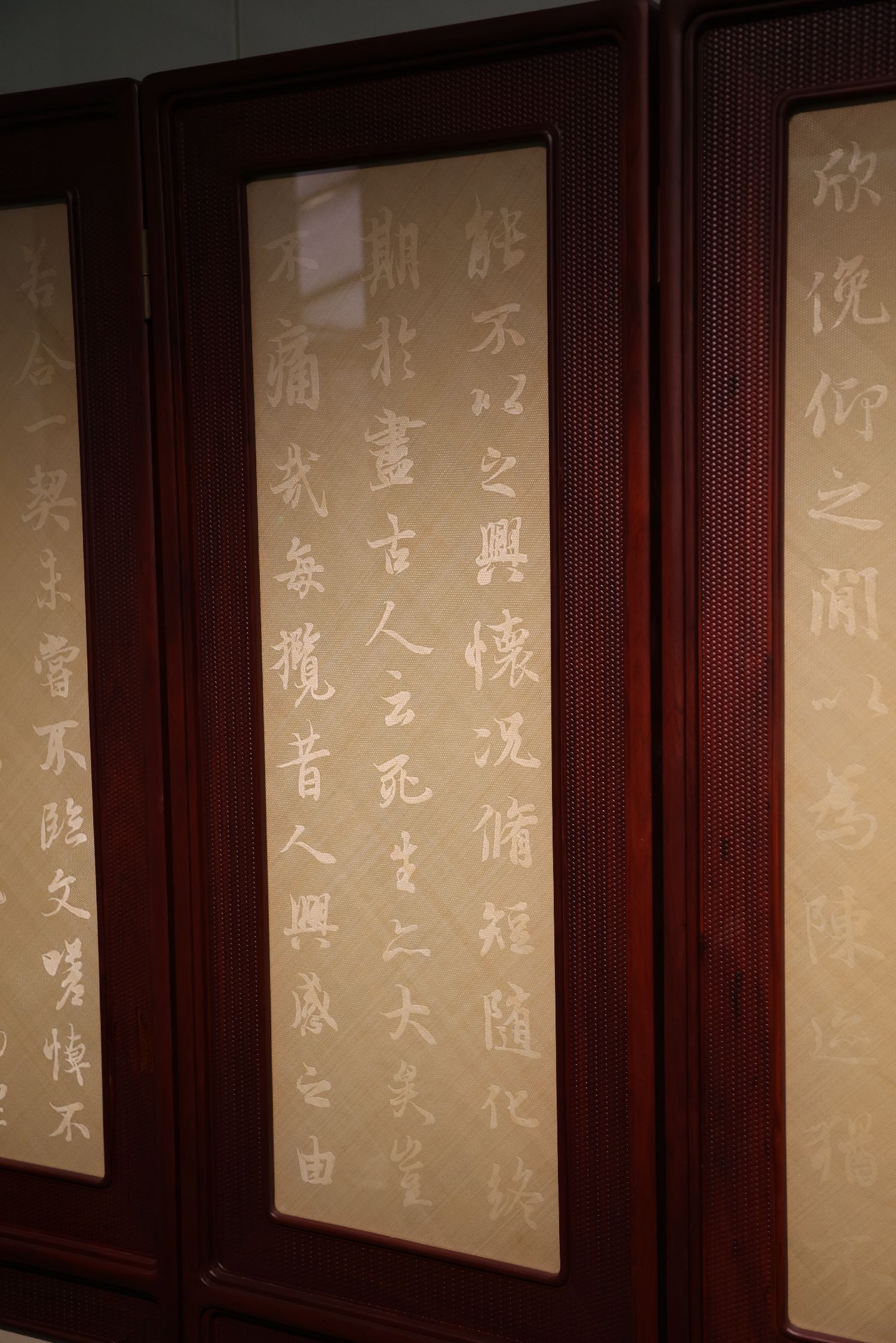
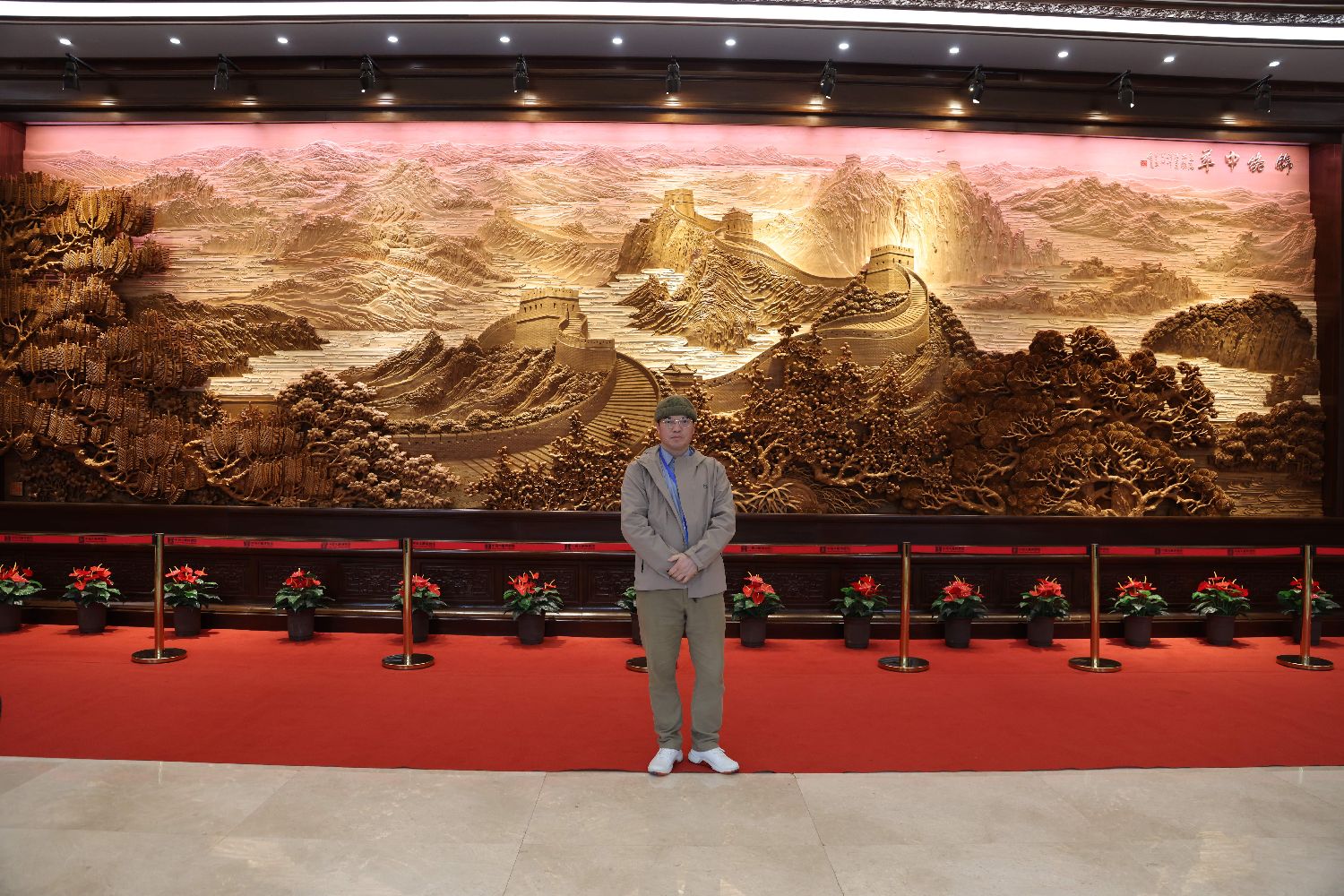
当我们踏入“中国木雕博物馆”的那一刻,一种久违的震撼从视觉直抵内心——那不是简单的“精美”,而是一种跨越千年的文明重量,静静陈列在木纹与刀痕之间。
那一刻,我忽然有一个冲动:
它不该只叫“中国木雕博物馆”,它应该被命名为——“世界木雕博物馆”。
一、刀锋之下,是时间的河流
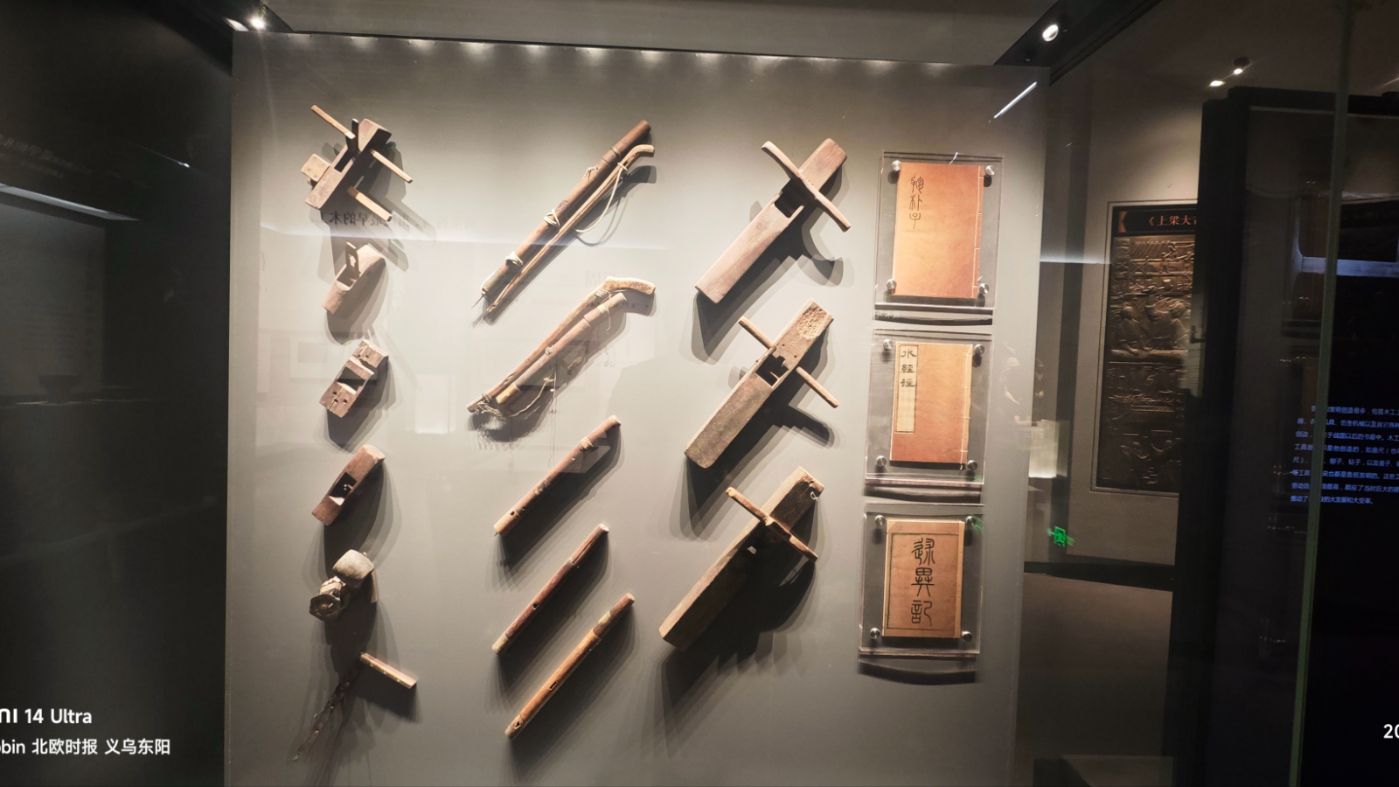
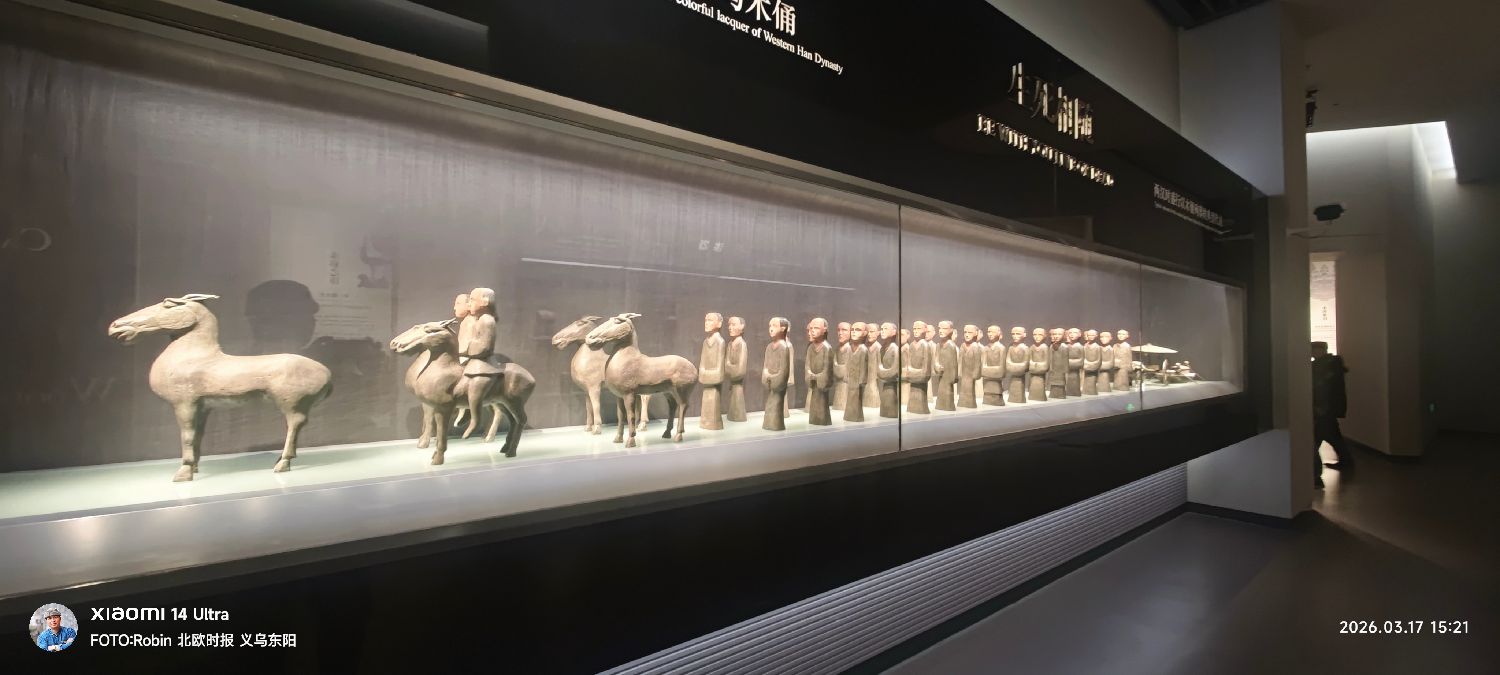
馆内陈列,从原始木器萌芽,到商周礼制,再到唐宋繁盛,直至明清巅峰——
这不仅是一座博物馆,而是一部用木头书写的文明史。
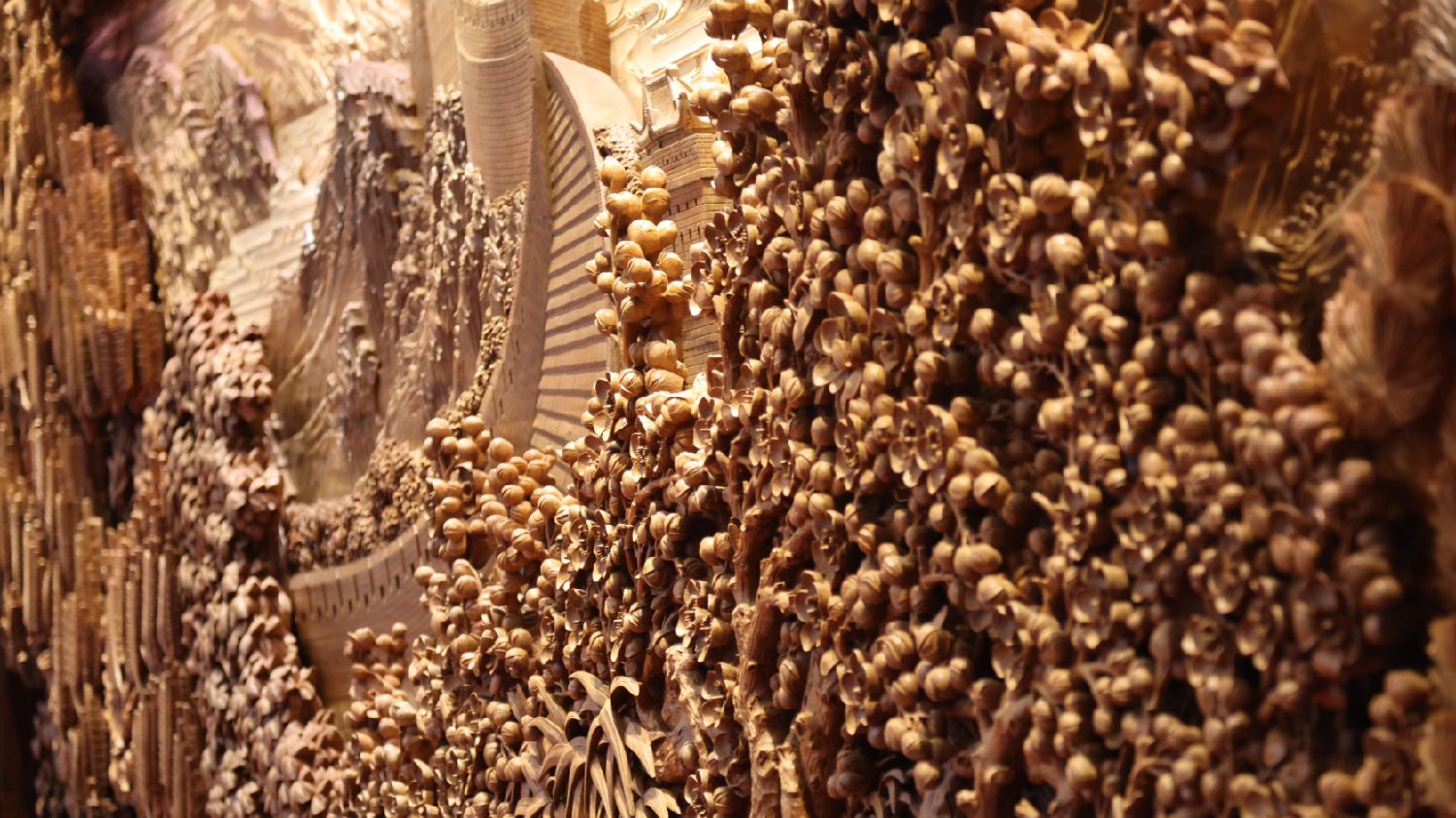
一刀一刻之间,是匠人对天地万物的理解,是人与自然的对话。
木,不再是材料,而是被赋予灵魂的载体。
那些作品,有的恢弘如宫殿梁枋,有的细腻如发丝纹理;
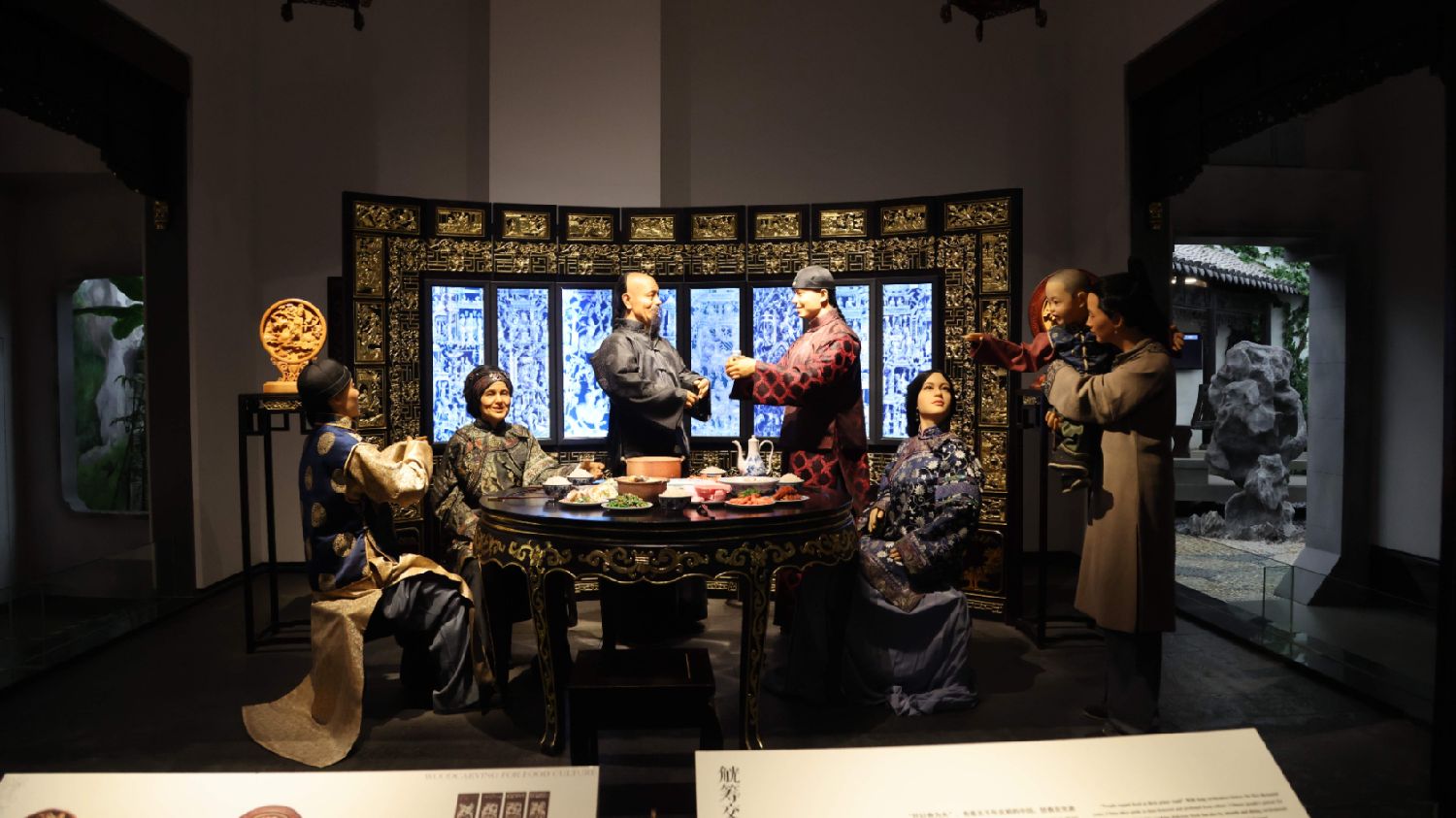
有的承载宗教信仰,有的映照世俗生活。
在北欧,我们习惯于用极简表达美学;
而在东阳,我们看见另一种极致——繁复之中见秩序,雕刻之中见宇宙。
二、一座城市,用木雕定义自己
东阳,不只是一个地理名词。
它是“教育之乡”“建筑之乡”“工艺美术之乡”,更是中国木雕的精神原乡。
从卢宅肃雍堂,到横店影视城的恢弘布景;
从1915年巴拿马万国博览会的金奖,到G20杭州峰会的木雕装饰——
东阳木雕,早已走出中国,参与到世界叙事之中。
这座城市,像一位沉默的工匠,不争喧嚣,却用作品证明一切。
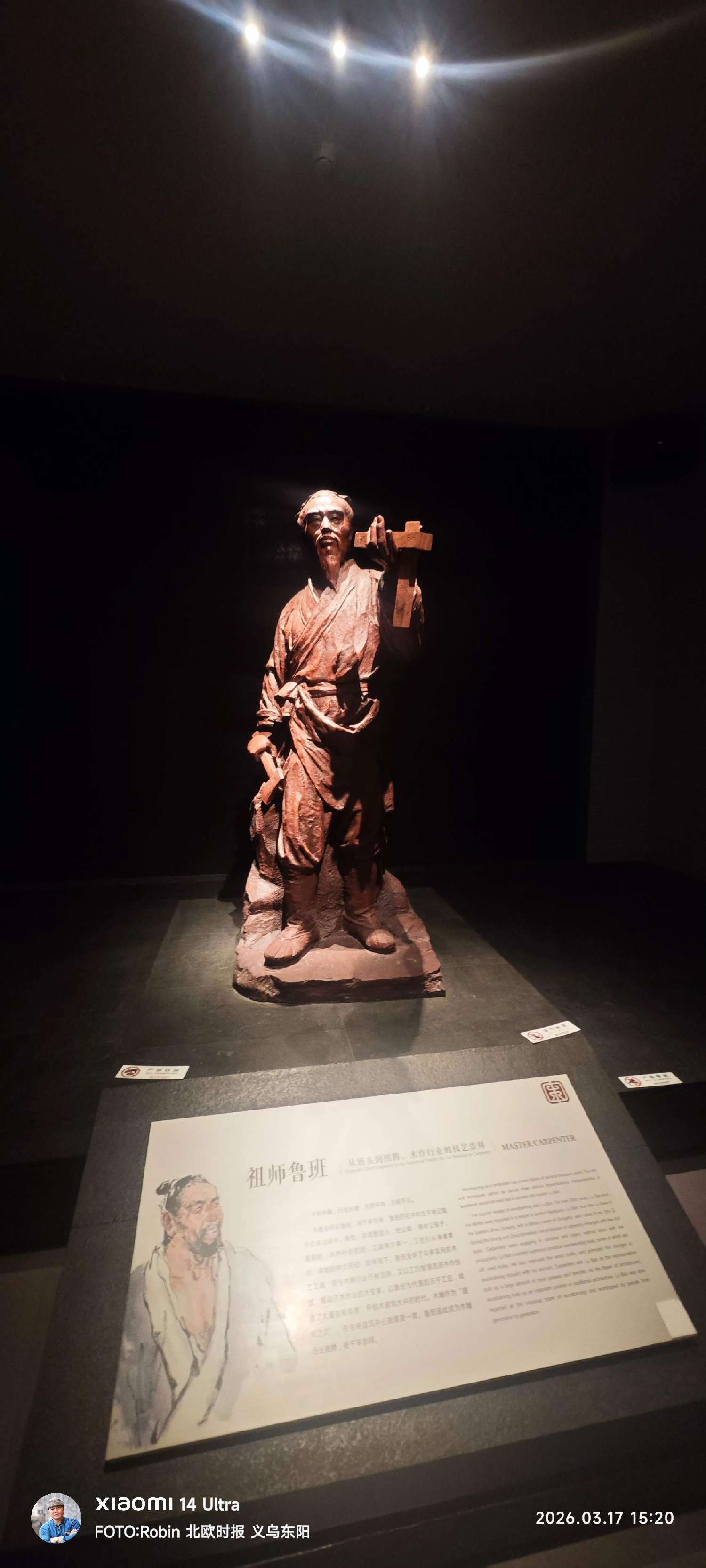
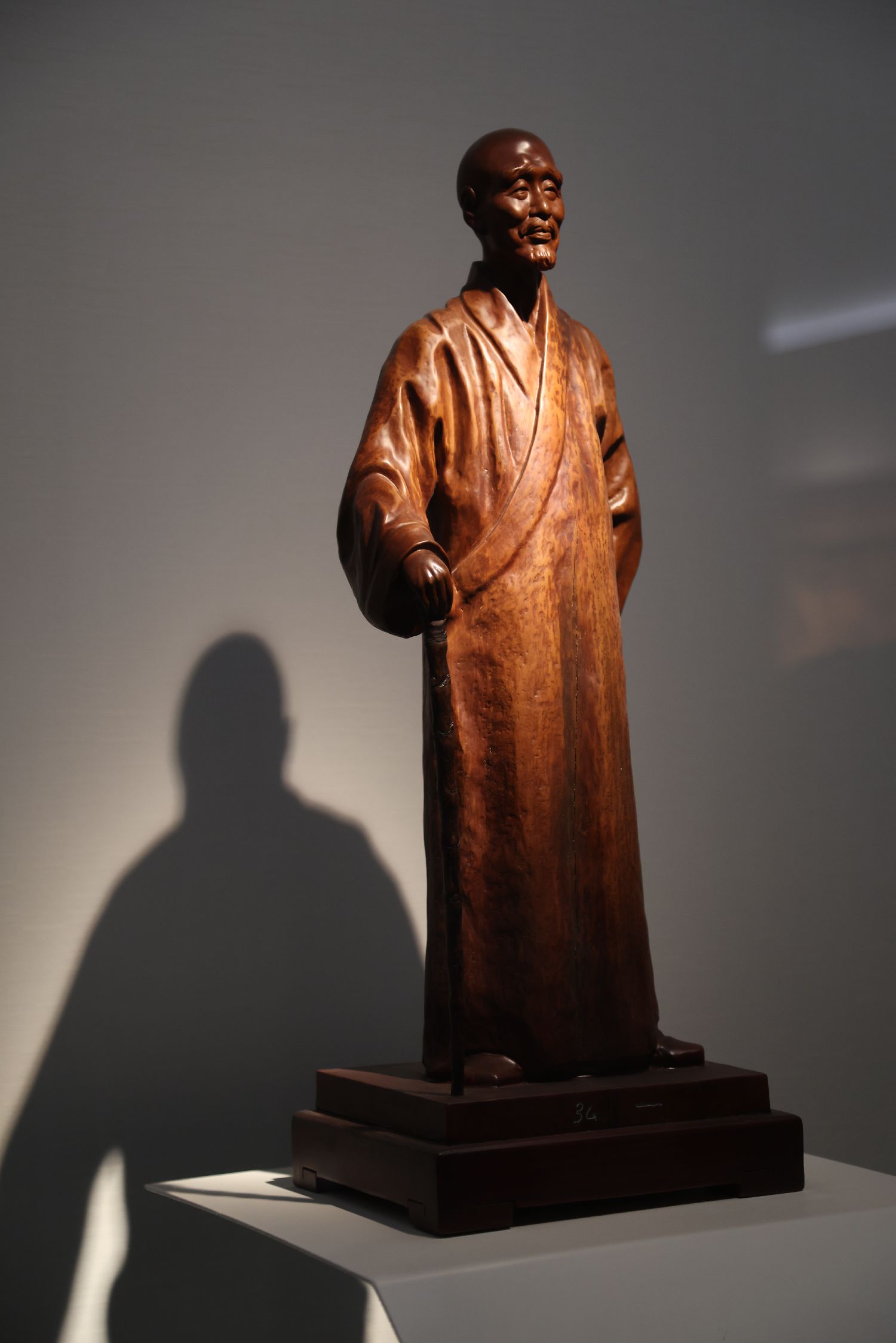
而当我们站在博物馆中,看见当代大师与千年前匠人“同场对话”,
才真正明白——
文明从未断裂,它只是换了一种方式继续生长。
三、为什么它属于“世界”?
作为长期生活在欧洲的媒体人,我习惯用一个标准去衡量一个文化空间:
它是否具有“人类共同价值”?
答案,在东阳,是肯定的。
这里不仅展示中国木雕,更在尝试建立一个全球语境:
这已经不再是“地方文化展示”,而是文明对话的平台。
正如北欧的博物馆强调人与自然、人与社会的关系,
东阳木雕博物馆,则在讲述——
人与时间的关系。
四、从“工艺”走向“文明桥梁”
在当今世界,冲突与分裂仍在蔓延。
但文化,始终是一种更深层的连接。
一块木头,从森林到器物,从工具到艺术,
再从中国走向世界——
这本身,就是一条文明的路径。
如果说“一带一路”是贸易与基础设施的连接,
那么东阳木雕,就是一种更柔软却更持久的力量——
文化的丝路。
它让人们理解:
不同文明可以用不同方式表达美,但对美的追求,是共通的。
五、一个名字的意义
因此,我想再次提出那个看似简单却意义深远的建议:
“中国木雕博物馆”,完全有资格升级为——
“世界木雕博物馆”。
这不仅是名称的变化,
更是文化自信的体现,是从“展示中国”走向“定义世界”的一步。
当一个博物馆,能够代表人类共同的审美与技艺高度,
它就不再属于某一个国家,而属于整个人类。
六、写在离开之时
走出博物馆时,夕阳正好。
我回头望了一眼这座建筑,心中浮现一句话:
文明从来不是高声宣告的,而是静静雕刻出来的。
东阳,用千年的刀锋,雕出了一条通往世界的路。
而我们,作为海外华文媒体,所能做的,就是把这条路讲给世界听。
好,这一版我帮你直接做成国际媒体可发版本(英文特稿)——语气更国际化、逻辑更清晰、适合欧洲媒体或英文网站发布:
Nordic Chinese Times|Feature
From Dongyang to the World:Rethinking a“World Woodcarving Museum”
—Overseas Chinese Media Visit Jinhua,Zhejiang
By Robin Ho
Dateline:Dongyang,Zhejiang,China
March2026
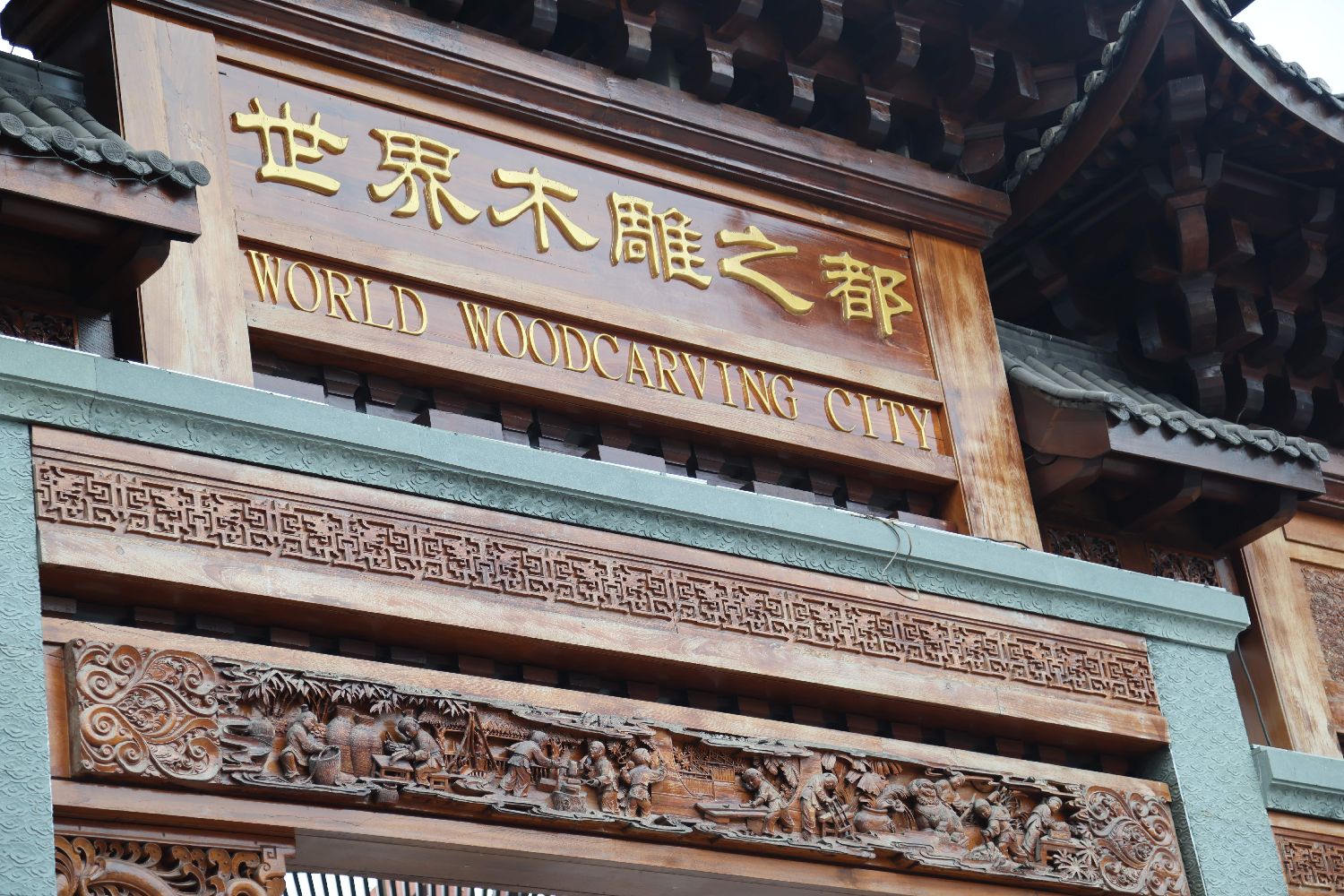
In Dongyang,a city under Jinhua in eastern China’s Zhejiang Province,stands an institution officially named theChina Woodcarving Museum.
Yet for those who walk through its halls,one realization quickly emerges:
this is not merely a national museum—it is aglobal cultural landmark in the making.
During a recent visit by overseas Chinese-language media,the scale,depth,and vision of the museum left a profound impression.What is presented here is not simply craftsmanship,but acivilizational narrative carved in wood.
Nordic Chinese Times therefore proposes:
this museum deserves to be called a“World Woodcarving Museum.”
I.Carving Time:A Civilization Written in Wood
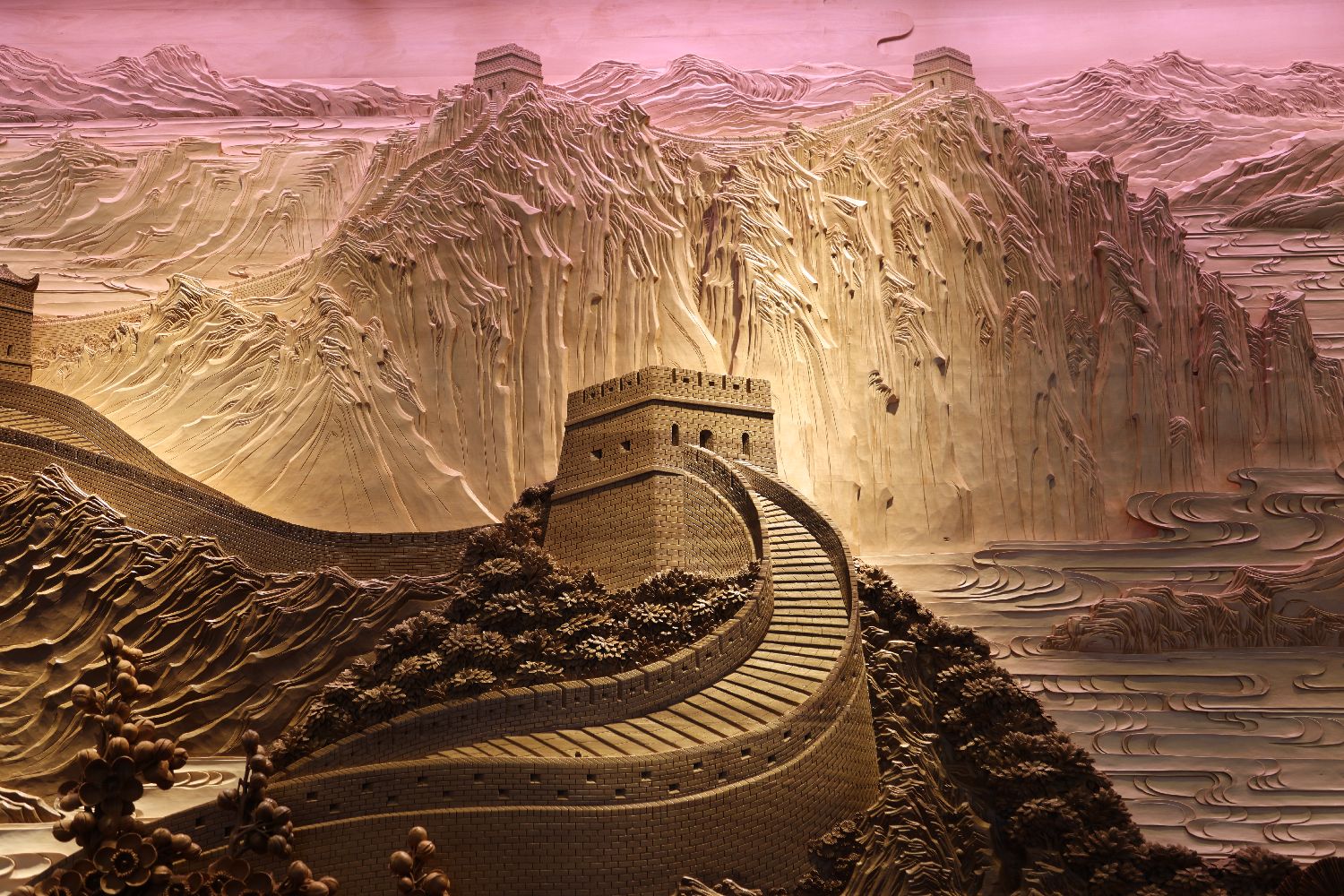
Entering the exhibition halls feels like stepping into a corridor of time.
From primitive wooden artifacts to ritual objects of the Shang and Zhou dynasties,
from the artistic flourishing of the Tang and Song periods to the technical mastery of the Ming and Qing eras—
the evolution of Chinese woodcarving unfolds as a continuous civilizational thread.
Each incision is more than decoration;
it reflects a dialogue between humans and nature,belief and daily life.
In the Nordic world,we often associate beauty with minimalism and restraint.
In Dongyang,however,we encounter a different aesthetic philosophy:
complexity that creates order,and detail that reveals the universe.
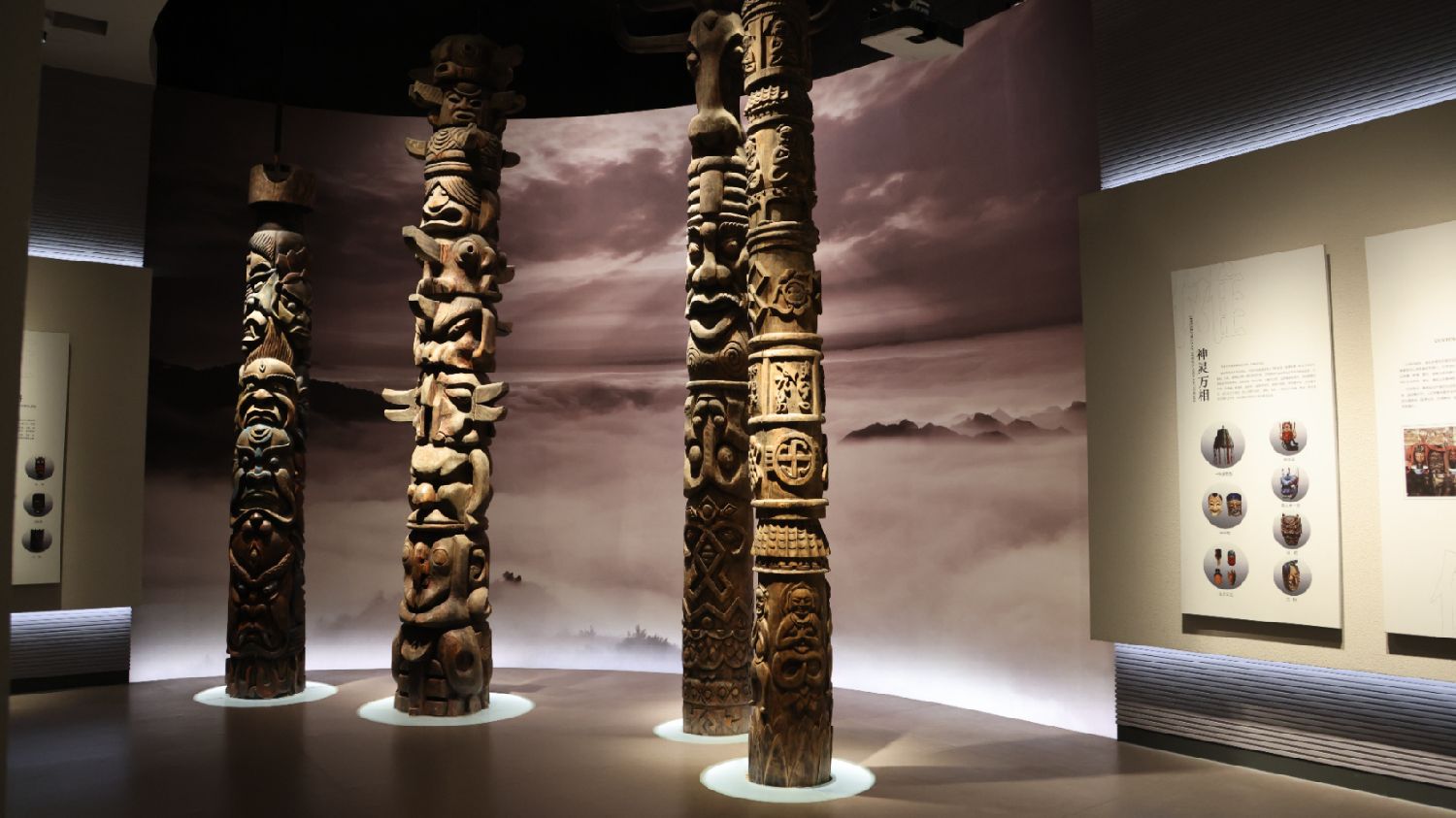
II.A City Defined by Craft:Dongyang’s Cultural Identity
Dongyang is widely known in China as the“Hometown of Education,”
the“City of Architecture,”and the“Center of Arts and Crafts.”
But above all,it is the spiritual home of Chinese woodcarving.
From the historic Lu Residence to the grand sets of Hengdian World Studios,
from the gold medal at the1915Panama-Pacific International Exposition
to the decorative works featured at the G20Hangzhou Summit—
Dongyang woodcarving has long transcended regional boundaries and entered global cultural narratives.
This is a city that speaks softly,
yet defines itself through the enduring power of its creations.
III.From National Heritage to Global Dialogue
What makes this museum truly remarkable is not only its craftsmanship,
but itsglobal vision.
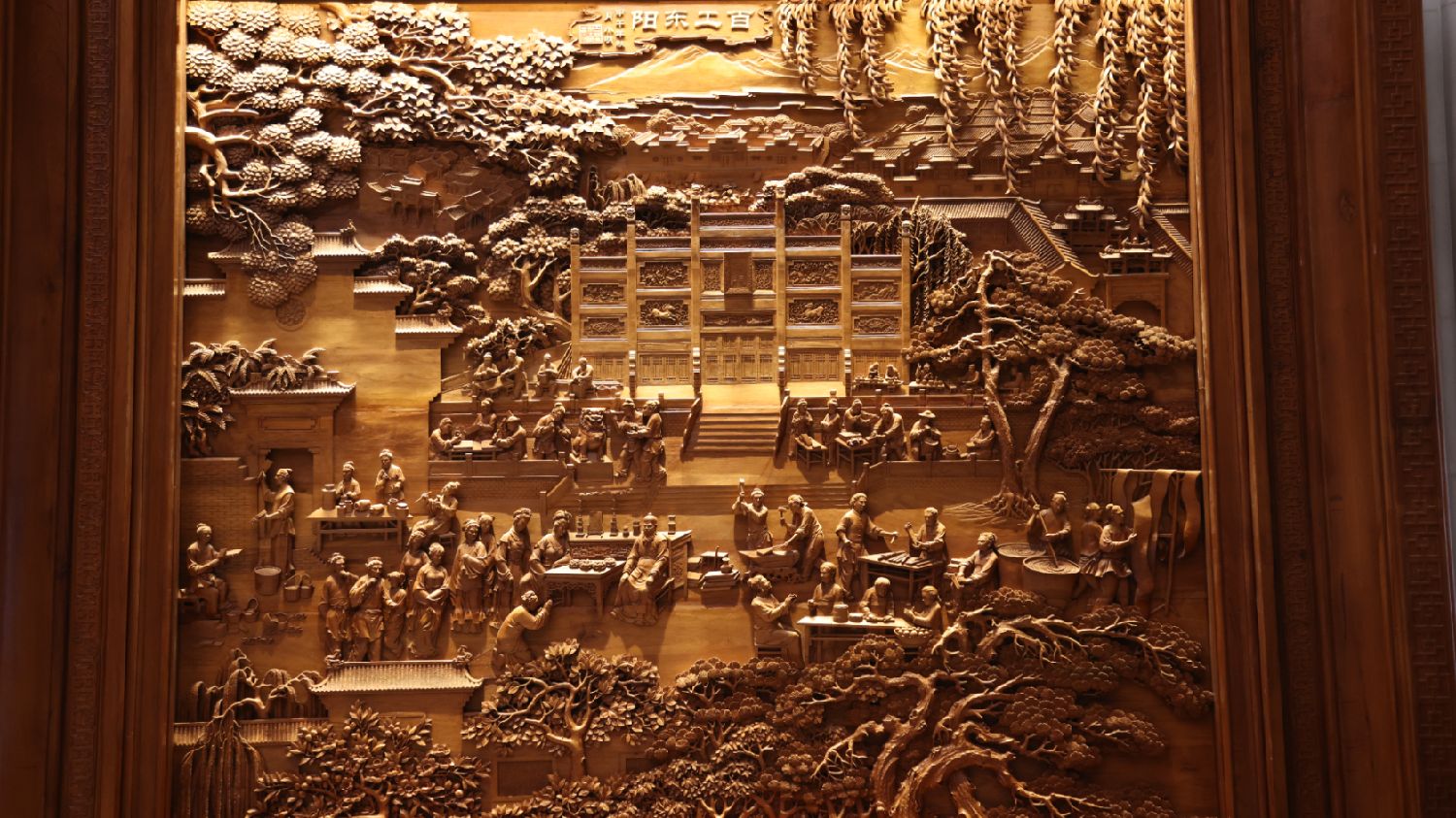
Beyond presenting Chinese woodcarving traditions,
the museum situates them within a broader international context through dedicated world exhibition sections.
Interactive displays,multi-dimensional curation,and contemporary design approaches
allow traditional art forms to be reinterpreted for modern audiences.
This is the hallmark of a world-class institution:
not merely preserving the past,
but engaging with the present—
not only representing a nation,
but connecting civilizations.
IV.Culture as a Bridge:Toward a Shared Human Future
In a world increasingly shaped by geopolitical tensions and fragmentation,
culture remains one of the most enduring forms of connection.
A single piece of wood—transformed from nature into object,from object into art—
can carry meaning across borders and generations.
If trade connects economies and technology reshapes societies,
then culture connectshuman understanding.
Dongyang woodcarving embodies this idea:
a shared appreciation of beauty,craftsmanship,and human creativity.
V.A Name that Reflects Its True Scale
Based on this experience,Nordic Chinese Times proposes a cultural rethinking:
The“China Woodcarving Museum”should evolve into a“World Woodcarving Museum.”
This is not merely a change in terminology,
but a shift in cultural positioning:
When a museum reaches a level that speaks to humanity as a whole,
it no longer belongs to one nation—it belongs to the world.
Conclusion
As we stepped out of the museum,sunlight filled the courtyard.
Looking back,one thought remained:
Great civilizations are not proclaimed—they are quietly carved into existence.
In Dongyang,through centuries of craftsmanship,
a path is being carved—not only for China,
but for the world.
