作者|何儒(Robin Ho)
发自|浙江横店
【导语】
从北欧的冷冽海岸,到中国江南的灯火人间,
电影,这一现代文明最重要的叙事方式之一,正在经历一场悄然却深刻的转变。
一端,是沉静、克制、向内的灵魂凝视;
一端,是恢弘、流动、向外的文明铺陈。
在这条跨越山海的文化轴线上,中国,正以一种前所未有的方式,
写出一部属于自己的——世界剧本。
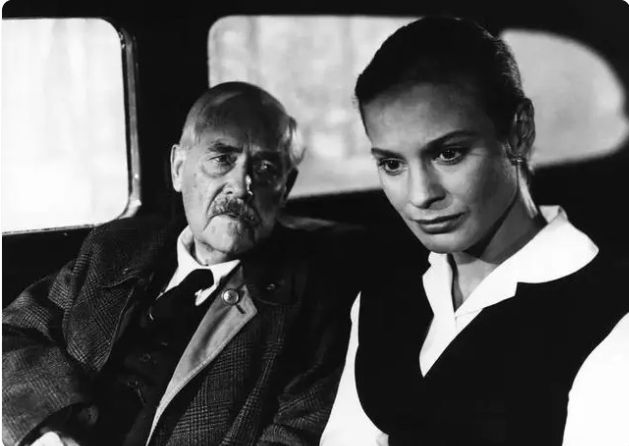
一、伯格曼:沉默中的人类精神史
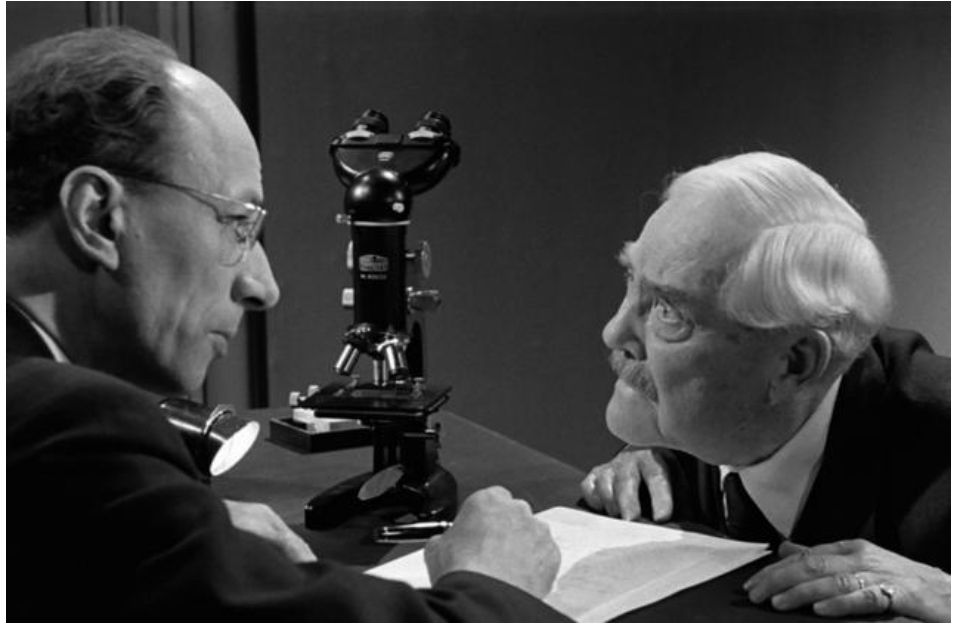
在北欧,电影往往从“沉默”开始。
英格玛·伯格曼的镜头,并不急于讲述故事,
而是耐心地逼近人性的深处:信仰的崩塌、存在的焦虑、孤独的重量。
他的电影,没有喧嚣的场面,没有复杂的情节,
却在极简的构图与凝滞的时间中,让观众直面内心最真实的自己。
北欧电影的精神,是一种哲学性的凝视:
在这样的语境下,电影不只是艺术,
更是一种关于“人是什么”的提问。
二、横店:把历史变成可以行走的世界
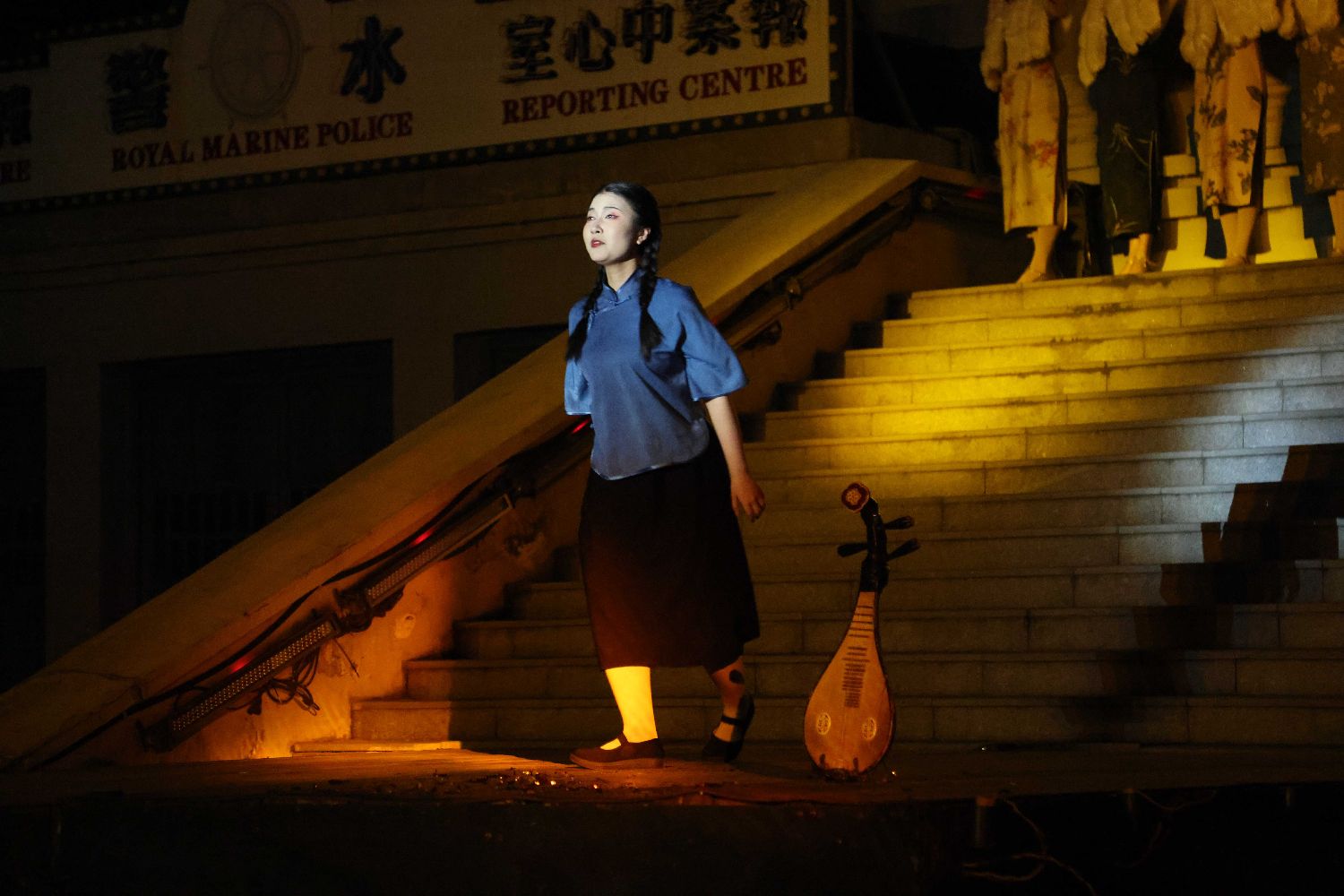
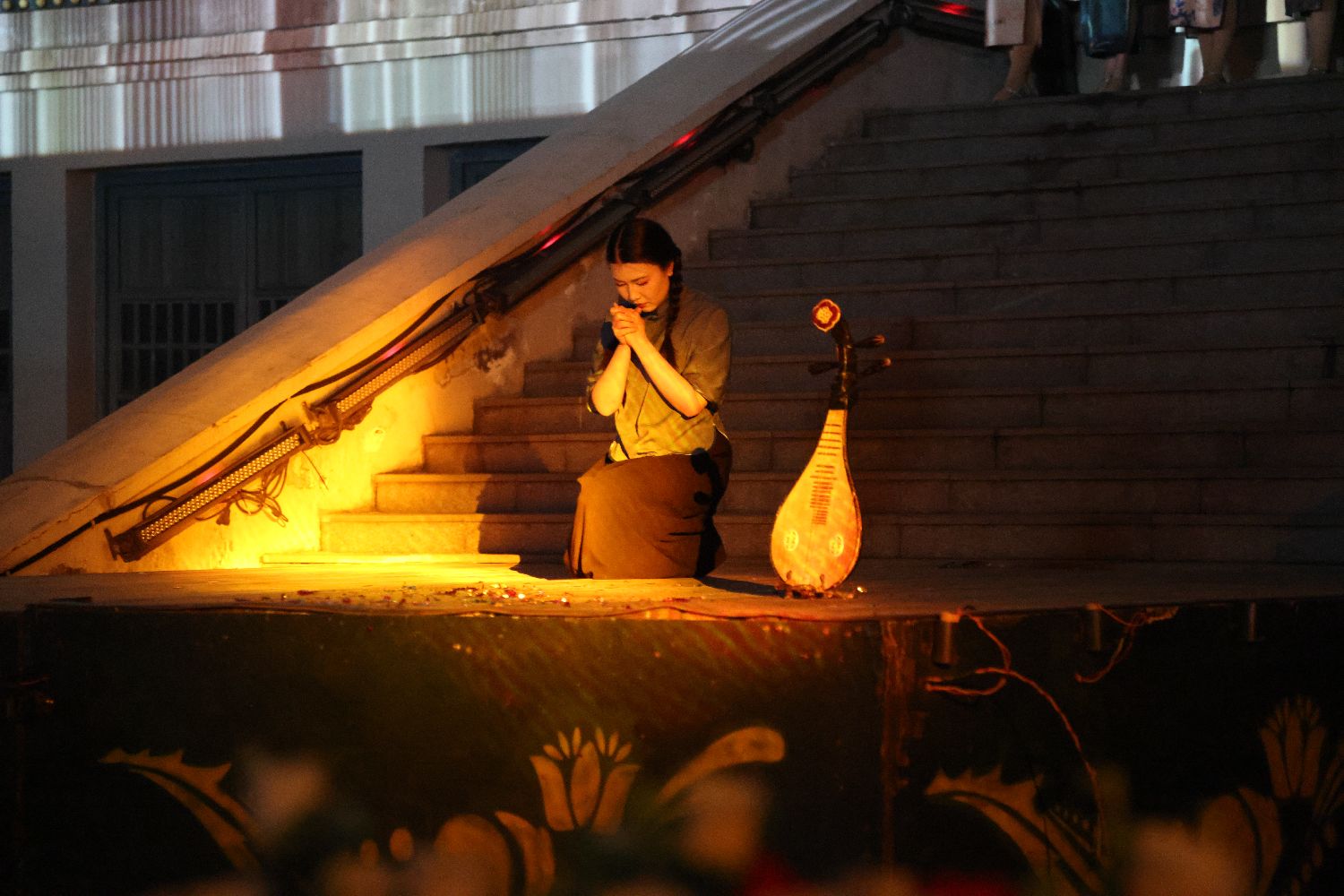
而在中国浙江的横店,电影呈现出另一种完全不同的形态。
横店影视城,
被誉为全球规模最大的影视拍摄基地之一。
但它的意义,远远超出“拍摄”的范畴。
在这里:
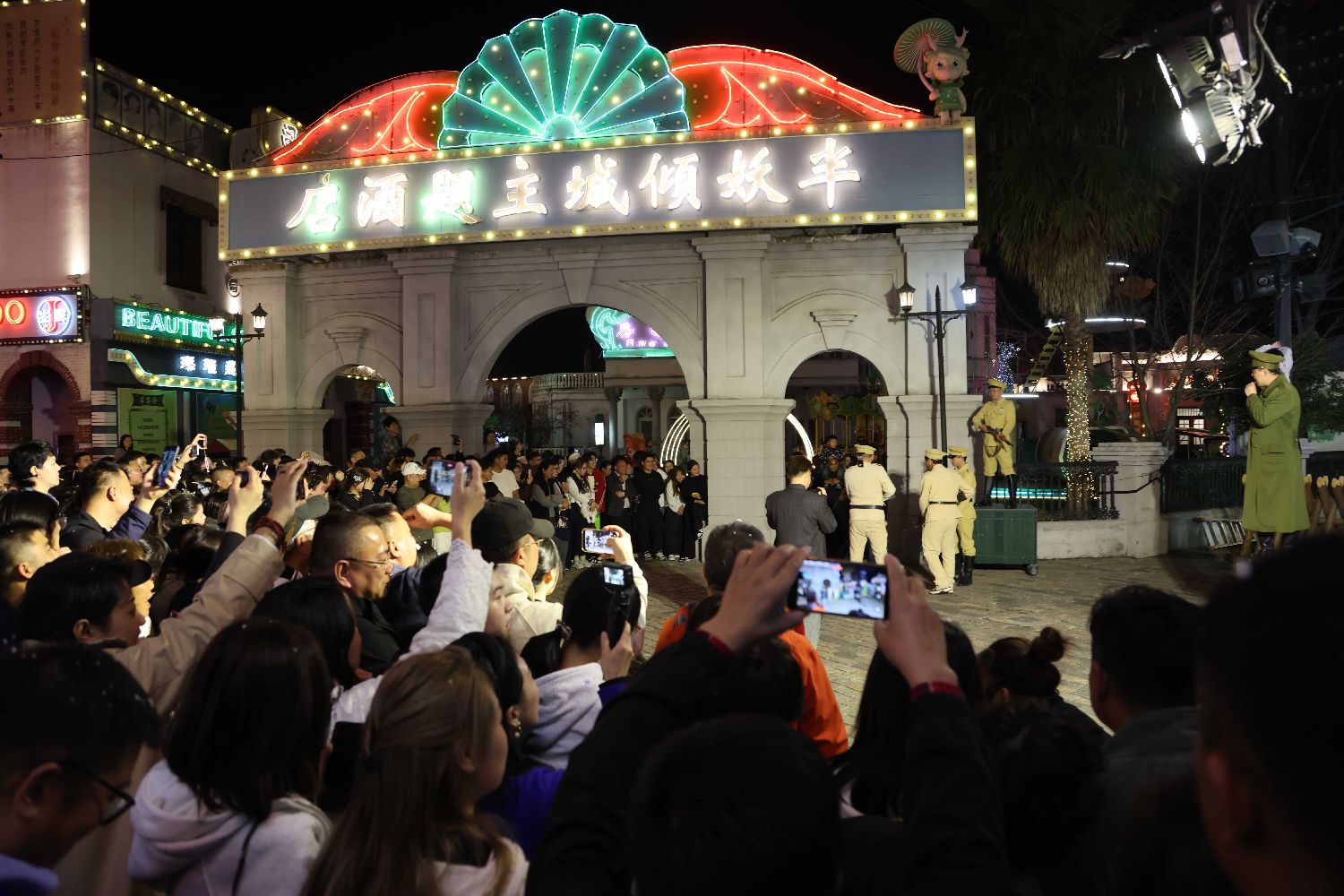
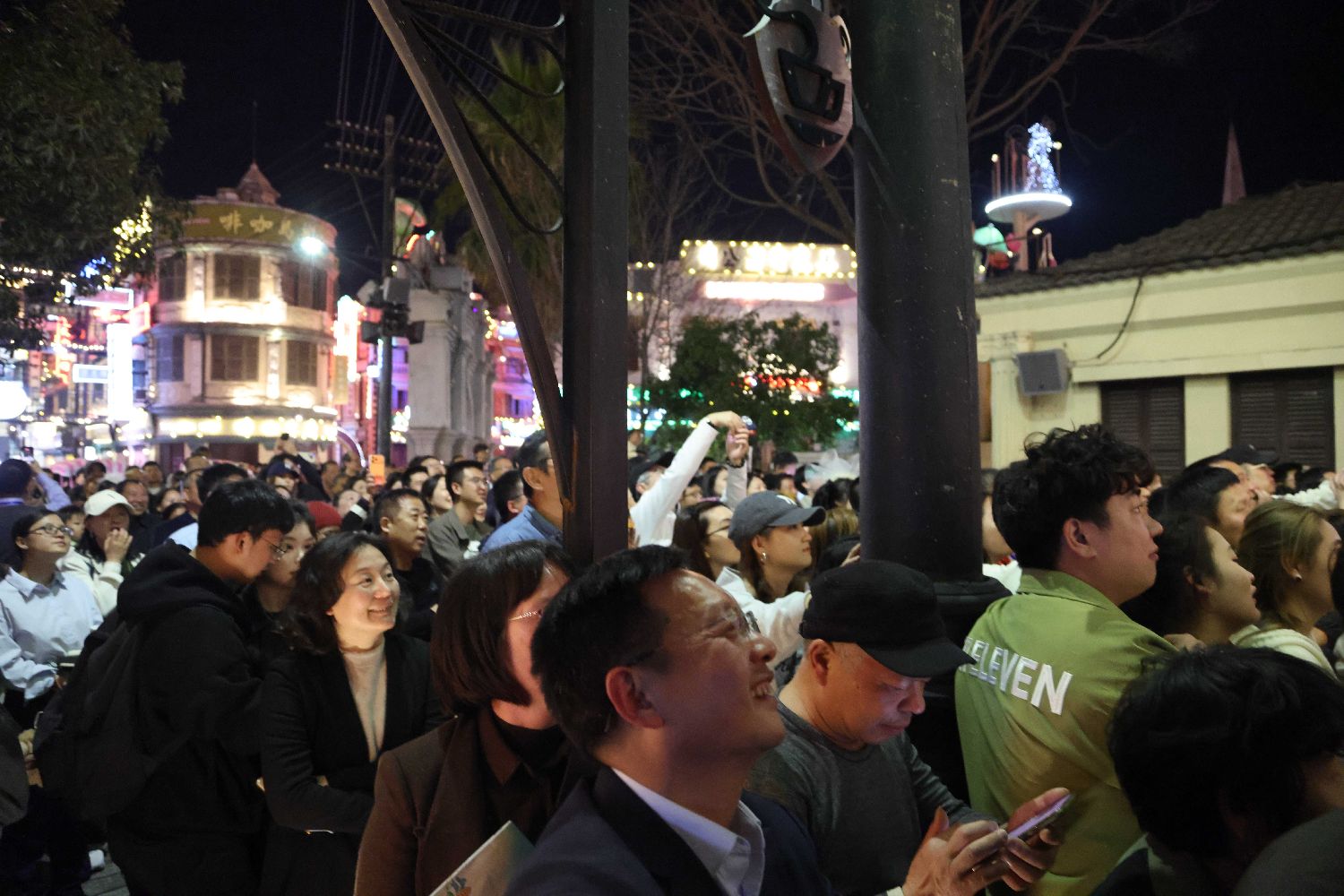 横店广州街·香港街夜景,每天无数的电影迷。
横店最独特的地方,在于它打破了电影与现实之间的边界。
电影,不再只是屏幕上的影像,
而成为一种可以被身体感知的空间体验。
三、从“观看”到“参与”:叙事方式的重构
传统电影,是一种“观看的艺术”。
观众坐在黑暗之中,与故事保持距离;
情节展开,情绪流动,一切在两个小时后结束。
而横店所代表的,是另一种趋势:
电影,正在变成一种“可进入的世界”。
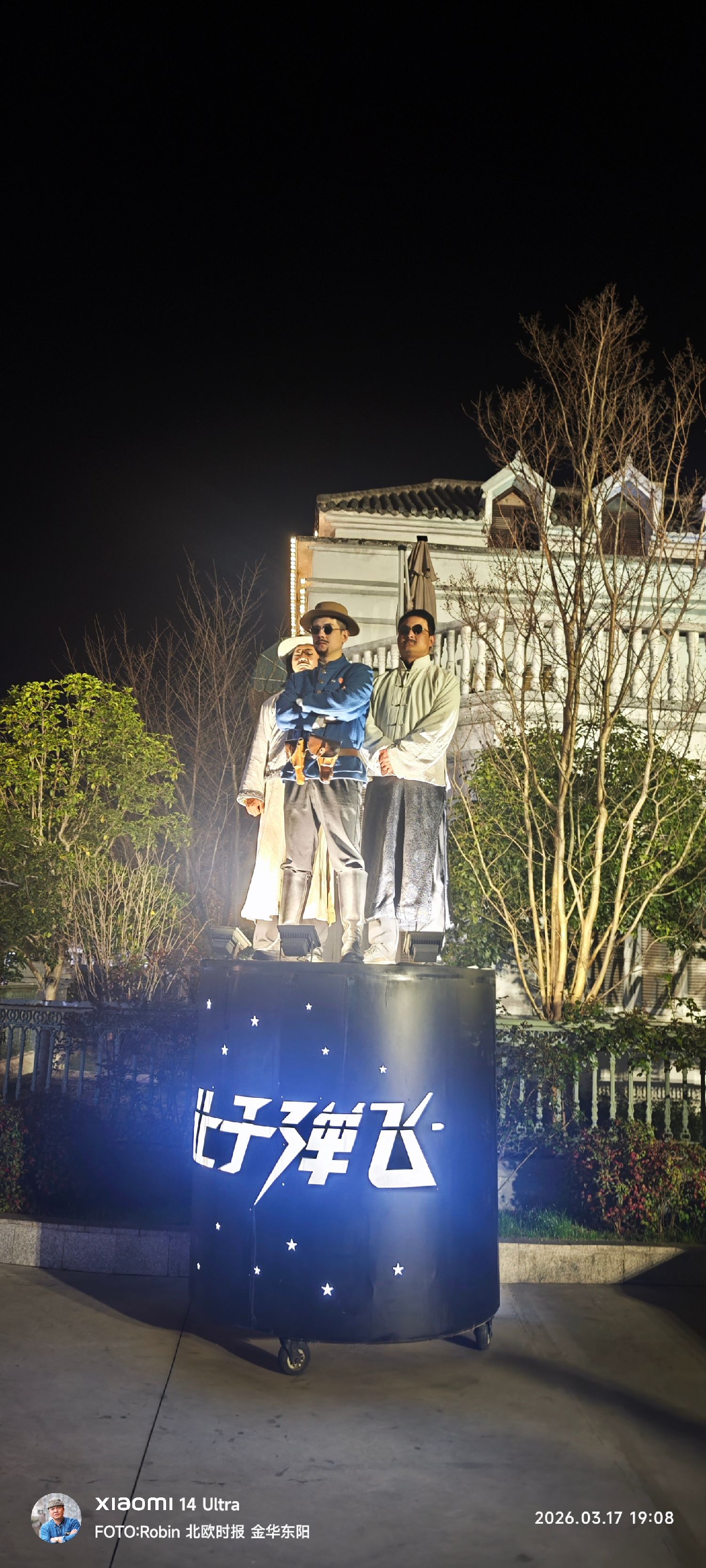
沉浸式演出、影视主题街区、互动式剧情体验——
这些新的文化形式,正在重塑叙事的结构:
这是一种从“叙述”到“构建”的跃迁。
电影,不再只是讲述世界,
而开始创造一个可以被生活的世界。

四、两种文明表达:内在精神与外在空间
如果说伯格曼的电影,是对人类内心的深度挖掘,
那么横店所呈现的,是对集体记忆的空间重建。
一个向内,追问存在;
一个向外,重塑历史。
但它们的本质,却是相通的:
电影,是文明表达自身的方式。
北欧用极简与沉思,
讲述个体的孤独与尊严;
中国用空间与叙事,
重构历史与群体记忆。
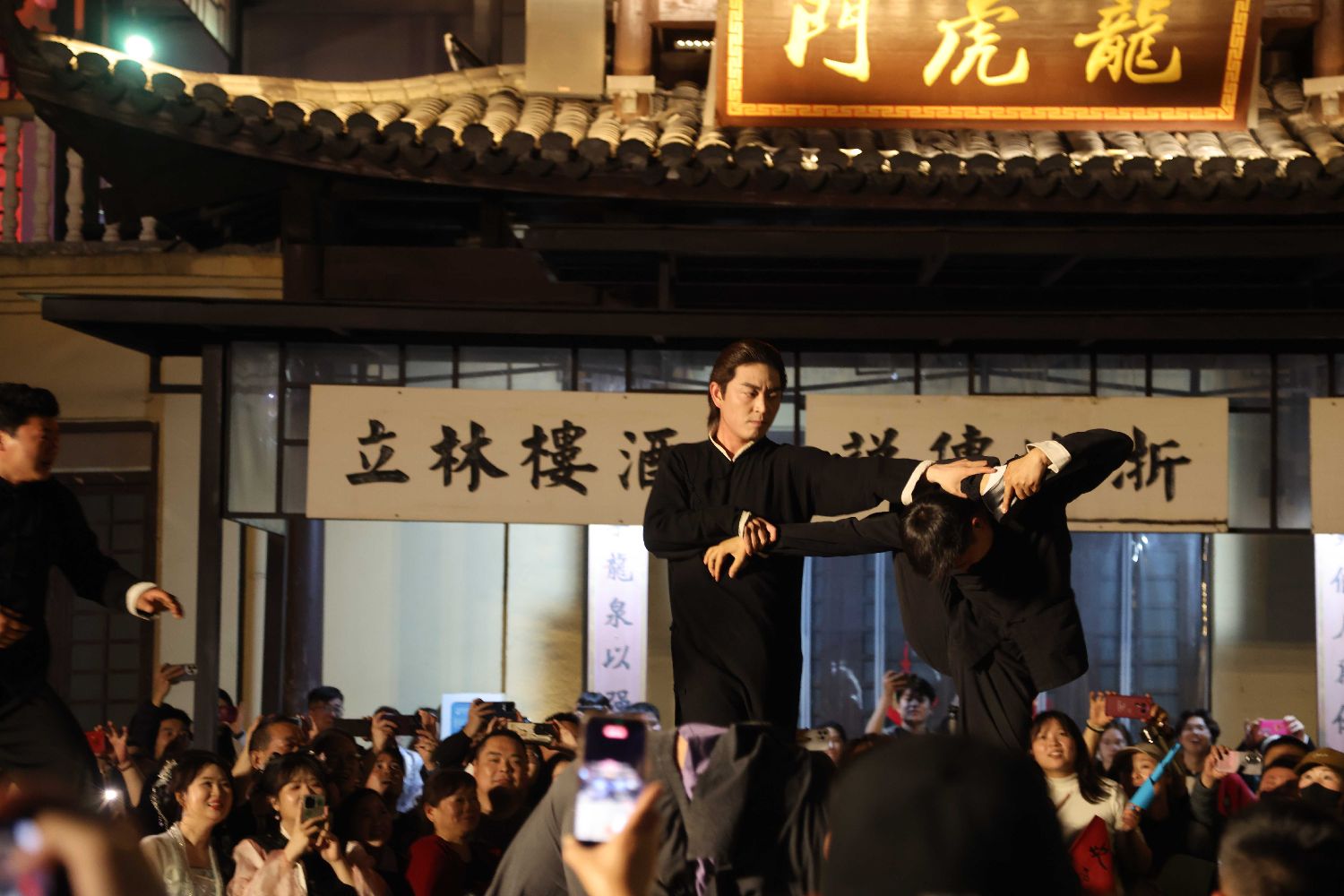
在这个意义上,横店并不是对西方电影的模仿,
而是一种新的文化表达路径。
五、中国:从讲故事到“搭建世界”
横店所展现的,不只是文化创新,
更是一种结构性的能力:
这意味着,中国正在发生一个重要变化:
从“内容生产者”,
走向“叙事空间的建构者”。
未来的文化竞争,不仅是谁的电影更好看,
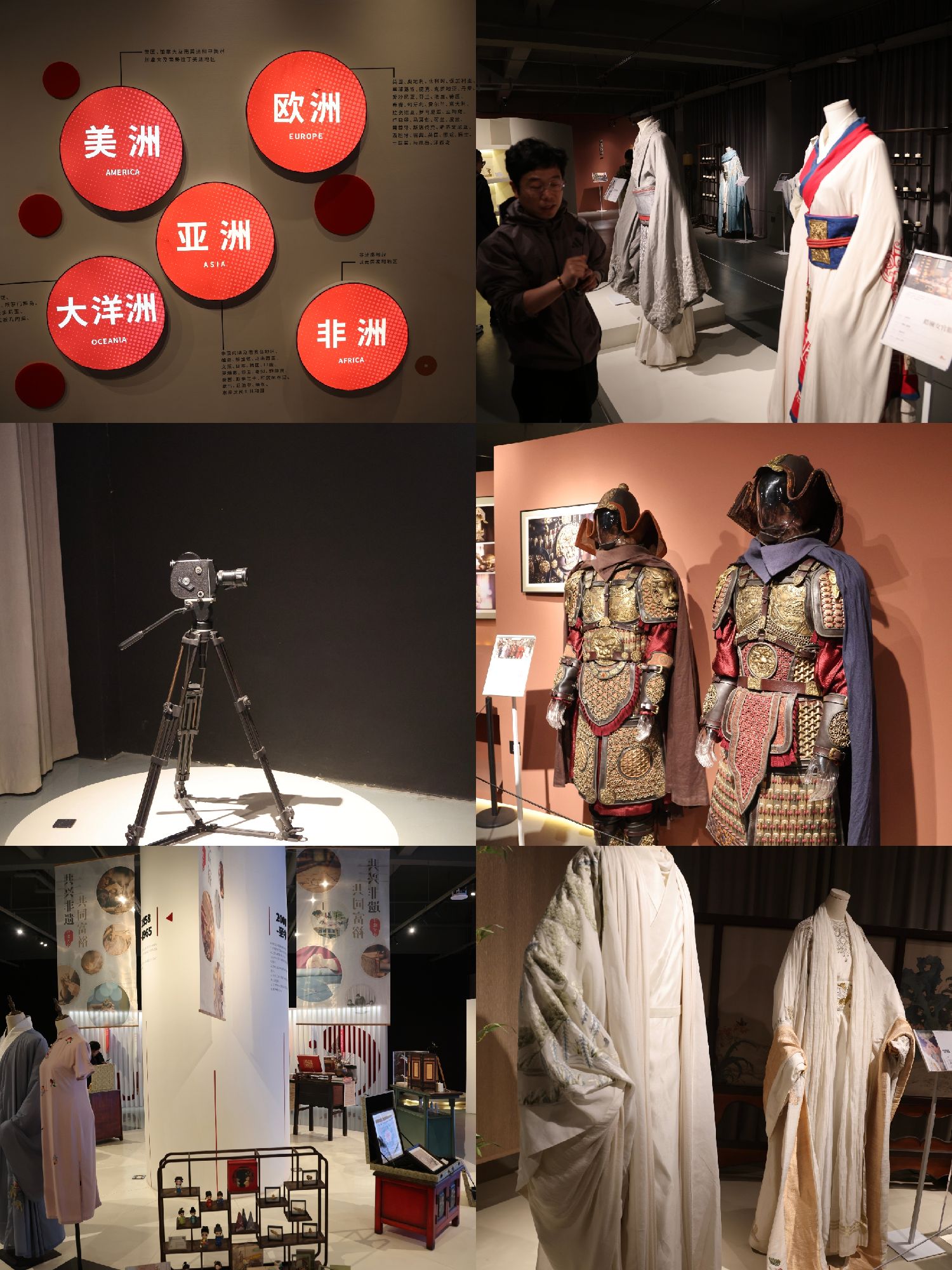
而是谁能够构建一个让世界进入的“故事世界”。
在这一点上,横店提供了一种清晰的答案。
六、跨越山海:人类共同的叙事冲动
从北欧的孤独镜头,到中国的灯火街巷,
我们看到的,并不是对立,而是一种互补。
一种向内探索人性,
一种向外连接世界。
而在这两者之间,存在着一个共同的原点:
人类,需要讲述故事。
无论是通过一张面孔,
还是一整座城市;
无论是在寂静的房间,
还是在灯火通明的街区。
故事,始终是人类理解世界的方式。
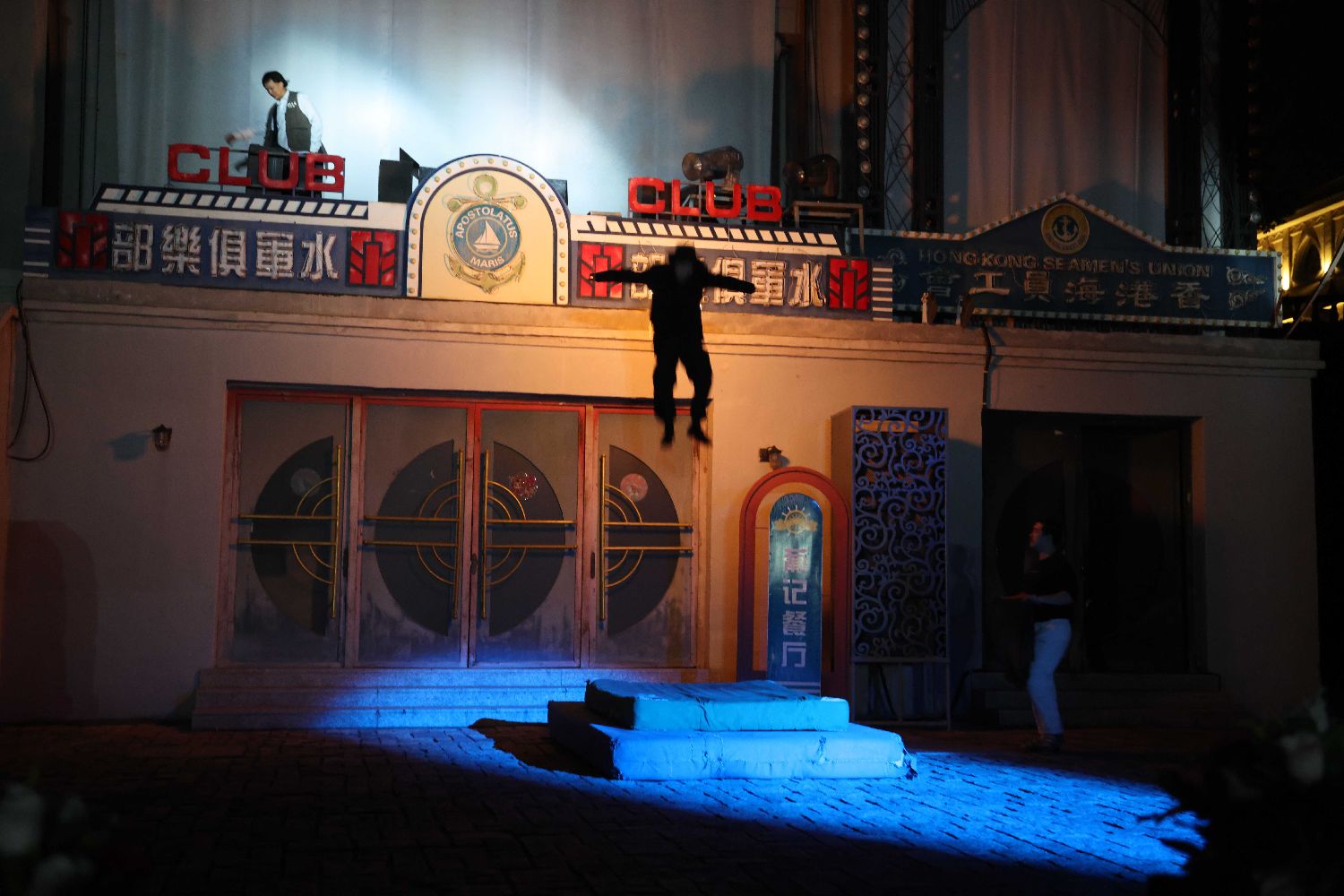
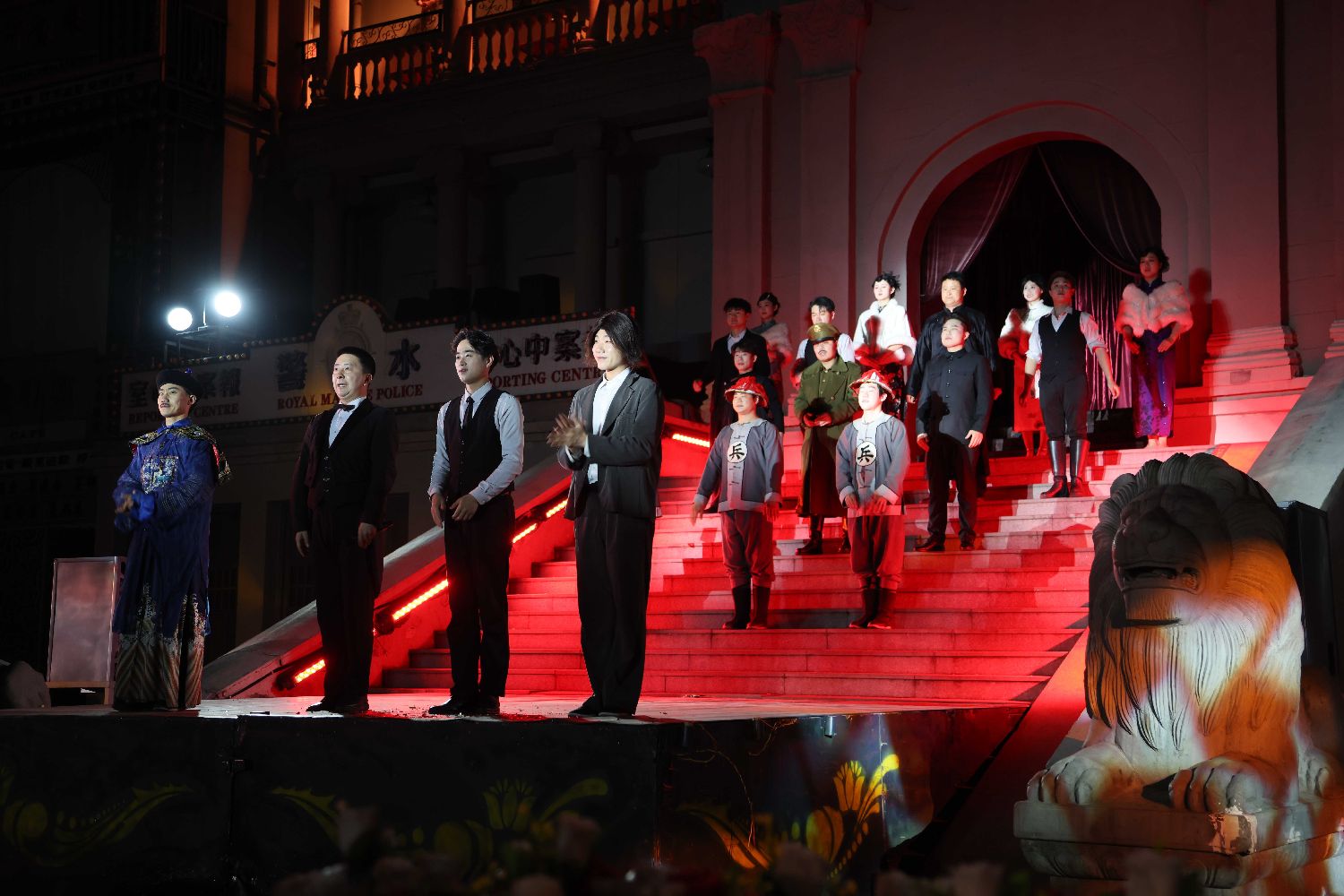
夜色中的横店,灯火流转,人影交织。
演员与游客之间的界限渐渐模糊,
历史与现实在同一空间中重叠。
那一刻我意识到:
这不仅是电影的延伸,
更是一种新的文明表达。
从英格玛·伯格曼到横店,
一部真正的“世界剧本”,
正在被写在大地之上。
Nordic Chinese Times|Commentary
From Ingmar Bergman to Hengdian:China Writes a Global Script Across Mountains and Seas
By Robin Ho(He Ru)Dateline:Hengdian,Zhejiang,ChinaMarch2026
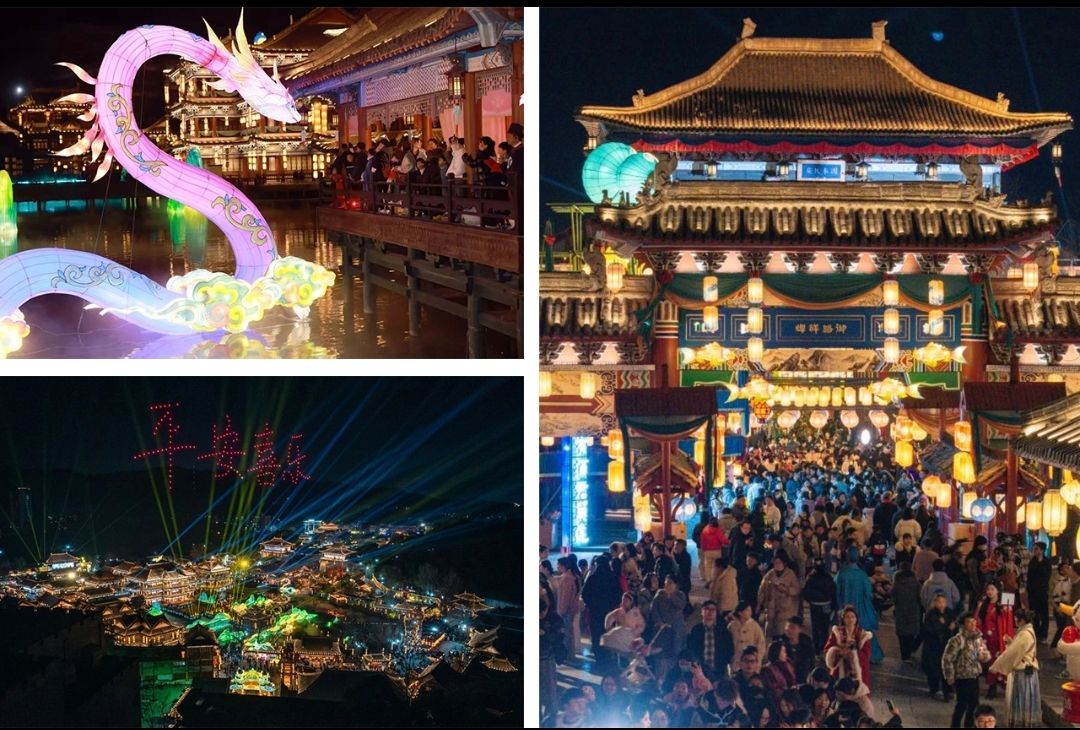
From the quiet austerity of Scandinavian cinema to the vast spectacle of China’s Hengdian World Studios,a new narrative is unfolding—not confined by geography,language,or ideology.
It is a story of how civilizations express themselves through images,and how China is now writing aglobal script that travels across mountains and seas.
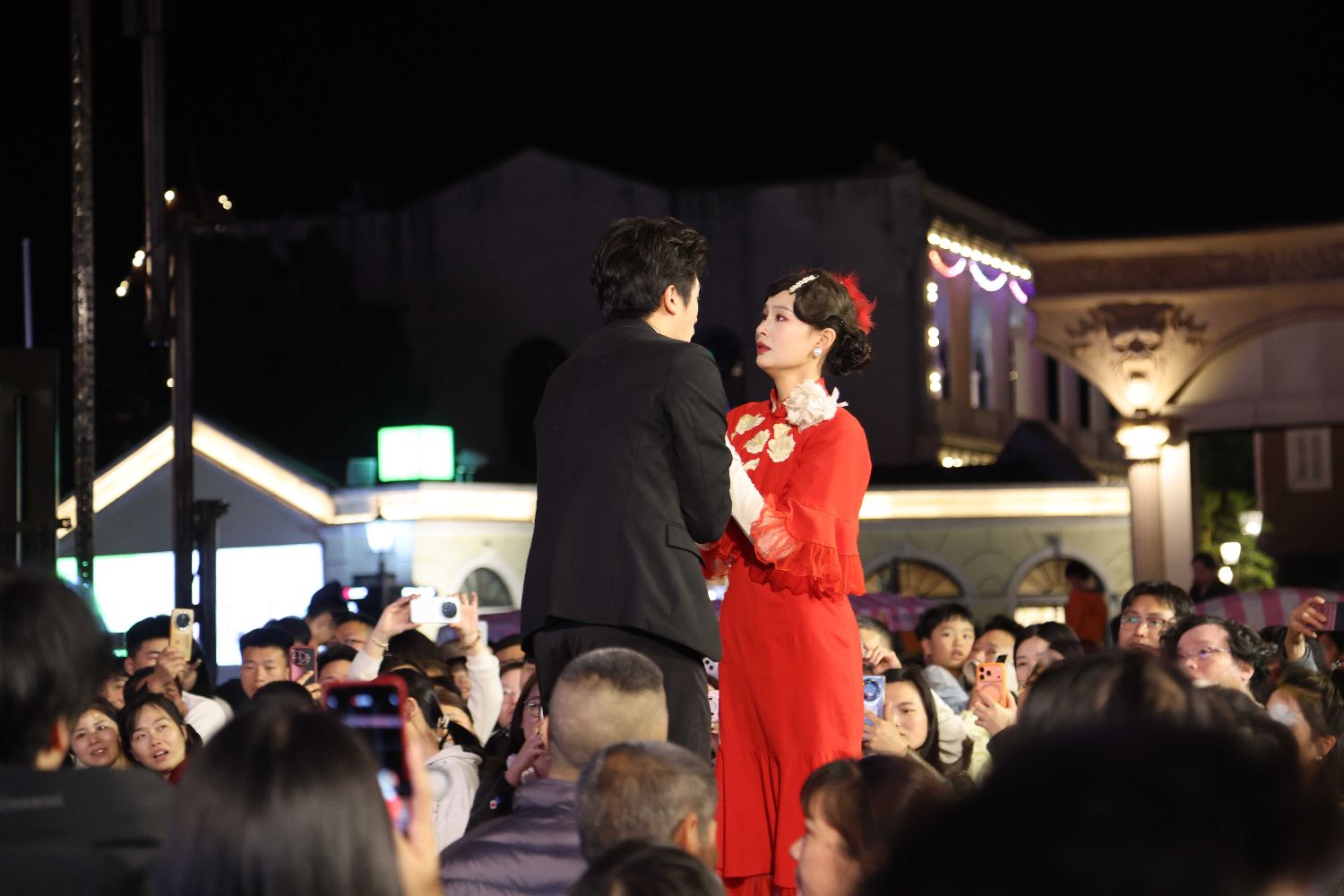
I.Bergman’s Silence,the Nordic Soul
In the North,cinema often begins with silence.
The works of are not driven by spectacle,but by introspection—the human face,the inner conflict,the search for meaning.
His films unfold in sparse rooms,empty churches,windswept landscapes.They ask questions rather than provide answers.
Nordic storytelling is rooted in restraint:
Cinema,here,is philosophy.
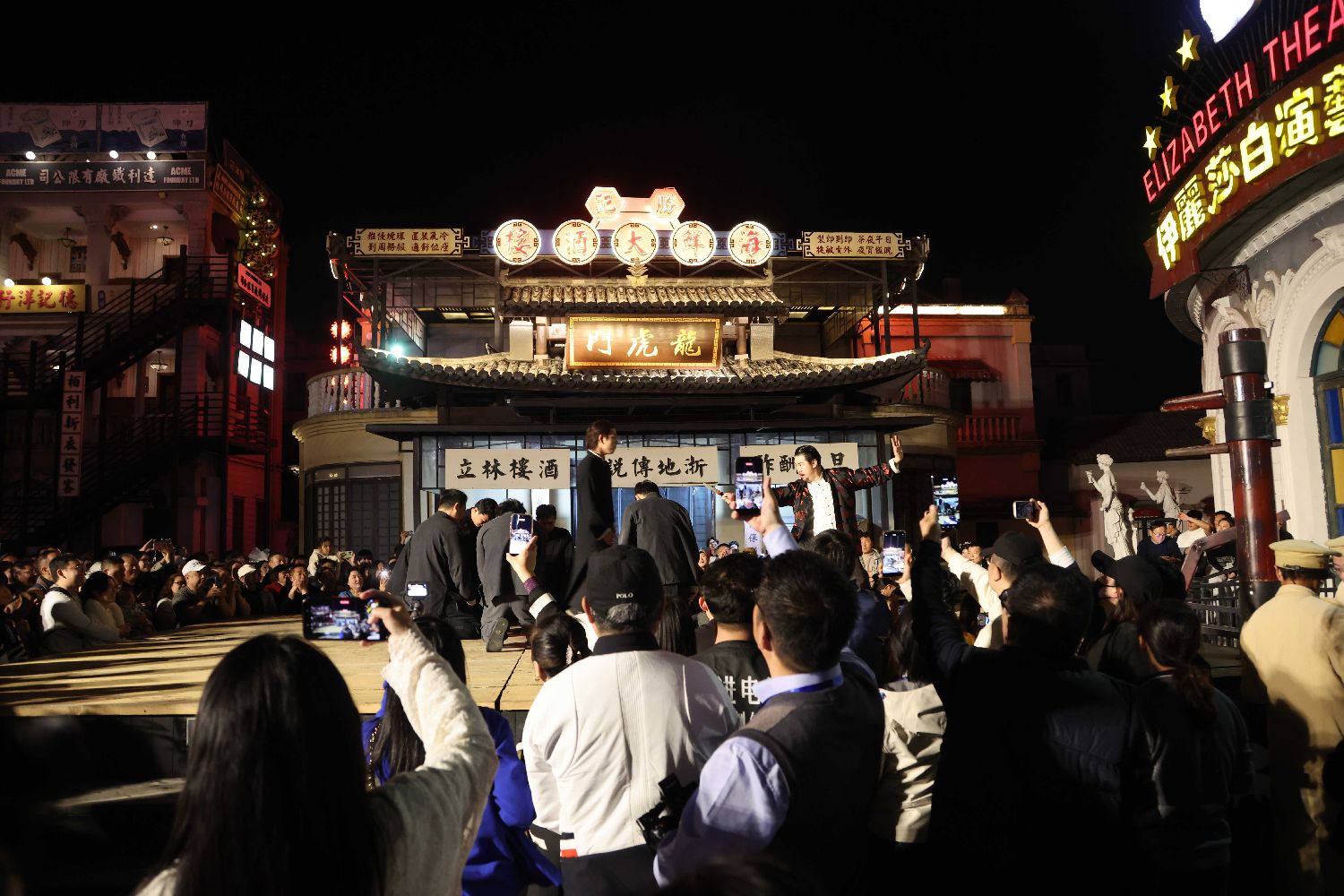
II.Hengdian:Where History Becomes a Living Stage
Thousands of kilometers away,in eastern China,another cinematic universe rises.
—often described as the largest film studio in the world—is not merely a place where films are made.
It is a place wherehistory is reconstructed,inhabited,and performed.
From imperial palaces to Republican-era streets,from ancient battlefields to modern cityscapes,Hengdian compresses thousands of years into a single,navigable space.
But something even more remarkable is happening:
Cinema here is no longer just watched—it is entered,lived,and experienced.
Visitors become actors.Streets become sets.Stories become environments.
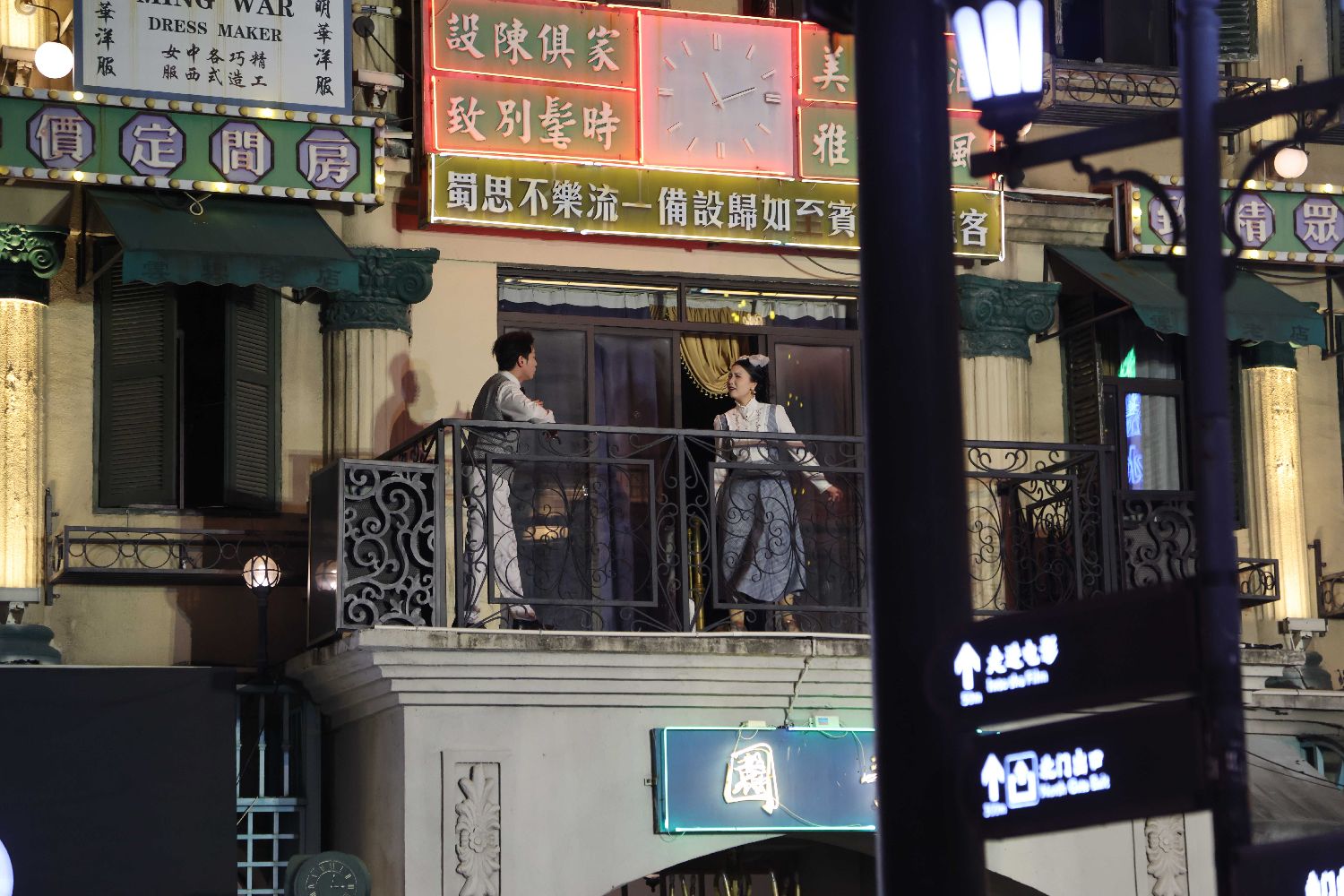
III.From Watching Films to Living Them
In traditional Western cinema,the audience sits in the dark,separated from the screen.
In Hengdian,that boundary dissolves.
Projects like immersive“film tourism”transform narrative into participation:
This marks a profound shift:
from storytelling as observationto storytelling asembodiment
It is,in many ways,a new cinematic language—one that merges film,theatre,gaming,and cultural tourism.
IV.A Civilizational Shift in Storytelling
If Bergman represents the depth of individual consciousness,Hengdian represents the scale of collective memory.
One turns inward.The other expands outward.
Yet both share a common truth:
Cinema is how civilizations speak about themselves.
China’s current trajectory suggests something larger than industrial growth.It signals the emergence of a new storytelling paradigm:
This is not just about producing more films.It is aboutredefining what a“story”can be.
V.Writing a Global Script
China’s film industry is increasingly visible on the global stage—through co-productions,streaming platforms,and cultural exports.
But Hengdian reveals something deeper:
a structural ambition to build not just films,buta world where stories can exist physically.
In this sense,China is no longer only a storyteller.It is becoming astage-builder for humanity.
A place where:
VI.Across Mountains and Seas
From Bergman’s quiet rooms in Swedento the bustling film streets of Hengdian,
we witness two ends of a cinematic spectrum.
One is introspective,minimal,philosophical.The other is immersive,expansive,and experiential.
Between them lies a bridge—not of politics,but of culture.
A bridge that tells us:
Humanity does not share one story—but it shares the need to tell stories.
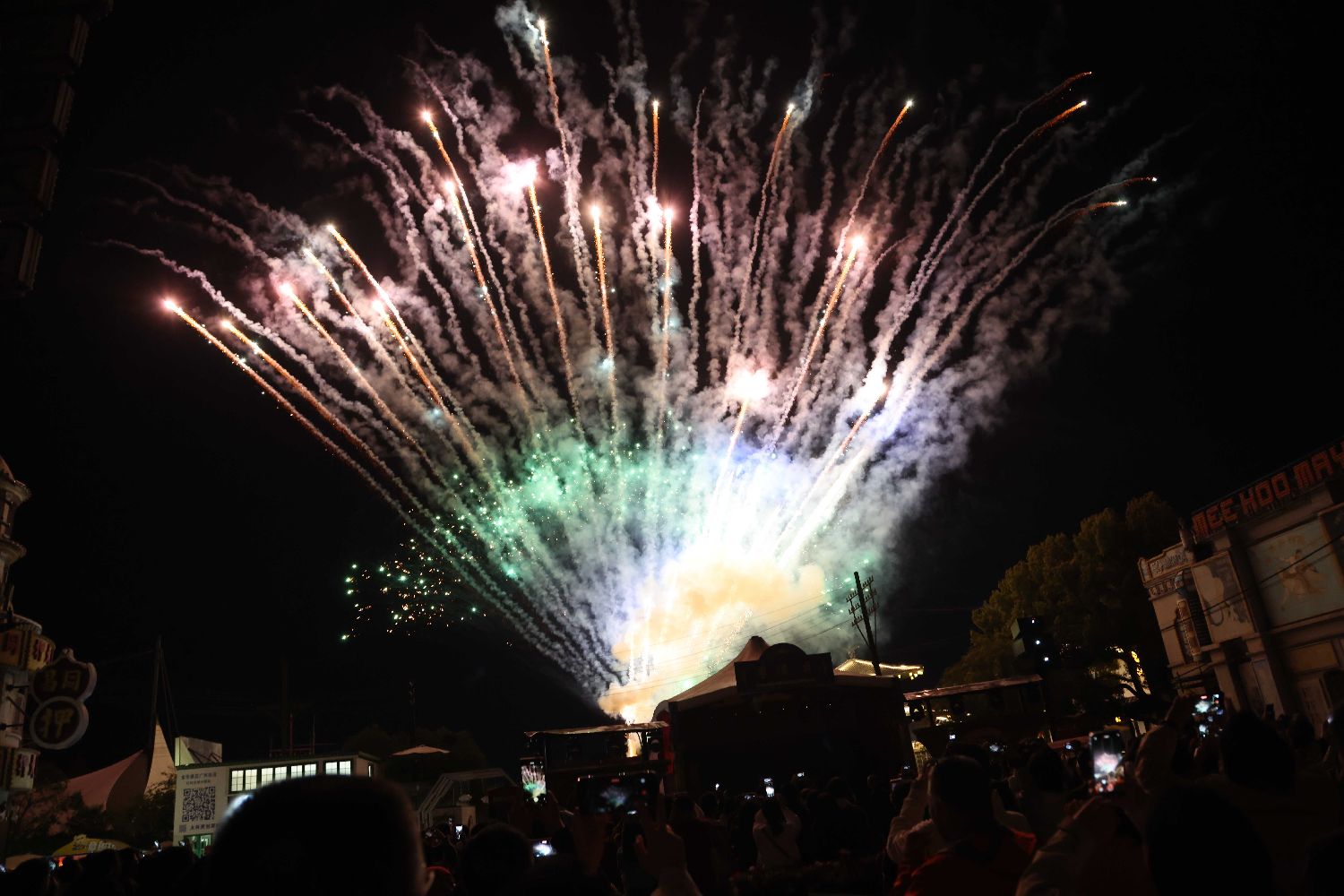
Standing in Hengdian at night,watching actors move through recreated streets of another era,
one realizes:
this is not imitation—this is creation.
A new kind of storytelling is emerging,one that travels beyond borders,languages,and traditions.
From Ingmar Bergman to Hengdian,a global script is being written—not on paper,but across the world itself.
