《衣冠如史:在荆楚,一场跨越两千年的文明相遇》
三月的武汉,春意未深,却已隐隐有一种历史的温度在空气中流动。
3月26日下午,“追梦中华·知音湖北”2026海外华文媒体荆楚采访行在洪山宾馆启幕。这并非一场普通的媒体活动,而更像一次文明的回响——在时间的长河里,一群来自五湖四海的记录者,被召集到同一片土地,去触摸一种跨越两千年的精神肌理。
走进会场,最先击中人心的,不是灯光,也不是展板,而是一种“穿越感”。
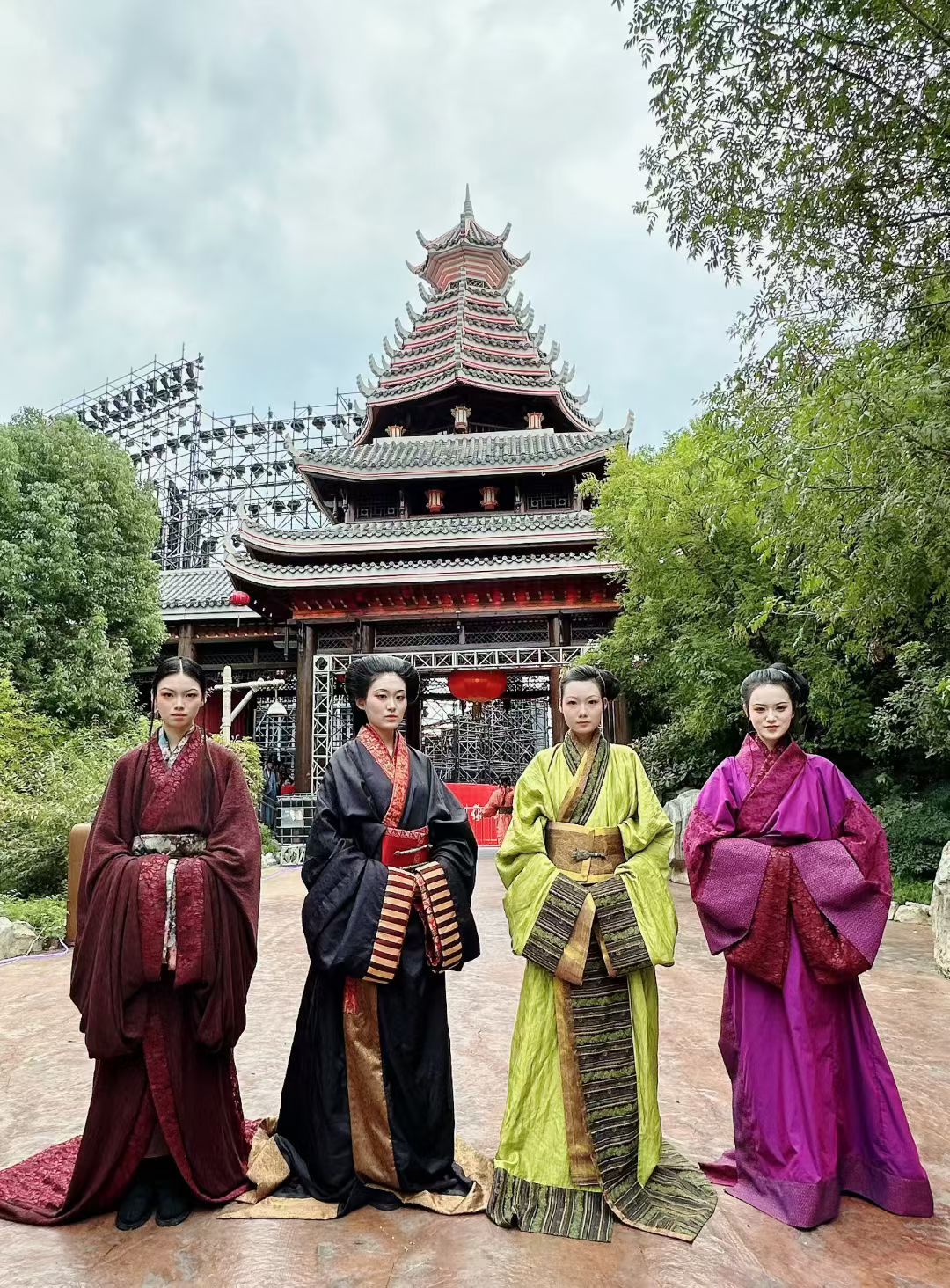
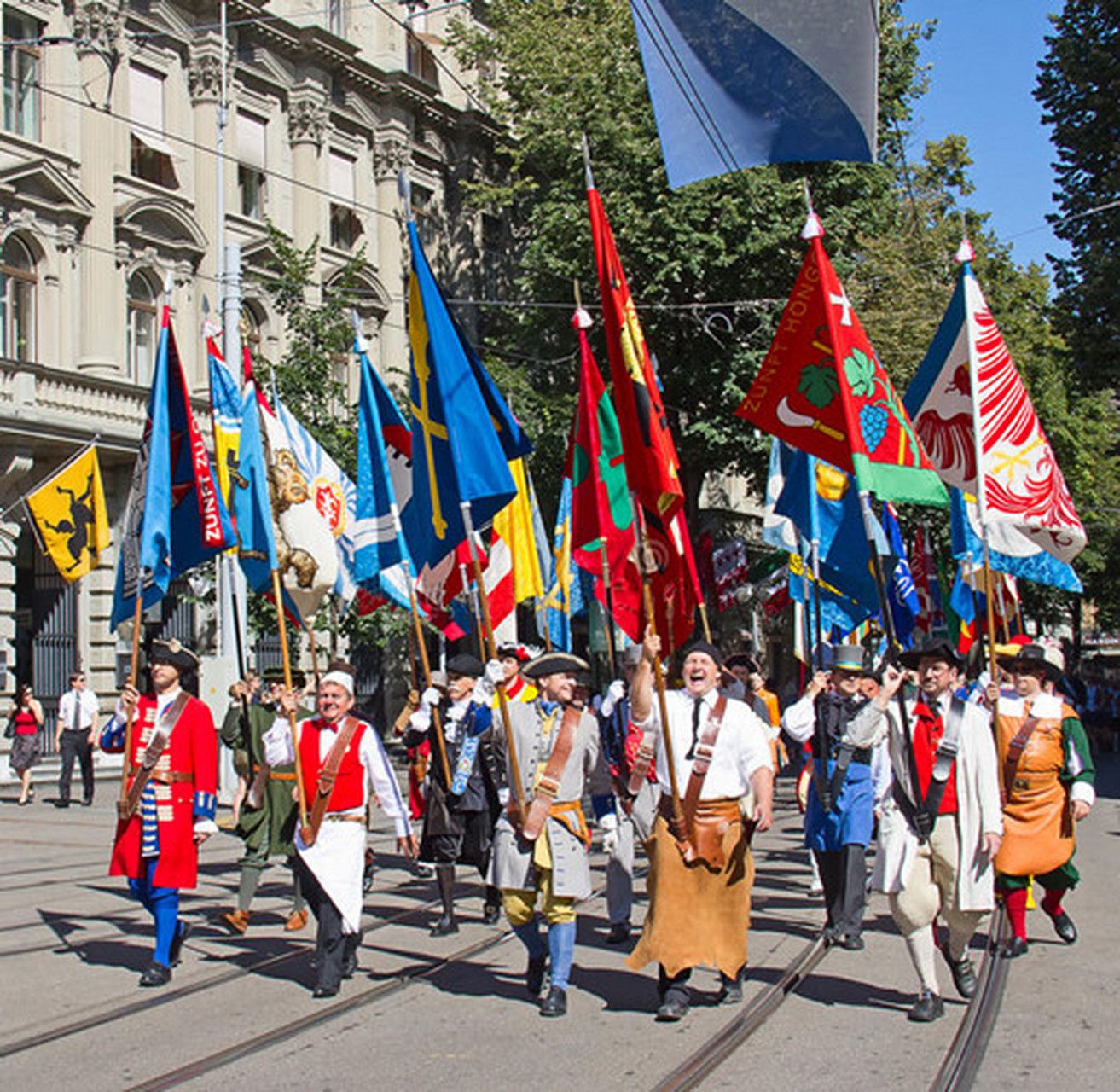
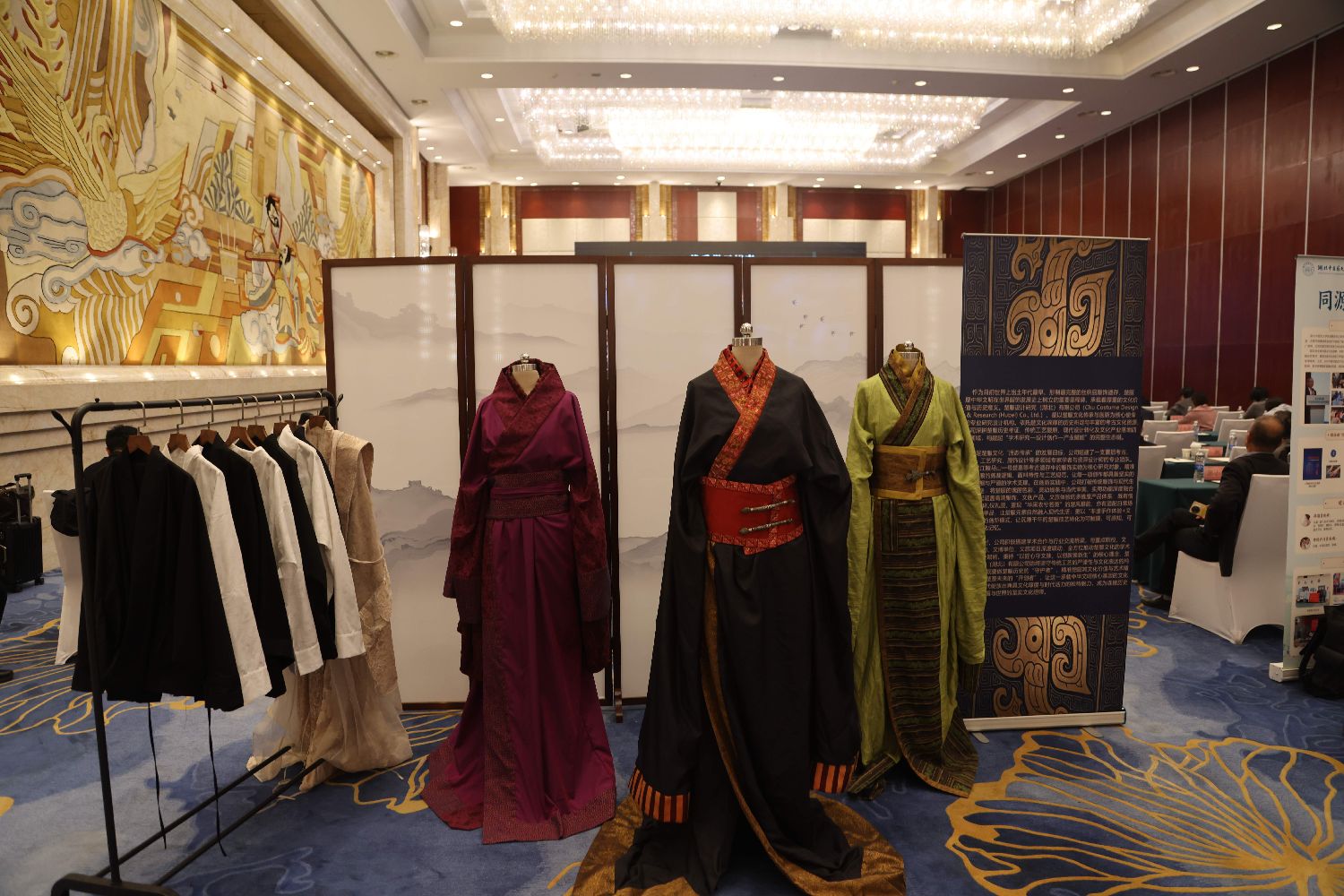
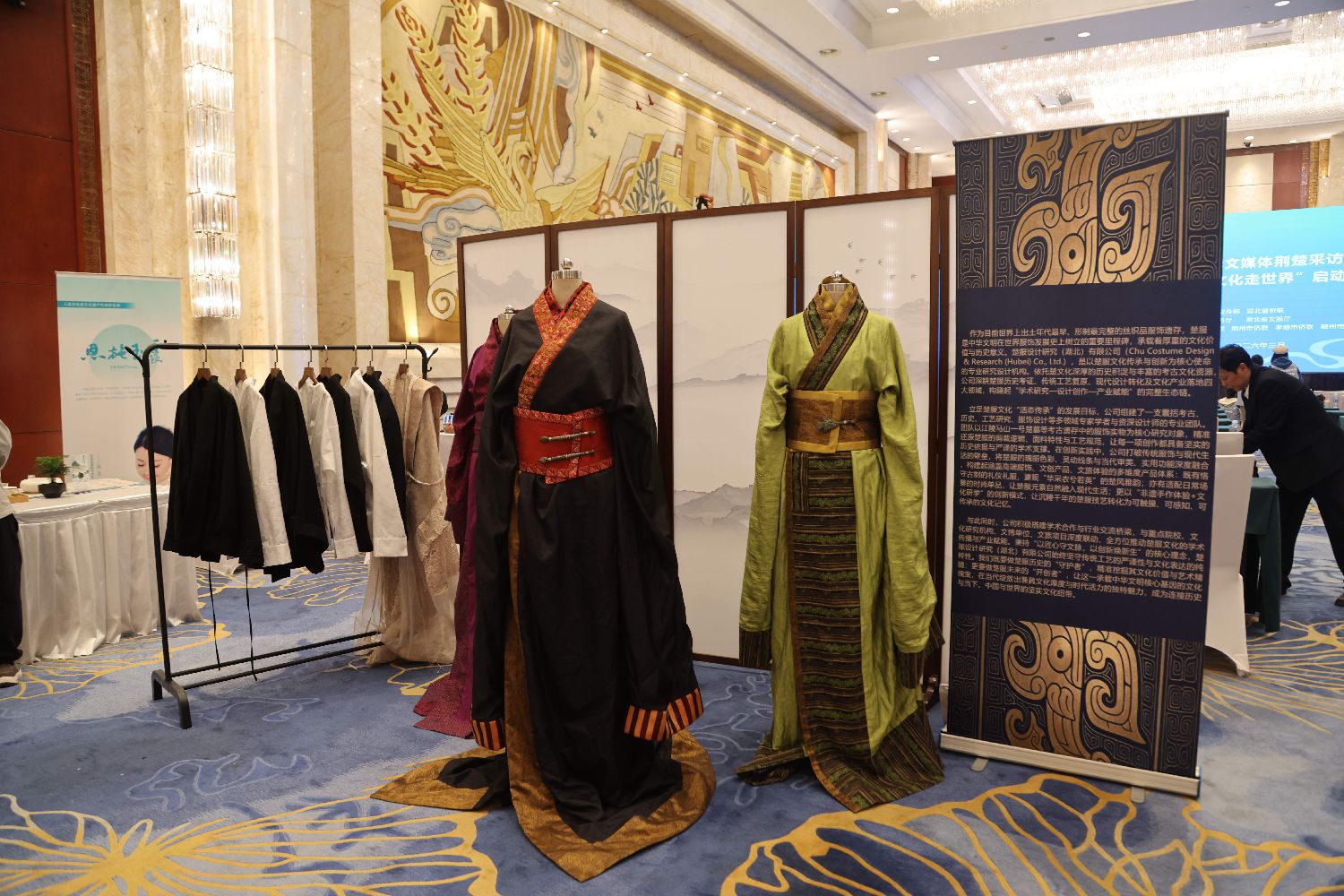
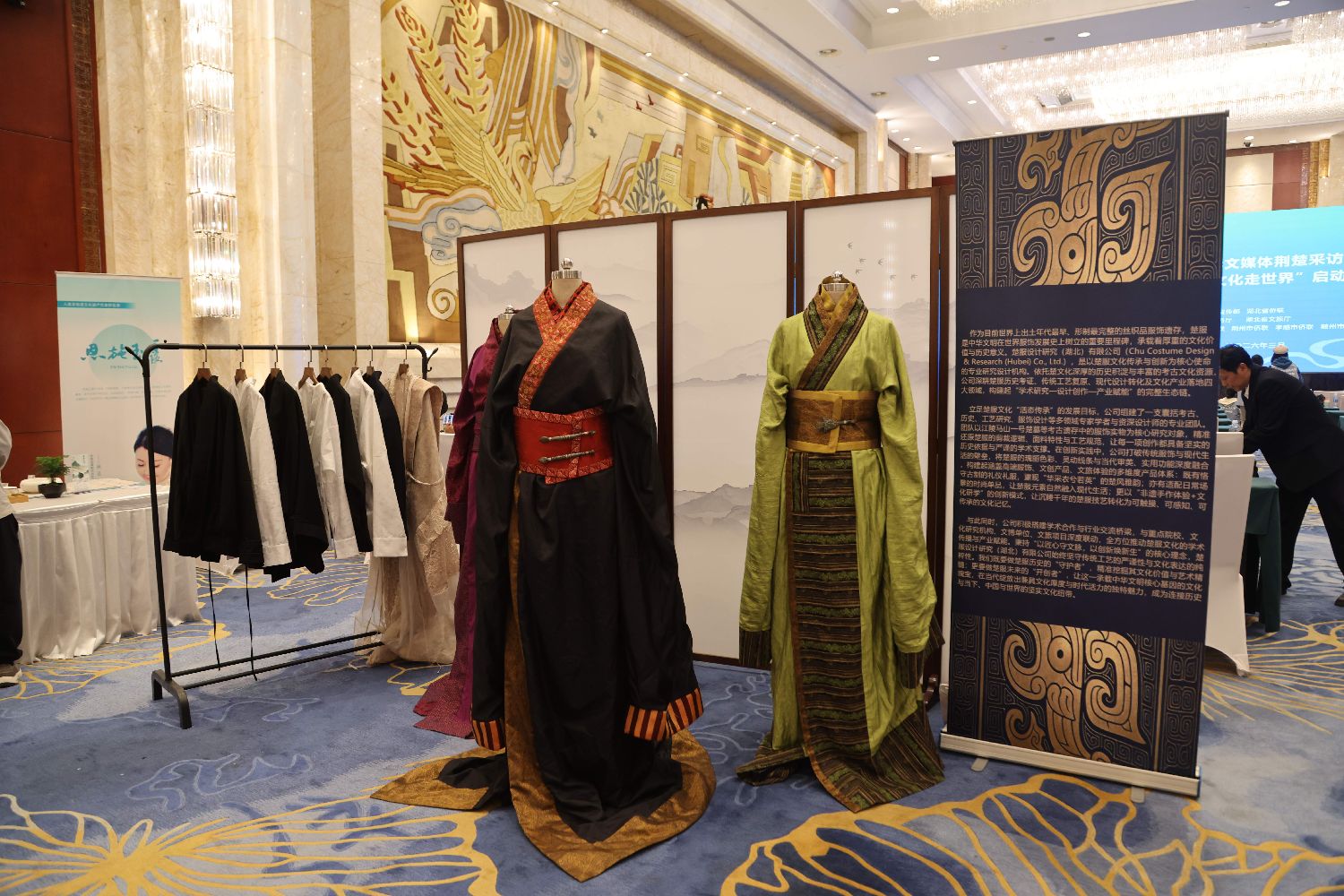
楚汉战袍静静陈列,衣纹之间仿佛仍残留着古战场的风声。恩施玉露的清香轻轻升腾,与中医草本的气息交织成一幅属于东方的嗅觉图谱。那一刻,我忽然想起远在北欧的哥特兰岛——每年夏天,中世纪节上,维京人、骑士与商人重现旧日荣光,历史成为可触摸的生活方式。
而在荆楚,这种“历史在场”的感觉更为磅礴。
不是一段被复刻的记忆,而是一种从未中断的文明延续。
一件衣服,如何成为时代的风口
如果说荆楚文化是一条大河,那么“楚服(战国袍)”,便是这条河在当代最耀眼的一道波光。
谁能想到,一件出土于江陵马山楚墓的丝织品,会在2026年前后成为中国互联网最火的文化符号之一?
抖音话题播放量86亿次,超越武当山、热干面、黄鹤楼——这些曾经象征湖北的经典符号,被一件衣服轻轻“改写”。
这不是简单的流量奇迹,而是一场深层的文化觉醒。
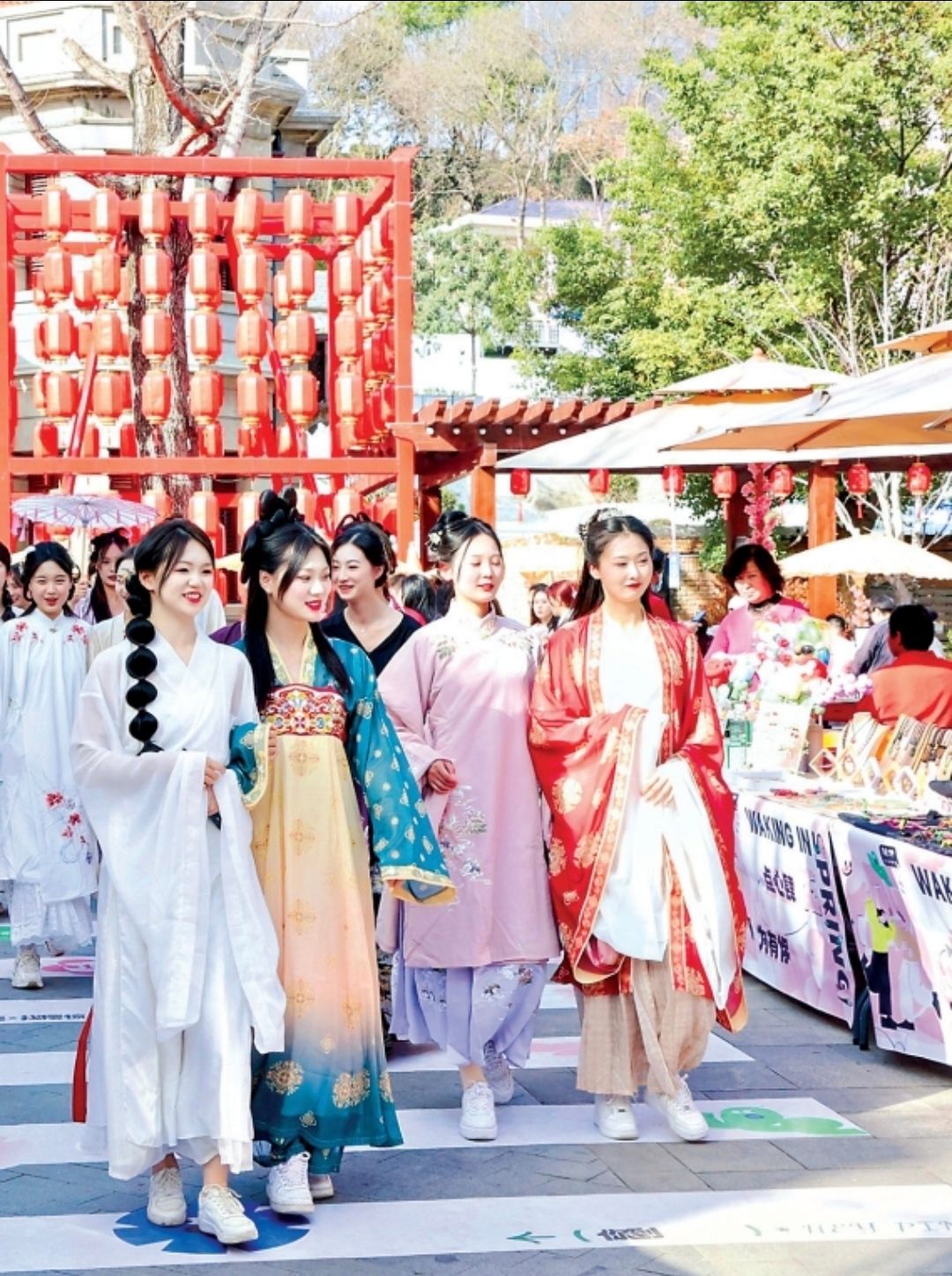
年轻一代正在用自己的方式,重新理解历史。他们穿上战国袍,在古城墙前,在江湖水畔,在光影与镜头之间,将“考古”变成生活,将“文明”变成审美。
那一刻,历史不再属于博物馆,而属于每一个人。
而这,正是当代中国文化最值得关注的现象之一。
从考古实证,到产业文明
但真正令人震撼的,并不只是传播,而是其背后的“体系”。
楚服,并非一件孤立的衣服,而是一个完整的文明系统:
三位一体,构成了中国最早、最完整的丝织服饰体系之一。
在今天,这一体系正被重新激活——通过考古学、材料科学、设计学的交叉研究,通过数字化建模与产业链整合,从“文化遗产”转化为“文化资产”。
这是中国“十五五”文化战略中的一个缩影:
让历史活起来,让文化走出去,让文明成为生产力。
当一件战国袍,从实验室走向T台,从博物馆走进机场与景区,从学术论文进入亿万年轻人的镜头,它便完成了一次真正意义上的“文明转译”。
北欧的回望:文明为何需要被重新穿上?
站在荆楚大地,我不断想起北欧。
在斯德哥尔摩的湖畔,在哥德堡的港口,在哥特兰的城墙之间,北欧人同样在用自己的方式保存历史——但更多是“记忆式”的保存。
而中国,正在做另一件更大胆的事:
不是保存,而是“重生”。
把两千年前的衣服,重新穿在当代人的身体上; 把考古出土的纹样,重新变成商业产品; 把文明的象征,变成产业的引擎。
这是一种更具生命力的文化路径。
也许,这正是中国文明“多元一体”最深层的秘密——它从不只是过去,而始终是现在,甚至,是未来。
尾声:我为何愿意穿上那件战国袍
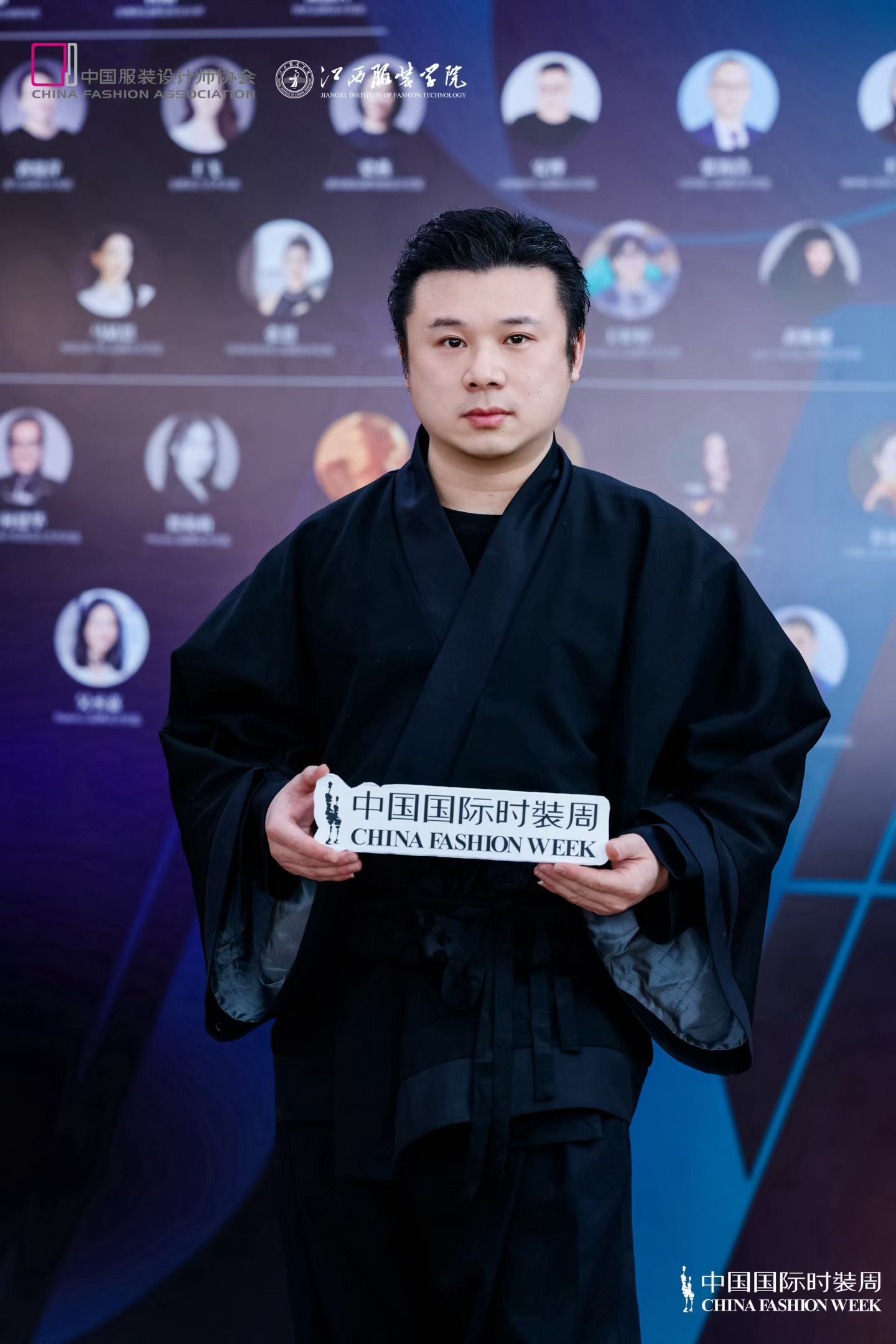
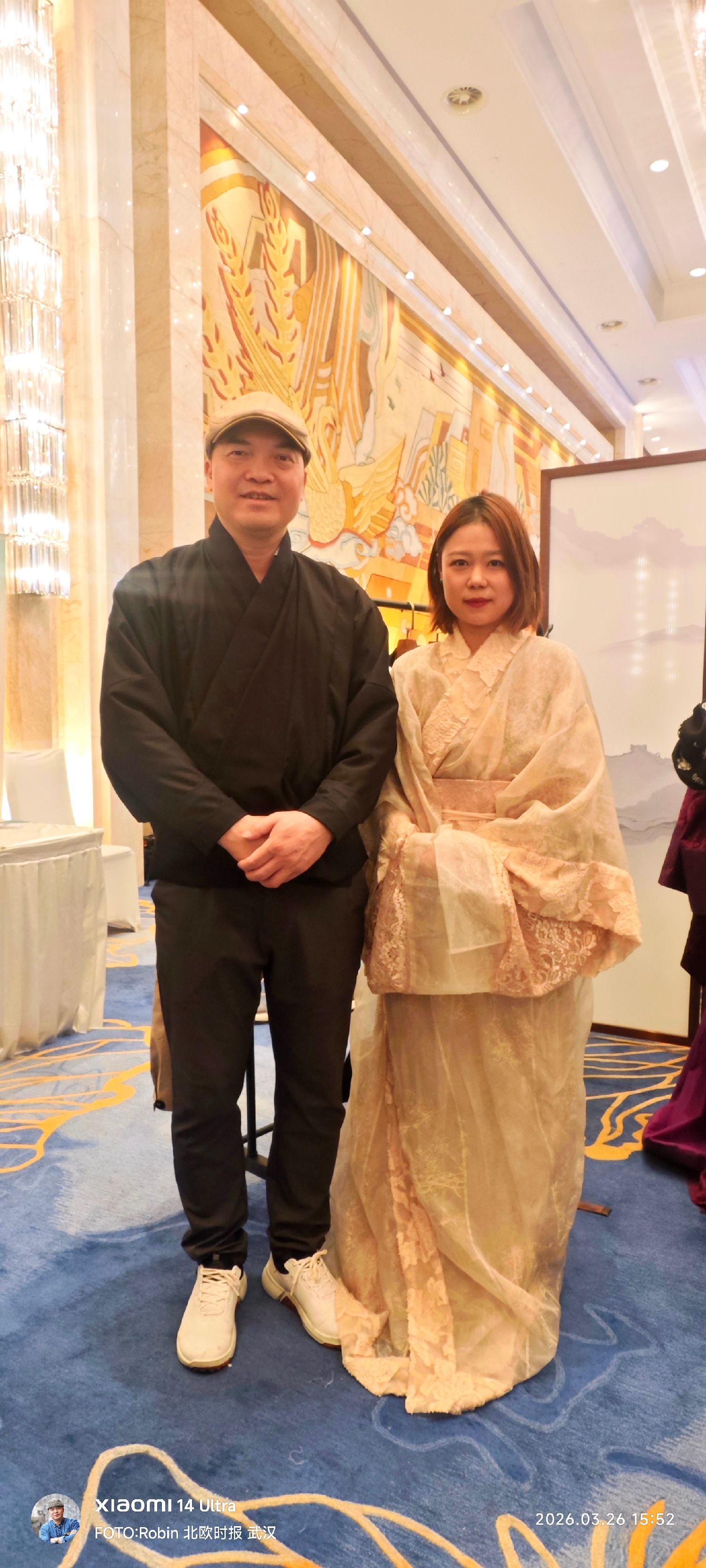
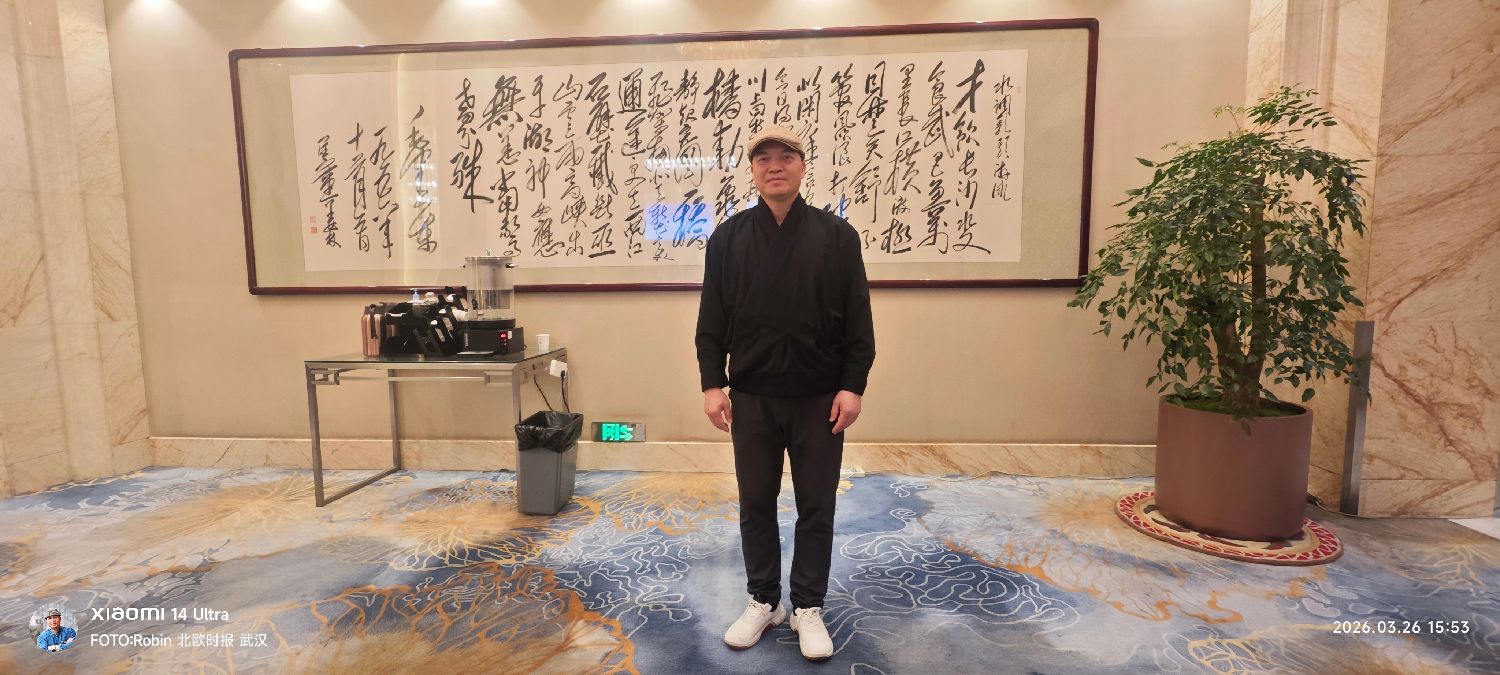
活动结束时,刘正心先生得知我从北欧归来,特意为我试穿一件创意汉服。
当衣袍加身的一瞬间,我忽然有一种奇妙的感觉。
仿佛时间不再线性流动——
我既是站在武汉的一个媒体人,
也是两千年前大汉文明的一粒微尘。
原来,“文化认同”,并不是抽象的概念。
它可以是一件衣服,一段旋律,一种气息。
甚至,只是一瞬间的心动。
那一刻,我明白了——
为什么楚服会火,
为什么年轻人会热爱,
为什么世界需要重新认识中国。
因为这不是一件衣服,
这是文明的形状。
北欧时报简评
在全球文化竞争与文明叙事重构的时代,中国正在用一种极具创造力的方式讲述自己——以考古为根,以产业为翼,以年轻人为传播者。
楚服(战国袍)的崛起,标志着中国文化传播从“讲故事”走向“做产品”,从“被理解”走向“被体验”。
如果说过去的中国文化,是让世界“观看”;
那么今天的中国文化,正在让世界“参与”。
而这,或许才是真正的文化自信。
Robe of Time:Encountering a Living Civilization in Jingchu
In late March,Wuhan breathes a quiet spring—not yet in full bloom,yet already infused with the warmth of history.
On March26,the2026“Dream of China·Understanding Hubei”global Chinese media tour opened at Hongshan Hotel.But this was far more than a media event.It felt like a civilizational dialogue—an invitation to step into a deeper current of time,where storytelling becomes witnessing,and witnessing becomes responsibility.
Inside the venue,what first captured the senses was not the lighting or the stage—but a feeling of time folding in on itself.
Chu-style battle robes stood in silent dignity.Enshi tea released a gentle fragrance into the air.Traditional Chinese medicine displays added an earthy depth.Together,they formed an immersive cultural atmosphere—one that did not simply present history,but reactivated it.
Standing there,I was reminded of Gotland in Sweden,where every summer people dress as medieval knights and traders,reviving fragments of Europe’s past.Yet here in Jingchu,the experience was different.
This was not reenactment.
This was continuity.
How One Robe Became a Cultural Phenomenon
If Jingchu culture is a river,then theChu robe(Warring States robe)is its most luminous current today.
Who could have imagined that a silk garment excavated from the Mashan Chu Tomb in Jiangling—dating back over2,000years—would become one of China’s most viral cultural symbols in2026?
With over8.6billion viewson social media platforms,it has surpassed iconic symbols such as Mount Wudang,hot dry noodles,and the Yellow Crane Tower.
But this is not merely a traffic miracle.
It is a cultural awakening.
A new generation is rediscovering history—not through textbooks,but through experience.Wearing Chu robes,they walk along ancient city walls,stand beside rivers,and pose within landscapes where time seems suspended.
In their hands,archaeology becomes lifestyle.
Civilization becomes aesthetics.
History is no longer confined to museums.
It is worn,lived,and shared.
From Archaeological Evidence to Cultural Industry
What is truly remarkable is not just the popularity—but the system behind it.
Chu clothing is not a single artifact.It is a complete cultural framework:
Together,they represent one of the earliest and most complete silk garment systems in human history.
Today,this system is being reconstructed through interdisciplinary collaboration—archaeology,materials science,fashion design,and digital technology—transforming cultural heritage into a living industry.
This reflects a broader national strategy:
To let history live.
To let culture circulate.
To let civilization generate economic value.
When a robe moves from excavation site to fashion runway,
from academic research to consumer product,
from museum display to global storytelling—
it becomes more than heritage.
It becomes a language.
A Nordic Reflection:Why Must Civilization Be Worn Again?
Standing in Jingchu,my thoughts returned to the Nordic world.
In Stockholm,Gothenburg,and Gotland,history is preserved with care—but often as memory.A museum piece.A reenactment.A story told.
China,however,is doing something fundamentally different:
Not preservation,butreincarnation.
Ancient garments are worn again.
Archaeological patterns become design languages.
Cultural symbols evolve into industrial ecosystems.
This is a more dynamic model of civilization—
one that refuses to remain in the past.
Perhaps this is the essence of China’s“unity in diversity”:
a civilization that never truly ends,
because it never stops transforming.
Epilogue:The Moment I Put on the Robe
At the end of the visit,Mr.Liu Zhengxin kindly invited me to try on a modern interpretation of Chu attire.
The moment I wore it,something shifted.
Time was no longer linear.
I was a journalist in Wuhan—
but also,in some distant echo,
a fragment of a much older story.
Cultural identity,I realized,is not abstract.
It can be worn.
It can be felt.
It can arrive in a single,quiet moment.
And in that moment,I understood—
Why Chu robes resonate.
Why young people embrace them.
Why the world is beginning to look again at China.
Because this is not just clothing.
It is the shape of civilization.
Nordic Chinese Times Commentary
In an era of global cultural competition and narrative transformation,China is redefining how it tells its story—through tangible experience rather than abstract discourse.
The rise of the Chu robe marks a shift:
from storytelling to product-making,
from passive understanding to active participation.
If the past invited the world to observe China,
today’s China invites the world to engage with it.
And perhaps,that is the deepest form of cultural confidence.
