
站在瑞典洛神湖畔回望中国云梦,这枚沉睡两千年的长文觚,忽然有了当代意义。
北欧社会常被视为“高信任社会”的典范:制度透明、规则清晰、人与人之间普遍守约。这种“信任”的根基,其实正是中国古人所说的两个字——义与和。
在云梦秦简中,“义”是秩序的底线,是公共规则的共识;而“和”,则是在规则之上的协调与共生。这一逻辑,与北欧社会的运行方式惊人地相似:
但更深一层看,中国古人早已指出一个关键:
没有“义”的“和”,不过是短暂的平静;
有“义”的“和”,才是长久的稳定。
这对当今世界尤为重要。
在全球化冲突加剧、价值体系分裂的时代,一些国家强调“团结”,却忽视规则;一些社会追求“自由”,却忽略责任。结果往往是——既无“义”,也无“和”。
而云梦这篇长文觚,给出了一个跨越两千年的答案:
👉真正的文明,不在于强大,而在于是否建立了“义”;
真正的和平,不在于没有冲突,而在于是否能够“以义化解冲突”。
从荆楚大地到北欧湖畔,这种思想的回响,正说明:
文明可以不同,但“义与和”的逻辑,是人类共通的底层结构。
两千年前的云梦竹简告诉我们:
世界的秩序,不始于权力,而始于“义”;
世界的和平,不来自妥协,而来自“以义达和”。
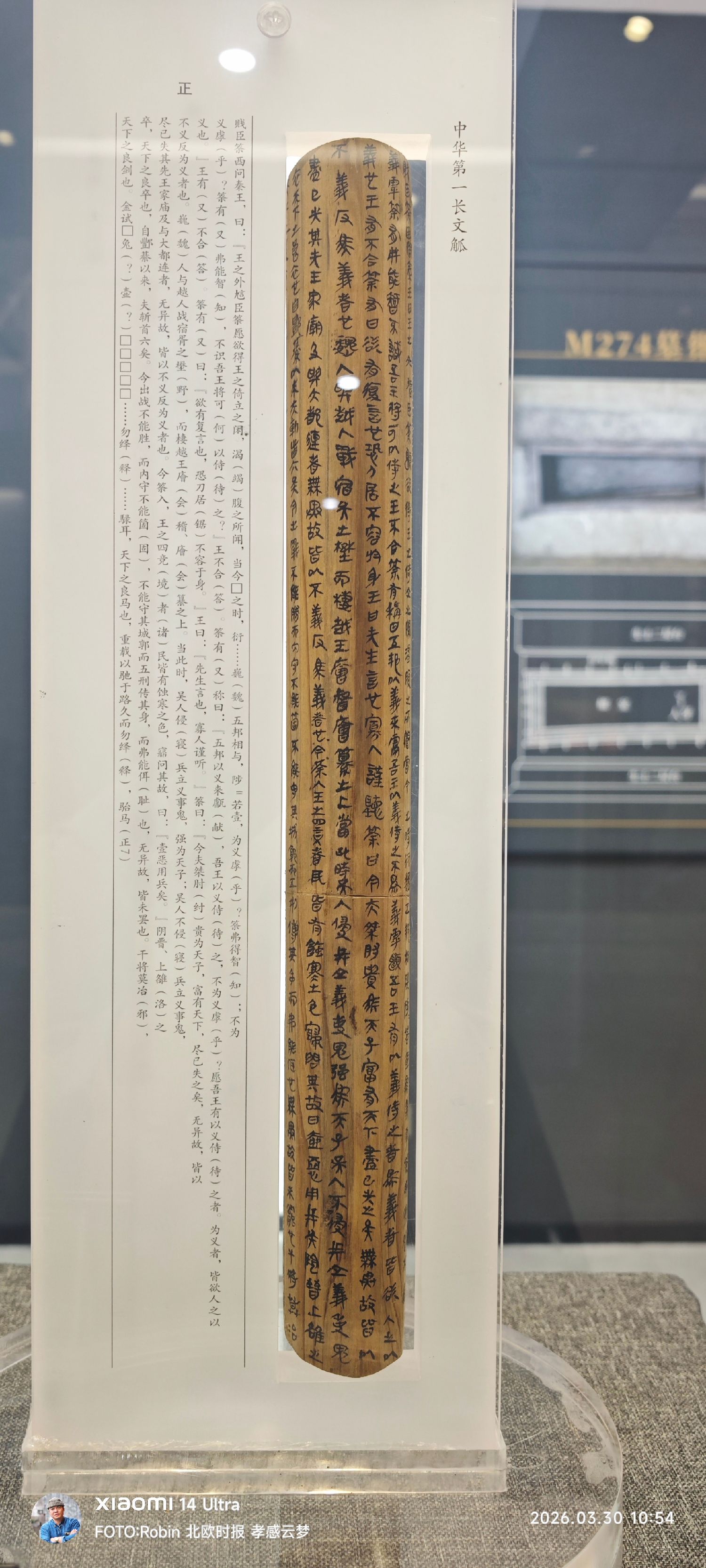
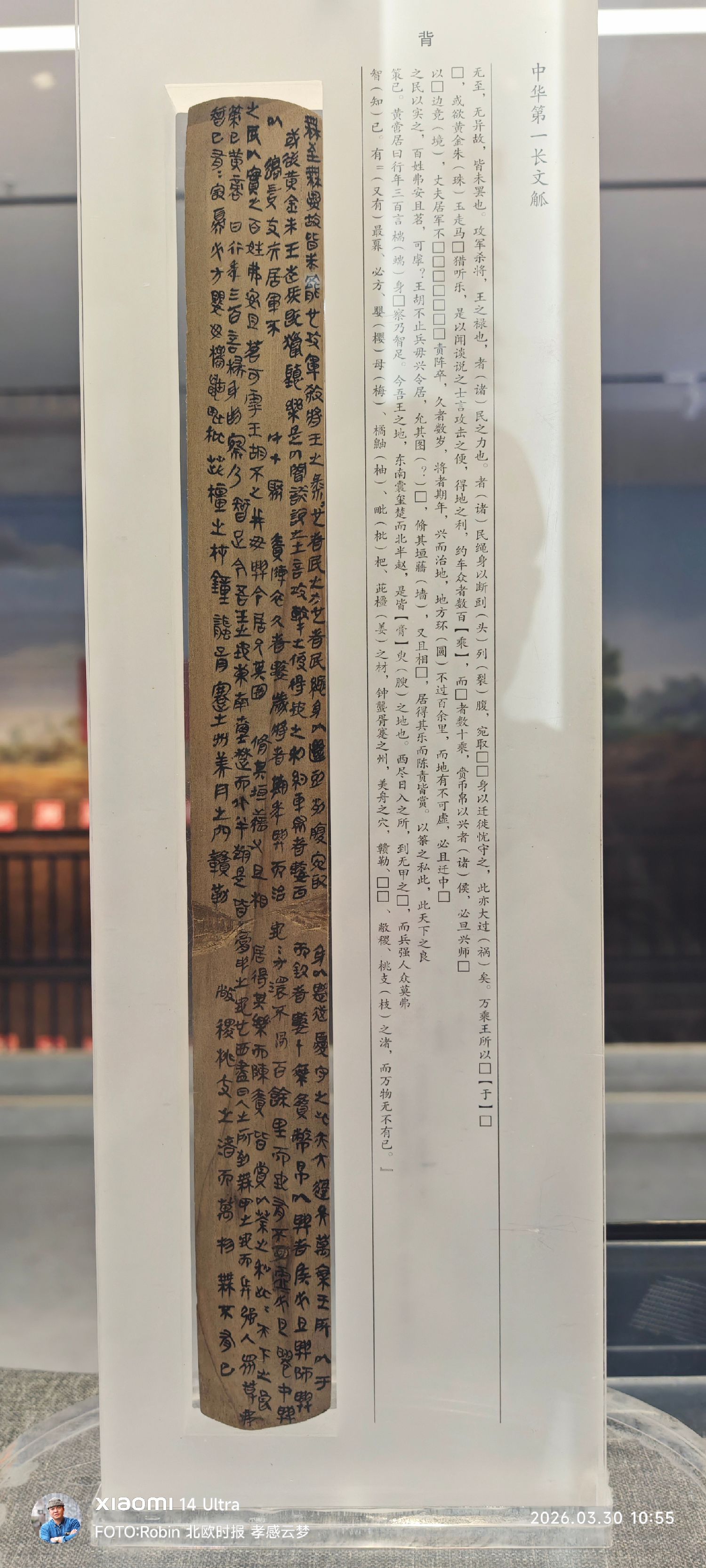
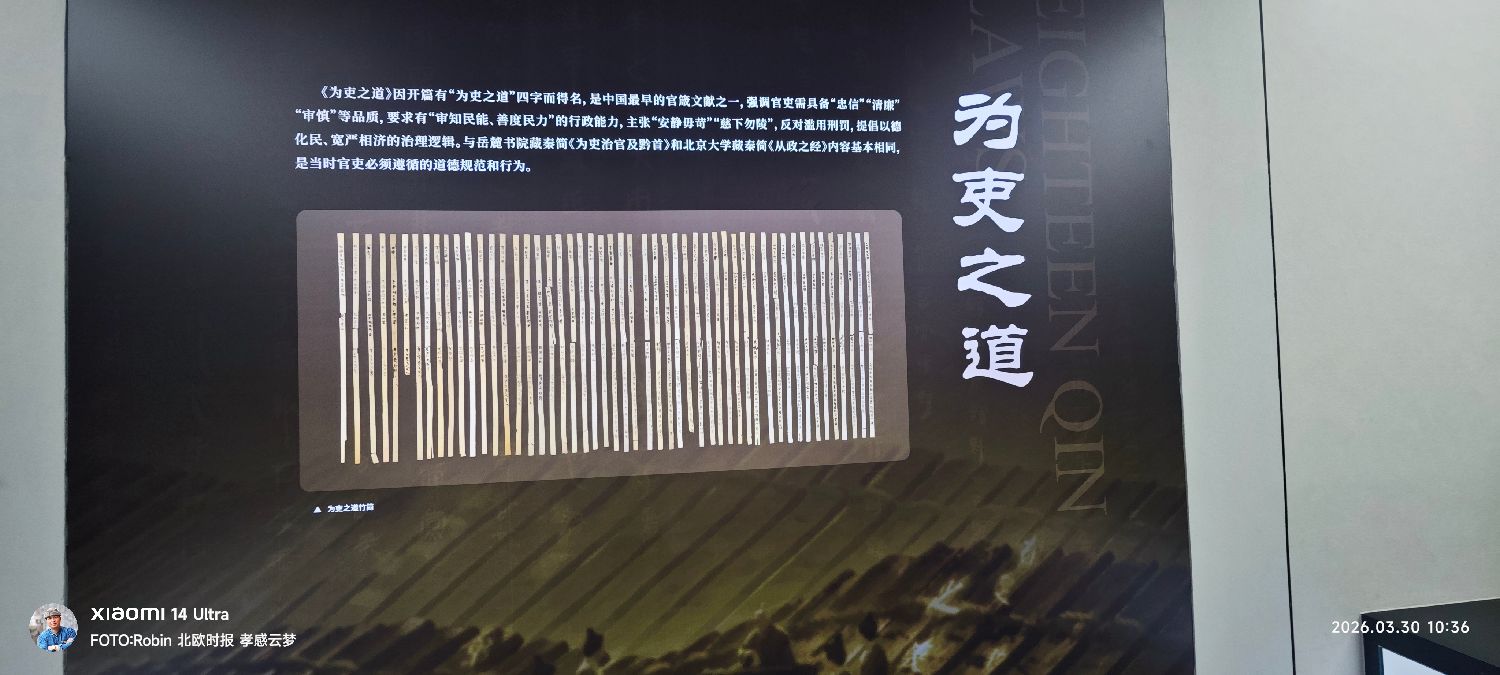
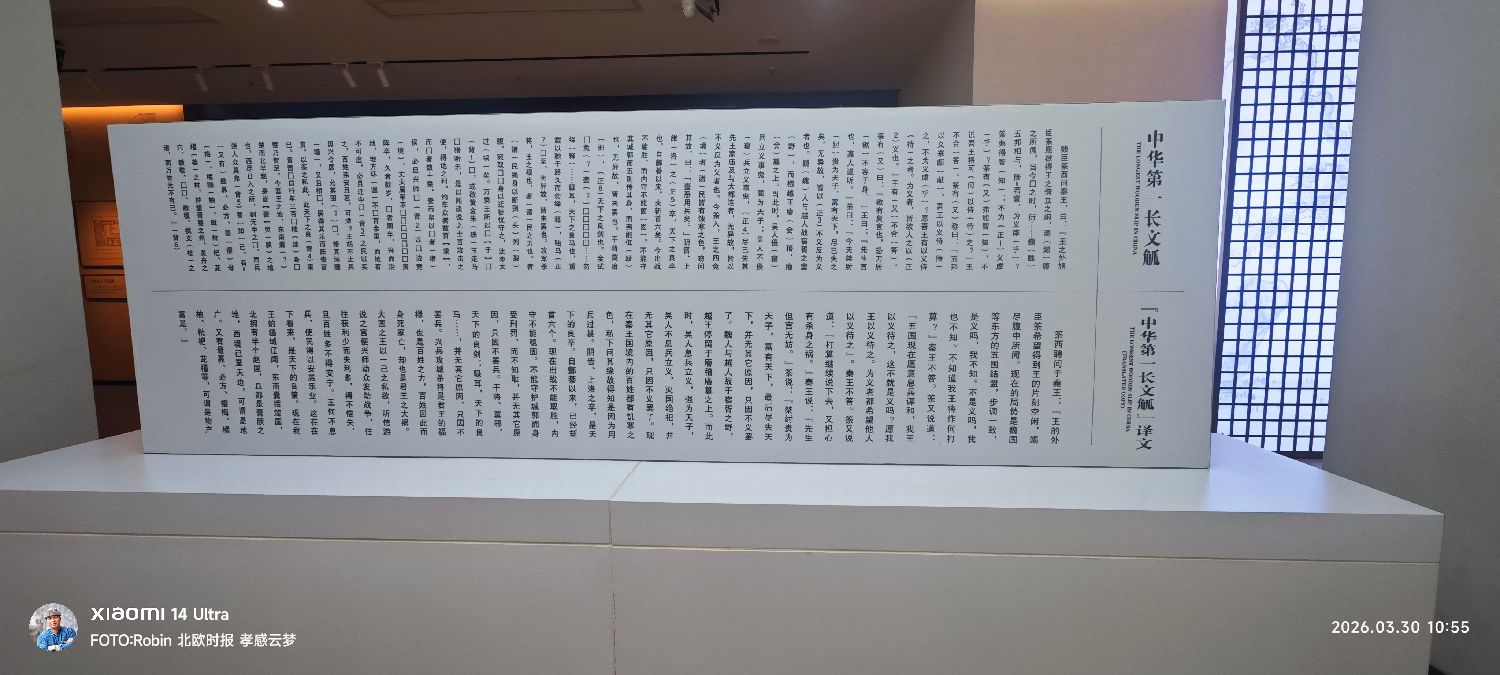
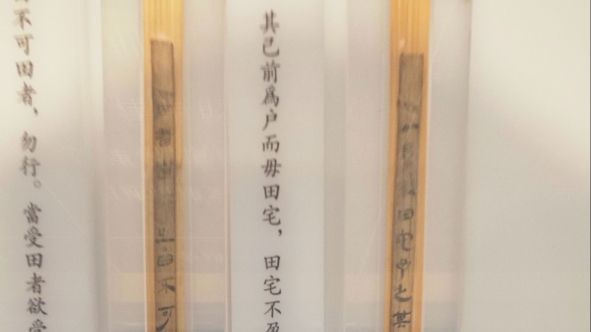
这组照片所见的,正是震撼学界的湖北孝感市云梦县博物馆秦简代表作——《中华第一长文觚》。它不仅是一件文物,下面为看官做两层解读+上面一篇评论。
一、通读全文要义:这是一篇“治国与做人之道”的长文
这篇长文觚,大致可以归纳为三大内容:
1️⃣何为“义”:天下秩序的根本
文中反复出现“义”,其核心不是抽象道德,而是社会运行的准则:
👉“义”在这里,相当于一种“公共规则+道德约束”的结合体。
2️⃣何为“和”:人与人、人与国家的协调
“和”不是简单的和气,而是:
👉这是一个极重要的思想:
“和”不是无原则的妥协,而是“在义的框架下的协调”。
3️⃣“义”和“和”的关系:先义后和
全文最深的逻辑在这里:
无义,则无和;有义,方能致和。
也就是说:
二、“义和之道”的思想高度(为什么称“第一长文”)
这篇文觚的价值,不在“长”,而在它完成了一个极早期的思想体系:
✔从个人伦理→国家治理
把“做人”与“治国”打通
✔从道德→制度雏形
“义”已经接近后来“法治”的前身
✔从冲突→协调机制
提出“以义达和”,是一种治理哲学
👉可以说,这是中国文明早期的“政治哲学原型”。
 Rethinking Order and Harmony:
What a2,000-Year-Old Chinese Text Can Teach the Modern World
By Nordic Chinese Times
In a museum in Yunmeng,Hubei Province,a slender bamboo manuscript quietly rests behind glass.Known as“The Longest Early Chinese Text”,it dates back more than two millennia to the Qin era.Yet its message speaks directly to the dilemmas of the21st century.
At the heart of this ancient text are two concepts:“Yi”(义)and“He”(和).
They are often translated as“justice”and“harmony”.But such translations barely capture their depth.
Beyond Translation:A System of Thought
In the manuscript,Yiis not merely moral righteousness.It is a shared framework of rules and responsibilities:
In modern terms,Yiresembles a fusion ofrule of law,ethical governance,and social contract.
He,by contrast,is not passive peace or superficial politeness.It is anactive state of balance:
The text makes one argument with striking clarity:
Without Yi,there can be no He.
Only through Yi can true harmony emerge.
An Ancient Insight into Modern Governance
What makes this text remarkable is not its age,but its structure of reasoning.
It links:
This is not unlike modern governance theories that emphasizeinstitutional trust,accountability,and legitimacy.
Yet the manuscript goes one step further.
It warns against a temptation that remains universal:
👉the pursuit of harmonywithout principles.
Such harmony,it suggests,is fragile—even dangerous.
A Nordic Parallel
Seen from a Nordic perspective,the resonance is striking.
Countries such as Sweden are often described as“high-trust societies”.But this trust is not accidental.It rests on:
In other words:
The similarity is not cultural coincidence,but structural convergence.
Both traditions recognise a fundamental truth:
Stability is not created by suppressing differences,
but by aligning them within a framework of shared rules.
A Lesson for a Fragmented World
Today’s global order faces mounting tensions:
In response,some emphasise unity,while others prioritise freedom.Yet both approaches risk imbalance when detached from responsibility.
The Yunmeng manuscript offers a simple but profound corrective:
True order requires both.
From Bamboo Slips to Global Dialogue
What makes this2,000-year-old text relevant is not nostalgia,but clarity.
It reminds us that:
In an age searching for new frameworks of coexistence,this ancient voice does not offer a ready-made model.
But it does offer something equally valuable:
👉aphilosophical foundation for dialogue.
Conclusion
Across time and geography,from Yunmeng to Northern Europe,one principle endures:
A stable world is not built on power alone,
but on shared norms that people recognise as just.
In that sense,the wisdom ofYi and Hemay not belong only to China’s past.
It may well be part of the world’s future.
