一位“壮王”抵临以色列迦南地的经历
——一个东方行者在圣地的见闻与思考(北欧视角纪实)
【北欧时报专稿】
从北欧湖畔遥望世界,总能看见人类文明的两极——一端是秩序与理性,一端是信仰与冲突。
而在中东,有一片土地,将这两者压缩在同一块石头之上。
那就是——以色列,古老的迦南地。
一、从壮乡出发,走向人类源头
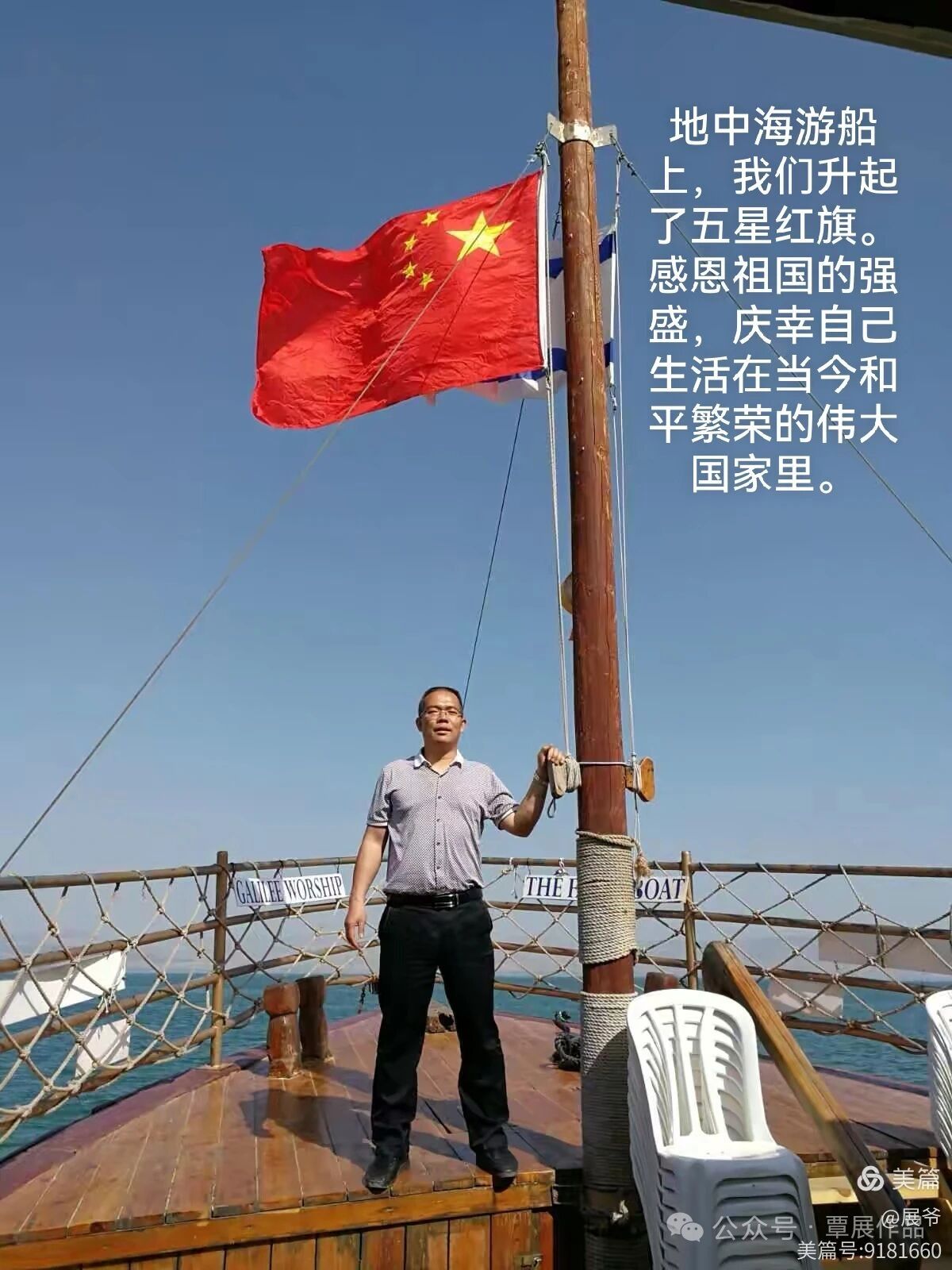
他来自中国广西河池,一个壮族山水之地。
那里的人,习惯仰望山、顺应水,也习惯在歌声中表达世界。
而这一次,他没有唱山歌。
他走向了一个更古老的叙事——人类三大宗教的交汇之地。
当他站在耶路撒冷,那一刻,不再是“一个中国人”,而是一个站在人类历史入口的见证者。
二、圣地的石头,比语言更沉重
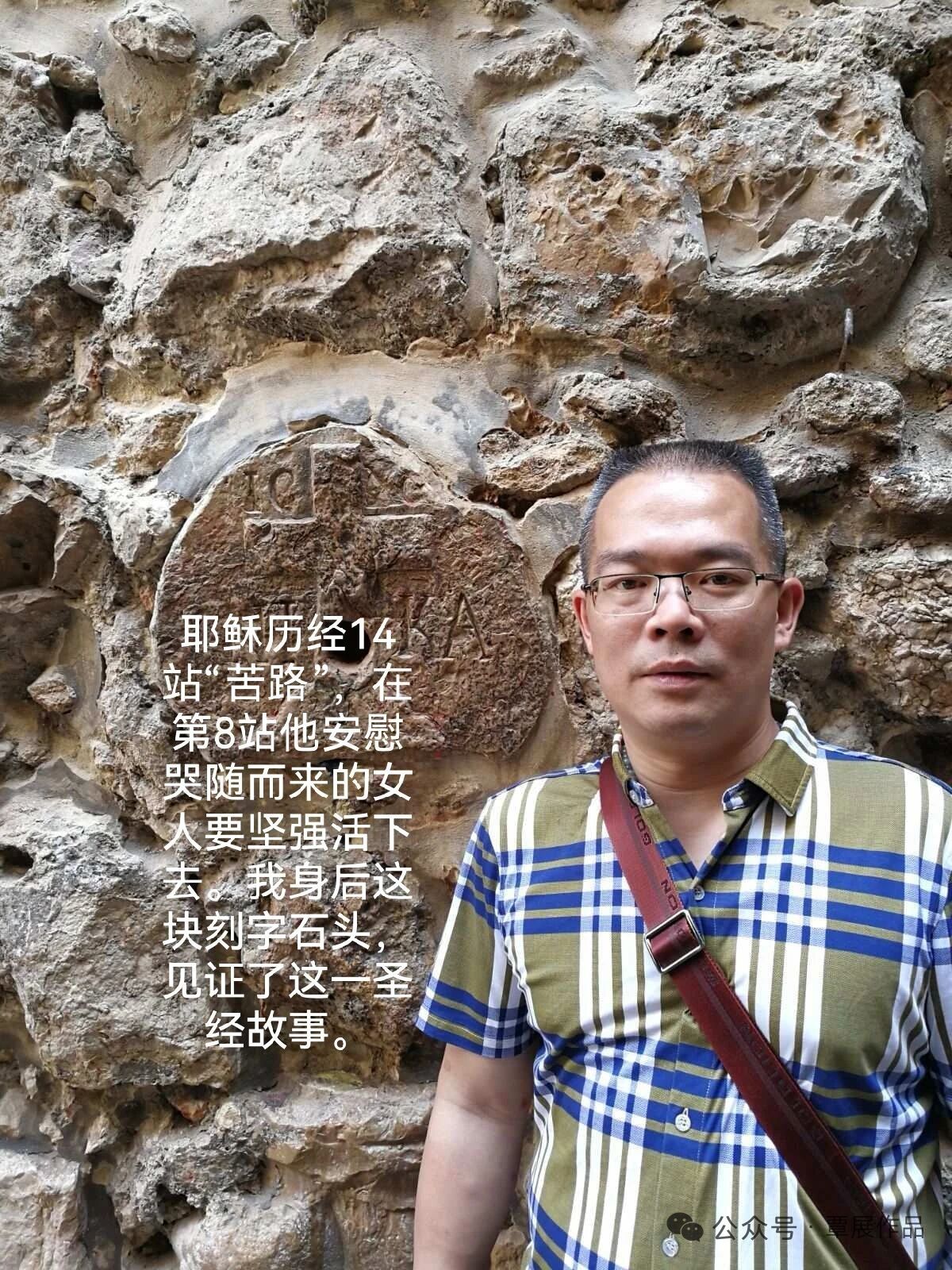
在“苦路”第八站前,他驻足良久。
石壁无言,却承载千年叙事。
这里不是景点,而是记忆。
他触摸石头的那一刻,像触碰一种跨越文明的疼痛。
信仰,在这里不是理论,而是重量。
三、死海:放下与托举
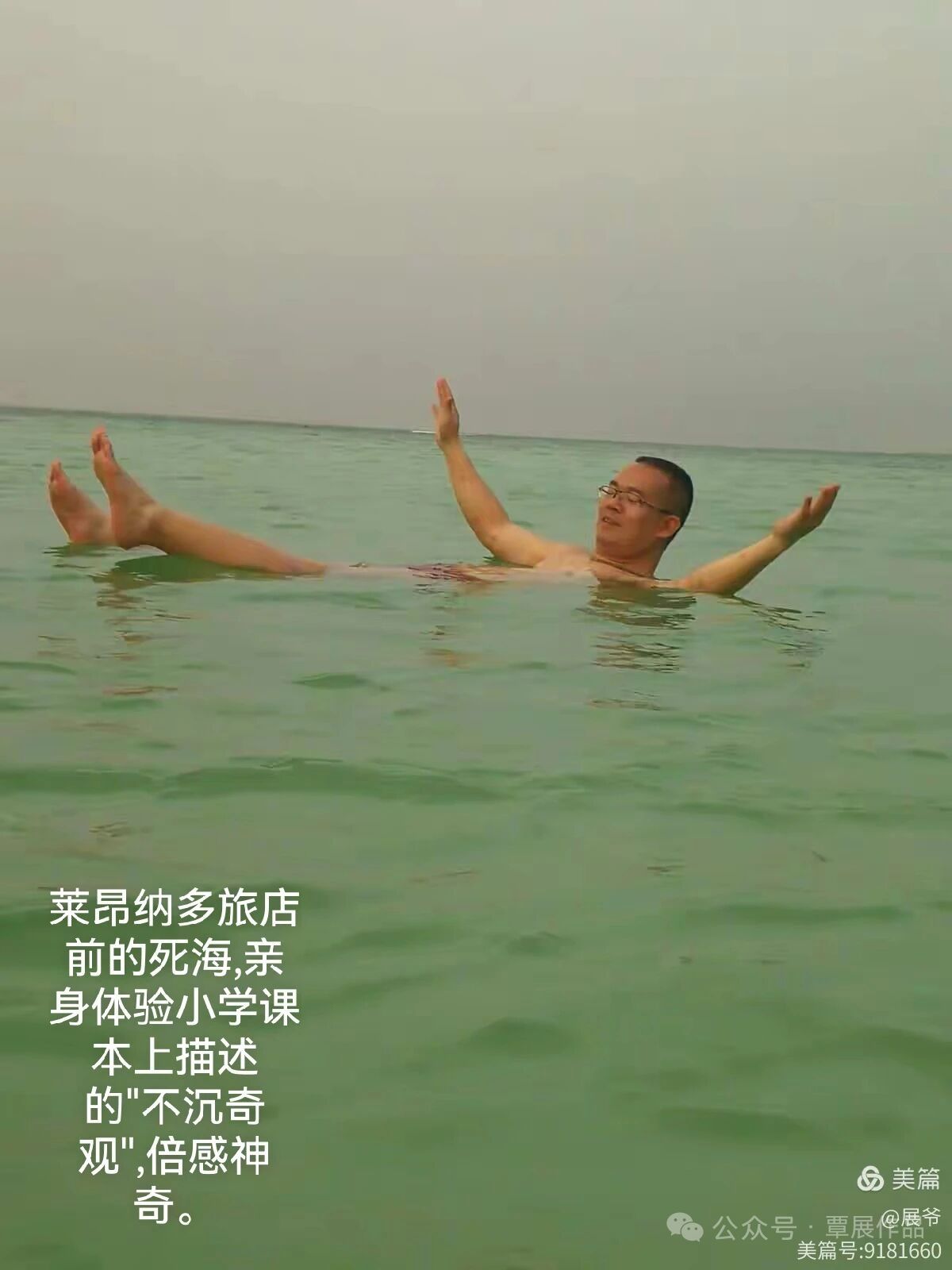
在死海,他缓缓躺下。
身体浮起,世界安静。
那一刻,他忽然明白:
人这一生,有些地方拼命也无法前行,有些地方放下反而被托起。
这片“不会沉没的海”,像极了人生的隐喻。
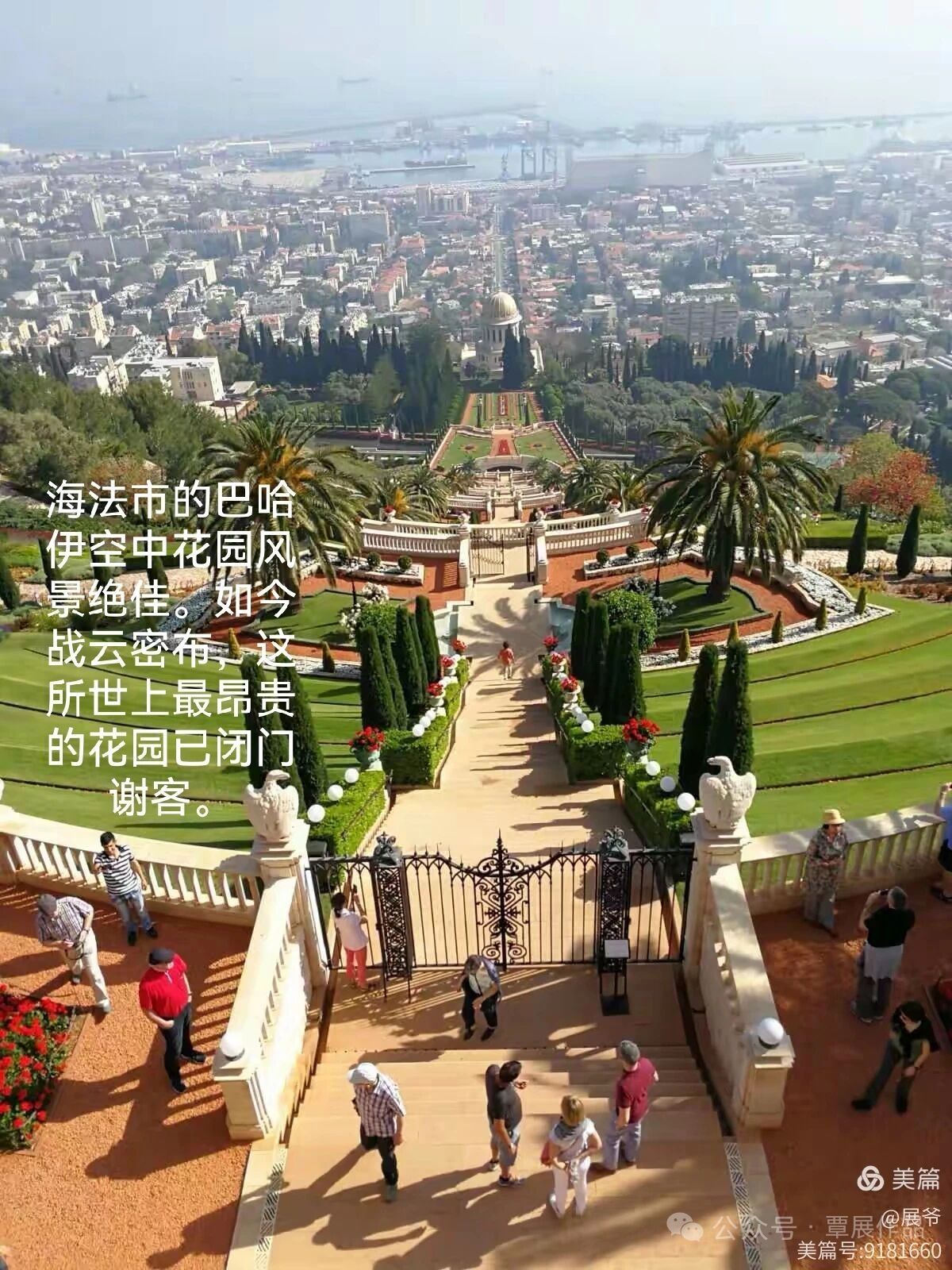
四、花园与战云:同一片天空下的悖论
在海法的巴哈伊花园,他看见极致的秩序与美。
层层花园,如天梯般通向信仰。
而转身,是港口、军队与不安的现实。
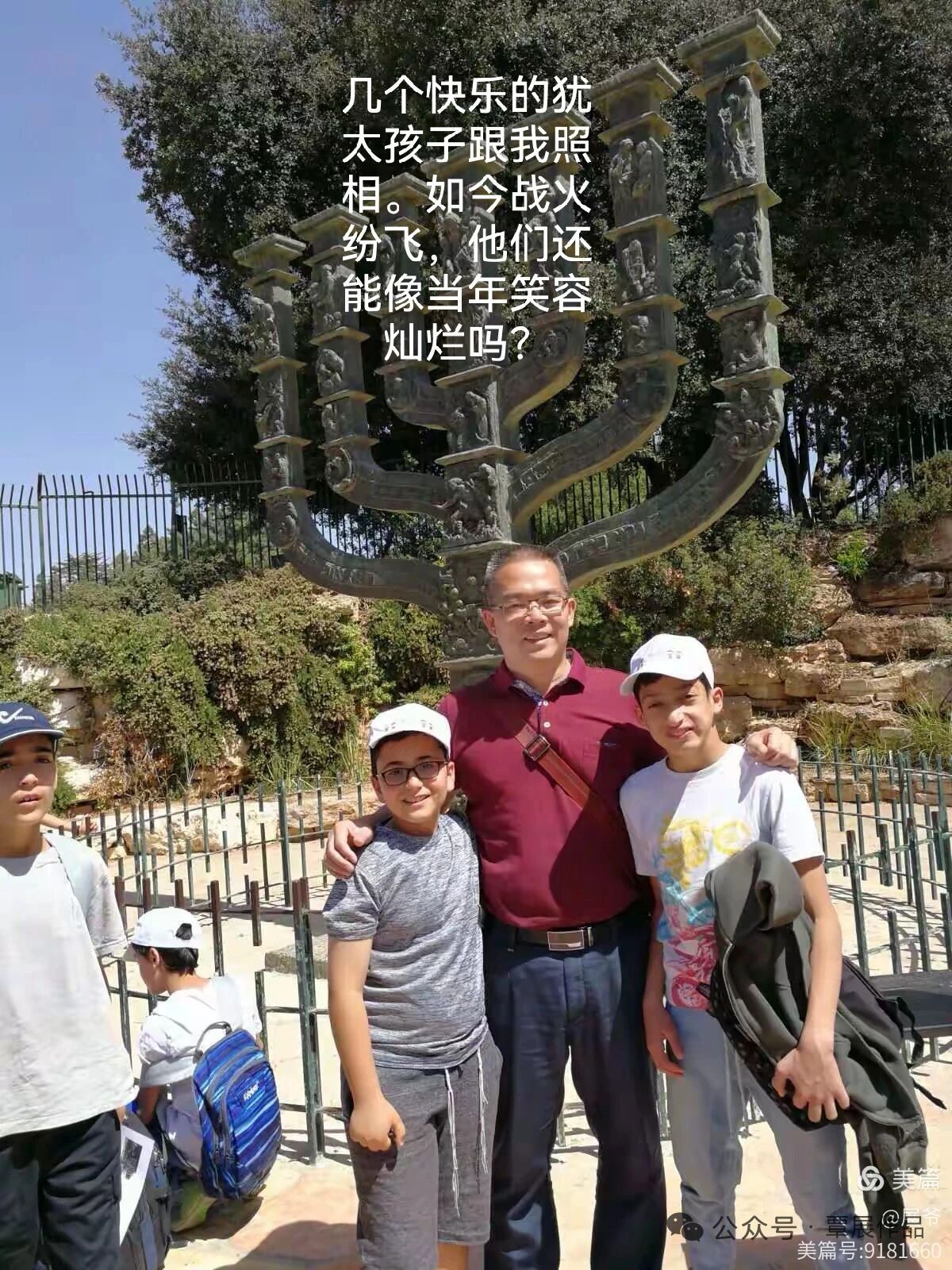
他在照片中与孩子们微笑。
多年后再看这张照片,他问:
“这些孩子,还能笑吗?”
世界最残酷的地方,从来不是战争本身,而是战争发生在孩子的童年。
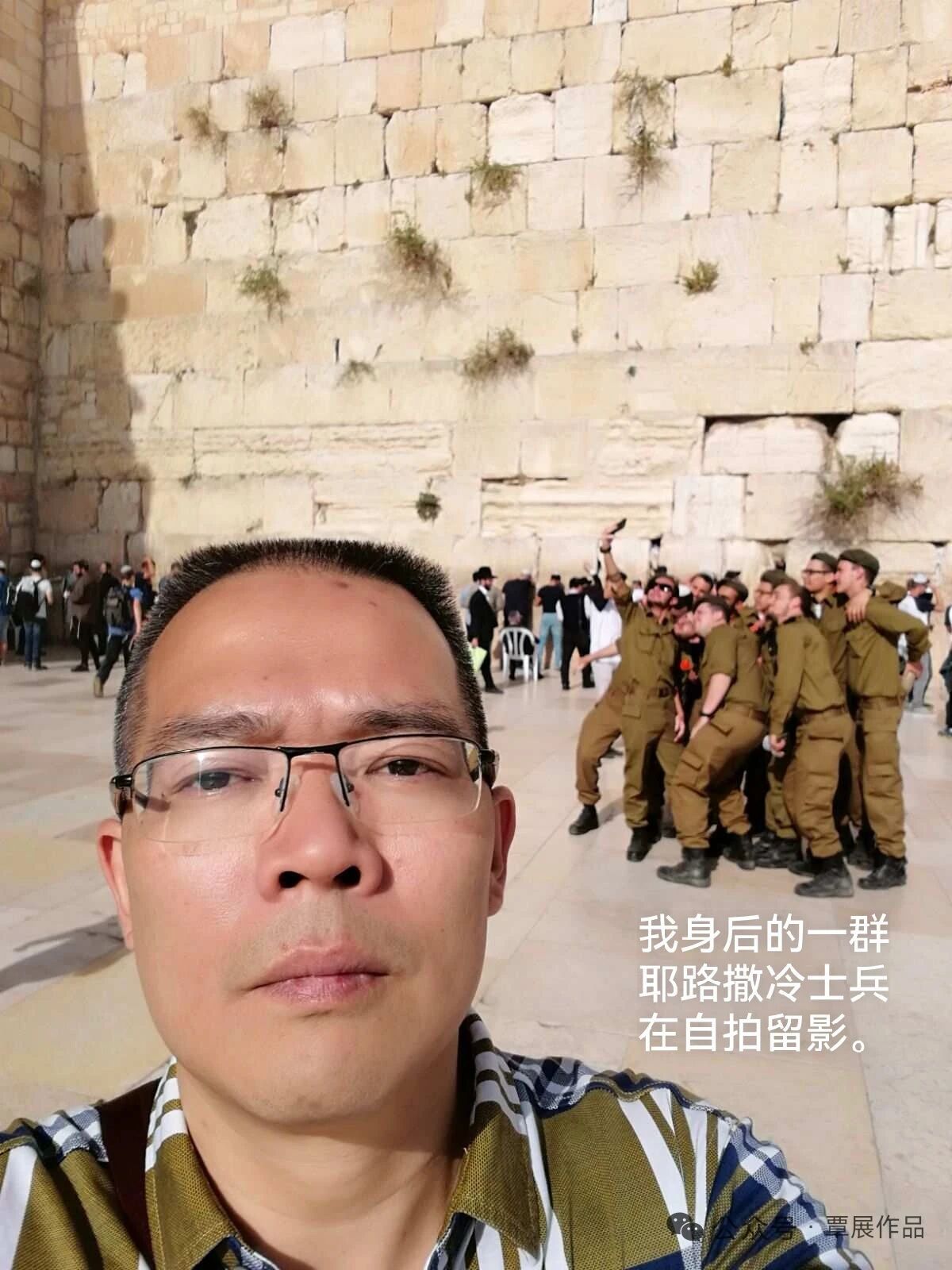
五、哭墙与士兵:历史与当下的交错
在耶路撒冷西墙前,他看到两幅画面:
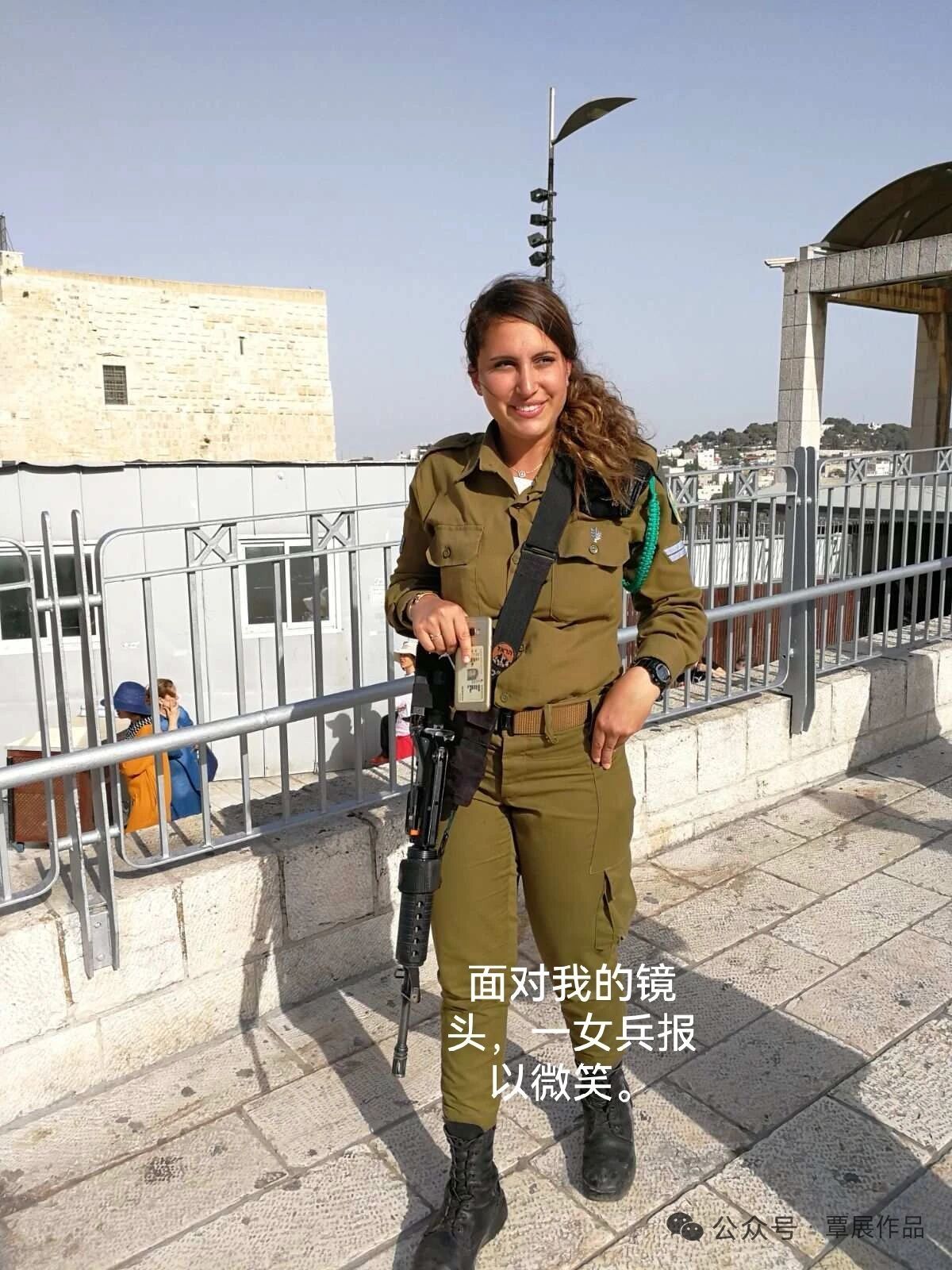
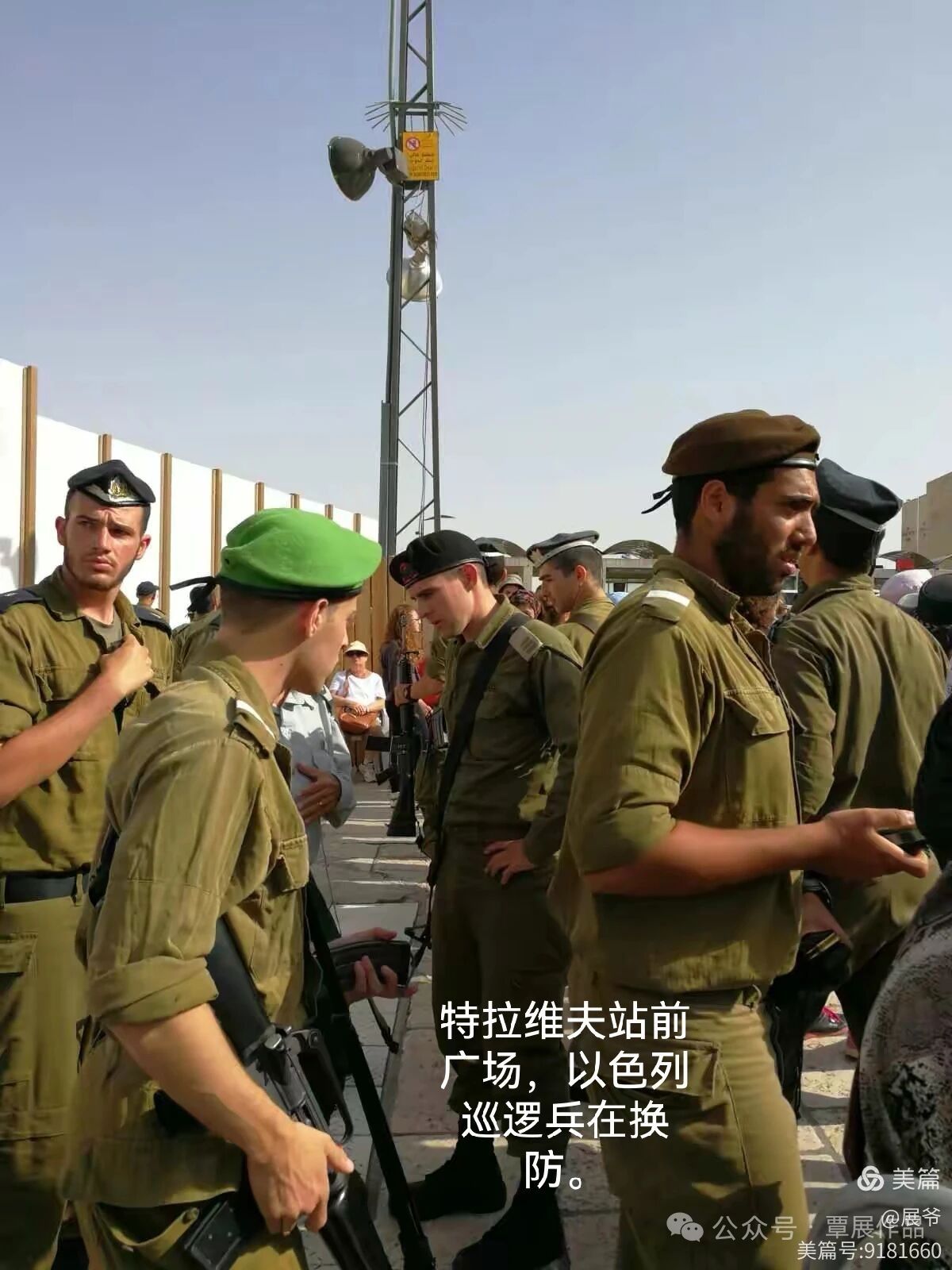
一边,是千年祈祷;一边,是年轻士兵举枪自拍。
历史与现实,在同一秒交叠。
他没有祈祷。
只是看着石缝,像在思考一个问题:
人类,究竟在向谁祈求安全?
六、何凤山:东方的光,照进黑暗
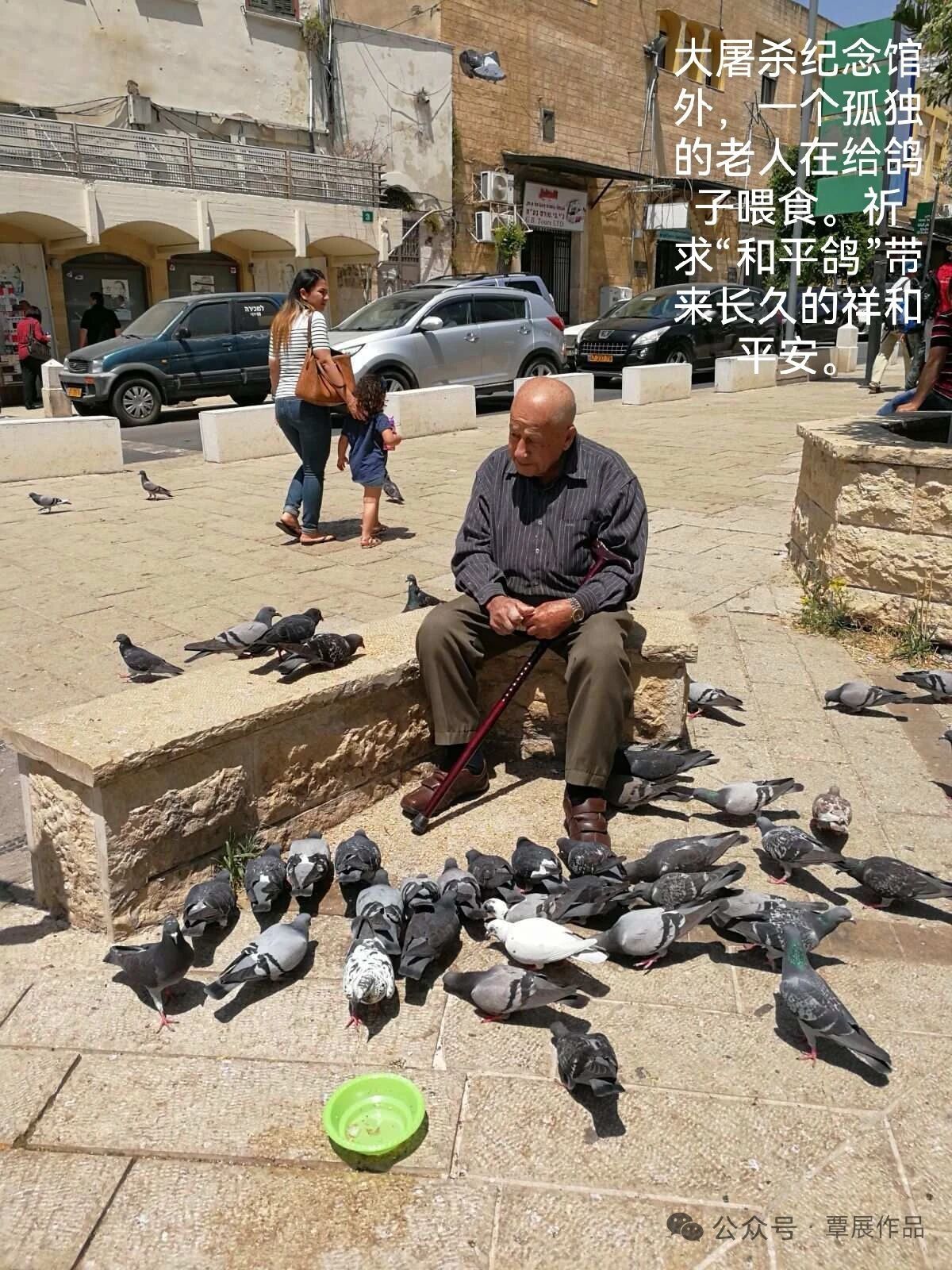
在大屠杀纪念馆,他停下脚步。
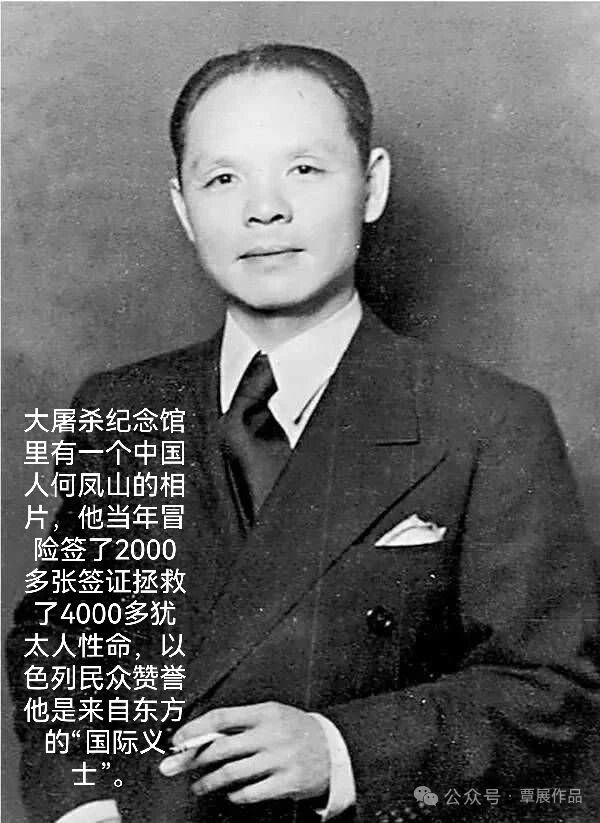
那里,有一个中国人的名字——何凤山。
他签发签证,救下数千犹太人。
没有宏大的宣言,只有行动。
他轻声说:
“这才是真正的国际主义。”
那一刻,他不是游客,而是文明的继承者。
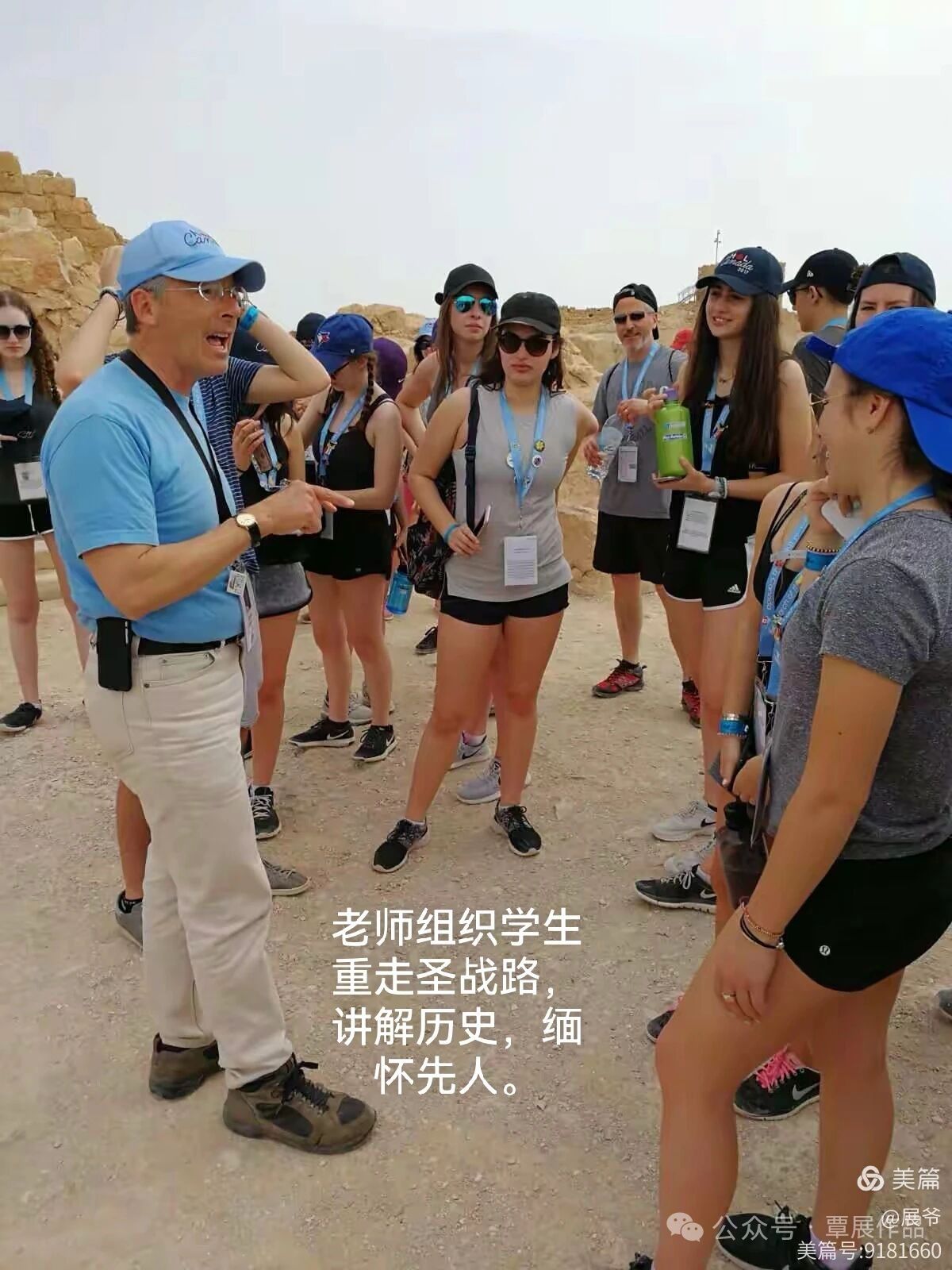
七、马萨达:一个民族的极限意志
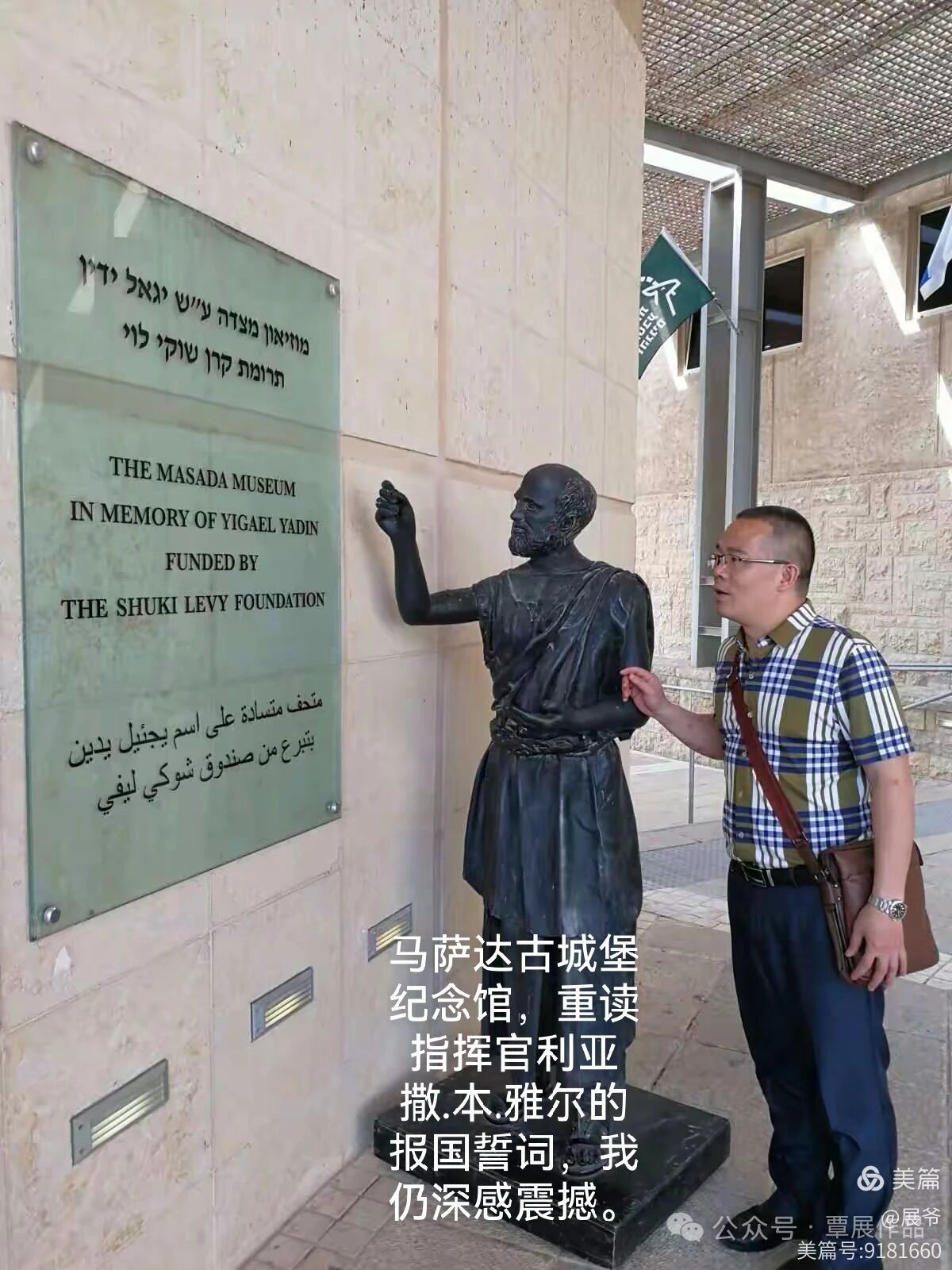
在马萨达古城,他读到那句誓言:
“马萨达,不会再陷落。”
这是一个民族面对绝境的回答。
他沉默良久。
来自壮乡的他,理解这种“宁折不屈”。
那是不同文明之间最深的共鸣。
【壮王的世界观】
他不是王。
却有王的格局。
从广西山水,到中东圣地;从民族记忆,到人类命运。
他带回来的,不只是照片,而是一种判断:
世界从来不是黑白分明的,文明也不是单线发展的。真正的力量,是理解复杂之后,依然选择温和。
【English Version·Nordic Perspective Feature】
A Zhuang“King”in the Land of Canaan
—Reflections of an Eastern Traveler in Israel
From a Nordic perspective,the world often appears divided between order and chaos,rationality and faith.Yet in Israel—the ancient land of Canaan—these forces collide within a single landscape.
1.From Southern China to the Cradle of Civilization
He came from Luocheng,Guangxi—a land of mountains,rivers,and Zhuang traditions.
But in Jerusalem,identity dissolves.
He was no longer just a Chinese traveler,but a witness standing at the crossroads of human history.
2.Stones Heavier Than Words
At the Eighth Station of the Via Dolorosa,he paused.
The stones spoke without language.
Faith here is not abstract—it is physical,historical,and deeply human.
3.The Dead Sea:The Philosophy of Letting Go
Floating effortlessly,he realized:
In some places,struggle leads nowhere.In others,letting go allows you to rise.
The Dead Sea is not just a natural wonder,but a metaphor for life.
4.Beauty and Conflict Under One Sky
At the Bahá’íGardens in Haifa,he saw perfection.
But beyond it—ports,soldiers,tension.
A photo of smiling children stayed with him.
Years later,one question remained:
“Can they still smile today?”
5.The Western Wall:Prayer and Power
At the Western Wall,two worlds met:
Ancient prayers—and modern soldiers with rifles.
He did not pray.
Instead,he wondered:
Who are we really asking for peace?
6.Ho Feng-Shan:A Light from the East
At the Holocaust memorial,he found a familiar name.
Ho Feng-Shan—a Chinese diplomat who saved thousands.
Quiet courage,without spectacle.
A reminder that humanity transcends borders.
7.Masada:The Spirit of Resistance
At Masada,he read:
“Masada shall not fall again.”
A declaration of survival.
As a man from the mountains of Guangxi,he understood this deeply.
Final Reflection
He is not a king.
Yet he carries the vision of one.
From ethnic memory to global awareness,his journey reveals a simple truth:
The world is complex.True strength lies in understanding it—and still choosing compassion.
