Through Scandinavian Glasses:Discovering the Real Xuzhou
By Special Correspondent of Nordic Chinese Times, Zhao Juan from Xuzhou,Jiangsu,China
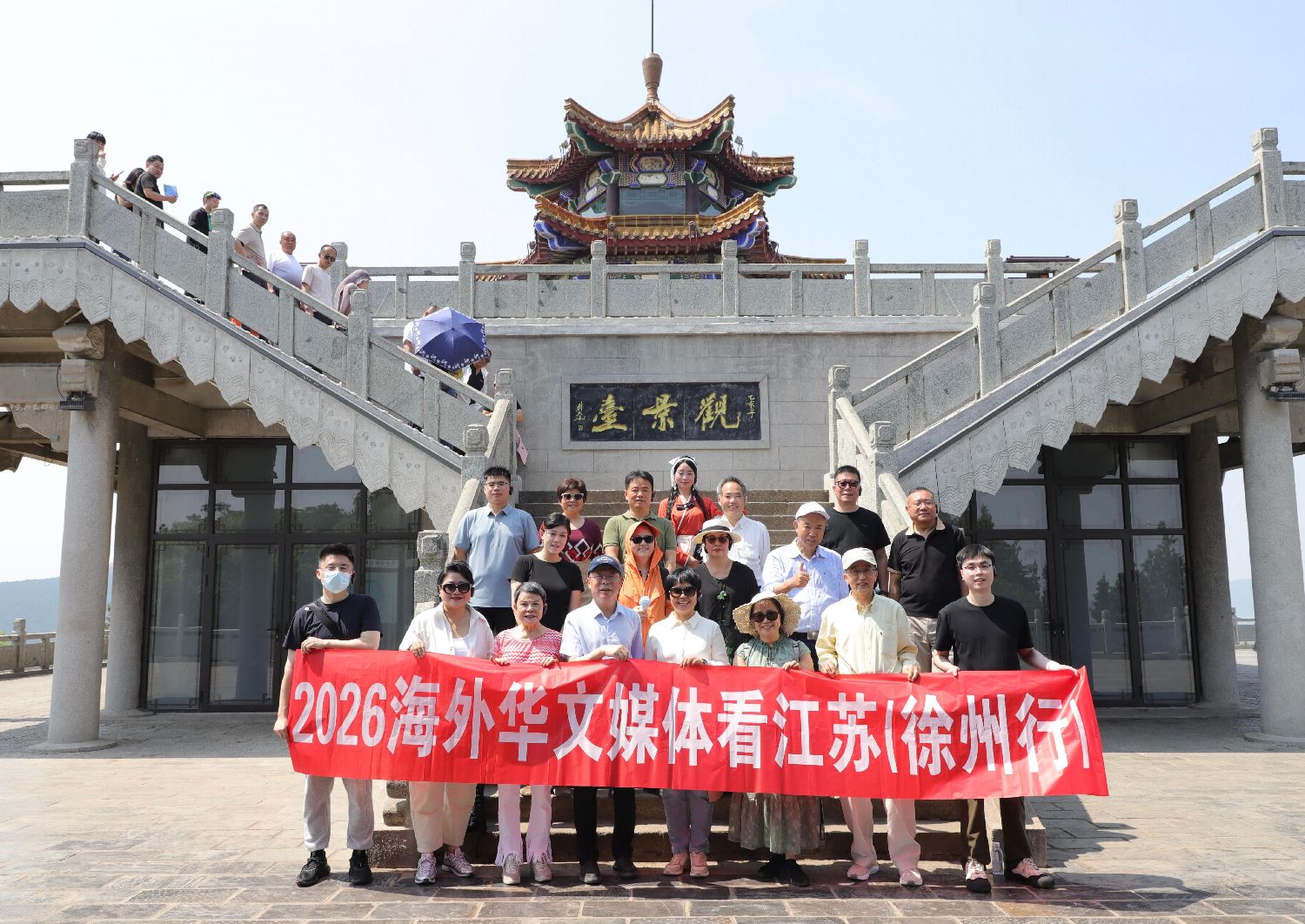
On May12–13,2026,early summer sunlight bathed the ancient city of Pengcheng,now known as Xuzhou.Together with20overseas Chinese-language media representatives from15countries,I joined the“Jiangsu Tour for Overseas Chinese Media”delegation for a two-day visit to this important city in northwestern Jiangsu.
Before arriving,my impression of Xuzhou still carried the shadow of an old industrial city—a place associated with coal,heavy machinery,and the fading memories of China’s traditional resource economy.
What I encountered instead was something far more complex.
Over two days,we climbed Yunlong Mountain,cruised across Yunlong Lake at night,explored Han Dynasty relics,wandered through the quiet courtyards of old residences,traced the origins of Han culture in Pei County,and stepped inside the vast manufacturing world of XCMG,one of China’s industrial giants.
What struck me most was not spectacle,but restraint.
There were no carefully staged visits to foreign-invested companies,no glossy presentations,and little effort to dramatize commercial prosperity.Instead,Xuzhou revealed itself quietly—through confidence,patience,and an almost inward-looking calm rarely associated with rapidly developing Chinese cities.
Here,I saw a real and multi-dimensional example of a Chinese metropolis undergoing profound transformation.
Beneath Yunlong Mountain:A City’s Quiet Resilience
Our first stop on May12was Yunlong Mountain.
Walking slowly along the winding stone paths beneath thick greenery,we eventually reached a panoramic viewpoint overlooking the city.Xuzhou,with a permanent population of more than nine million people,stretched across the landscape beneath us.
What immediately stood out was the relationship between the city and nature.The mountains did not feel separated from urban expansion;instead,the city appeared to have grown around them with a certain degree of restraint and respect.
This sense of balance seems deeply embedded in Xuzhou’s historical character.
Later that afternoon,we visited Xima Terrace,where the legendary Xiang Yu—the Hegemon-King of Western Chu—was once said to have trained horses and reviewed troops.Standing among the ruins,I found myself thinking about the spiritual resilience of cities shaped by repeated cycles of destruction and rebuilding.
In some ways,the comparison with Northern Europe felt unavoidable.Nordic societies,after periods of economic hardship or social upheaval,often respond not with loud reinvention,but with quiet reconstruction.Xuzhou’s transition away from a resource-dependent industrial economy carries a similar sense of understated determination.
The Weight of Civilization:Han Culture Beyond Time
A city cannot sustain vitality without cultural depth.
At the Xuzhou Museum,we encountered artifacts that seemed to collapse the distance between past and present:jade burial suits sewn with gold thread,imposing Han Dynasty terracotta warriors,and relics carrying more than two thousand years of history.
Even for someone accustomed to the historical narratives of Viking heritage and Scandinavian museums,the experience was striking.
What stood out was not only the technical sophistication of the artifacts,but also the confidence embedded within Han civilization itself—a civilization that projected both discipline and vitality.
Later,we walked through the historic quarter of Huilongwo and entered the carefully preserved Cui Family Mansion.Unlike many over-commercialized tourist districts elsewhere,these spaces retained a sense of stillness.There was little artificial spectacle.The architecture,stone pathways,and aging wooden structures spoke quietly for themselves.
That restraint left a deep impression.
For overseas Chinese visitors like ourselves,such places also carry emotional weight.They serve as reminders that cultural identity is not merely preserved in museums or textbooks,but continues to exist in physical spaces,local memory,and everyday life.
Pei County:Listening to the Echo of Han Origins
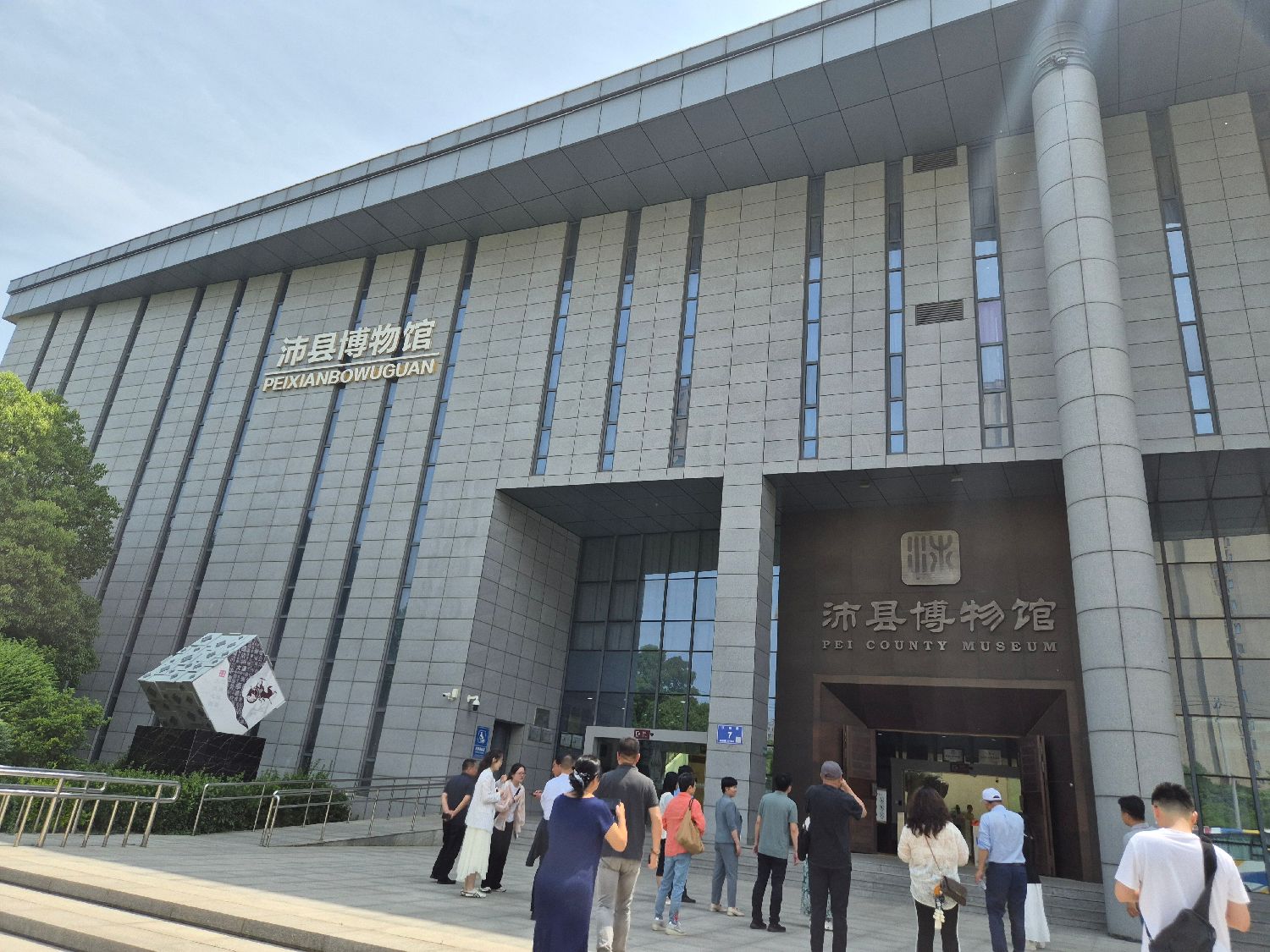
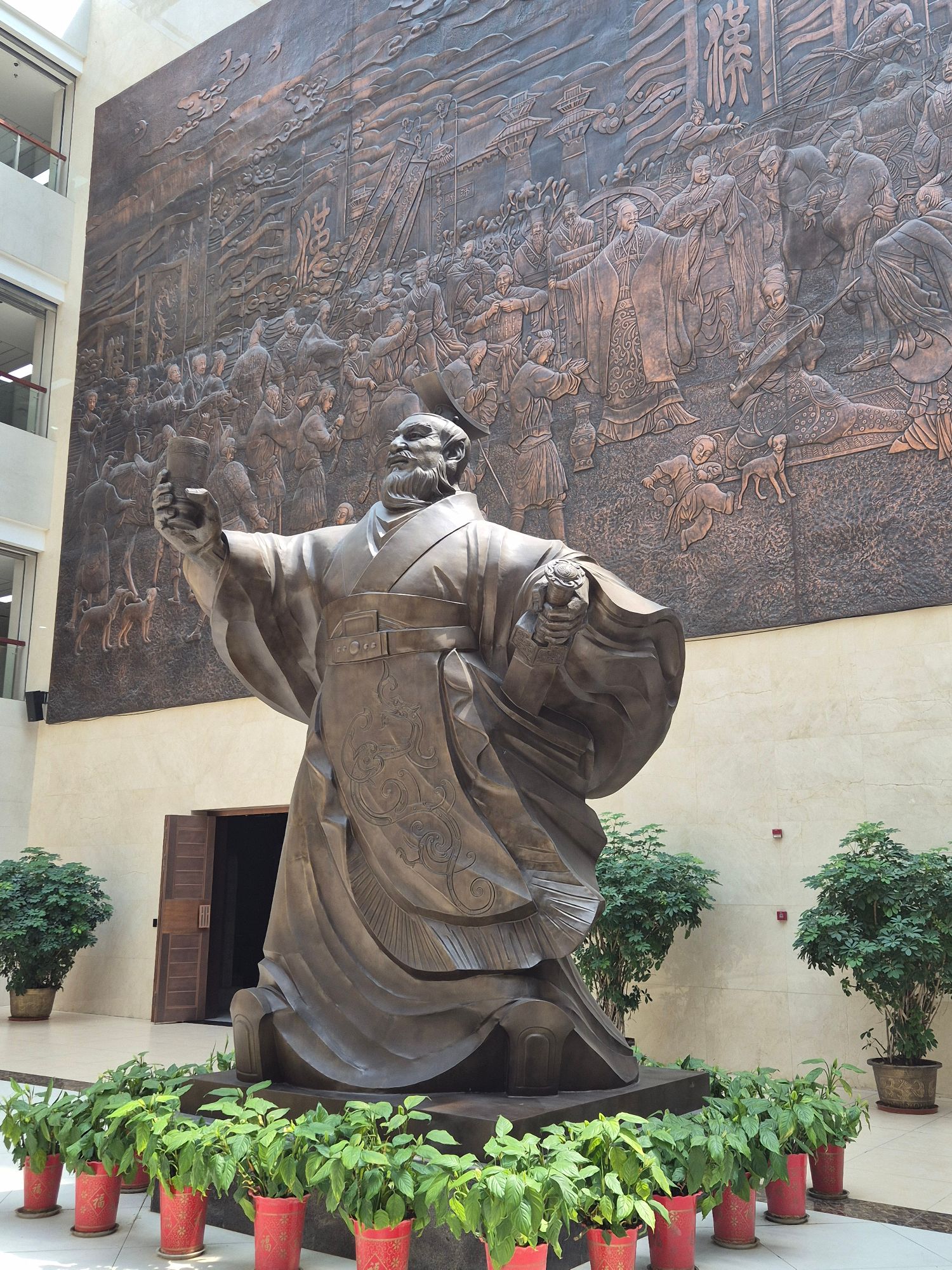
On the morning of May13,the delegation traveled to Pei County—the hometown of Liu Bang,the founding emperor of the Han Dynasty.
If Xuzhou city reflects the mature confidence of Han culture,Pei County reveals something more primal:the birthplace of political imagination itself.
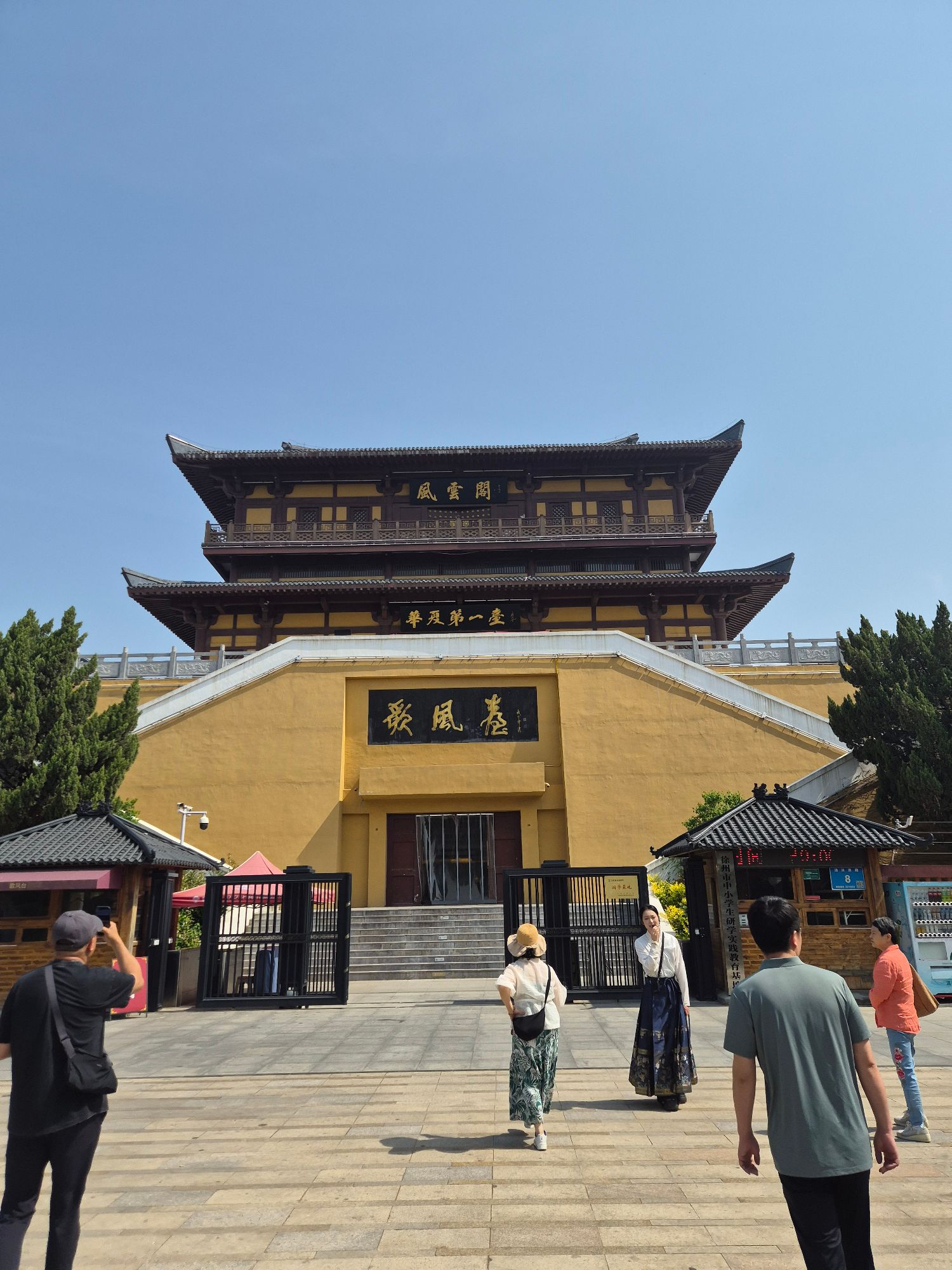
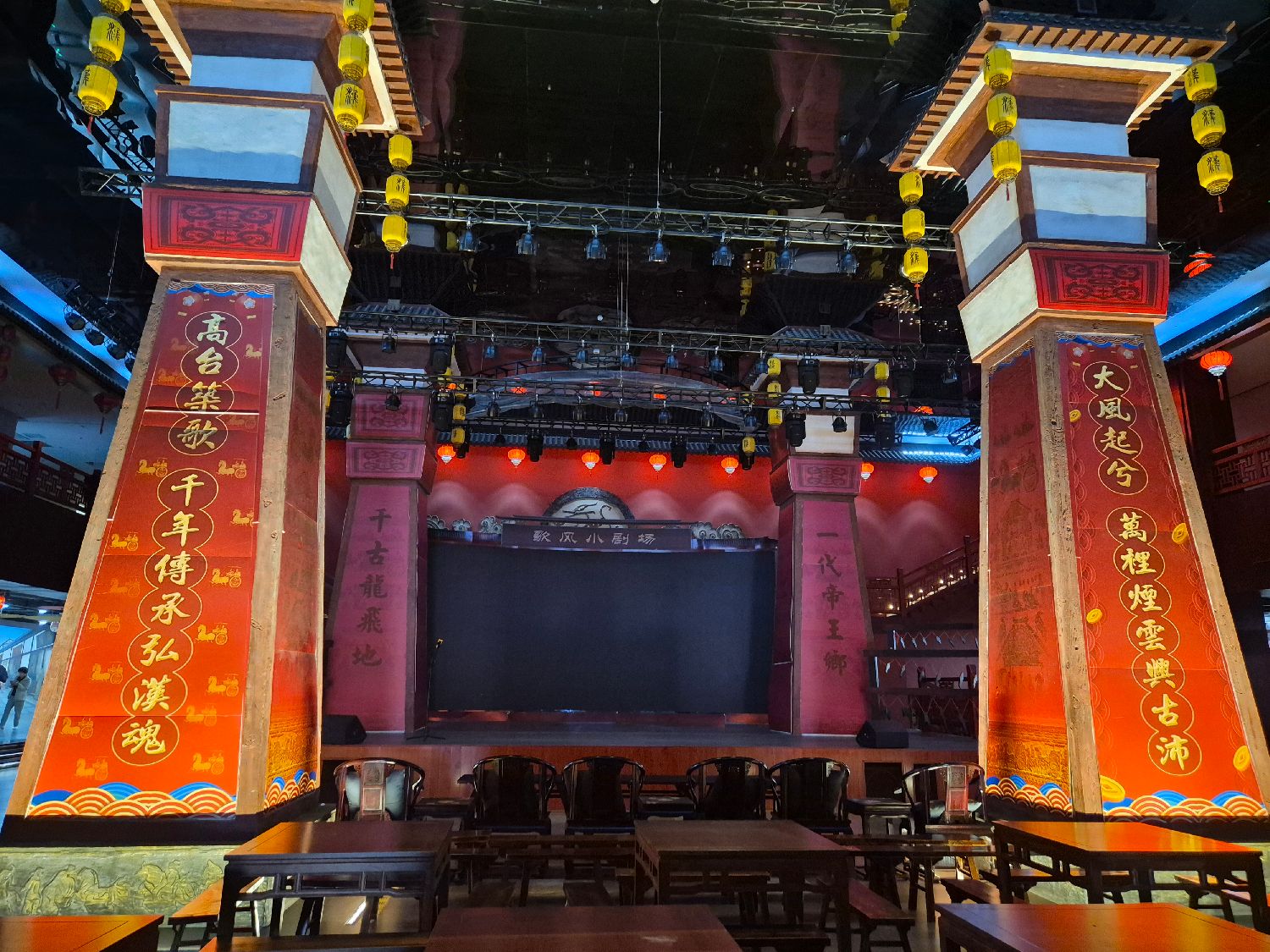
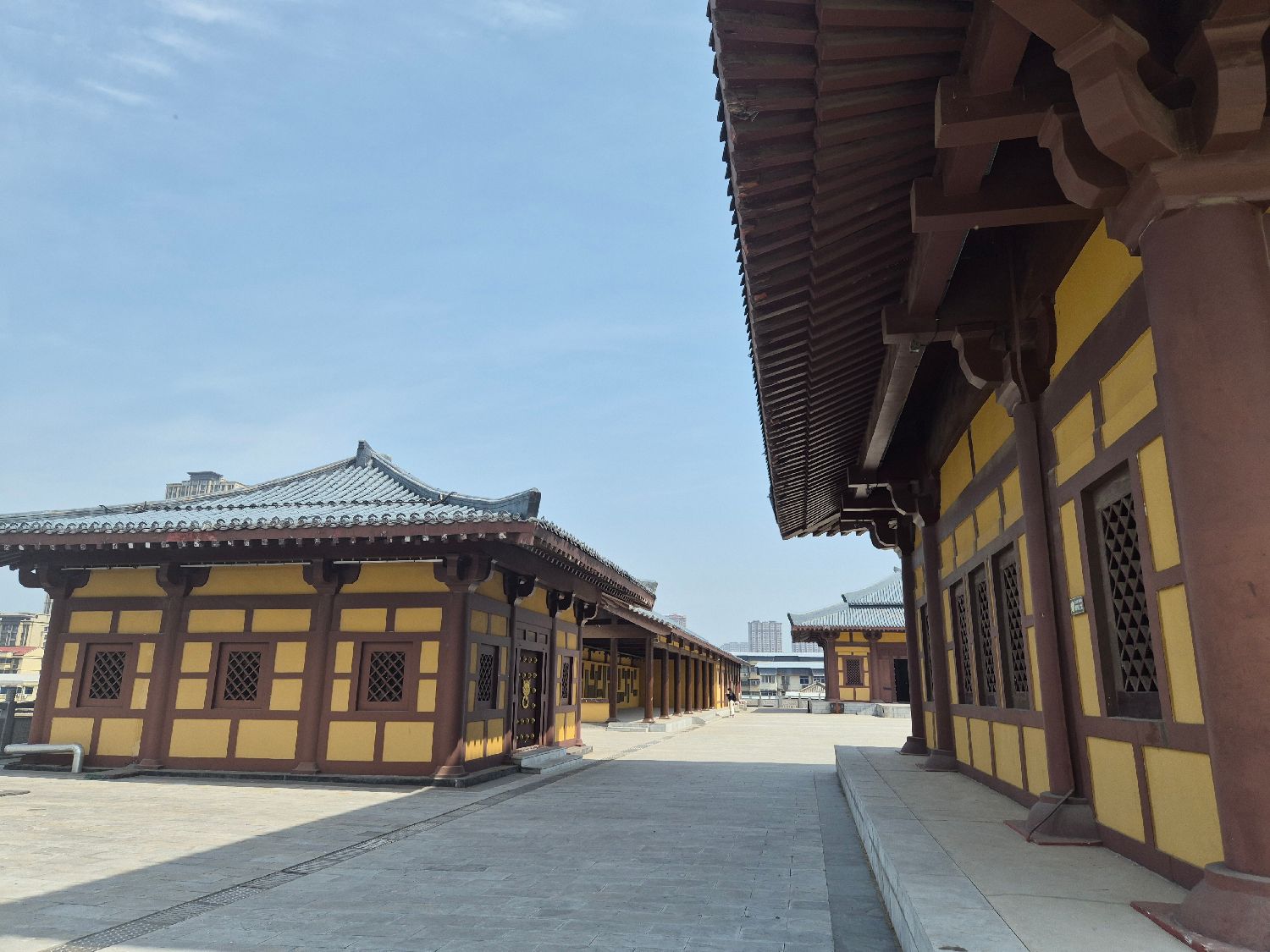
At Han City Scenic Area and Gefeng Terrace,history no longer felt abstract.The atmosphere carried traces of the turbulent era that shaped the idea of a unified Chinese civilization more than two millennia ago.
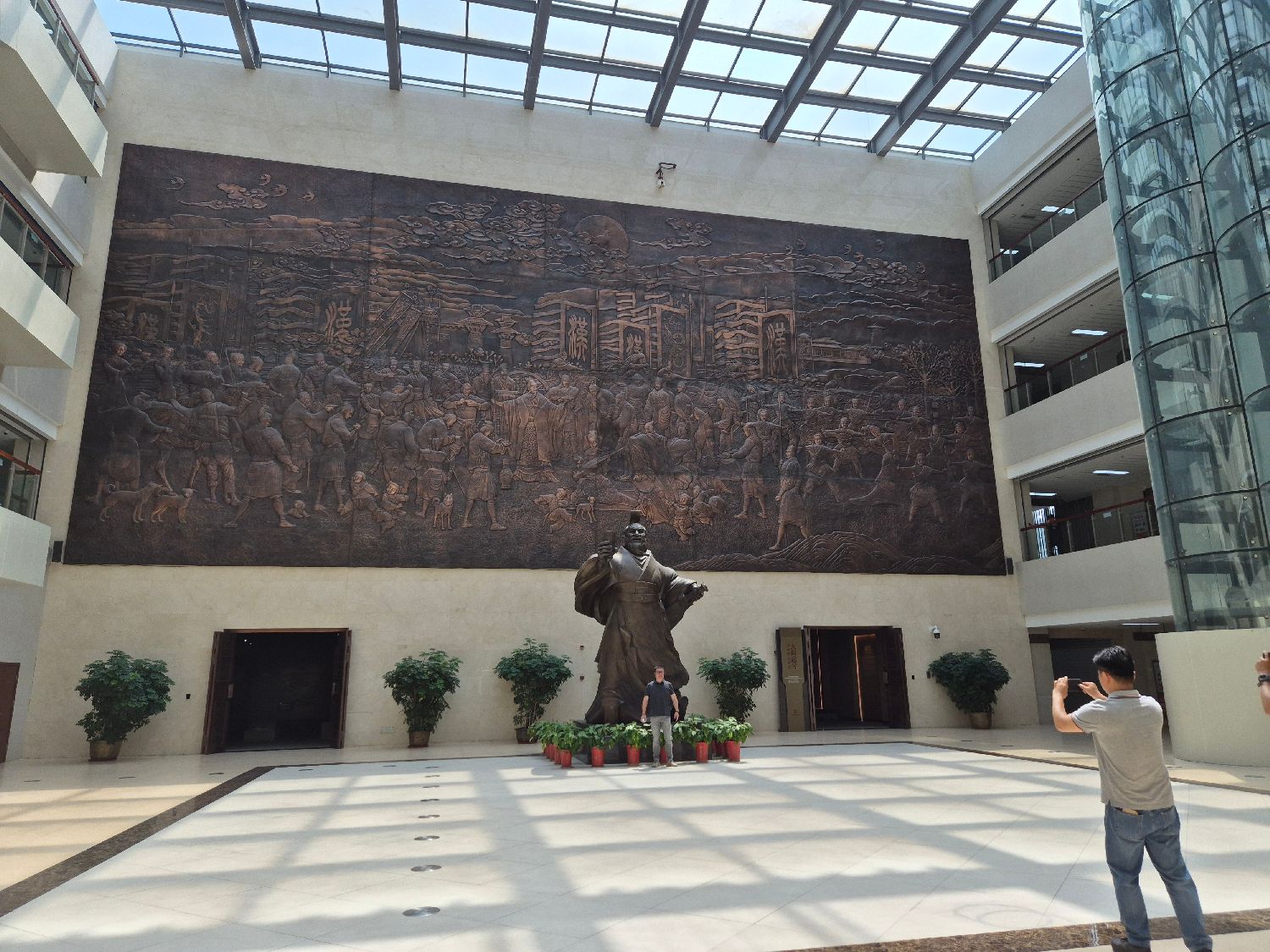
Compared with the polished presentation of museums,Pei County offered a more rugged and direct cultural experience.The landscapes,architecture,and historical atmosphere conveyed a distinctly northern Chinese temperament—broad,grounded,and deeply connected to the Central Plains tradition.
Protecting such historical origins is not simply about tourism.It reflects a civilization’s understanding of continuity and memory.
XCMG:China’s Industrial Backbone
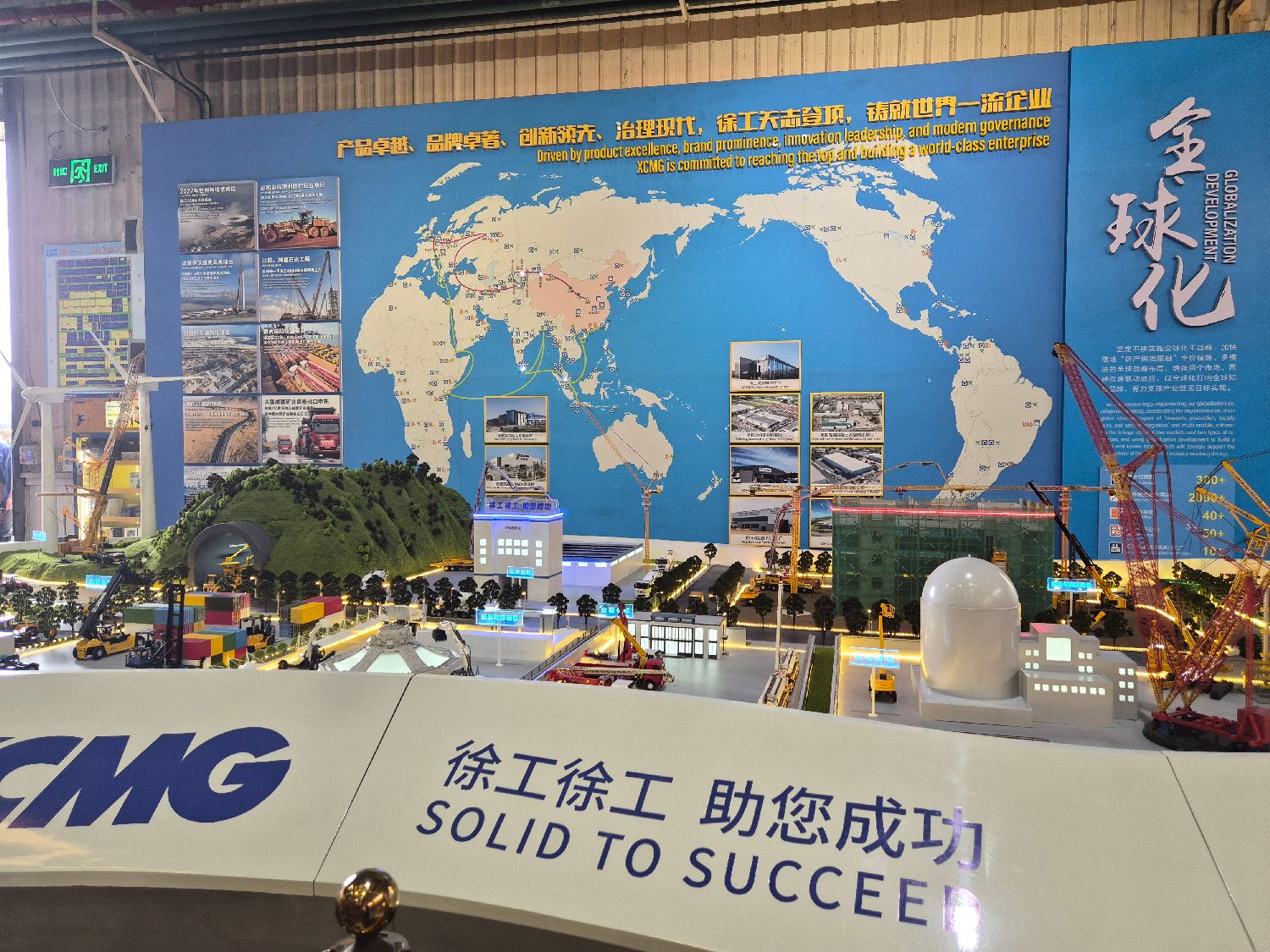
If the previous visits revealed Xuzhou’s cultural softness,our visit to XCMG revealed its industrial backbone.
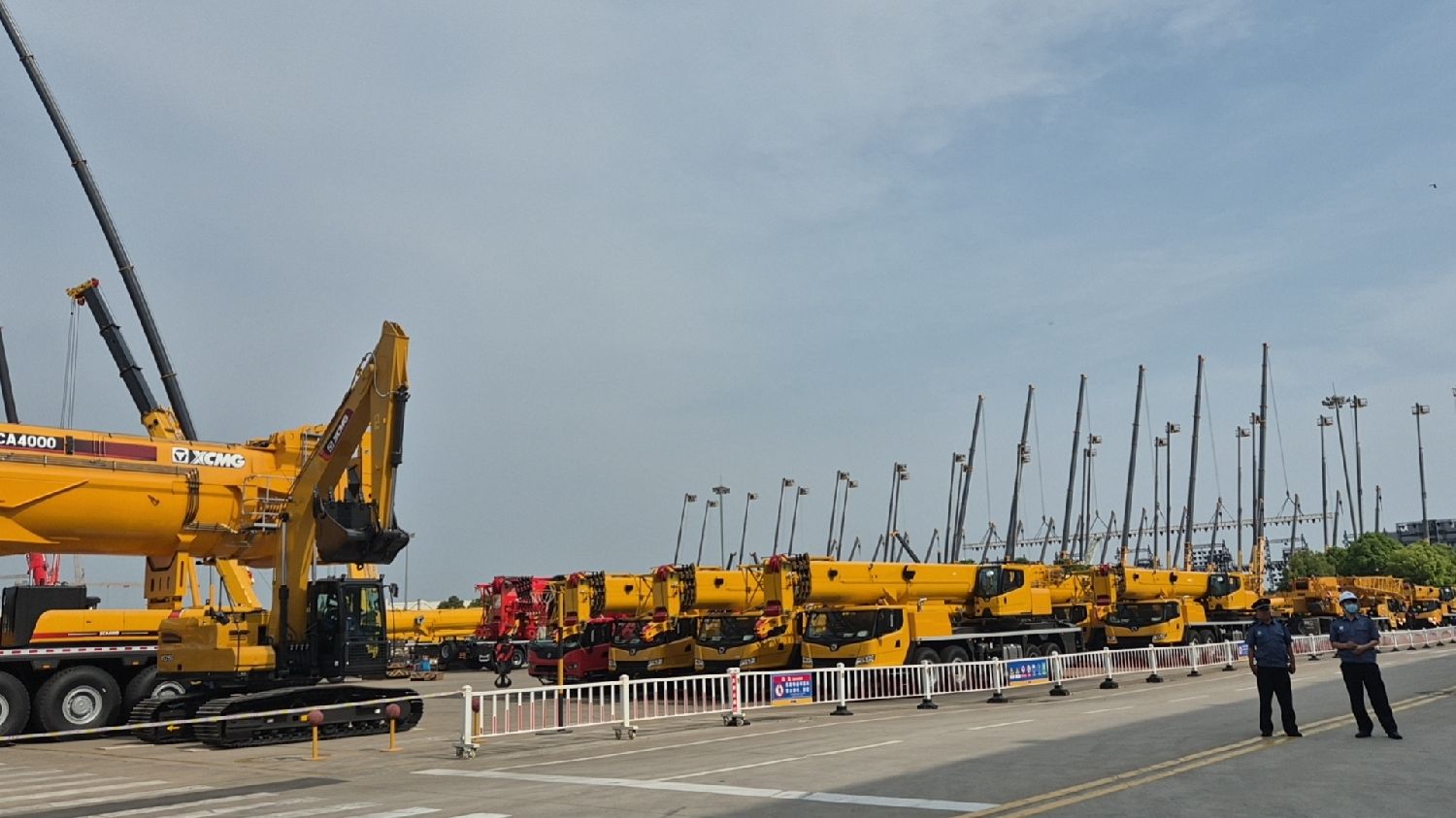
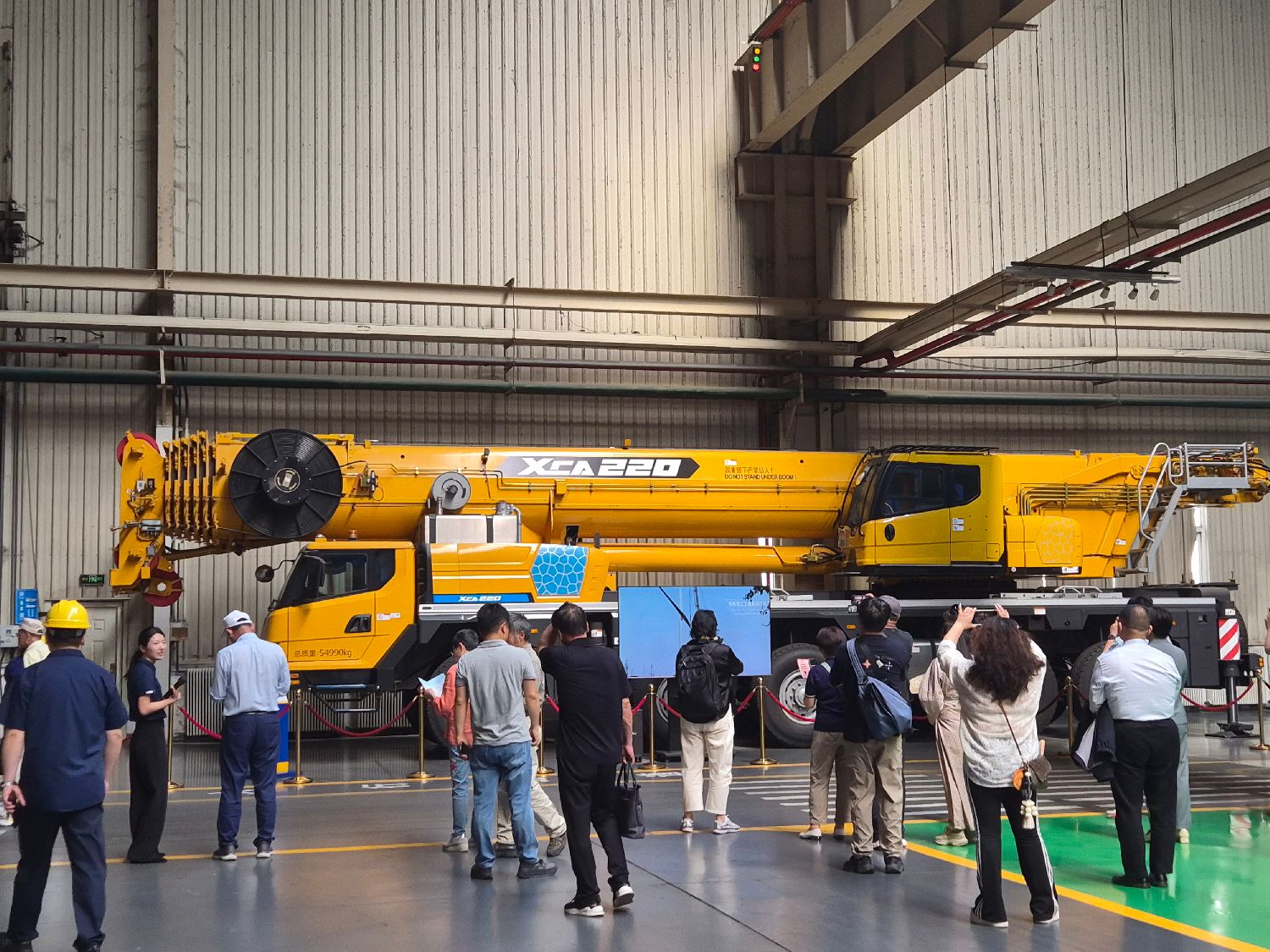
On the afternoon of May13,we entered the vast manufacturing complex of Xuzhou Construction Machinery Group,one of China’s leading heavy-equipment manufacturers.
Inside the assembly workshops,highly automated production lines operated with extraordinary precision.Giant robotic arms moved methodically through enormous spaces filled with steel,machinery,and engineering systems.
As someone who frequently travels between China and Europe,I could not help noticing a familiar quality in the production environment:discipline,process control,and a near-obsessive attention to technical detail.
Ironically,the atmosphere felt closer to a Scandinavian industrial philosophy than many outsiders might expect.
There was little theatricality.No exaggerated slogans.No attempt to impress visitors through spectacle alone.
Instead,the factory projected something more convincing:competence.
In today’s global competition,this quiet manufacturing confidence may be one of the strongest indicators of China’s long-term industrial transformation.
Urban Growth and Its Pressures
As a reporter for Nordic Times,I have long believed that truly understanding a city requires looking not only at its achievements,but also at the pressures hidden beneath rapid development.
Xuzhou is no exception.
The first challenge lies in the finer details of urban management.While the city has achieved impressive results in large-scale planning and ecological restoration,some older neighborhoods still reveal gaps in maintenance standards and public-space quality.The transition from rapid expansion toward finer-quality urban living remains an ongoing process.
The second challenge involves cultural tourism.
Xuzhou possesses remarkable historical resources,yet parts of its tourism economy still risk falling into the homogenized patterns increasingly common across China—repetitive commercial streets,similar snack cultures,and formulaic“internet-famous”consumption experiences.
The question facing Xuzhou is no longer whether it can attract visitors.In2025alone,the city reportedly welcomed more than70million tourists.The deeper question is whether it can transform cultural heritage into richer and more sustainable experiences.
The third challenge concerns public services.
As Xuzhou’s urban population continues to grow,pressure on education,healthcare,and regional equality is becoming increasingly visible.Like many rapidly developing Chinese cities,the next stage of modernization will depend not only on infrastructure,but also on how evenly social resources are distributed.
By Yunlong Lake:The Human Side of the City
Yet acknowledging challenges does not diminish the city’s progress.
That feeling became especially clear during our night cruise on Yunlong Lake.
I had expected the usual large-scale multimedia spectacle common in many modern tourist cities.Instead,what unfolded before us was surprisingly human.
Against the backdrop of the night sky and shimmering water,performers delivered live music,dance,and traditional artistic performances without excessive technological effects.The atmosphere felt warm rather than overwhelming.
Paradoxically,this simplicity made the experience more memorable.
In an era increasingly dominated by digital spectacle and artificial immersion,the decision to rely on live performance and human presence conveyed something deeply authentic about the city itself.
Xuzhou’s character,at least from what I observed,lies not in grandiosity,but in sincerity.
Reporter’s Notebook:A Chinese City That Refuses Cosmetic Filters
After two intensive days in Xuzhou,I kept asking myself how best to describe the city to Nordic readers.
In much of today’s international discourse,inland Chinese cities are often reduced to simplistic labels—manufacturing hubs,industrial zones,or anonymous engines of economic growth.
Xuzhou complicates that narrative.
The city did not attempt to impress us with polished presentations or carefully curated international partnerships.Instead,it presented itself through tangible transformation:ecological recovery,disciplined industrial development,historical continuity,and an unusual willingness to expose both strengths and imperfections.
For overseas Chinese-language media,Xuzhou offers an increasingly valuable perspective on China’s development path:steady rather than impatient,practical rather than performative.
It possesses the depth of a civilization shaped over thousands of years,the resilience to confront painful economic transitions,and the industrial ambition to compete globally—while still retaining a degree of honesty about its own limitations.
In an age of aggressive branding and endless digital“beautification,”that authenticity may ultimately become one of the most compelling qualities Chinese cities can offer the world.
