(本报记者常州报道)初夏的晨光温柔地洒落在江南大地,微风带着特有的湿润与绿意。2026年5月16日上午,参加“海外华文媒体江苏行”活动的代表团一行,缓缓走进了素有“中吴要辅”美誉的中国江苏省常州市。这座兼具深厚历史底蕴与现代活力的城市,如同一幅徐徐展开的江南水墨长卷,以其独特的城市肌理和时代脉搏,迎接远道而来的客人。
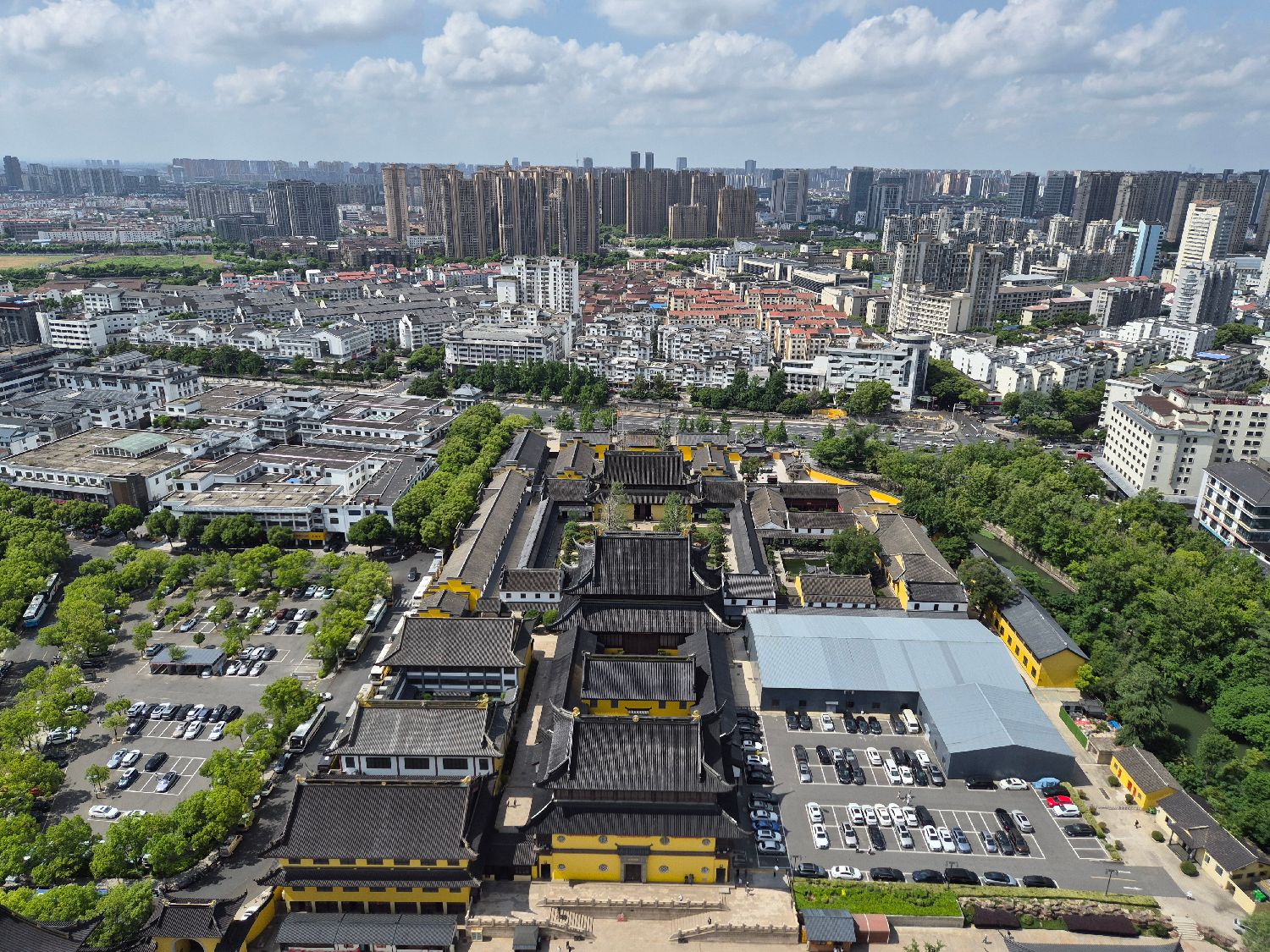
千年龙城,古今交融的城市魅力
作为江南名城,常州自古文风鼎盛、人才辈出,享有“天下名士有部落,东南无与常匹俦”的美誉。在常州的城市展示空间,一幅幅生动的画面向海外媒体全方位展示了这座城市的独特气质:它不仅是长江三角洲中心区城市,更是近代中国民族工商业的重要发祥地。从古典园林的精致典雅,到“新能源之都”的硬核实力,常州展现出的包容并蓄与创新发展姿态,令代表团成员们频频驻足。这种将传统江南韵味与前沿智能制造完美融合的城市哲学,正是中国式现代化在地方实践中最生动的缩影。
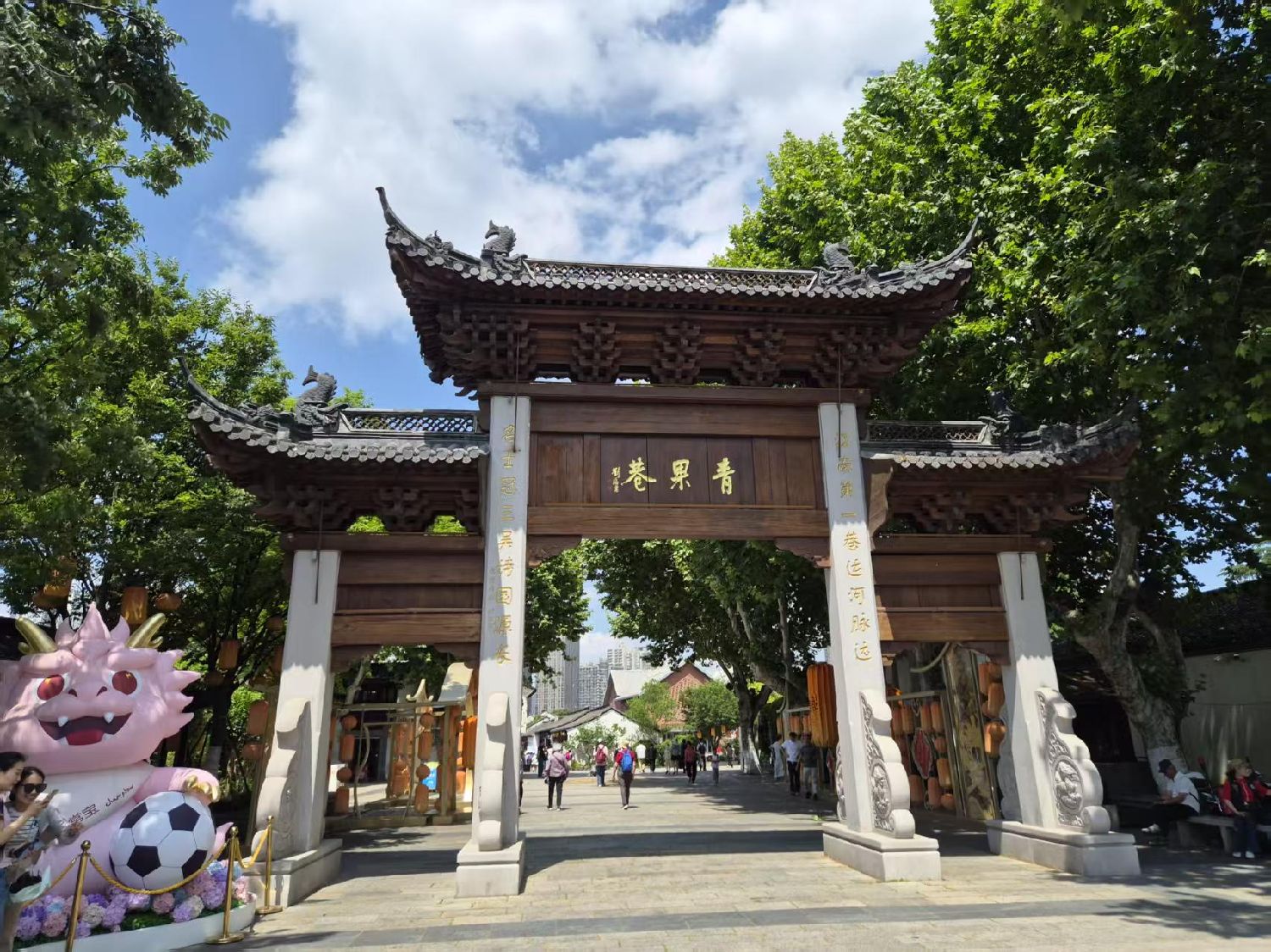
漫步青果巷:一步一景,半部常州史
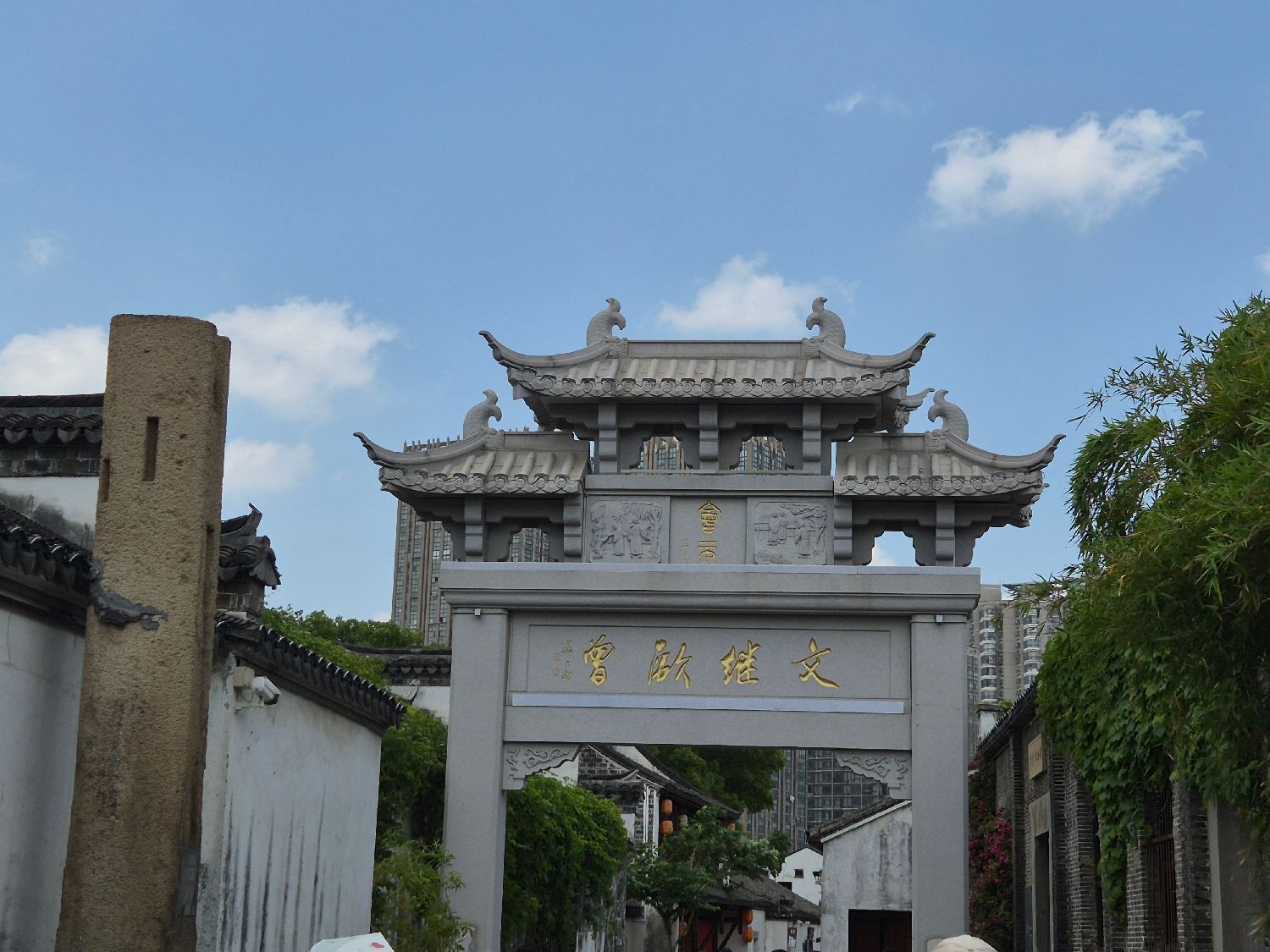
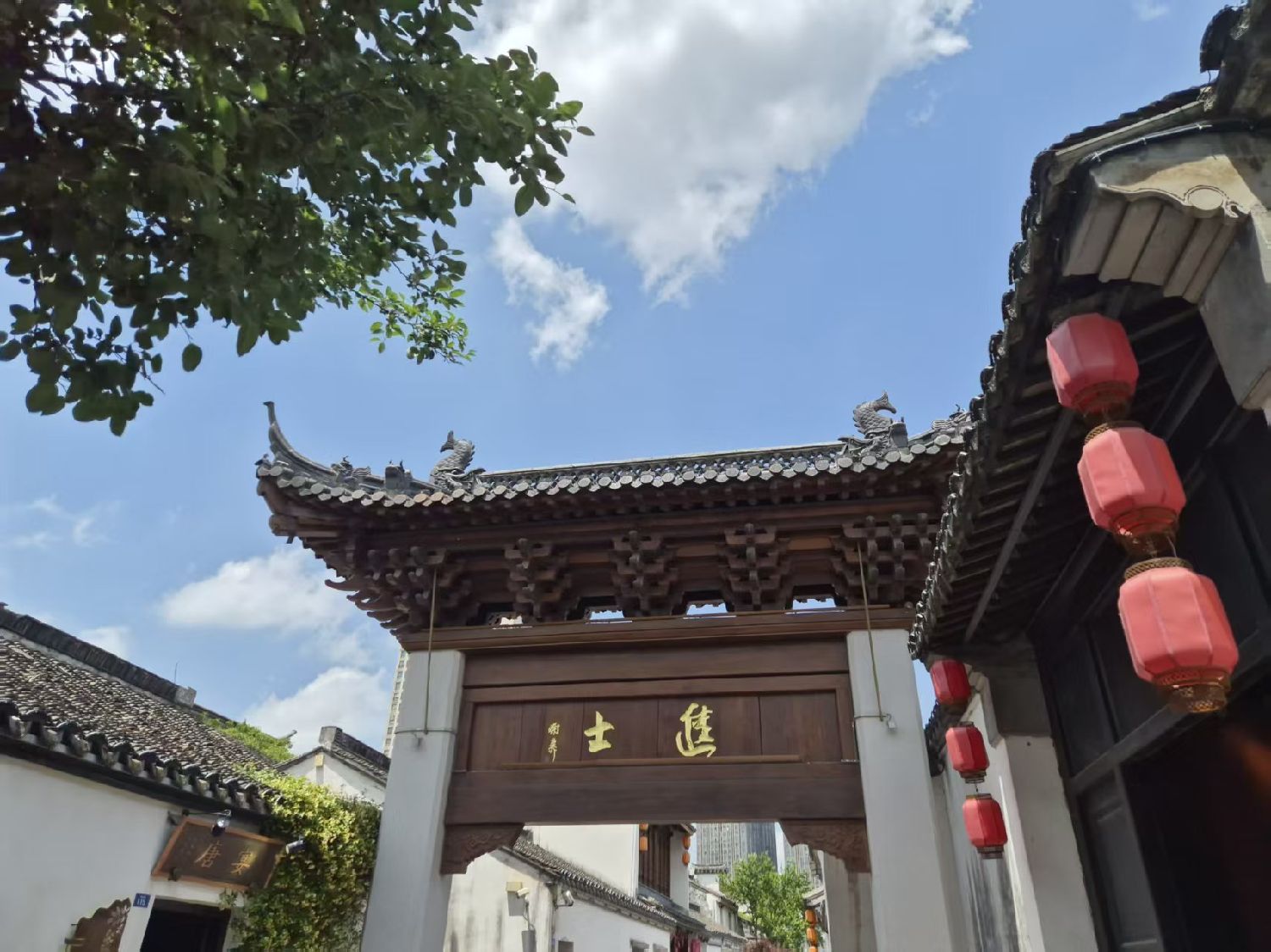
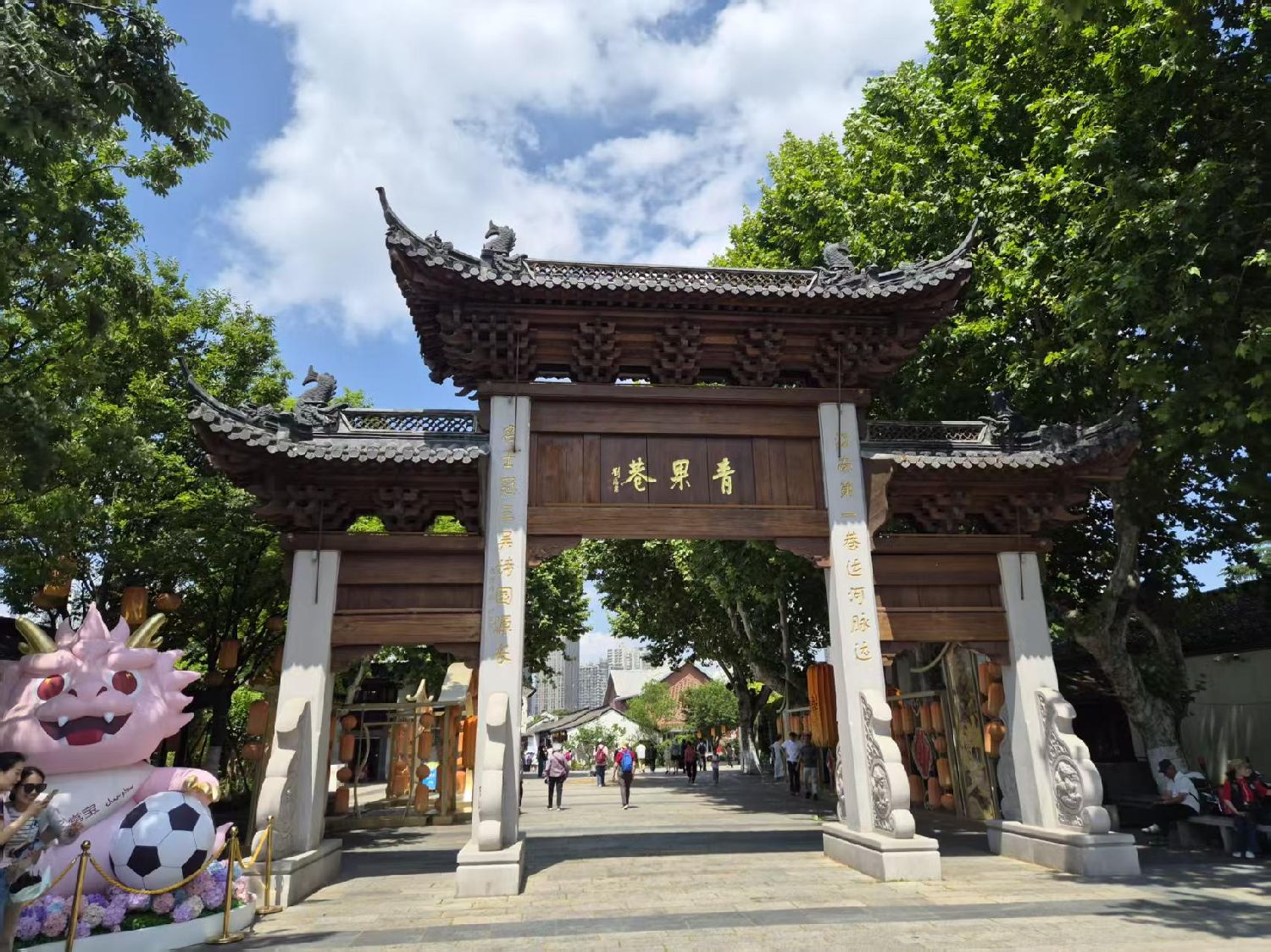
上午十时许,采访团抵达了此行的重点——青果巷历史文化街区。巍峨古朴的木质牌坊映入眼帘,蓝天白云下,“青果巷”三个金色大字熠熠生辉,两旁绿树成荫,历史的厚重感扑面而来。步入街区,仿佛穿越了时空隧道。在街区的文化记忆展板前,代表团驻足良久。展板上醒目地引用了关于“注重文明传承、文化延续,让城市留下记忆,让人们记住乡愁”的深刻论述。正如展板所述,青果巷不仅承载着江南水乡的温婉,更凝聚了常州近百年的沧桑与繁华。这里曾是南北果品的集散地,因河埠云集、果香四溢而得名“千果巷”(后因方言谐音演变为青果巷)。明初以来,这里逐渐成为名门望族、文人雅士的聚居地,走出了百余名进士以及一大批近现代名士大家,堪称“一条青果巷,半部常州史”。
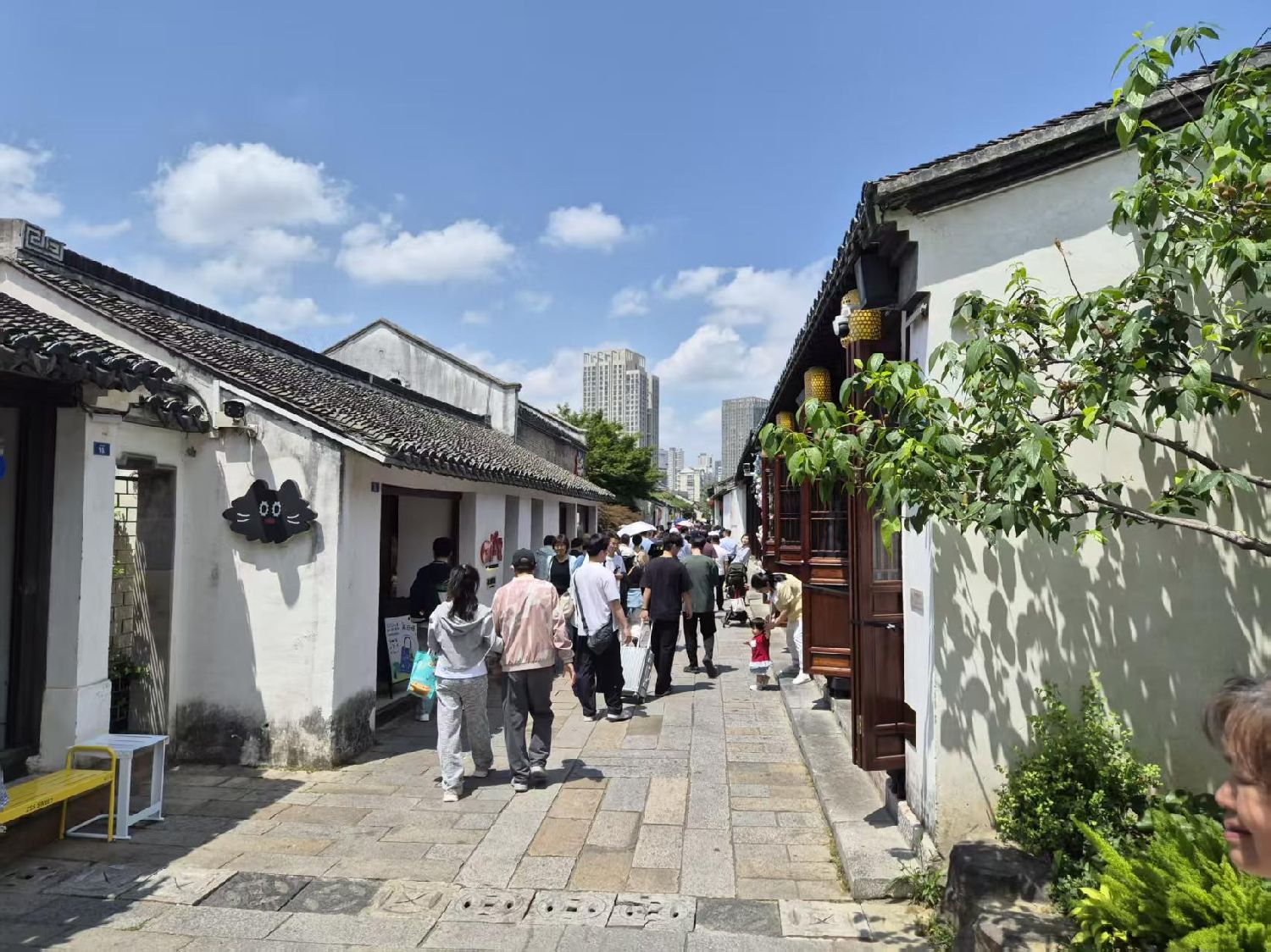
匠心传承:老字号与非遗的新生
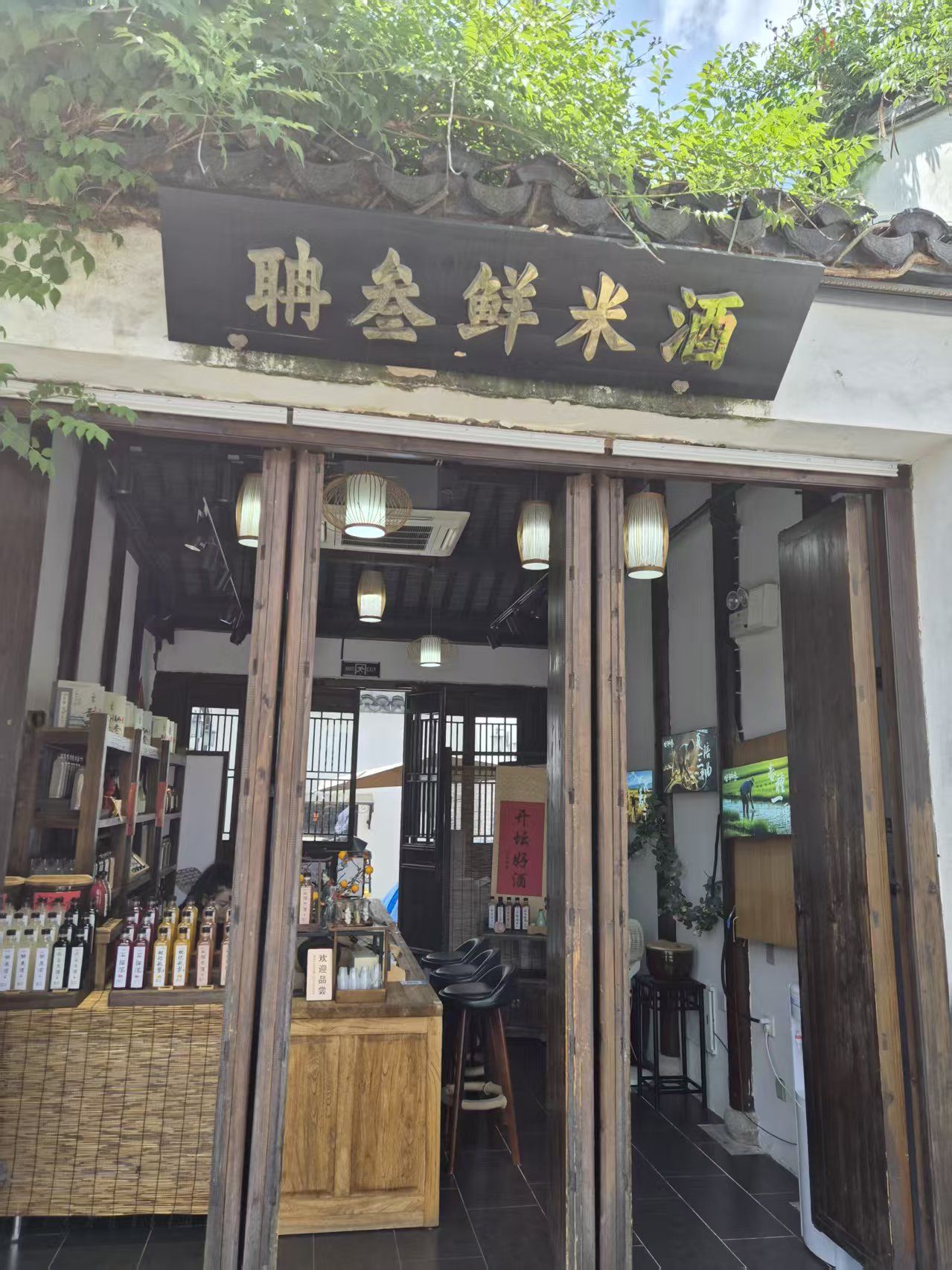
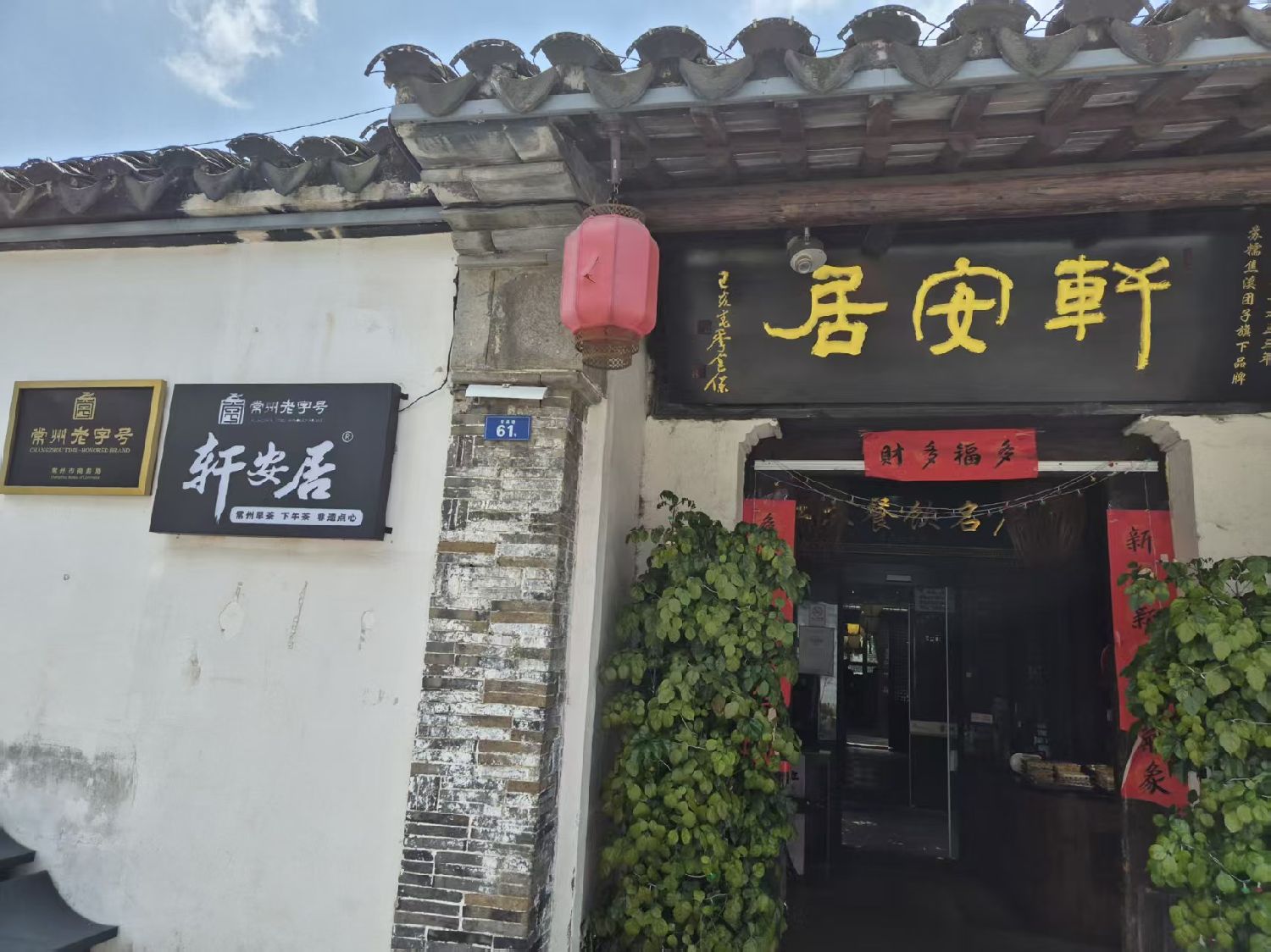
沿着青石板路缓缓前行,海外华文媒体代表团深入探访了青果巷内的文化遗迹与特色商铺。在“轩安居”门前,古朴的砖墙与高悬的红灯笼相映成趣。“常州老字号”的牌匾下,传统风味小吃的香气弥漫在空气中,诉说着地道的江南烟火气。不远处,“聃叁鲜米酒”店内木质结构古色古香,陈列着各式各样的传统米酒。这种源自江南的传统酿造工艺,在年轻一代的经营下焕发新生,成为了连接过去与现在的味觉纽带。
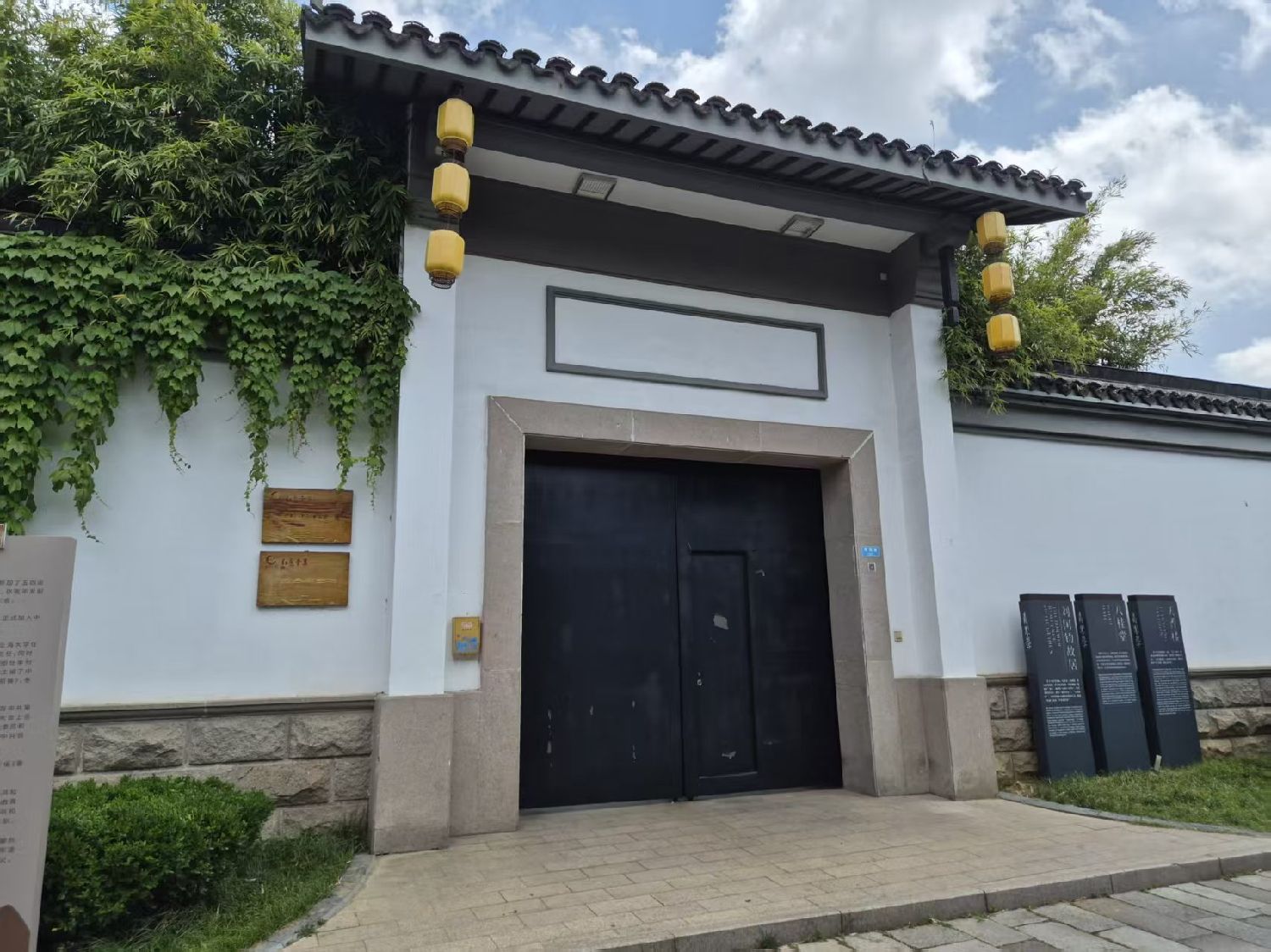
而在“礼和堂私家码头”遗址,代表团成员们详细了解了这座临运河(古称前河、南市河)而建的历史建筑背后的故事。作为明代建筑唐氏八宅之一,这里也是著名语言学家、“汉语拼音之父”周有光先生的故居所在地。站在修葺一新的白墙黛瓦前,看着墙头垂下的绿色藤蔓与悬挂的明黄色灯笼,青果巷的保护模式引发了代表团的深度思考。
在城市更新浪潮中,青果巷没有选择大拆大建,而是坚持在保护中发展,在发展中保护。保留住这些老房子、老码头,就是保留住了中华民族的根与魂,这种“微更新、渐进式”的修缮理念,为历史街区的保护提供了宝贵的“中国经验”。
Viewing China from the Nordics
Exploring Qingguo Lane in Changzhou:Tracing a Thousand Years of Cultural Heritage in Jiangnan
By Nordic Chinese Times Correspondent in Changzhou
Soft morning light bathed the Jiangnan region in early summer as a gentle breeze carried the moisture and greenery characteristic of southern China.On the morning of May16,2026,delegates participating in the“Overseas Chinese-Language Media Jiangsu Tour”arrived in Changzhou,a historic city in eastern China’s Jiangsu Province long known as a key cultural center of the Wu region.
Blending deep historical heritage with modern industrial vitality,Changzhou unfolded before visitors like a slowly opening scroll painting of Jiangnan.Through its unique urban landscape and evolving contemporary identity,the city welcomed overseas media representatives from around the world.
As one of Jiangnan’s best-known cultural cities,Changzhou has long been celebrated for its scholarly tradition and distinguished talents.An old saying once described it as a place“without equal in Southeast China for its gathering of famous scholars.”At the city’s exhibition center,vivid displays introduced overseas journalists to Changzhou’s distinctive character.Today,the city is not only an important hub within the Yangtze River Delta region,but also one of the birthplaces of modern Chinese national industry and commerce.
From the refined elegance of classical gardens to its rapidly emerging identity as a“capital of new energy industries,”Changzhou impressed many delegates with its balance between cultural preservation and technological innovation.This fusion of traditional Jiangnan aesthetics with advanced manufacturing and green industry offered a vivid example of how Chinese modernization is unfolding at the local level.
At around10a.m.,the media delegation arrived at the highlight of the tour—Qingguo Lane Historic and Cultural District.A grand wooden archway came into view beneath blue skies and drifting clouds,with the golden characters“Qingguo Lane”shining brightly above tree-lined streets.The atmosphere immediately conveyed a strong sense of history.
Walking into the district felt like stepping through a tunnel in time.Delegates spent considerable time studying cultural exhibition panels introducing the area’s history and preservation philosophy.One prominently displayed statement emphasized the importance of“preserving cultural continuity,retaining urban memory,and allowing people to remember their hometown roots.”
As the exhibits explained,Qingguo Lane embodies not only the elegance of Jiangnan water-town culture,but also nearly a century of Changzhou’s social and commercial transformation.Historically,the area served as a distribution hub for fruits traded between northern and southern China.Because of its busy river docks and fragrant produce markets,it was once known as“Qianguo Lane”(“Lane of a Thousand Fruits”),later evolving phonetically into“Qingguo Lane.”
Since the early Ming Dynasty,the neighborhood gradually became home to prominent families,scholars,and cultural elites.Over the centuries,it produced more than one hundred successful imperial examination scholars,along with many influential intellectuals and cultural figures in modern China.Locally,people often say:“One Qingguo Lane contains half the history of Changzhou.”
Strolling along the stone-paved pathways,overseas Chinese-language media representatives explored cultural landmarks and traditional businesses throughout the district.In front of“Xuan An Ju,”ancient brick walls contrasted beautifully with hanging red lanterns.Beneath the plaque marking it as a“Time-Honored Changzhou Brand,”the aroma of traditional local snacks filled the air,preserving the authentic atmosphere of Jiangnan street life.
Nearby,the wooden interior of“Dan San Xian Rice Wine”shop displayed a wide variety of traditional rice wines.This centuries-old Jiangnan brewing tradition has found renewed vitality under younger generations of entrepreneurs,becoming a sensory bridge between past and present.
At the former site of“Li He Tang Private Wharf,”delegates learned about the stories behind the historic building facing the old canal,historically known as the Qian River or South Market River.As one of the famed Tang family residences from the Ming Dynasty,the site was also once home to renowned linguist Zhou Youguang,widely recognized as the“father of Chinese Pinyin.”
Standing before the carefully restored white walls and black-tiled roofs,with green vines hanging from above and bright yellow lanterns swaying gently in the breeze,many delegates reflected deeply on Qingguo Lane’s preservation model.Rather than pursuing large-scale demolition and reconstruction during urban renewal,the district has chosen a path of preservation through gradual adaptation and careful revitalization.
By preserving old residences,ancient docks,and historical streets,Qingguo Lane preserves not only architectural heritage,but also the cultural memory and identity of the Chinese nation itself.This philosophy of“micro-renewal”and gradual restoration offers what many delegates described as a valuable“Chinese approach”to protecting historic urban districts in the modern era.
