文/北欧时报
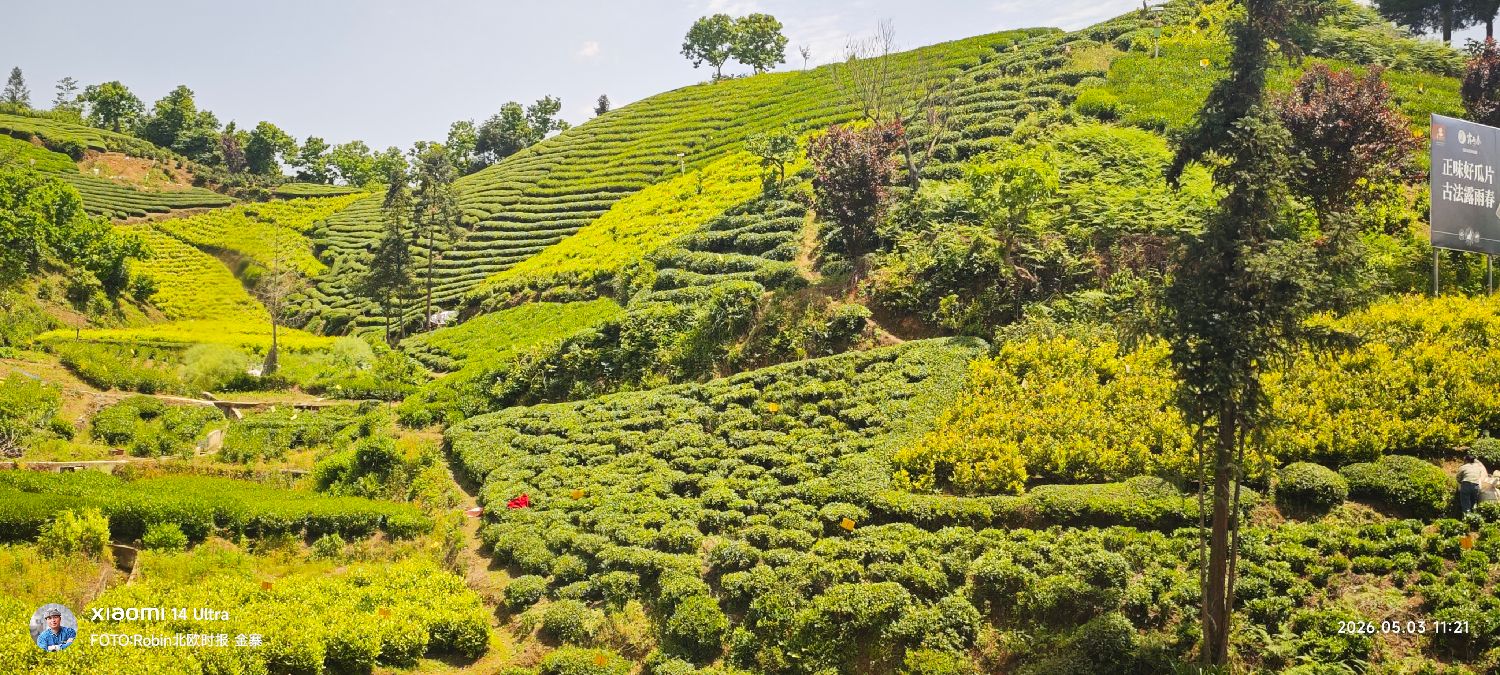
如果把中国对世界的贡献浓缩成一种植物,那么茶叶一定榜上有名。
今天的欧洲人,也许已经习惯了清晨的一杯红茶,习惯了下午三点的下午茶时光,习惯了瓷杯里升腾的袅袅热气。但很少有人知道,这一切竟源于数千年前中国南方山间的一片树叶。
更少有人知道,正是这片树叶,悄悄改变了欧洲历史的走向。
英国历史学教授艾伦·麦克法兰(Alan Macfarlane)曾在研究中指出:
“如果没有中国茶,英国工业革命的发展速度很可能会完全不同。”
这句话听起来似乎有些夸张。
但历史往往比小说更加精彩。
十八世纪以前,欧洲人主要饮用啤酒、葡萄酒和烈酒。
由于城市卫生条件差,饮用水常常受到污染,人们甚至从早到晚都在喝酒。醉酒并不是个别现象,而是一种社会状态。
英国史书中曾记载,当时伦敦街头酒鬼遍地,工人效率低下,社会治安问题严重。
直到中国茶进入欧洲。
茶叶最大的特点之一,是必须经过高温煮沸。
煮茶的过程,无意中消灭了大量细菌。
人们开始喝上安全、卫生的热饮。
与此同时,茶中的咖啡因又让人保持清醒。
酒精让人昏沉。
茶叶让人思考。
酒馆里摇摇晃晃的醉汉,渐渐变成工厂里准时上班的工人。
从某种意义上说,蒸汽机时代的钟声,伴随着茶杯里的水汽一起升起。
正因如此,许多历史学家认为:
茶文化为英国工业革命提供了一种被忽视的重要社会基础。
然而,故事并没有结束。
为了购买中国茶叶,英国人曾付出巨大代价。
十八世纪时,中国是世界最大的贸易顺差国。
欧洲制造的商品,中国并不感兴趣。
英国商人只能不断把白银运往中国换取茶叶。
据统计,在某些年份,英国东印度公司高达九成以上的利润都与茶叶贸易有关。
面对白银大量流失,英国开始焦虑。
于是,后来发生了影响世界历史的另一件大事——鸦片贸易。
从某种意义上说,鸦片战争的远因,也与中国茶有关。
历史有时就是如此吊诡。
一片让人清醒的树叶,却引发了一场让世界陷入痛苦的贸易冲突。
茶叶改变了英国。
茶叶也改变了中国。
茶叶更改变了世界。
如今,在瑞典的冬夜里,在伦敦的雾气中,在巴黎的咖啡馆旁,在赫尔辛基飘雪的街头,人们依然会捧起一杯热茶。
他们或许不知道,自己手中的这一杯茶,穿越了丝绸之路的驼铃,穿越了郑和下西洋的海风,穿越了东印度公司的帆船,也穿越了工业革命的烟囱。
最终来到今天。
从神农尝百草,到陆羽著《茶经》;从武夷山的岩茶,到西湖边的龙井;从云南古茶树,到北欧漫长冬季里的一缕暖香。
中国茶早已不仅是一种饮品。
它是一种文明。
一种哲学。
一种把时间泡进水里的智慧。
中国人讲:
“茶如人生,初品微苦,回味甘甜。”
或许正因为如此,这片东方树叶才能跨越山海,征服世界。
而当越来越多欧洲学者重新研究这段历史时,人们也终于开始明白:
改变欧洲历史的,不只是枪炮、蒸汽机和资本。
还有来自东方的一杯茶。
当茶香升起的时候,文明正在相遇。
当茶杯相碰的时候,历史仍在继续。
此刻,若站在瑞典洛神湖(Råstasjön)畔,看大雁掠过北欧的天空,再端起一杯中国茶,忽然会发现:
那片来自中国山野的嫩叶,从未离开历史舞台。
它仍在讲述着东西方文明相知相遇的故事。
而茶香深处,正是文明互鉴最温暖的模样。
The Leaf That Changed Europe:A British Professor Reveals the Truth
By Nordic Chinese Times
If one were to choose a single plant that best represents China’s contribution to the world,tea would surely be among the strongest contenders.
Today,Europeans casually begin their mornings with a cup of tea.Afternoon tea has become a cherished tradition in Britain,while steaming cups of black tea warm homes from London to Stockholm during long winter evenings.Yet few people realize that this daily ritual originated from a small leaf growing on the misty mountainsides of ancient China.
Even fewer know that this humble leaf quietly altered the course of European history.
British historian and professor Alan Macfarlane once observed:
"Without Chinese tea,the development of Britain's Industrial Revolution might have been very different."
At first glance,such a statement may seem exaggerated.
History,however,often tells a more fascinating story than fiction.
Before tea became popular in Europe during the eighteenth century,most people drank beer,ale,wine,or spirits.Clean drinking water was often difficult to obtain in crowded cities,and alcohol was consumed throughout the day by rich and poor alike.
Historical records describe London as a city plagued by widespread drunkenness.Productivity was low,public disorder was common,and excessive drinking was considered a serious social problem.
Then came tea.
Tea required water to be boiled before consumption,unintentionally eliminating many harmful bacteria.For the first time,large numbers of people gained access to a safe and hygienic hot beverage.
At the same time,caffeine provided alertness and mental clarity.
Alcohol dulled the mind.
Tea awakened it.
The staggering figures emerging from taverns gradually gave way to disciplined workers arriving at factories on time.In a very real sense,the steam rising from tea kettles accompanied the steam rising from the engines that powered the Industrial Revolution.
For this reason,many historians argue that tea culture provided an overlooked social foundation for Britain's transformation into an industrial power.
Yet the story does not end there.
The British appetite for Chinese tea came at an enormous cost.
In the eighteenth century,China enjoyed a significant trade surplus with Europe.Chinese tea,silk,and porcelain were highly desired in the West,while European goods found relatively little demand in China.
As a result,British merchants were forced to pay vast quantities of silver in exchange for Chinese products.
In some years,tea accounted for the overwhelming majority of the profits generated by the British East India Company.
Concerned about the continuous outflow of silver,Britain searched for a solution.
The consequences would reshape global history.
The expansion of the opium trade and the conflicts that followed were,in part,rooted in the imbalance created by Europe's thirst for Chinese tea.
History can be remarkably ironic.
A leaf that brought clarity and sobriety to millions also contributed indirectly to one of the most painful chapters in relations between East and West.
Tea changed Britain.
Tea changed China.
Tea changed the world.
Today,whether in Stockholm's winter darkness,London's foggy mornings,Parisian cafés,or the snowy streets of Helsinki,countless people continue to lift a warm cup of tea to their lips.
Most are unaware that the drink in their hands has traveled through centuries of history.
It has crossed the ancient Silk Road.
It has sailed aboard merchant ships across vast oceans.
It has witnessed the rise and fall of empires.
It has accompanied the birth of modern industry.
And it continues its journey today.
From the legendary tales of Shennong discovering tea,to Lu Yu'sClassic of Tea;from the Dragon Well tea fields of Hangzhou to the ancient tea forests of Yunnan;from mountain villages in China to homes across Northern Europe,tea has become far more than a beverage.
It is a civilization.
A philosophy.
A quiet wisdom infused into water.
The Chinese have long said:
"Life is like tea—slightly bitter at first,yet sweet in its lingering aftertaste."
Perhaps that is why this leaf from the East was able to cross mountains,oceans,and cultures,eventually captivating the world.
As more European scholars revisit this history,a deeper truth becomes increasingly clear:
Europe was shaped not only by gunpowder,steam engines,and capital.
It was also shaped by a cup of Chinese tea.
When tea is poured,civilizations meet.
When cups are raised together,history continues.
And if one stands beside the peaceful waters of Råstasjön in Sweden,watching wild geese glide across the Nordic sky while holding a cup of Chinese tea,one may suddenly realize that this small leaf has never truly left the stage of history.
Its fragrance still tells the story of dialogue between East and West.
And within that fragrance lies one of humanity's warmest expressions of cultural exchange.
