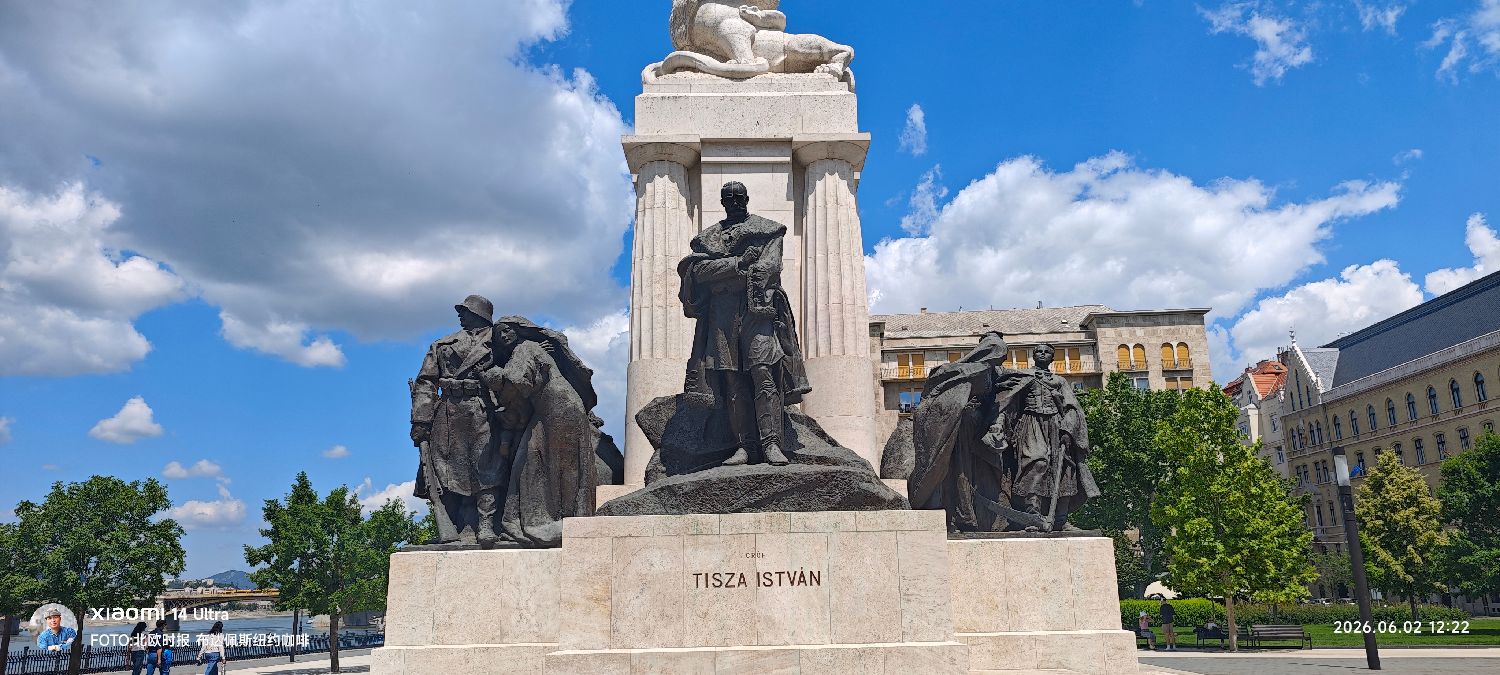
印象布达佩斯:多瑙河上的双子城
文/何儒(北欧时报)
Impressions of Budapest:The Twin City on the Danube
By Robin Ho,Nordic Chinese Times
My first encounter with Budapest came on a night filled with football and moonlight.
As the aircraft descended toward Hungary’s capital,a full moon was rising above the horizon at the far end of the runway.Its silver glow spread across the tarmac and aircraft wings,as if quietly reminding every arriving traveler that this was a city of rivers,history,and legends.
It was the eve of the UEFA Champions League Final.
Thousands of football supporters from across Europe had poured into the city.Hotels were fully booked,prices had skyrocketed,bars overflowed with fans,and every square seemed alive with anticipation.
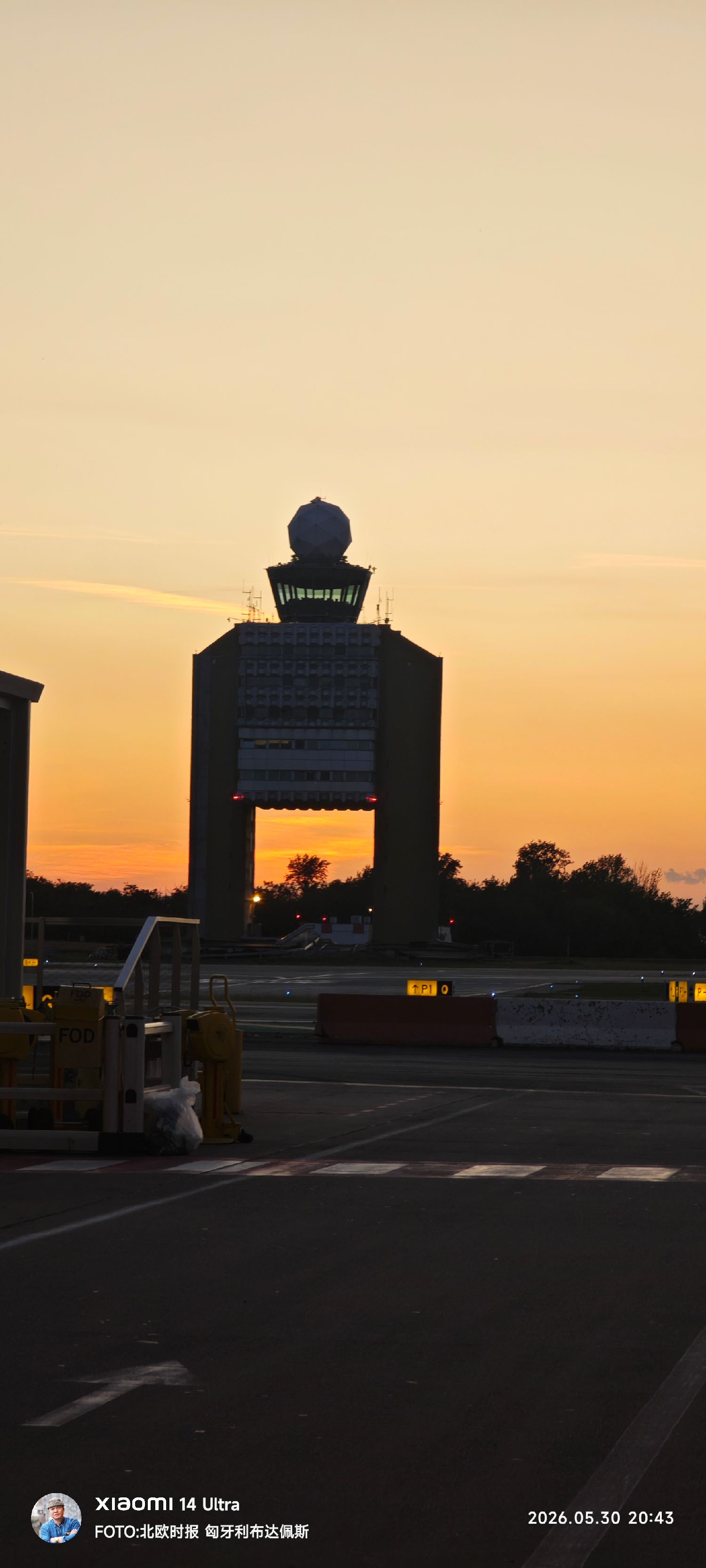
Yet as I stepped out of the airport and looked toward the sunset-lit control tower standing alone against the evening sky,I felt something unexpected.
A sense of calm.
Budapest seemed in no hurry.
Like the Danube itself,it flowed slowly,confidently,and gracefully through time.
The Birth of a Twin City
Budapest was not originally one city.
The Danube divided it into two distinct worlds.
On the western bank stood Buda,ancient and dignified,built upon hills and crowned by castles.
On the eastern bank stretched Pest,vibrant and energetic,shaped by commerce and urban life.
One resembles a wise elder.
The other,an ambitious young man.
For centuries they developed separately,connected only by ferries and temporary crossings.
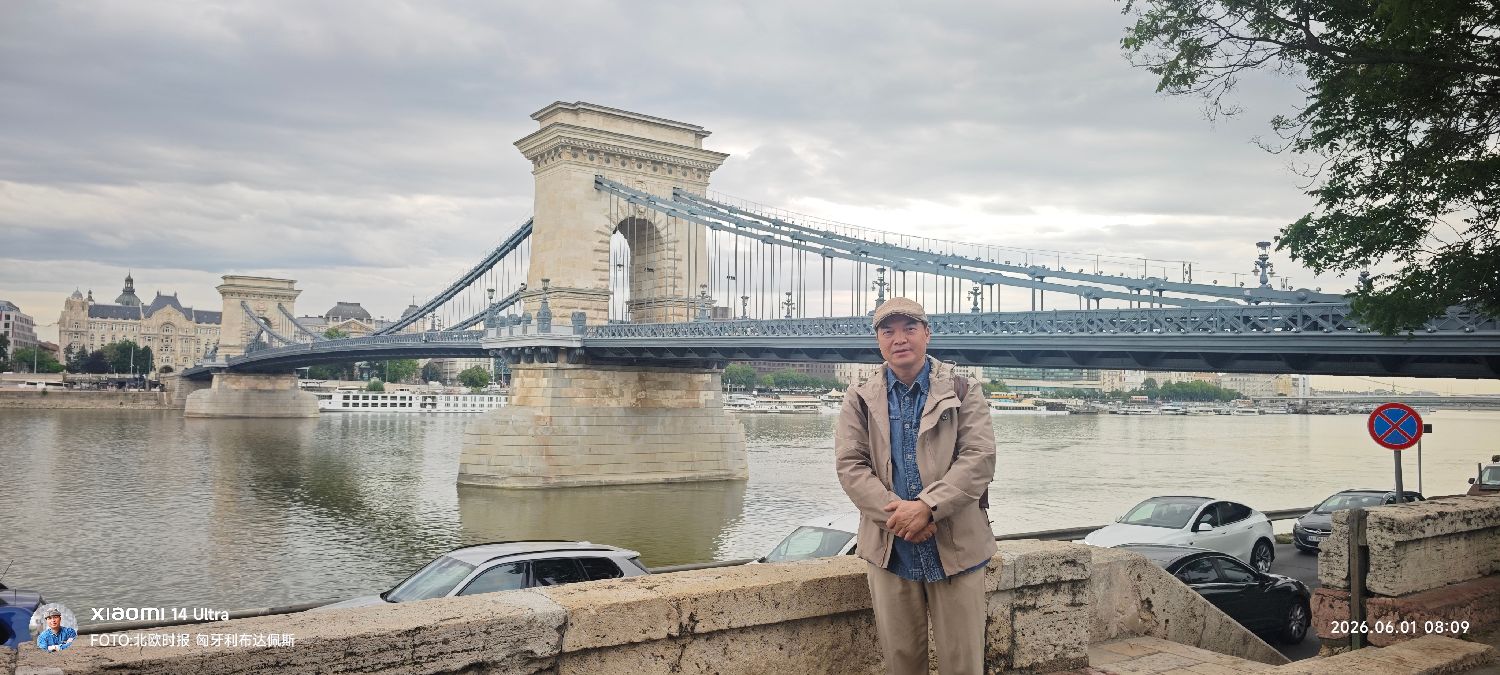
Then came the Chain Bridge.
Completed in1849,it became the first permanent bridge linking the two sides of the river.
In1873,Buda,Pest,andÓbuda officially merged into what we now know as Budapest.
Standing beside the Chain Bridge,I suddenly understood something:
Great cities are often born from unity.
The meeting of east and west.
The embrace of history and modernity.

The reconciliation of conflict and peace.
Budapest is all of these things.
Morning Along the Danube
The following morning,while football fans still slept after a night of celebration,I wandered alone along the riverbank.
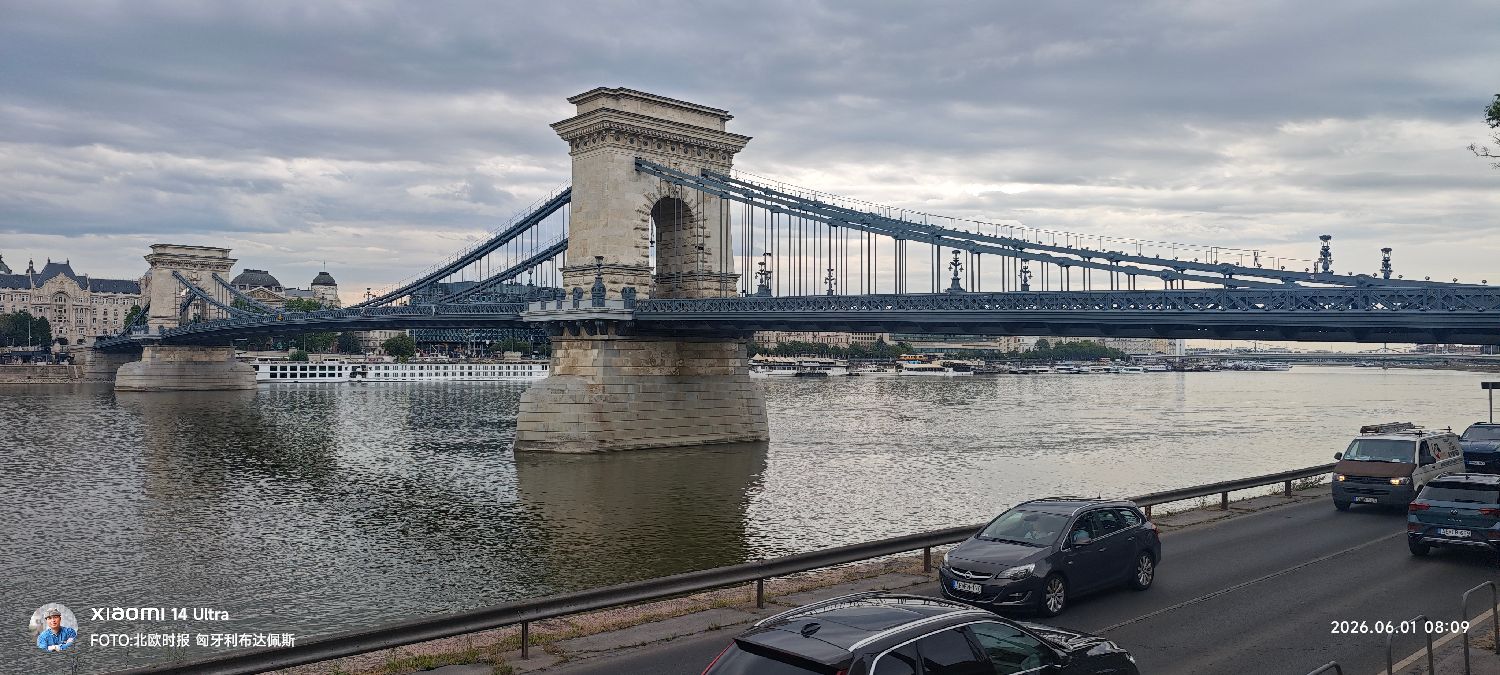
The Chain Bridge stood in silence.
Its stone lions guarded the crossing as they had for generations.
Across the water,Castle Hill slowly turned golden beneath the rising sun.
The Danube was calm,reflecting the city like a giant mirror.
Occasionally a river cruise passed quietly by.
Standing beneath the steel structure of the bridge,I thought of the engineers who built it nearly two centuries ago.
Perhaps they never imagined that their bridge would one day become the most recognizable symbol of a nation.
Bridges do more than connect shores.
They connect destinies.
Parliament:A Nation's Dream in Stone
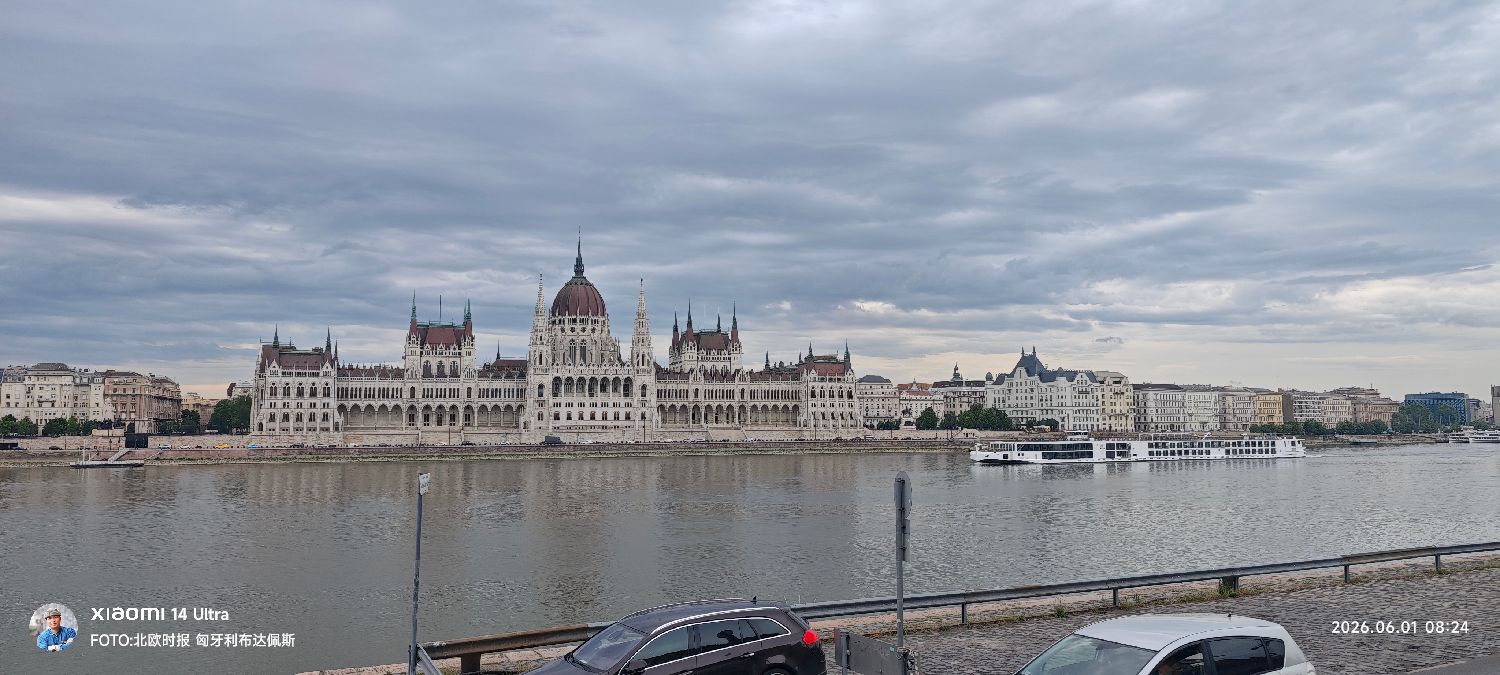
Further along the river appeared one of Europe’s most magnificent buildings.
The Hungarian Parliament.
If Vienna represents the grandeur of the Habsburg Empire,then Budapest’s Parliament represents the awakening of Hungarian national identity.
Its white neo-Gothic façade rises like a palace from a fairy tale.
Hundreds of rooms.
Countless arches.
Elegant spires.
A majestic dome.
By day,it appears noble and serene.
By night,illuminated by thousands of golden lights,it becomes almost unreal.
I stood by the river for a long time,unable to leave.
The reflections danced upon the water.
For a moment,it felt as if time itself had paused.
A Violinist on the Bridge
Yet what I remember most about Budapest is not a palace.
It is a violinist.
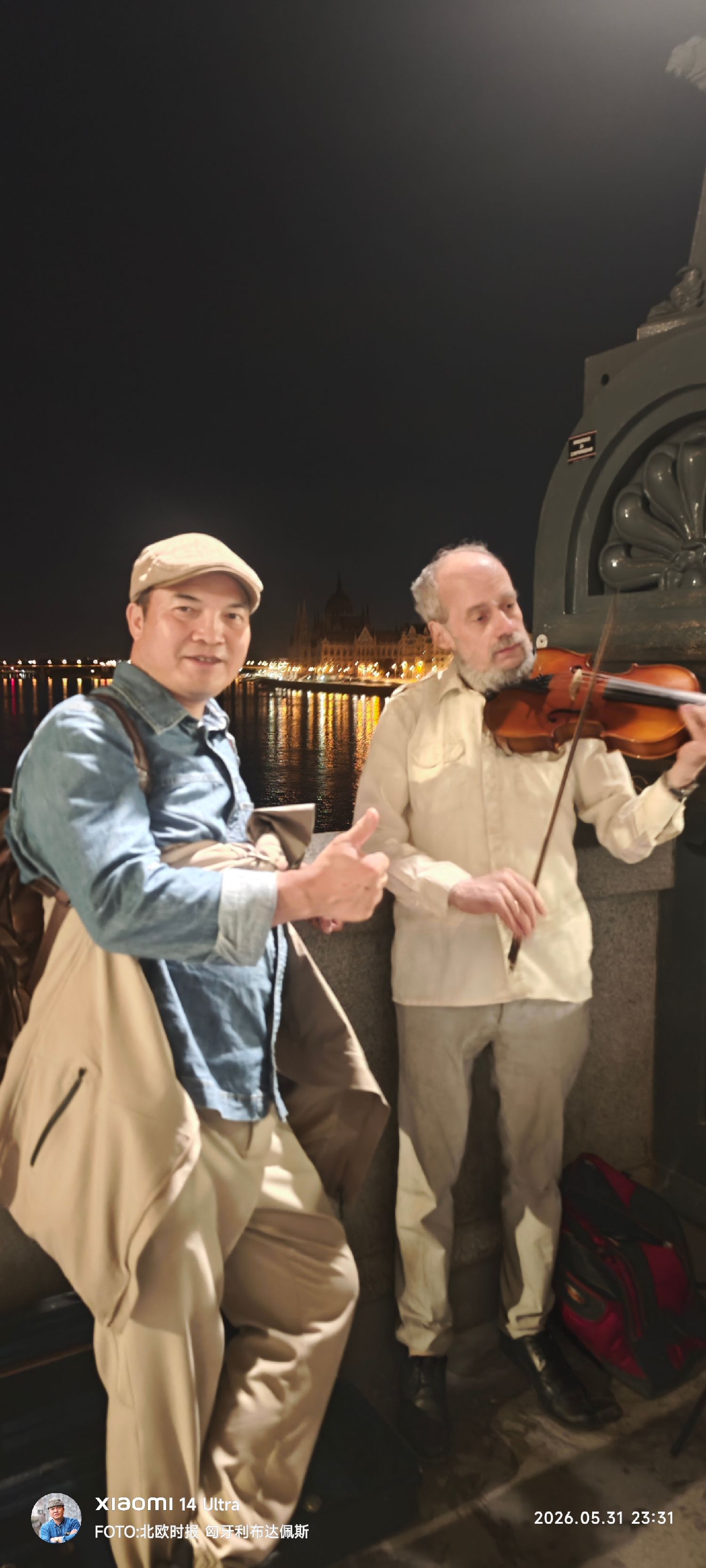
Late at night on the Chain Bridge.
The wind drifted across the Danube.
The Parliament glowed in the distance.
An elderly musician stood alone beneath a lamp.
No stage.
No audience.
Only music.
The melody sounded like Mozart.
Or perhaps like the river itself.
I stood there listening for a long while.
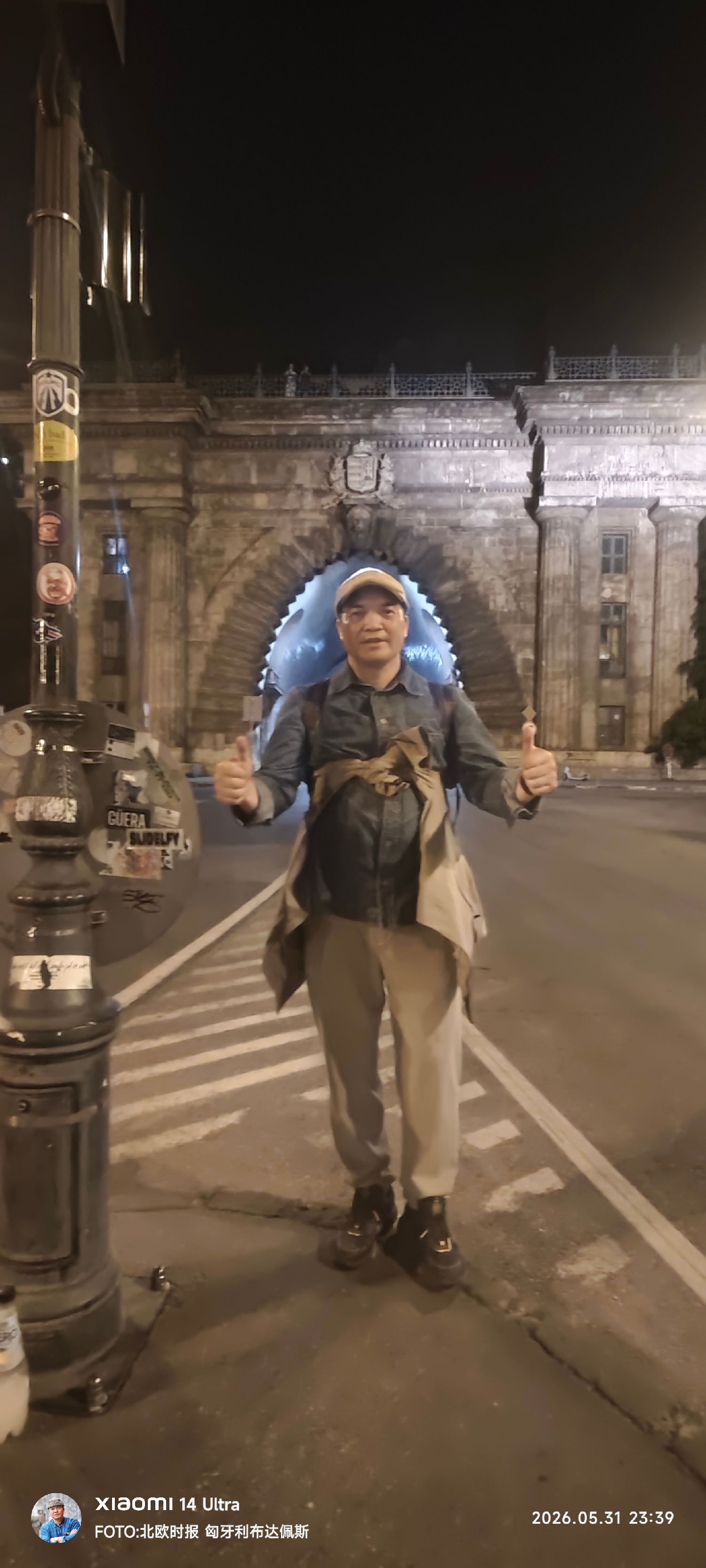
When he finished a phrase,I raised my thumb in appreciation.
He smiled and continued playing.
At that moment I realized:
Music may be Europe's most universal language.
It requires no translation.
It recognizes no borders.
A City Scarred but Unbroken
Budapest is a city that has suffered.
The Ottoman Empire ruled here.
The Habsburgs ruled here.
Two World Wars left deep scars.
The uprising of1956changed its destiny forever.
The Cold War shaped generations.
Yet despite its turbulent past,Budapest does not feel defeated.
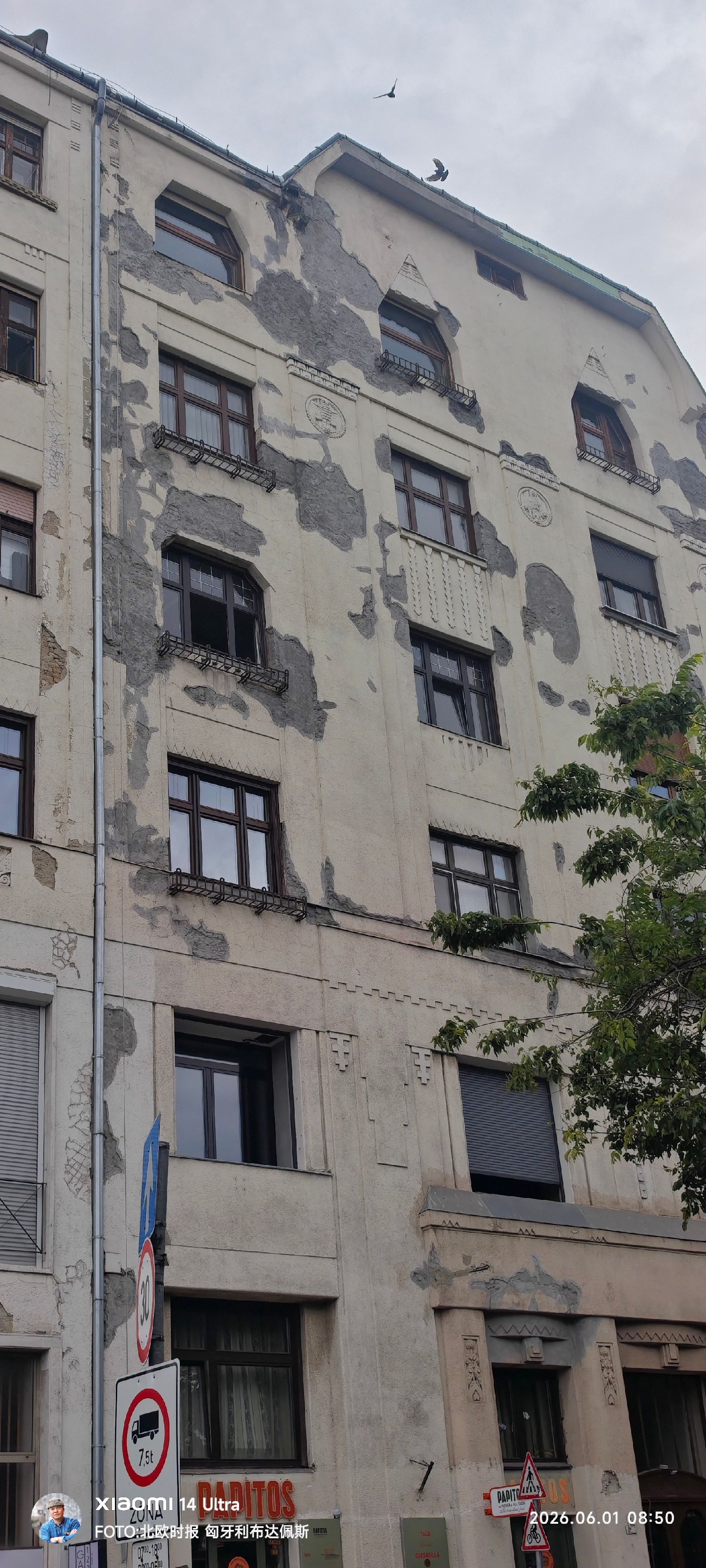
It is not polished to perfection like some modern European capitals.
Parts of it are old.
Weathered.
Even rough around the edges.
But that is precisely what makes it beautiful.
Its stone facades,worn streets,and aging walls give it authenticity.
Budapest feels like an old man who has survived every storm.
His face bears wrinkles.
But his eyes remain bright.
When the Moon Rose Again
Before leaving Budapest,I saw the moon once more.
It hung above the airport just as it had on my arrival.
Quietly watching aircraft come and go.
As the plane accelerated down the runway,the city's lights slowly faded beneath me.
The Danube became a silver ribbon.
The Chain Bridge,Parliament,and Buda Castle turned into silhouettes against the night.
Then I understood why so many people fall in love with Budapest.
Because Budapest is not merely a city.
It is a chapter of history.
A piece of music.
A flowing river.
A heartbeat at the center of Europe.
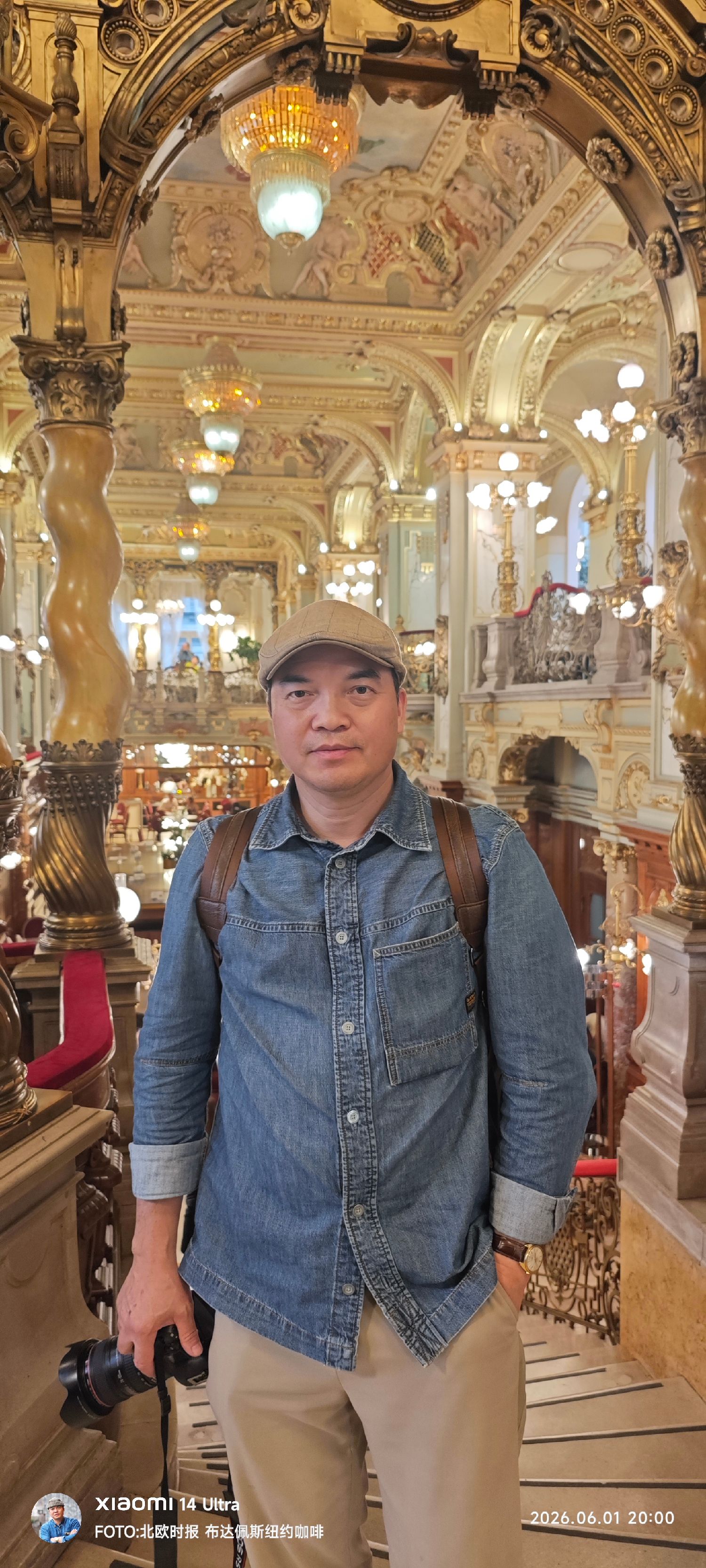
For a traveler from Guangxi,China,who has spent many years living in Scandinavia,Budapest felt like an old friend encountered unexpectedly on the banks of the Danube.
We met only briefly.
Yet the memory remains unforgettable.
As the aircraft climbed into the night sky,I whispered quietly:
Goodbye,Buda.
Goodbye,Pest.
Goodbye,Twin City of the Danube.
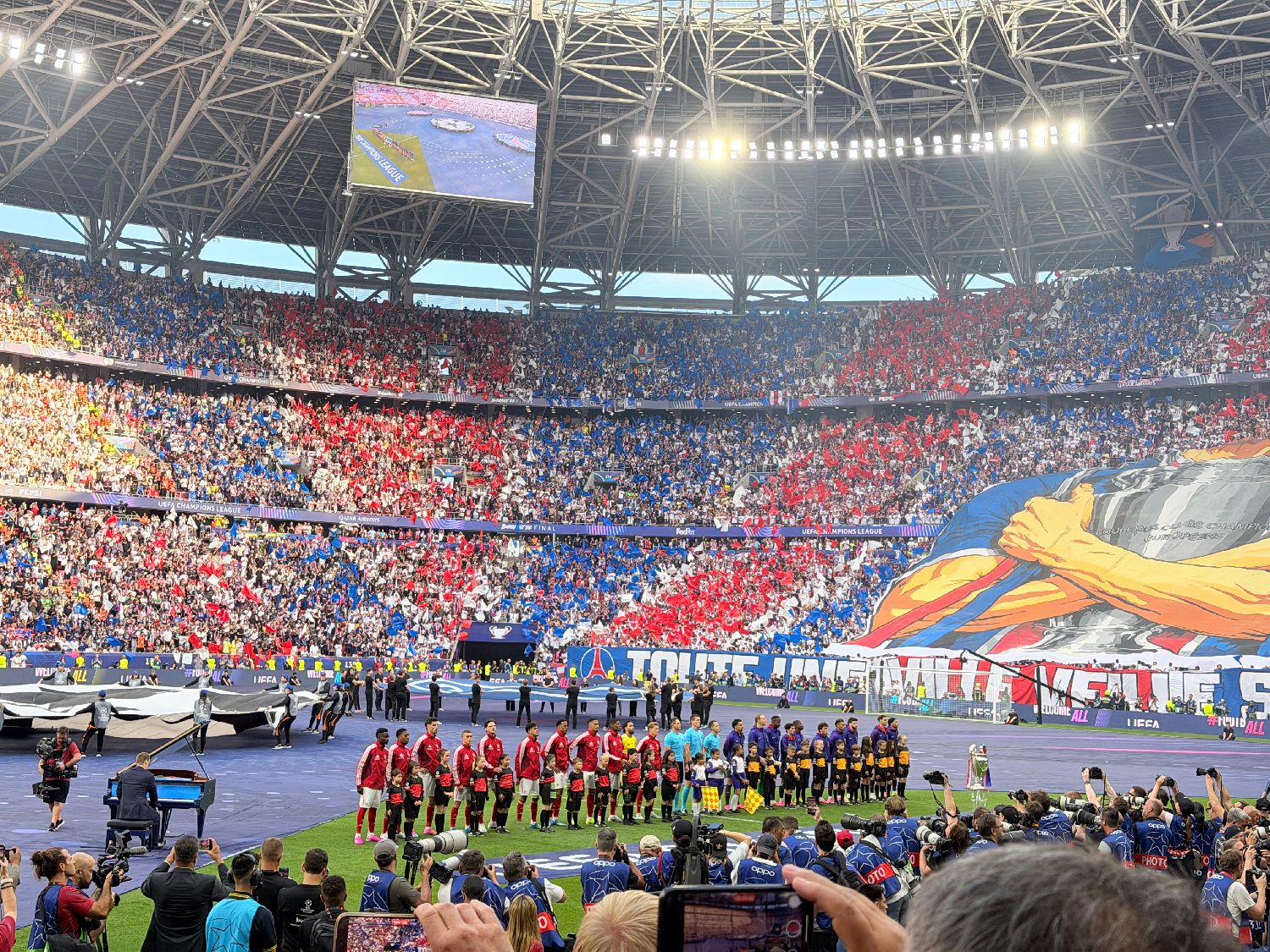
第一次来到布达佩斯,是在一个属于足球与月光的夜晚。
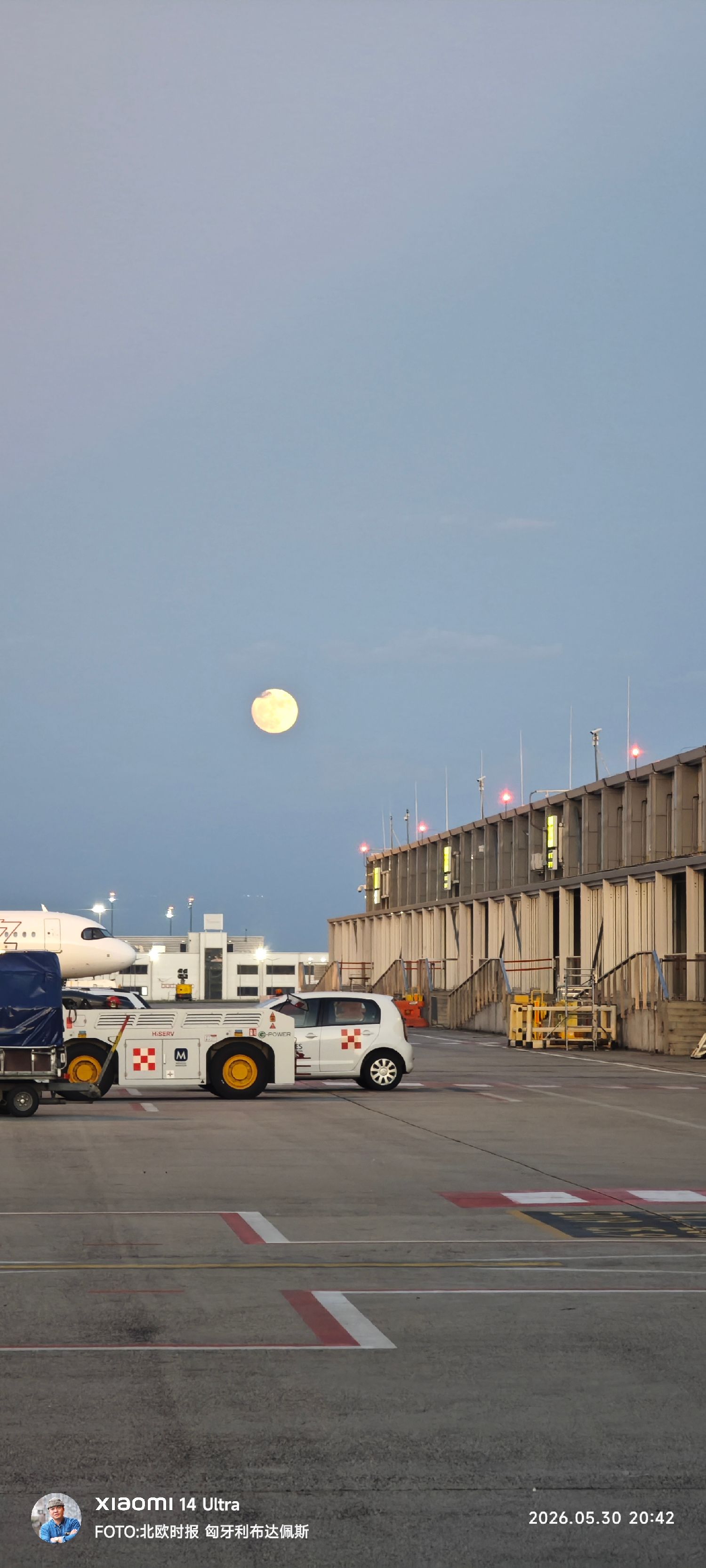
飞机缓缓降落在匈牙利首都。机场外,一轮圆月正从地平线上升起,悬挂在停机坪尽头。银白色的月光洒在机翼和跑道上,仿佛在提醒远道而来的旅人:这是一座与河流、历史和传说有关的城市。
那天正值欧洲冠军联赛决赛前夕。
整座城市涌入了数以万计来自世界各地的球迷。酒店价格翻了几倍,酒吧里人声鼎沸,广场上旗帜飘扬。然而,当我走出机场,望见夕阳映照下那座孤独矗立的空中交通管制塔时,却突然感觉到一种奇特的宁静。
这座城市似乎从来不急。
它像多瑙河一样,缓慢而坚定地流淌着。
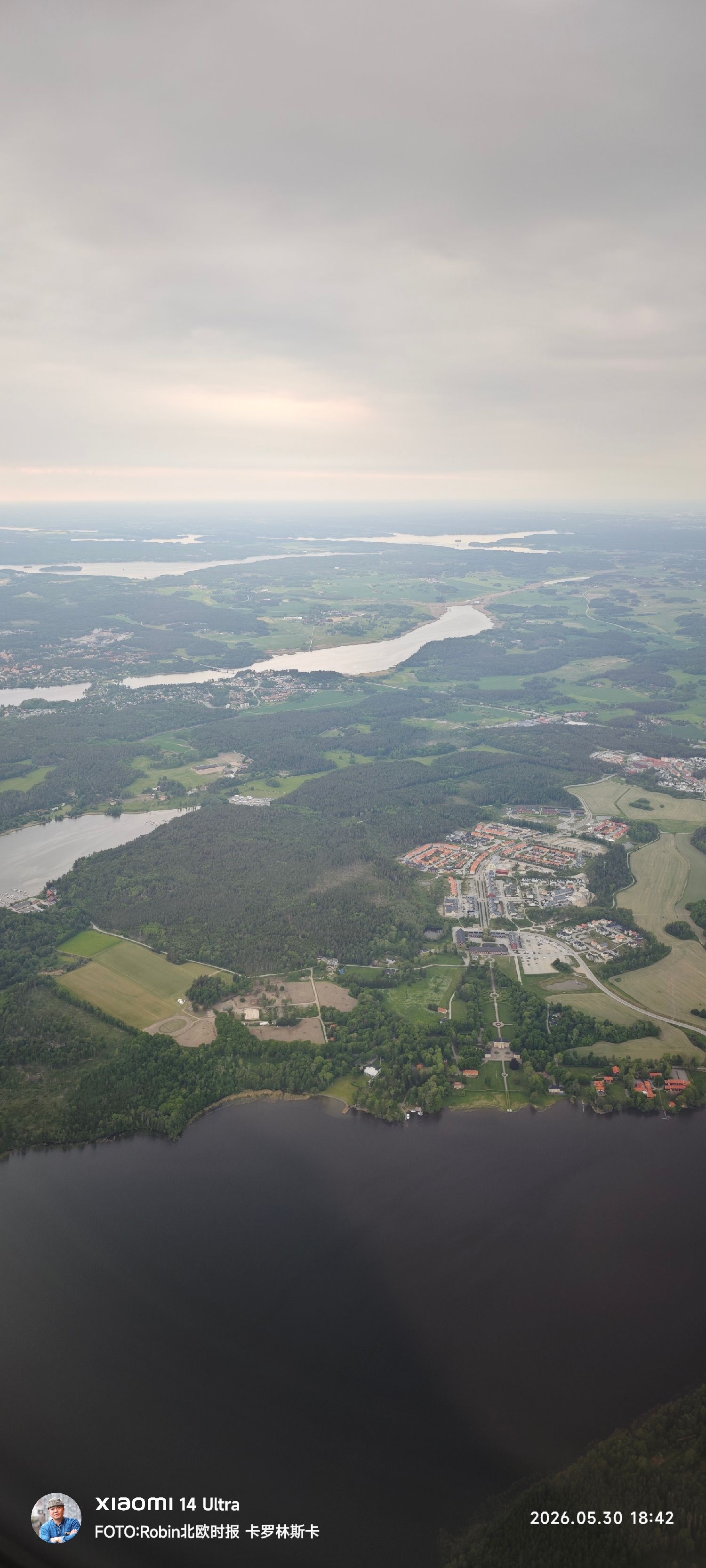
双子城的诞生
布达佩斯并不是一座城市。
至少最初不是。
多瑙河将这里一分为二。
西岸是古老的布达(Buda),东岸是繁华的佩斯(Pest)。
一个依山而建,一个依水而生。
一个像沉默的长者,一个像热情的青年。
十九世纪以前,它们原本是两个完全不同的世界。
直到1849年,连接两岸的第一座永久性桥梁——链子桥建成。
1873年,布达、佩斯以及奥布达正式合并。
于是诞生了今天的布达佩斯。
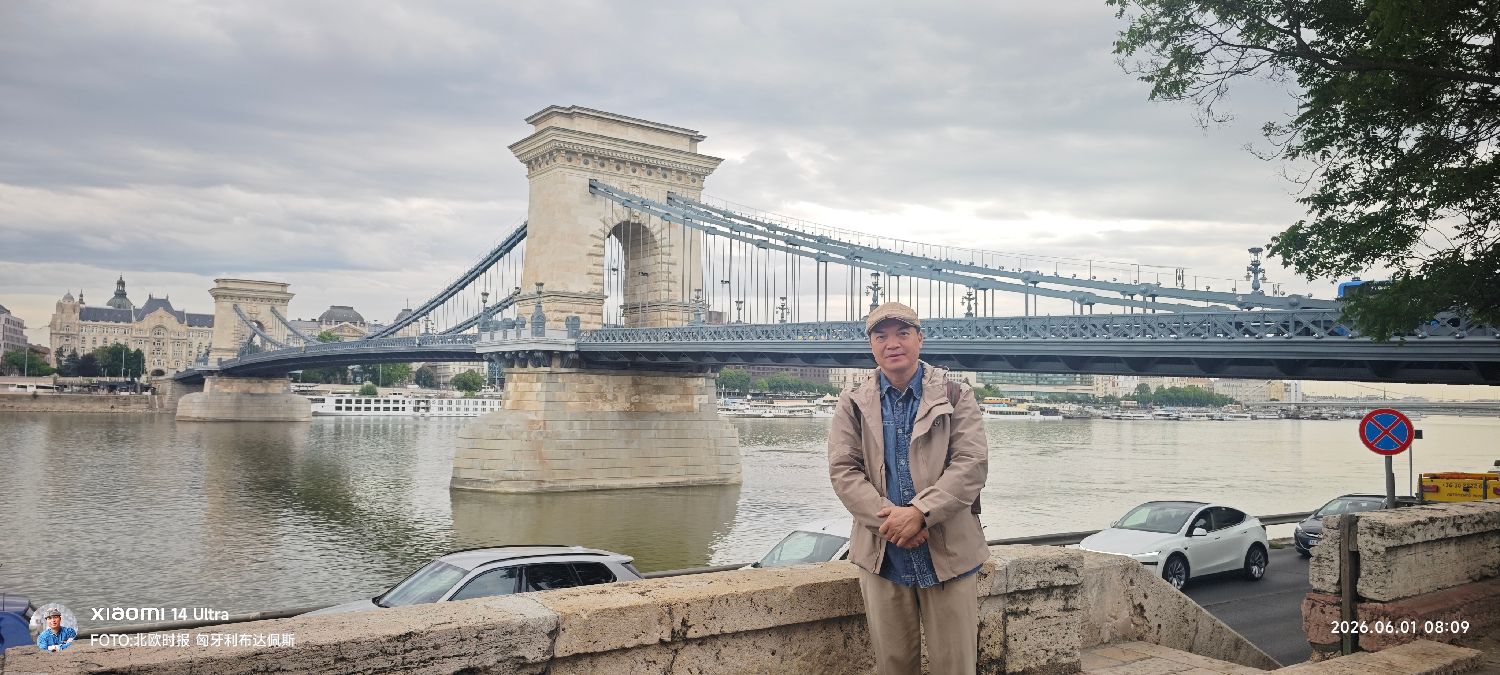
站在链子桥旁,我忽然明白:
有些伟大的城市,本身就是一种融合。
正如东西方文明的交汇。
正如历史与现代的相拥。
正如战争与和平的和解。
多瑙河畔的清晨
第二天清晨。
趁着球迷们还沉睡在狂欢之后,我独自沿着多瑙河散步。
晨光中的链子桥显得格外安静。
桥头石狮依旧守护着河流。
远处的王宫山被阳光慢慢染成金色。
河面平静得像一面镜子。
偶尔有游船缓缓驶过。
在桥下仰望钢铁结构时,我想起了一百八十多年前那些工程师。
他们大概不会想到,这座桥有一天会成为整个国家最著名的象征。
桥不仅连接河岸。
更连接着命运。
国会大厦:一个民族的梦想
沿河继续前行。
忽然,一座洁白而庄严的建筑出现在眼前。
那便是匈牙利国会大厦。
如果说维也纳代表哈布斯堡帝国的辉煌,
那么布达佩斯国会大厦则代表着匈牙利民族精神的觉醒。
它拥有近七百个房间。
尖塔林立。
穹顶高耸。
白天如雪山般圣洁。
夜晚则如黄金铸成的宫殿。
当夜幕降临,灯光全部亮起时,整座建筑仿佛从童话中走出来一般。
我站在河边久久不愿离去。
多瑙河倒映着金色的光影。
仿佛时间也被凝固。
一位街头音乐家
真正让我记住布达佩斯的,却不是宫殿。
而是一位拉小提琴的老人。
深夜的链子桥上。
风从河面吹来。
远处国会大厦灯火辉煌。
老人独自站在桥头。
没有舞台。
没有观众。
只有琴声。
那旋律像莫扎特。
又像多瑙河的流水。
我静静站在旁边听了许久。
最后伸出大拇指。
老人笑了。
继续演奏。
那一刻忽然觉得:
音乐才是欧洲真正共同的语言。
它不需要翻译。
也没有国界。
破而不破的城市
布达佩斯是一座经历过苦难的城市。
奥斯曼帝国统治过它。
哈布斯堡帝国统治过它。
两次世界大战重创过它。
1956年的炮火撕裂过它。
冷战留下的伤痕至今仍能找到。
然而奇怪的是。
这里并没有欧洲某些大都市那种刻意包装的精致。
它有些旧。
有些沧桑。
甚至有些破败。
但它并不颓废。
那些老建筑、石板路和斑驳墙面,反而让这座城市拥有一种真实的生命力。
它像一位经历过风雨的老人。
皱纹很多。
目光却依旧坚定。
月亮升起的时候
离开布达佩斯前。
我又一次看见了那轮圆月。
它悬挂在机场上空。
静静注视着起飞与降落。
飞机开始滑行。
窗外灯火渐渐远去。
多瑙河变成一条银色丝带。
链子桥、国会大厦、布达城堡慢慢缩成夜色中的剪影。
我忽然明白。
为什么那么多人会爱上这座城市。
因为布达佩斯从来不仅仅是一座城市。
它是一段历史。
一首乐曲。
一条河流。
也是欧洲心脏深处的一次呼吸。
而对于一个来自中国广西、长期生活在北欧的旅人来说,
它更像一位在多瑙河边偶然相遇的老朋友。
相识很短。
却令人难忘。
当飞机冲向夜空时,我在心里轻轻说了一句:
再见,布达。
再见,佩斯。
再见,多瑙河上的双子城。