多瑙河没有护照
——一个东方游客四天四国的游走笔记
作者:Robin罗宾汉
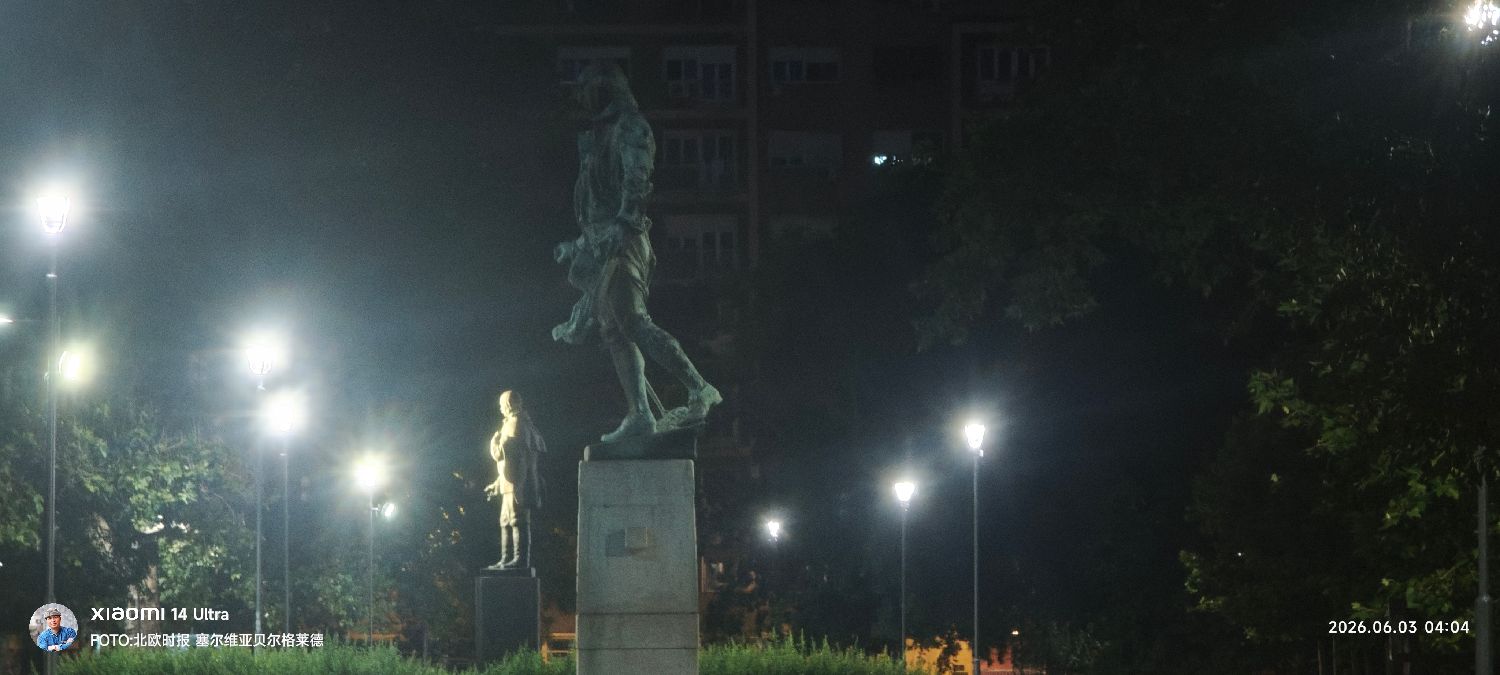
凌晨三点半。
贝尔格莱德。
手机闹钟准时响起。
窗外依旧漆黑一片。
我几乎一夜未眠。
不是因为时差。
也不是因为即将启程的航班。
而是因为历史。
从《瓦尔特保卫萨拉热窝》到南斯拉夫的兴衰,从蒙古骑兵的西征到奥匈帝国的荣光,从第一次世界大战到今天的巴尔干半岛,一个夜晚仿佛穿越了一千年。
而此刻,我要离开这座城市了。
这次旅程很简单。
一个背包。
一件牛仔衣。
没有托运行李。
因为如今欧洲许多航空公司的行李费用,甚至比机票本身更昂贵。
于是,一个背包便陪伴我穿越中欧与巴尔干。
几天之后,牛仔衣的领口已经结出一层淡淡的白色盐霜,那是汗水蒸发后留下的痕迹。
忽然觉得,这比任何纪念品都更真实。
四天时间。
我走过了四个国家:
匈牙利、克罗地亚、斯洛伐克和塞尔维亚。
然而当我翻开地图时,却发现一个有趣的事实:
我似乎从未离开同一个地方。
因为每一站,都在多瑙河边。
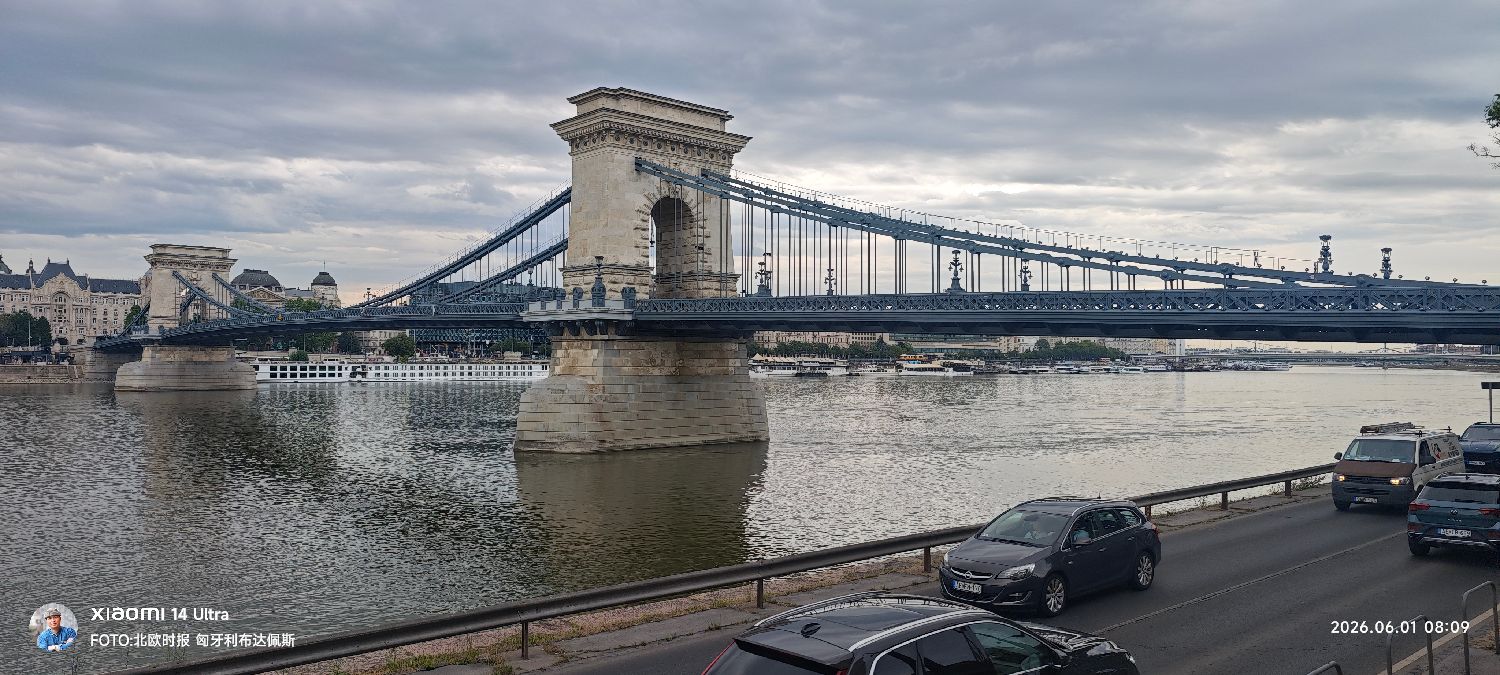
在布达佩斯,多瑙河从城市中央缓缓流过。
链子桥连接着布达与佩斯。
国会大厦在夜色中金碧辉煌。
这里曾经是奥匈帝国的心脏。
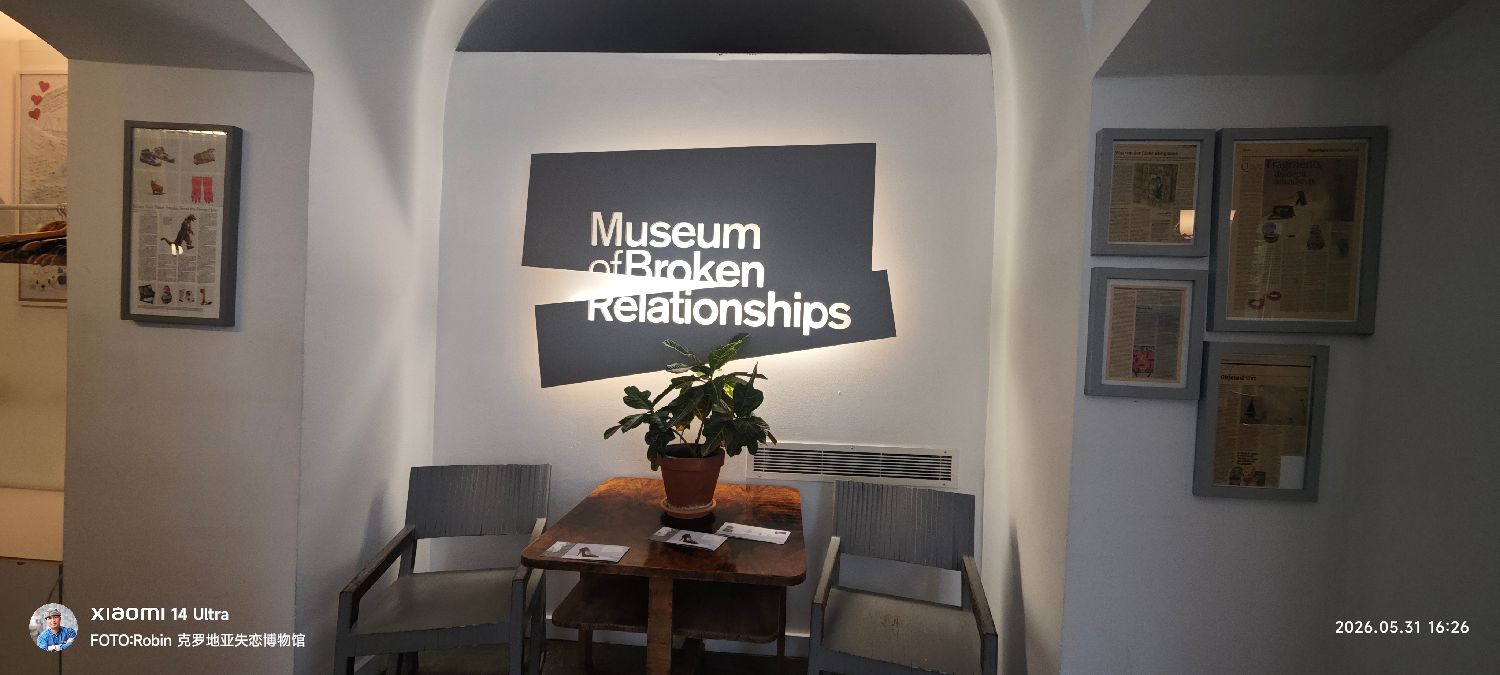
在克罗地亚首都萨格勒布,我走进失恋博物馆。
戒指、照片、书信、婚纱,每一件展品都讲述着一个关于相遇与别离的故事。
站在那里,我忽然觉得,一个国家的命运与一段爱情何其相似。
相识、相恋、争吵、分离。
前南斯拉夫不也是如此吗?
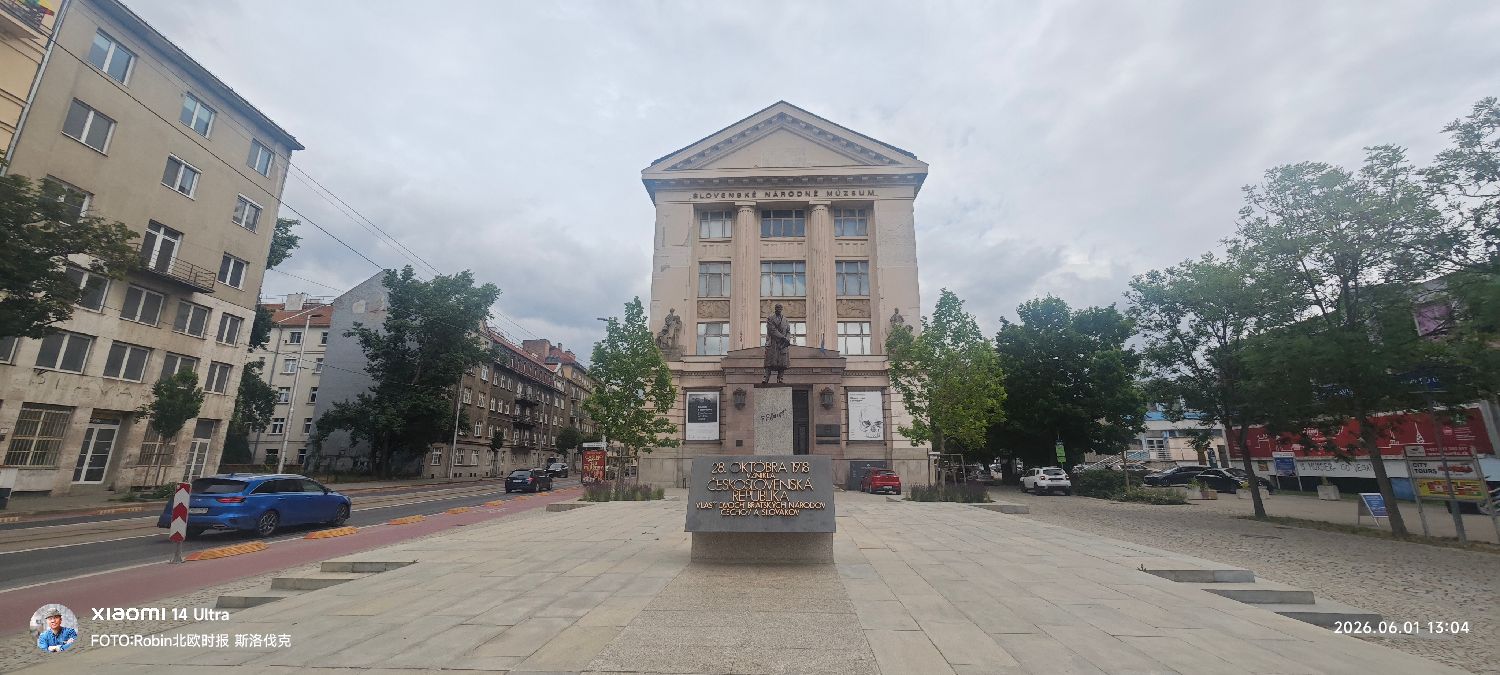
在斯洛伐克首都布拉迪斯拉发,古老的城堡俯瞰着多瑙河。
河水静静流淌。
国界不断变化。
河流却从不在意。
我忽然明白:
国家是人类画出来的。
河流是上天留下来的。
来到贝尔格莱德后,我第一次真正感受到巴尔干半岛的烟火气。
从机场进入市区的路上,第一次感受塞尔维亚社会主义国家全民免费坐车的待遇。一路上我竟然看见许多熟悉的中文招牌:
中医馆、中华美食、四轮定位、居留卡办理,甚至还有“四合院”。
恍惚之间,仿佛回到了中国。
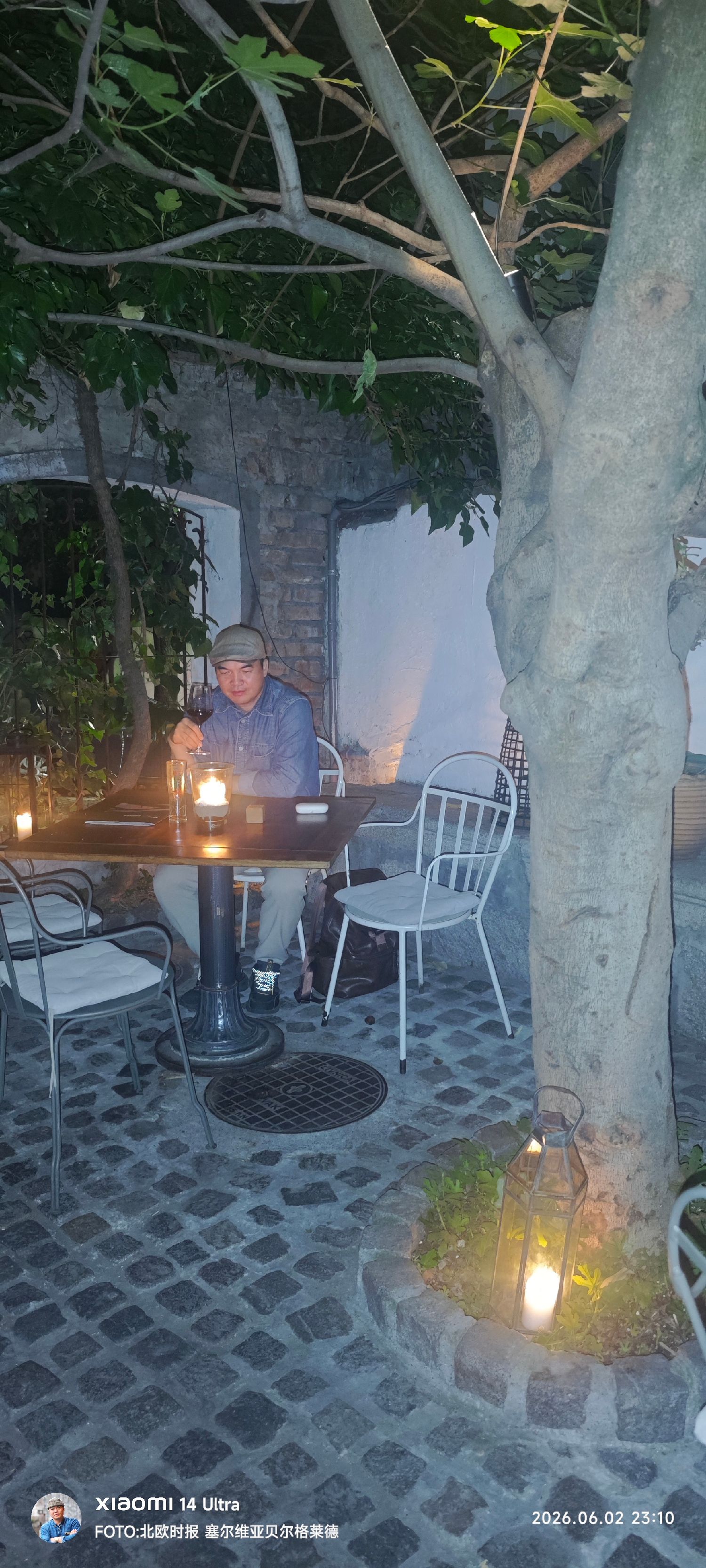
晚上,我独自走进一家名为Smokvica的餐厅。
无花果树下。
烛光轻轻摇曳。
周围坐满了当地人。
他们喝酒、聊天、大笑。
孩子们在树下奔跑。
那一刻,没有人谈论战争。
没有人谈论民族冲突。
没有人谈论历史恩怨。
经历过战争的人,似乎更懂得珍惜和平。
经历过苦难的城市,似乎更懂得享受当下。
站在卡莱梅格丹城堡俯瞰萨瓦河与多瑙河交汇处时,我一直在思考:
为什么历史总是在这里发生?
为什么蒙古骑兵来到这里?
为什么奥斯曼帝国争夺这里?
为什么奥匈帝国统治这里?
为什么两次世界大战都与这里有关?
答案其实很简单。
因为这里是欧洲的十字路口。
也是欧洲最重要的粮仓之一。
从匈牙利到塞尔维亚,一望无际的大平原令人震撼。
麦田、玉米地、向日葵一直延伸到天边。
与广西连绵起伏的十万大群山相比,这里更像一张被大自然铺开的绿色地毯。
我终于理解了为什么一千年前蒙古大军能够一路从亚洲杀到欧洲。
因为这里实在太适合骑兵驰骋了。
离开贝尔格莱德的那个清晨,发生了许多有趣的小插曲。
凌晨四点,我拖着背包走出酒店。
老城区并没有完全睡着。
一些酒吧里依然灯火通明。
街边依然有人喝酒聊天。
几个醉醺醺的年轻人看到一个东方人背着包匆匆赶路,都露出了惊讶的神情。
我冲他们竖起大拇指。
他们哈哈大笑。
那一刻,我忽然觉得,贝尔格莱德像一个永远不愿睡去的年轻人。
原本我计划步行1.5公里去体验一下社会主义公共汽车。
毕竟难得来到一个仍保留部分免费公共交通政策的城市。
但考虑到航班时间,最终还是叫了一辆出租车。
一路上,我一直与司机聊天。
因为前一晚聊了太多关于民族与历史的话题,于是我问他:
“你是什么民族?”
司机回答:
“塞尔维亚语。”
我愣了一下。
再次问:
“民族?”
司机依旧回答:
“塞尔维亚语。”
最后两个人都笑了。
也许对于一个凌晨赶机场的司机来说,民族问题远没有早餐重要。
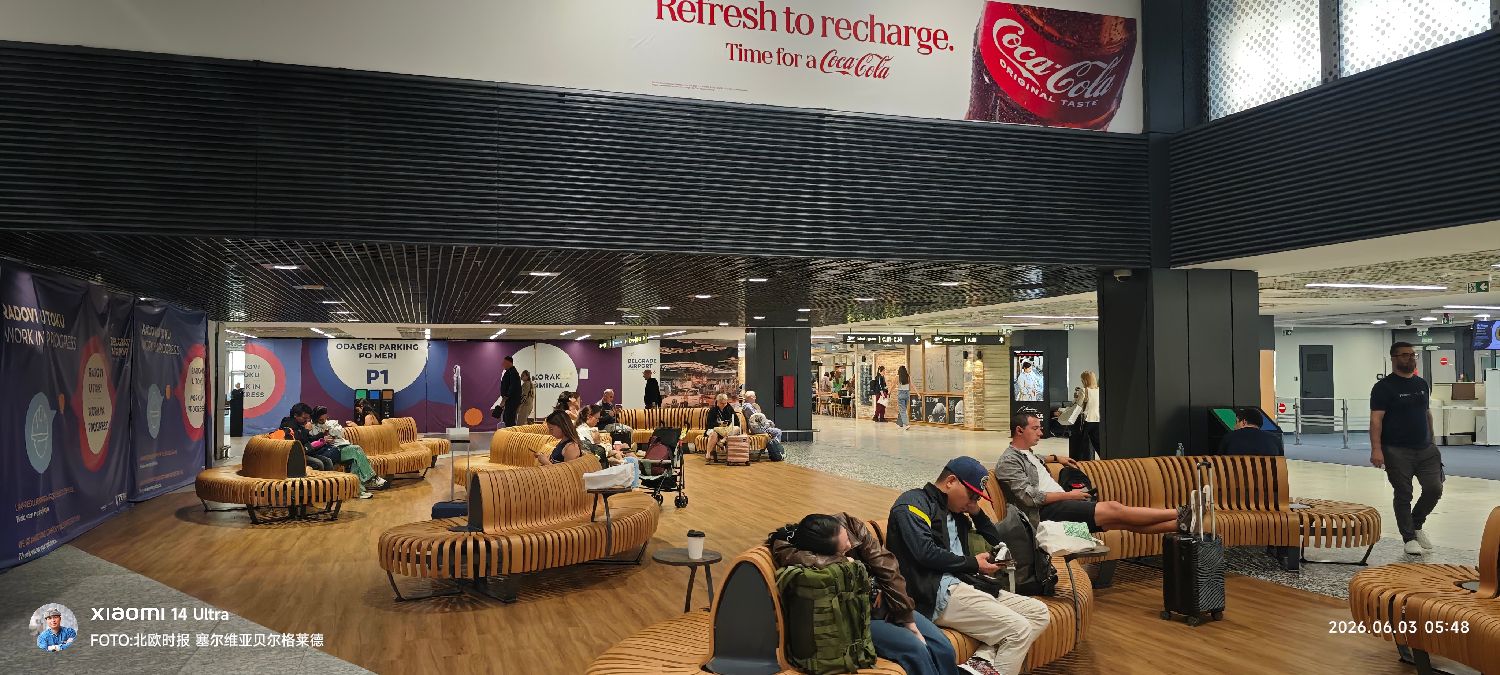
到了机场后,真正的冒险才开始。
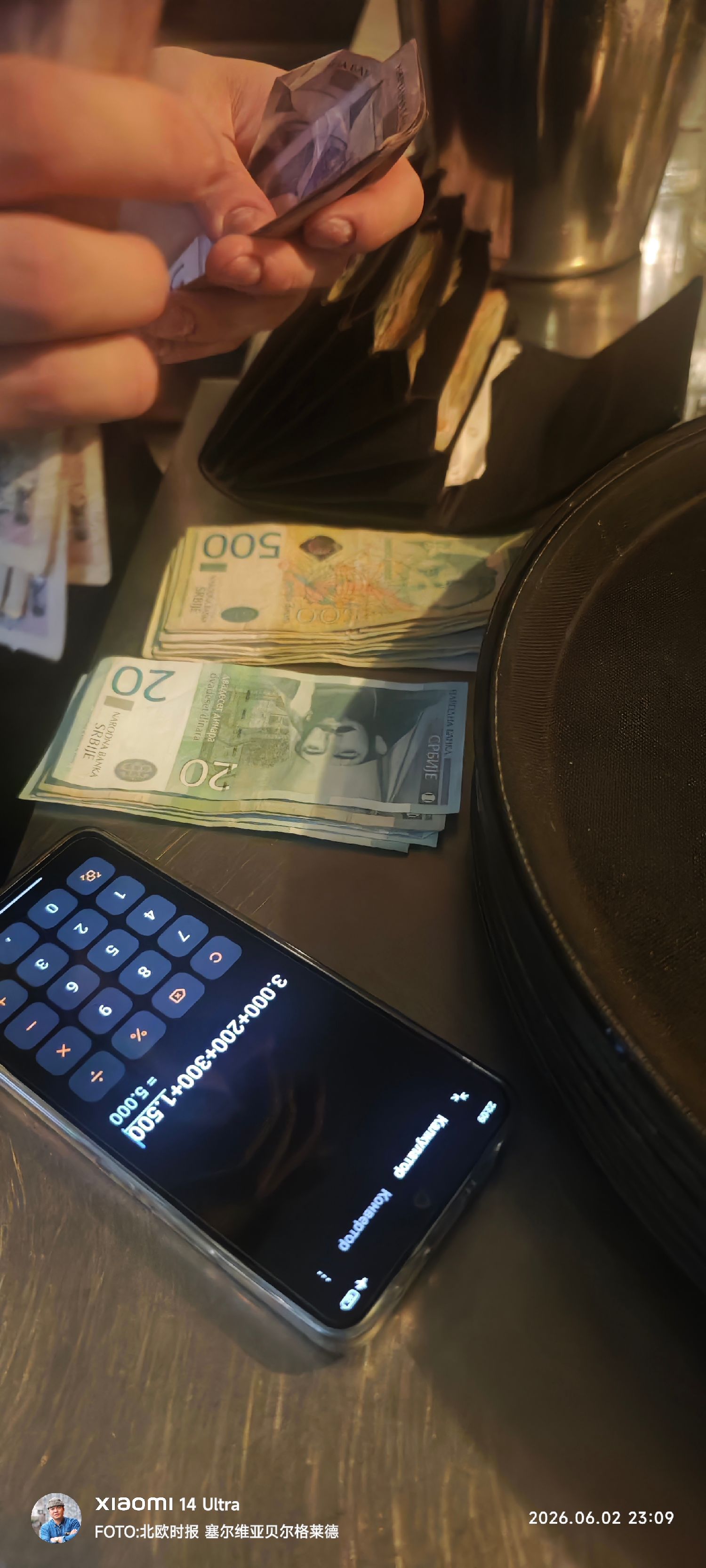
我突然发现,身上一张塞尔维亚现金都没有。
于是拖着背包在航站楼里四处寻找ATM机。
终于在1号航站楼找到一台。
取出2000塞尔维亚第纳尔。
然后又翻出135元人民币。
再翻出5港币。
最后甚至找到1美元。
几种货币拼凑在一起交给司机。
估计这是他职业生涯中最国际化的一次收款。
更让我感动的是。
司机始终站在原地等我。
没有离开。
没有催促。
只是安静地等待。
那一刻,我忽然觉得:
文明最珍贵的东西,也许不是民族、国家和历史。
而是人与人之间最朴素的信任。
然而贝尔格莱德送给我的最后一个笑话还没有结束。
机场安检人员对那件陪伴我走完四国的牛仔衣表现出了极大的兴趣。
他们翻来覆去地检查。
甚至还特意闻了闻。
仿佛里面藏着什么重要机密。
差一点,他们就准备让我脱下来进一步检查。
而当他们发现我里面根本没有穿内衣时,立刻摆手:
“不用了!不用了!”
世界和平。
甚至连陪伴我一路旅行的手表,也第一次被要求单独过安检。
这一刻,我忽然觉得,经过罗马军团、蒙古骑兵、奥斯曼帝国、奥匈帝国和南斯拉夫之后,如今终于轮到我的手表接受历史的考验了。
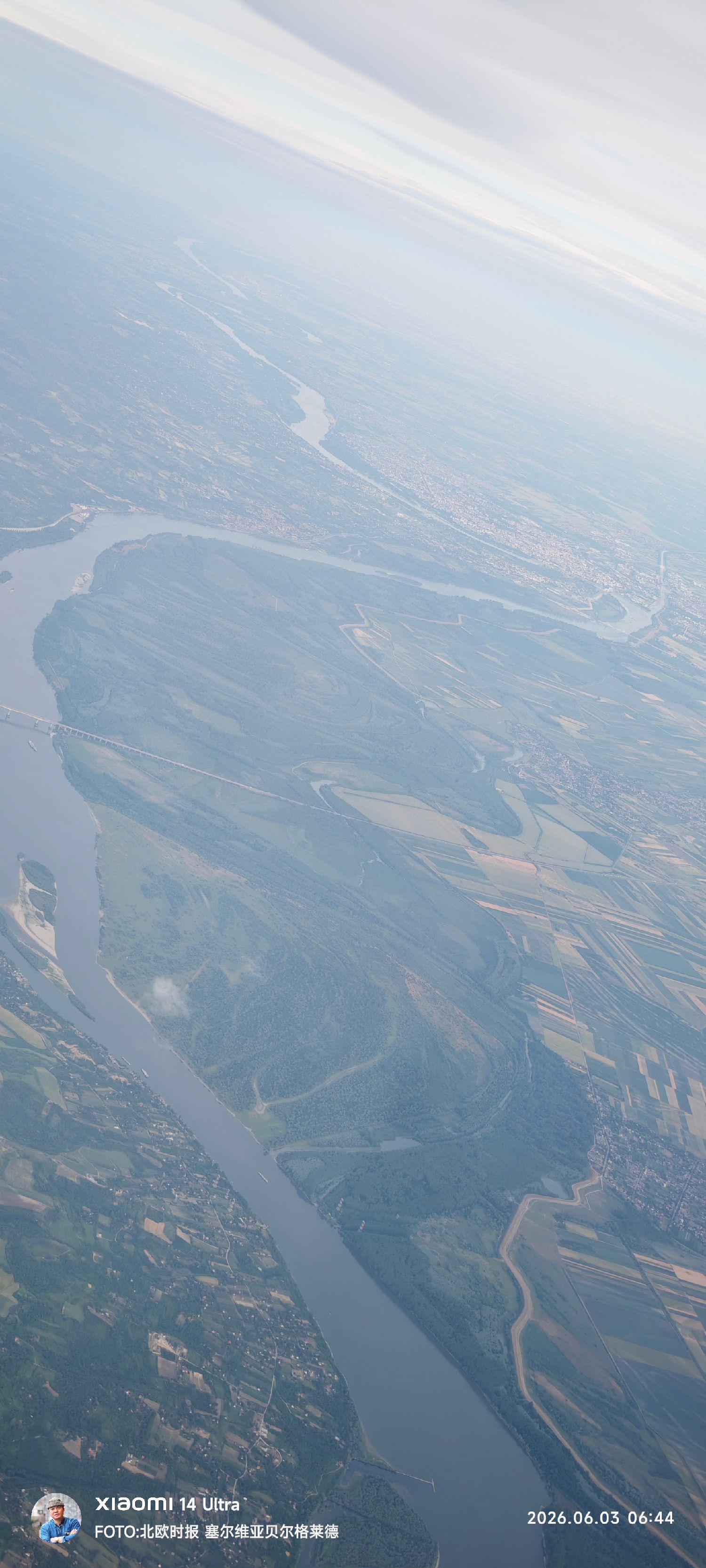
飞机缓缓升空。
晨曦中的多瑙河像一条银色丝带穿过大地。
两千年来。
罗马人来过。
蒙古人来过。
奥斯曼人来过。
奥匈帝国来过。
南斯拉夫来过。
今天的欧洲也在这里。
国家不断更替。
边界不断重画。
而河流始终向前。
忽然想起《道德经》中的一句话:
上善若水,水利万物而不争。
四天四国,不过是一场路过。
而真正留下来的,是多瑙河教给我的从容。
多瑙河没有护照。
却连接着整个欧洲。
而我,也只是这条河边匆匆路过的一个东方旅人。---
The Danube Has No Passport
An Eastern Wanderer’s Journey Through Four Countries in Four Days
By Robin He
At 3:30 in the morning,my alarm rang in Belgrade.
Outside,the city was still asleep beneath the darkness.
I had barely slept at all.
Not because of jet lag.
Not because of the early flight.
But because of history.
FromWalter Defends Sarajevoto the rise and fall of Yugoslavia,from the Mongol cavalry sweeping westward to the glory of the Austro-Hungarian Empire,from the First World War to today's Balkans—one night felt like traveling through a thousand years.
And now it was time to leave.
The journey itself had been simple.
One backpack.
One denim jacket.
No checked luggage.
Nowadays,baggage fees on many European airlines can cost almost as much as the ticket itself.
A few days later,white salt marks had appeared around the collar of my jacket—the traces left behind by dried sweat.
Strangely enough,they felt more meaningful than any souvenir.
In four days,I crossed four countries:
Hungary,Croatia,Slovakia,and Serbia.
Yet when I looked at the map,I realized something curious.
I had never really left the same place.
Because every stop was connected by the Danube.
In Budapest,the river divided Buda and Pest.
The Chain Bridge stretched across its waters.
The Parliament building glowed in golden light.
In Zagreb,I visited the Museum of Broken Relationships.
Rings,photographs,letters,wedding dresses—each object told a story of love and separation.
Standing there,I realized that nations and relationships often share the same fate.
Meeting.
Unity.
Conflict.
Separation.
Was Yugoslavia really so different?
In Bratislava,the ancient castle overlooked the Danube.
Borders changed.
Governments changed.
The river remained indifferent.
That was when I understood:
Borders are drawn by humans.
Rivers are drawn by nature.
Arriving in Belgrade,I encountered something unexpected.
Along the road from the airport,I saw Chinese signs everywhere:
Traditional Chinese medicine clinics.
Chinese restaurants.
Auto repair shops.
Residence permit services.
Even a place called“Siheyuan.”
For a moment,it felt strangely familiar.
That evening,I sat beneath fig trees at a restaurant called Smokvica.
Families laughed.
Children played.
Friends raised their glasses.
No one was talking about war.
No one was discussing ethnic conflict.
No one seemed interested in historical grievances.
People who have experienced hardship often understand peace better than anyone else.
Standing above the confluence of the Sava and Danube rivers,I kept asking myself:
Why has history repeatedly unfolded here?
Why did the Mongols come?
Why did the Ottomans fight for this land?
Why did the Austro-Hungarians rule it?
Why did two world wars touch these shores?
The answer seemed simple.
Because this is Europe’s crossroads.
And one of its greatest breadbaskets.
The endless plains stretching across Hungary and Serbia explained everything.
Wheat fields.
Corn fields.
Sunflowers.
A horizon without end.
Perfect land for empires.
Perfect land for cavalry.
Perfect land for history.
My final morning in Belgrade brought the most memorable stories.
At4:00a.m.,I left my hotel with my backpack.
The old city was still awake.
Bars were open.
People were drinking.
Groups of young men stared at the sight of an Asian traveler hurrying through the streets before dawn.
I gave them a thumbs-up.
They laughed.
Belgrade felt like a city that simply refused to sleep.
I had planned to walk1.5kilometers to experience the city's free public bus service one last time.
But with an early flight ahead,I eventually took a taxi instead.
During the ride,I asked the driver about ethnicity.
After all,I had spent the entire previous night thinking about Balkan history.
“What ethnicity are you?”I asked.
“Serbian language,”he replied.
I asked again.
“Ethnicity?”
“Serbian language.”
We both laughed.
At the airport,the real adventure began.
I suddenly realized I had no Serbian cash.
I searched the terminal for an ATM.
Eventually I found one.
I withdrew2,000Serbian dinars.
Then added135Chinese yuan.
Five Hong Kong dollars.
And finally one U.S.dollar.
Perhaps it was the most international taxi payment the driver had ever received.
What impressed me most was that he waited.
Patiently.
Without complaint.
Without pressure.
That simple act reminded me that trust may be the most valuable achievement of civilization.
Not nationality.
Not politics.
Not history.
Trust.
Then came airport security.
The officers became unusually interested in my denim jacket.
They inspected it repeatedly.
One even smelled it.
As if it contained the secrets of the former Yugoslavia.
For a moment,it seemed they wanted me to take it off.
But when they realized I wasn't wearing an undershirt beneath it,they quickly waved me on.
Peace was restored.
Even my wristwatch was singled out for separate screening.
After all the empires that had passed through these lands,it was now my watch's turn to face inspection.
As the plane climbed into the morning sky,I looked down one last time.
The Danube stretched across the earth like a silver ribbon.
Romans came.
Mongols came.
Ottomans came.
The Austro-Hungarians came.
Yugoslavia came and went.
Modern Europe arrived.
Borders changed.
Empires disappeared.
The river kept flowing.
I remembered a line from theTao Te Ching:
“The highest good is like water.Water benefits all things and does not compete.”
Four countries in four days were merely a passing moment.
What remained was the lesson the Danube had taught me.
The Danube has no passport.
Yet it connects an entire continent.
And I was merely an Eastern traveler passing briefly along its shores.
