十五年后,宁波补上《星空》的一块拼图
——徐娇返乡参加长三角国际青年电影周映后交流,重温成长中的孤独与告别
北欧时报 宁波报道|2026年10月18日
记者罗宾汉 常闵杰
银幕里,一块遗失的拼图牵动着少女的告别;银幕外,一场迟到了十五年的相聚,终于在宁波发生。
10月17日下午,2026长三角国际青年电影周“长三角影人圈”单元在寰映影城(宁波阪急店)展映2011年上映的电影《星空》。宁波籍演员徐娇现身映后交流,与家乡观众共同回望这部陪伴自己成长的作品。
十五年过去,当年银幕上的少女已经长大,而电影关于亲情、孤独与遗憾的追问,仍然触动着今天的观众。
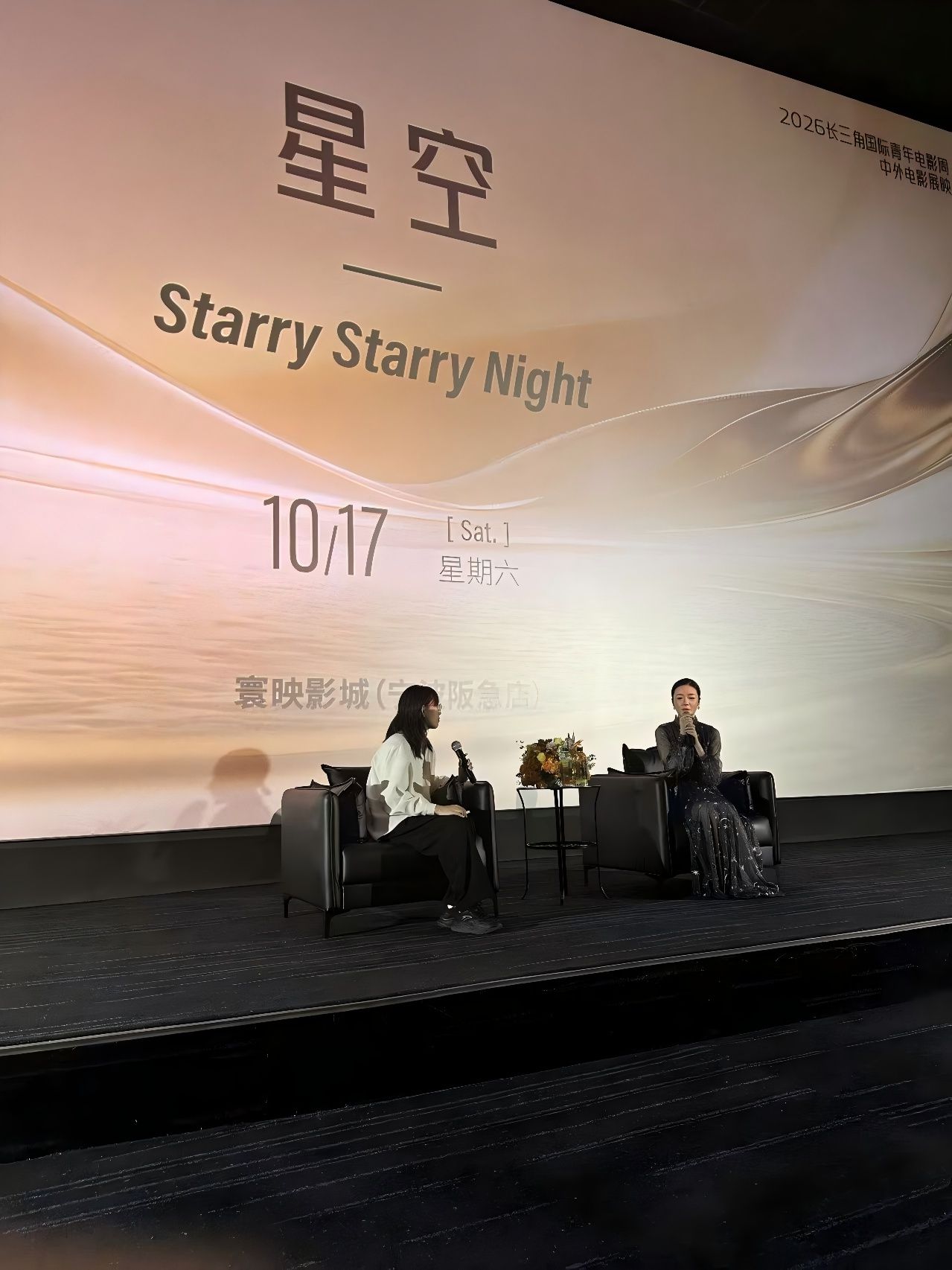
徐娇在《星空》映后交流现场与观众分享拍摄往事。/北欧时报常闵杰 图
Xu Jiao and the moderator speak with the audience after the screening of Starry Starry Night.Photo:Nordic Chinese Times
一场迟到了十五年的家乡相聚
对徐娇而言,此次展映有着特殊意义。她在交流中谈到,电影当年上映时未能回到宁波路演,一直是件遗憾的事。如今借电影周重返故乡,与家乡观众共同重温《星空》,终于弥补了当年的缺憾。
回忆拍摄经历,徐娇谈到,为贴近角色,她曾提前体验台湾当地的初中生活,并接受口音指导。导演的亲笔鼓励信、融洽的剧组氛围,也让她记忆犹新。她表示,片中敏感内向的小美与自己有许多相似之处,表演中也融入了不少真实情感。
谈及小杰究竟是真实存在,还是小美想象中的人物,徐娇更愿意相信他是真实的。她还透露,影片曾拍摄过重逢与不重逢两种结局,最终选择了更具童话色彩的版本。
电影里的遗憾与现实中的重逢,就这样在十五年后的宁波形成了微妙的呼应。
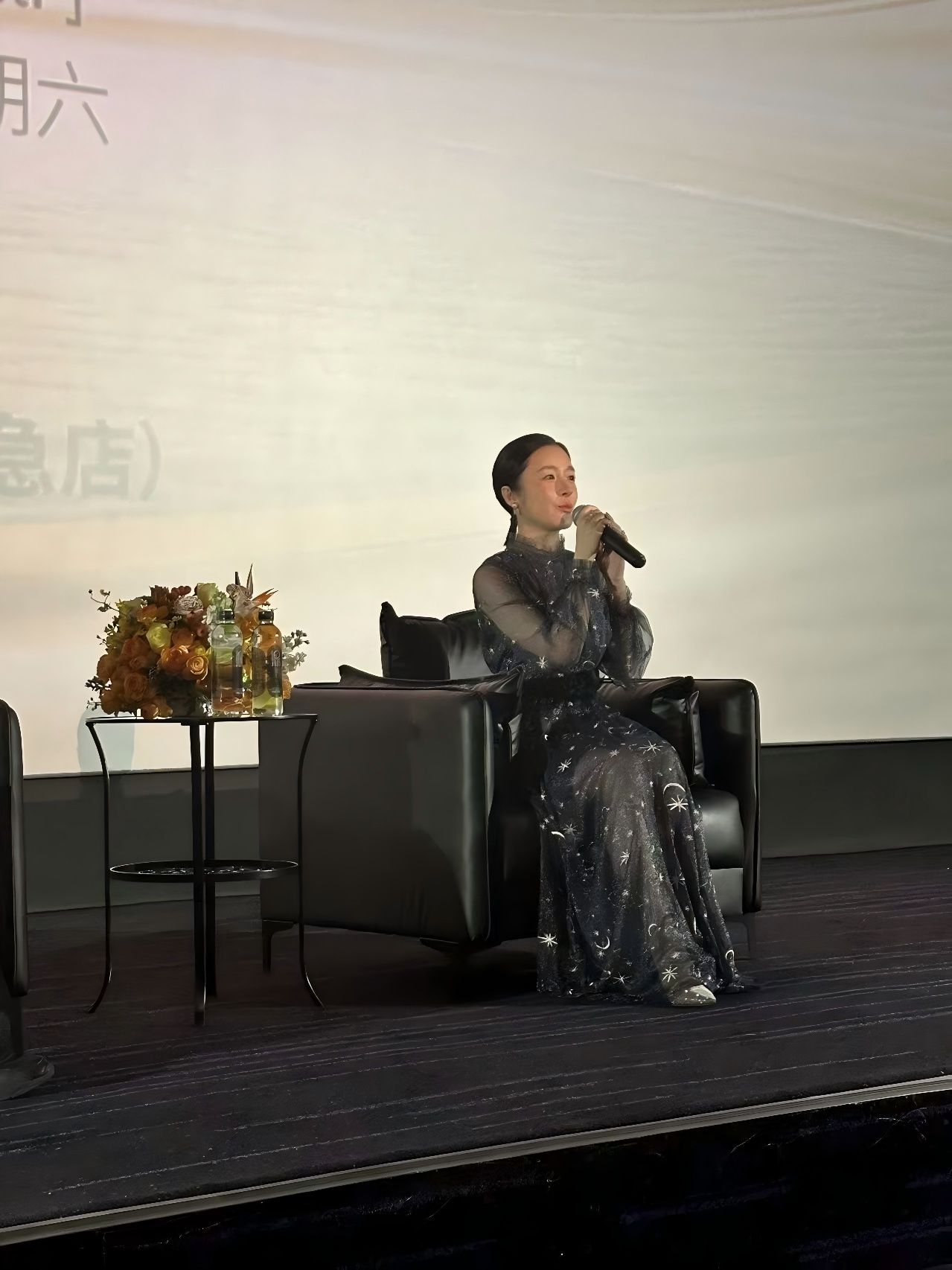
徐娇回忆《星空》拍摄经历。/北欧时报常闵杰图
Exterior of Ningbo Hankyu,home to the cinema where the screening took place.Photo:Nordic Chinese Times
一块拼图,如何告别一个世界
《星空》改编自台湾绘本作家几米的同名作品,由林书宇执导。影片以充满想象力的视觉语言,讲述两个少年在家庭变故与成长困惑中相互陪伴的故事。
影片最动人的一幕,或许不是漫天繁星,而是一块怎么也找不到的拼图。
爷爷离世后,小美拒绝以成年人熟悉的方式告别。比起参加葬礼,她更希望拼好那幅星空拼图,为爷爷送行。然而,拼图缺少了最重要的一块。想到爷爷尚未完成的三脚大象木雕,少女积压的悲伤终于爆发。
成年人用仪式告别逝者,孩子却可能将思念寄托于一件未完成的物品。
电影没有急于解释或消解这份悲伤,而是将理解的时间留给孩子。后来,小美和小杰终于找到木雕缺失的象腿,小杰的离去却又留下新的遗憾。他赠予小美的拼图碎片,则成为多年后两人重逢的情感线索。
失去与获得、告别与重逢,在这些细小的物件中悄然交织。
从宁波到北欧,成长的孤独无需翻译
本报此前的电影周前瞻报道,曾从瑞典导演英格玛·伯格曼谈到宁波电影帮,思考电影如何跨越地域与文化。而《星空》提供了一个更细微的观察角度:当家庭关系发生变化,孩子如何理解成人世界,又如何安放自己的情绪?
伯格曼的《芬妮与亚历山大》同样借助儿童视角,呈现亲人离世、家庭变故,以及孩子在想象与现实之间的挣扎。两部作品风格迥异,却都没有把儿童仅仅当作成人故事的陪衬。
在挪威,儿童表达自身意见、参与涉及自身事务的决定,受到法律与公共政策的重视。而在电影中,理解一个孩子,有时恰恰始于承认:他们的悲伤可能不同于成年人,却同样真实。
从宁波、台北到斯德哥尔摩、奥斯陆,成长的困惑或许有不同的文化表达,却有相通的情感底色。
十五年后重看《星空》,尤其令人感慨的,是影片愿意耐心注视少年的沉默与脆弱。在节奏日益加快的今天,这样不急于给出答案的叙事,仍有值得重新发现的价值。
十五年后,时间给出另一种答案
映后交流中,徐娇还谈及自己的海外求学经历。她希望通过留学获得更多选择人生道路的主动权,也享受在海外相对不受关注的生活环境。
从当年敏感内向的银幕少女,到如今能够从容谈论人生选择的演员,十五年的时间,让电影与现实形成了另一重对照。
电影里的小美在冒险中寻找自己的方向;现实中的徐娇,也在成长、求学与不同角色之间,继续探索人生的可能。
而当年未能在宁波完成的路演,终于在这个秋日有了回响。
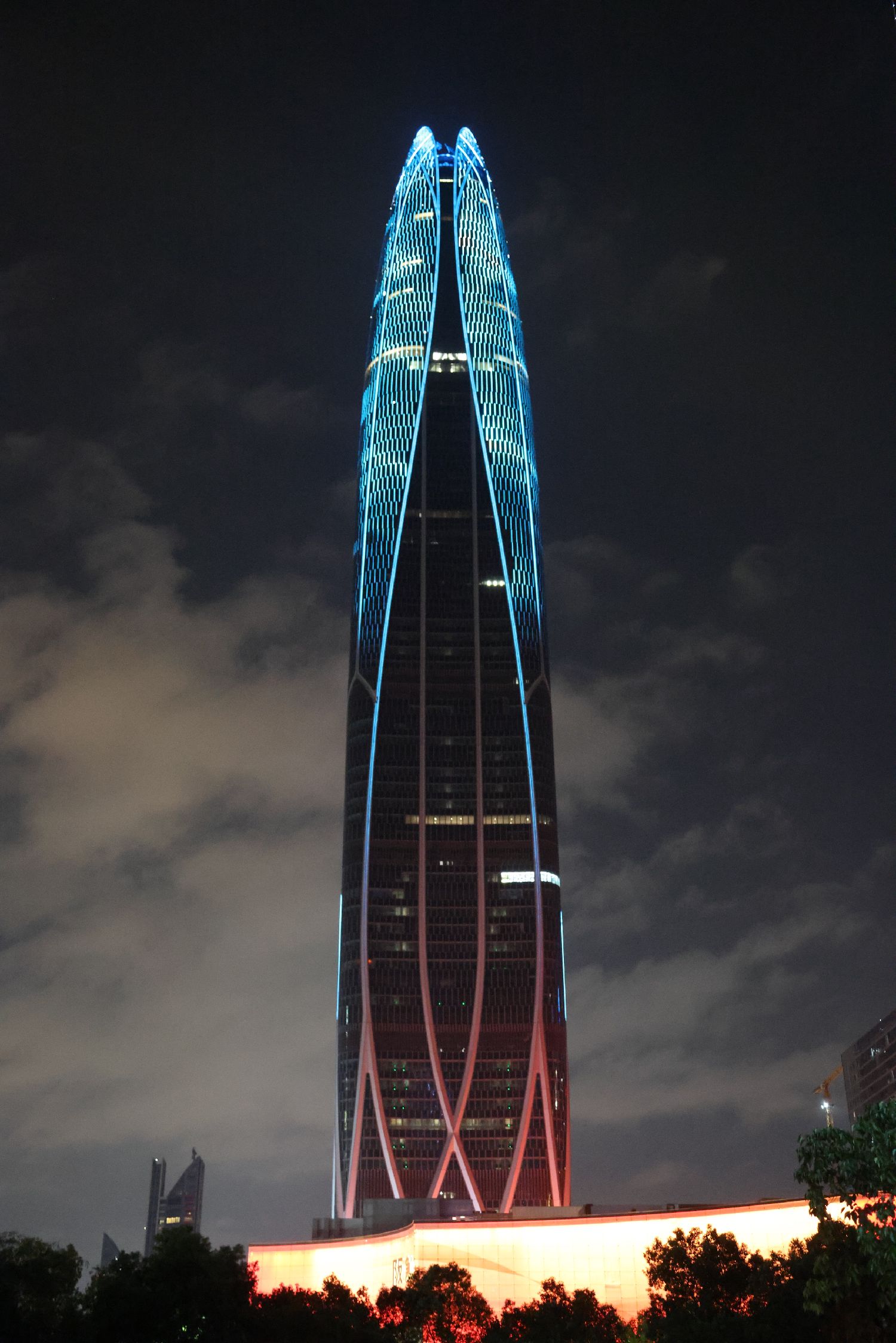
图注:展映影厅外景/北欧时报
走出影厅,宁波的阳光依然明亮。影片中的爷爷不会归来,少年时代也无法重过;即使在童话般的结局里,所有遗憾也未必能够真正消失。
但时间可以改变人们理解遗憾的方式。
十五年前,一块缺失的拼图,让少女第一次体会到失去的重量。十五年后,当《星空》再次亮起,银幕外的人们或许也能从中找到属于自己的答案。
有些缺口未必能够填满,但人终究要学着带着它,继续长大。
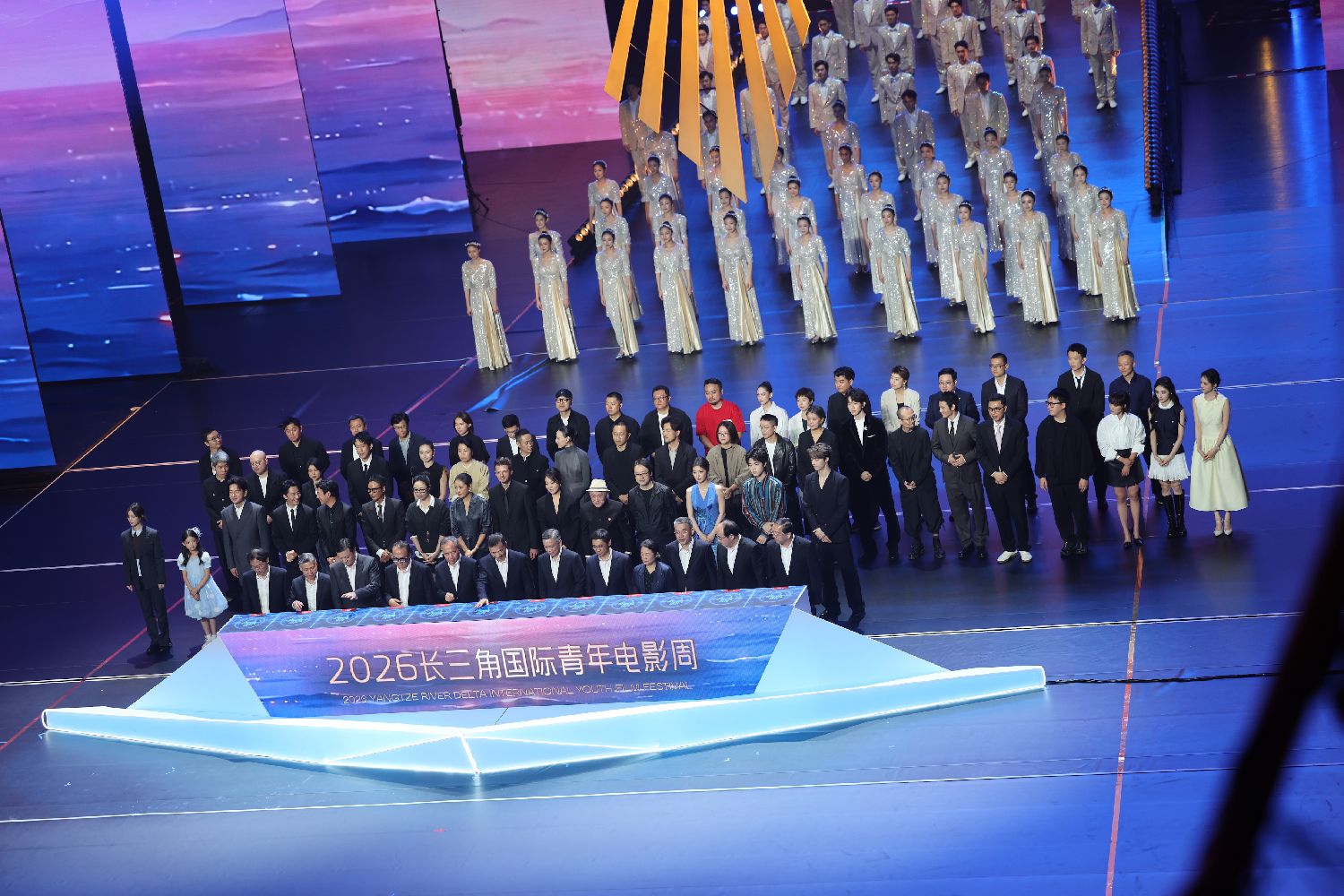
活动官方合照/北欧时报图
Fifteen Years On, a Missing Piece of Starry Starry Night Falls into Place in Ningbo
Xu Jiao returns home for a film-week screening, revisiting childhood loneliness, loss and the art of saying goodbye
Nordic Chinese Times | Ningbo | October 17, 2026
On screen, a missing piece of a jigsaw puzzle becomes part of a young girl’s farewell. Off screen, a reunion fifteen years in the making finally took place in Ningbo.
On the afternoon of October 17, the 2026 Yangtze River Delta International Youth Film Week screened the 2011 film Starry Starry Night at HOYTS Cinema in Ningbo Hankyu, as part of its “Yangtze River Delta Filmmakers” showcase. Ningbo-born actress Xu Jiao joined a post-screening discussion, revisiting the film with audiences in her hometown.
Fifteen years later, the girl who once appeared on screen has grown up. Yet the film’s questions about family, loneliness and regret continue to resonate.
A Homecoming Fifteen Years in the Making
For Xu, the screening held particular significance. She recalled that when Starry Starry Night was first released, she had not been able to return to Ningbo for a promotional appearance—a lingering regret. Meeting local audiences at this year’s film week offered a belated chance to make up for it.
Looking back on the production, Xu said she had attended classes at a local junior high school in Taiwan and received dialect coaching to prepare for the role. She also remembered the director’s handwritten letter of encouragement and the warmth of the crew. Mei, the sensitive, introverted girl she played, had much in common with her younger self, she said, allowing personal feelings to find their way into the performance.
Asked whether Jay, the boy in the story, was real or a figure of Mei’s imagination, Xu said she preferred to believe he was real. She also revealed that two endings—one in which the pair reunite and another in which they do not—had been filmed before the more fairy-tale-like conclusion was chosen.
In Ningbo, the film’s imagined reunion and the actress’s real-life homecoming seemed to answer one another across fifteen years.
A Missing Puzzle Piece, and the Difficulty of Saying Goodbye
Directed by Tom Lin Shu-yu and adapted from a picture book by Taiwanese author and illustrator Jimmy Liao, Starry Starry Night follows two young people who find companionship amid family upheaval and the uncertainties of growing up.
One of its most moving images is not the star-filled sky, but a single piece missing from a jigsaw puzzle.
After her grandfather dies, Mei refuses to say goodbye in the way the adults around her expect. Rather than attend his funeral, she wants to finish a starry-night puzzle as her own farewell. But a crucial piece is missing. The unfinished puzzle recalls a wooden elephant her grandfather had made for her, still lacking its fourth leg, and her grief finally spills over.
Adults may turn to ceremonies to mark a death. For a child, an unfinished object can hold the weight of an entire world that has been lost.
The film does not rush to explain away Mei’s sorrow. Instead, it gives her time to experience it on her own terms. Later, Mei and Jay find the missing leg of the wooden elephant at her grandfather’s home, only for Jay’s departure to bring a different kind of loss. The puzzle piece he leaves behind becomes a thread connecting them to a reunion years later.
Loss and discovery, farewell and reunion, are quietly woven together through these ordinary objects.
From Ningbo to the Nordics: The Loneliness of Growing Up Needs No Translation
In its earlier preview of the film week, Nordic Chinese Times drew a connection between Swedish filmmaker Ingmar Bergman and Ningbo’s filmmaking heritage, exploring cinema as a language that can cross cultural borders. Starry Starry Night offers a more intimate way of asking a related question: when a family changes, how does a child make sense of the adult world and find room for difficult emotions?
Bergman’s Fanny and Alexander likewise looks through a child’s eyes at bereavement, family upheaval and the shifting boundary between imagination and reality. The two films differ greatly in style and setting, but both treat children as people with inner lives of their own, rather than merely supporting characters in adults’ stories.
In Norway, children’s right to express their views and be heard in decisions affecting them is recognized in law and public policy. On screen, understanding a child may begin with a similarly simple recognition: grief may look different in a child, but it is no less real.
From Ningbo and Taipei to Stockholm and Oslo, the language of growing up may change from place to place, but its emotional undercurrents remain familiar.
Watching Starry Starry Night again after fifteen years is a reminder of the film’s patience with adolescent silence and vulnerability. In an age of ever-faster rhythms and instant answers, that patience still feels worth rediscovering.
Fifteen Years Later, Time Offers Another Answer
During the discussion, Xu also reflected on studying abroad. She said the experience had given her greater freedom to choose her own path and that she appreciated the relative anonymity of life overseas.
The contrast is striking: the once-introverted girl on screen has become an actress able to speak openly about her choices. While Mei searches for direction through an adventure, Xu continues to find her own through growing up, education and new roles.
And the promotional visit to Ningbo that did not happen fifteen years ago has finally found its moment.
Outside the cinema, the Ningbo sun was still bright. Mei’s grandfather would not return, and childhood could not be lived a second time. Even a fairy-tale ending cannot erase every loss.
But time can change how regret is understood.
Fifteen years ago, a missing puzzle piece forced a young girl to confront the weight of loss. As Starry Starry Night returns to the screen, viewers may find new meaning in the gaps left by their own experience.
Not every missing piece can be recovered. Growing up sometimes means learning how to carry on without it.
