北欧时报|从斯德哥尔摩到宁波:瑞典影视文化人期待更多中国电影走进北欧
——从《给阿嬷的情书》谈到中瑞合作:电影是共同语言,AI不应令人畏惧
《北欧时报》宁波10月17日电记者罗宾汉、常闵杰图文报道

电影是各国共享的语言
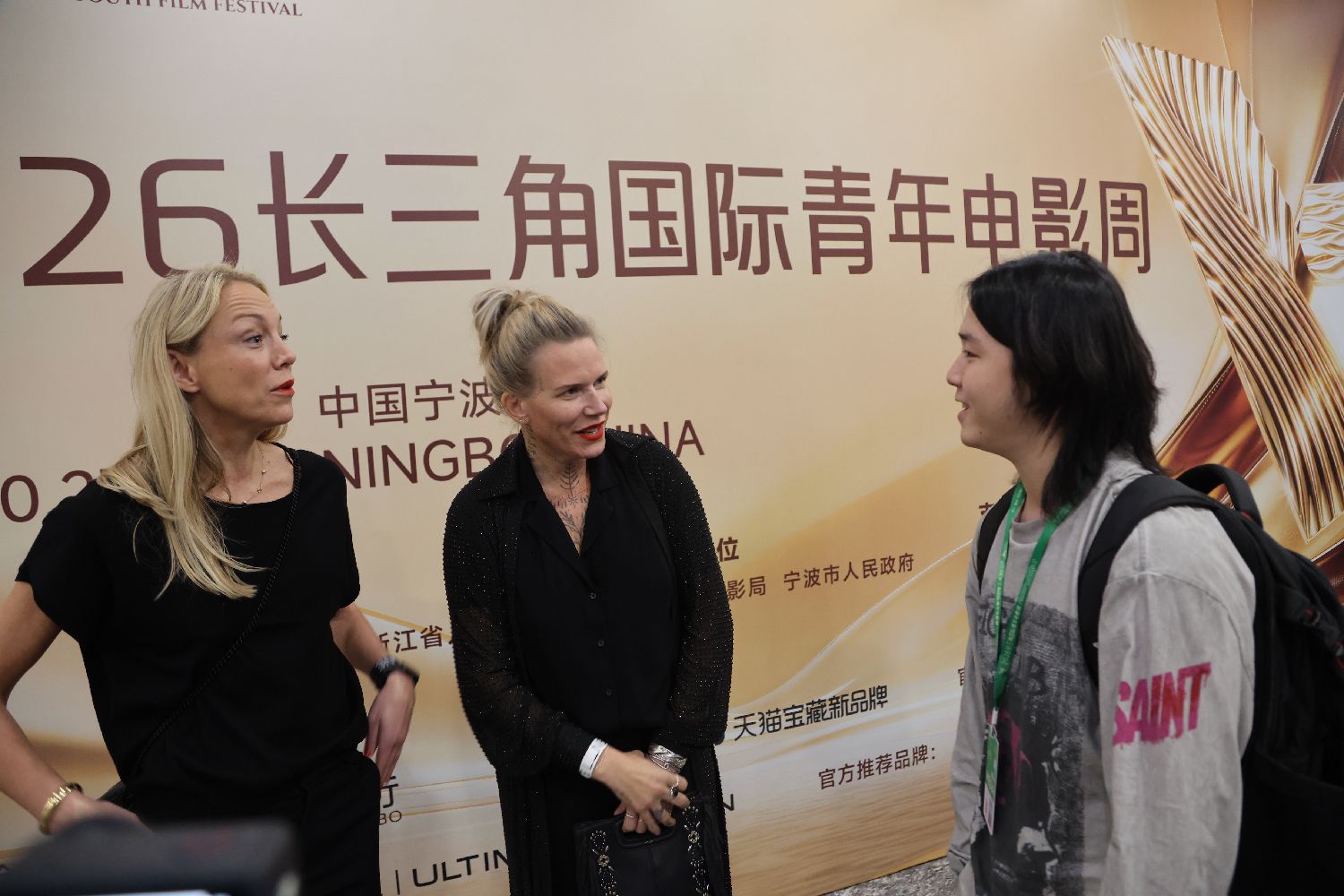
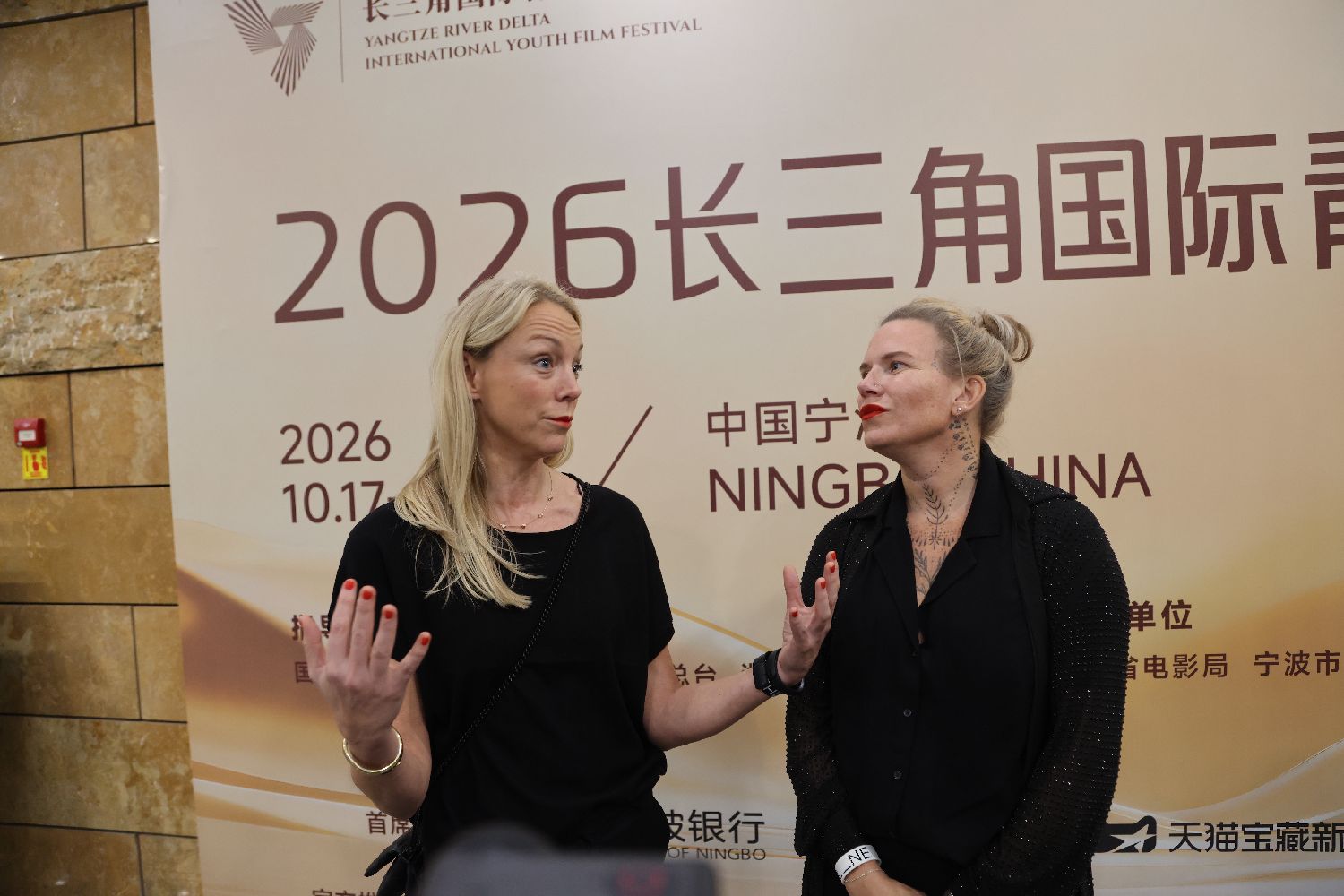
十月的宁波,来自不同国家的电影人与文化人士因光影相聚。《北欧时报》记者在电影周现场与来自瑞典的文化界人士不期而遇,一场轻松的交谈很快转向中瑞电影合作的未来。
“我们之间有太多事情可以共同去做。”受访者谈到,瑞典驻华使馆积极开展文化交流,也是他们来到中国参与相关活动的原因之一。
他们形容电影是一种“属于所有国家的民主性语言”:不同文化可以借助银幕彼此看见、彼此理解。

《给阿嬷的情书》带来的追问
采访中,瑞典受访者特别提到中国影片《给阿嬷的情书》,对作品给予积极评价,并表示据其了解,这部电影尚未在瑞典获得发行。
这一观察让我突然想起,前一阵子在瑞典开始放映,不少瑞典观众和华人华侨反响热烈。
一部好电影如何走出本土?字幕、宣传、发行渠道、艺术影院与电影节网络,都是决定作品能否抵达海外观众的重要环节。受访者的惊喜,恰恰说明还有更多中国故事值得被北欧看见。
来宁波,就是为了建立联系
受访者坦言,自己认识的中国电影界人士还不算多。但这正是参加国际电影活动的意义:通过一场放映、一次交谈或一张合影,让原本陌生的同行找到共同语言。
这种开放态度与现场另一组瑞典制作团队寻找中国合作伙伴的愿望形成呼应。交流并不等于签约,但一次真实的相遇,往往是合作的起点。
AI时代,不必害怕未来
北欧时报记者还问及人工智能进入电影行业的影响。受访者的回答直接而务实:“我们无法阻止它。”与其害怕技术,不如探索如何把AI与真人实拍相结合,发挥两种方法各自的优势。
“我们不应该害怕未来。”这句话为采访画下意味深长的句号。电影从胶片走向数字,从传统特效走向人工智能,形式不断变化;而人类的情感、想象力和判断力,仍应是创作的核心。
万里相逢,光影相知
采访结束,大家欣然合影。当记者说起自己的英文署名“Robin Hood”,现场响起笑声。地理上的距离没有消失,但共同的电影兴趣让交流变得自然亲切。
宁波与斯德哥尔摩相隔万里。电影让不同语言的人坐在同一块银幕前,也让不同文化的创作者有机会并肩讲述新的故事。文明因交流而多彩,光影因相遇而精彩。
NORDIC PERSPECTIVE|From Stockholm to Ningbo:Bringing More Chinese Films to Nordic Audiences
—A conversation about Letters to Grandma,cultural exchange and AI in filmmaking
NORDIC CHINESE TIMES|Ningbo,17October2026|By Robin Ho、Chang Minjie
Cinema as a shared language
At the2026Yangtze River Delta International Youth Film Week in Ningbo,Nordic Chinese Times met cultural professionals from Sweden.A spontaneous conversation soon turned to opportunities for Swedish-Chinese film cooperation.
“There is so much we can do together,”one guest said.The interviewees acknowledged the Swedish Embassy’s cultural work in China and described cinema as“a democratic language for all countries”—a means of seeing and understanding lives beyond national borders.
A Chinese film that deserves a wider audience
The visitors singled out the Chinese film《给阿嬷的情书》and spoke warmly of it.They said that,to their knowledge,the film had not secured distribution in Sweden.This is an interviewee’s observation,not an independently verified distribution record.
The film’s official English release title remains to be confirmed;its Chinese title is therefore retained here.Their reaction raises a broader question:how can more Chinese stories reach Nordic audiences through subtitles,distributors,festivals and independent cinemas?
Why come to Ningbo?
The guests acknowledged that they did not yet know many people in the Chinese film community.Meeting new colleagues was precisely part of the attraction of coming to Ningbo.
International cooperation may begin with something modest:a screening,a conversation,or an introduction between filmmakers.Interest is not yet a formal agreement,but meaningful relationships can start this way.

AI and the future of filmmaking
Asked about artificial intelligence,an interviewee replied that the industry could not stop its arrival.Instead,filmmakers should explore combining AI with live-action production to make the best of both approaches.
“We shouldn’t be afraid of the future,”the guest said.As technology transforms cinema,the challenge is to embrace new tools without losing human feeling,imagination and creative judgement.
Across distance,a shared story
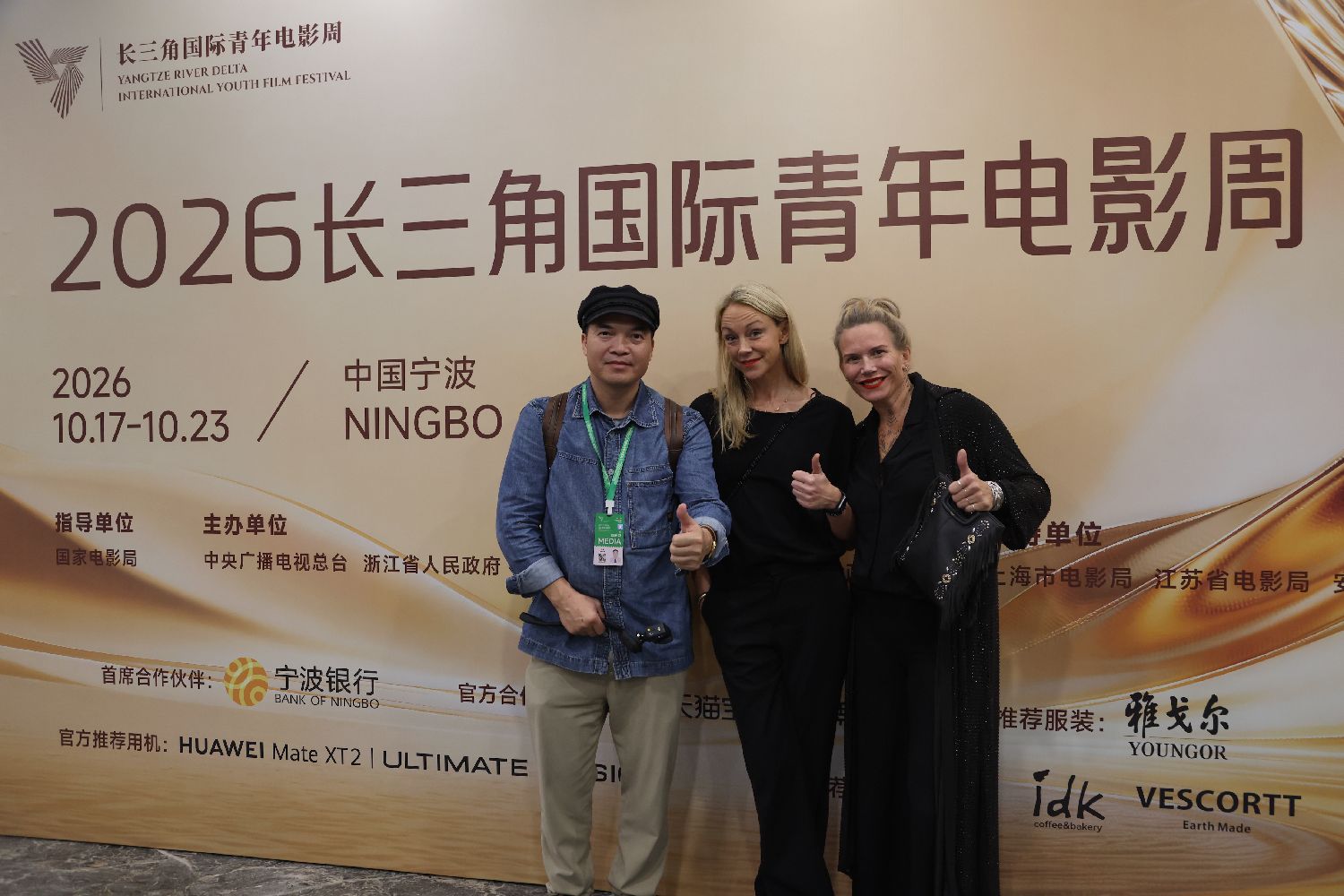
The interview ended with photographs and laughter when the journalist introduced his English byline,“Robin Hood.”For a moment,Stockholm and Ningbo felt much closer.
Cinema cannot erase the distance between countries,but it can make understanding possible.More Chinese films reaching Nordic viewers—and more Nordic creators meeting Chinese partners—would be a meaningful next chapter.
