北欧看两会:风雪之外,中国政治的春天
北欧时报 图
当北欧的湖面仍覆着残冰,森林与天空在冬末的光线中渐渐苏醒,北京人民大会堂里,一年一度的中国政治季节再次开启。
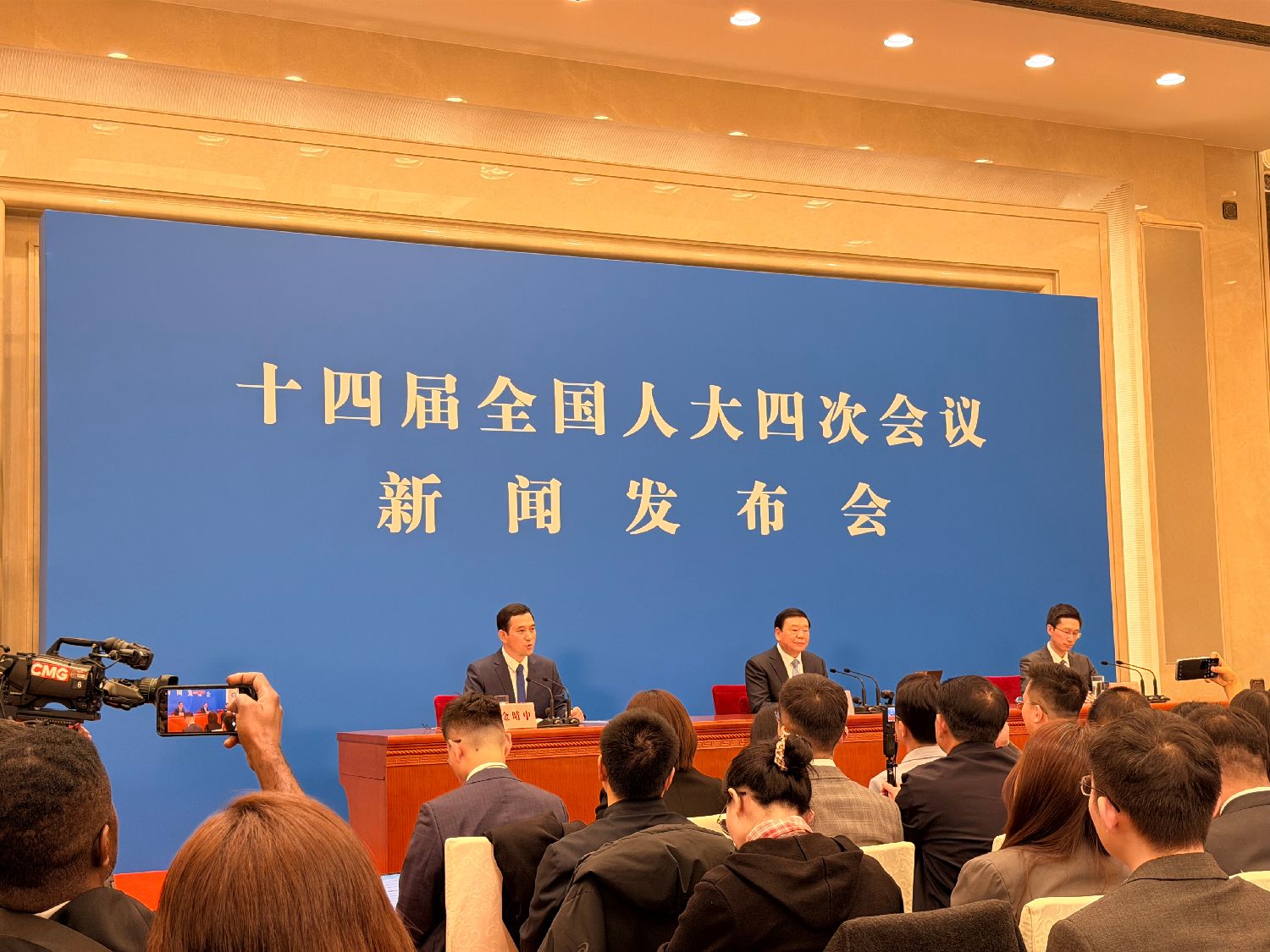
3月4日,十四届全国人大四次会议新闻发布会在人民大会堂举行。大会发言人娄勤俭介绍,本次大会将于3月5日开幕、3月12日闭幕,会期八天,期间安排三次全体会议、三场记者会,以及三场“代表通道”和“部长通道”。
这是中国政治生活中最重要的年度节点之一。
如果从北欧的视角来看,这场会议不仅是一场国内政治议程,更是观察中国国家治理逻辑、发展路径以及全球角色的重要窗口。
一、规划国家未来:中国式治理的长期主义
发布会上最引人关注的,是“十五五”规划纲要草案即将提交大会审议。
在西方政治体系中,政策周期往往与选举周期高度重合,四年或五年的政治节奏往往决定国家战略的方向。而中国的五年规划体系,则体现出一种更长周期的国家治理逻辑。
从“十四五”到即将开启的“十五五”,中国的发展规划不仅仅是经济指标,更是国家战略蓝图。
规划中涉及产业结构升级、绿色转型、科技创新以及人口结构变化等关键议题,而此次大会还将审议《国家发展规划法》草案,以法律形式固定规划制度。
这意味着,中国的规划体系正在从政策工具逐步上升为制度性国家能力。
在一个充满不确定性的世界里,这种长期主义的治理方式,成为中国发展稳定的重要制度基础。
二、民生与消费:中国经济的新重心
此次发布会传递出的另一个重要信号,是“扩大内需”的战略定位。
中国将继续把扩大内需作为经济发展的战略基点,大力提振消费,建设统一大市场。
与此相配套的,是一系列民生立法安排:
这些法律的出台,意味着中国社会保障体系正从政策层面逐步走向法治化与制度化。
在北欧社会,人们熟悉的是高福利社会的制度结构——完善的社会保障体系与强大的公共服务。
而中国正在探索一条不同路径:在快速发展的经济体系中,通过立法逐步完善社会保障与公共服务体系,使人民“能消费、敢消费、愿消费”。
从全球经济结构来看,这种消费驱动型转型,将深刻影响世界经济格局。
三、绿色法典:中国生态治理进入法典时代
发布会还透露一个重要立法进展:生态环境法典正在编纂。
这是中国第二部以“法典”命名的法律。
生态治理从分散立法走向系统法典,意味着中国正在建立一套更加完整的环境治理体系。
在欧洲,环境治理长期被视为制度文明的重要标志。
而今天,中国也正在通过法律体系重构,推动经济向绿色化、低碳化转型。
对于长期关注气候议题的北欧国家来说,这一进展无疑具有全球意义。
因为在气候变化问题上,没有中国的参与,就没有真正的全球解决方案。
四、民营经济:中国经济活力的关键
发布会上另一个重要信号,是对民营经济的明确表态。
娄勤俭强调:
“促进民营经济发展的基本方针政策不能变,也不会变。”
这一表述具有稳定市场预期的重要意义。
中国的民营经济贡献了:
正在制定的《民营经济促进法》,将成为中国民营经济发展的基础性法律。
这不仅关乎企业信心,也关乎中国经济未来的创新动力。
在全球产业竞争日益激烈的背景下,民营经济仍然是中国最具活力的力量。
五、中欧关系:北欧视角下的合作逻辑
发布会上还有一个值得欧洲特别关注的信息:
“欧洲需要中国,中国也需要欧洲。”
在当前国际格局中,中欧关系正处于复杂而微妙的阶段。
一方面,地缘政治紧张正在影响欧洲的战略选择;另一方面,经济现实又不断提醒欧洲,中国仍然是最重要的合作伙伴之一。
从北欧国家的角度来看,这一点尤为明显。
无论是绿色能源、科技创新,还是产业链合作,中欧之间存在天然的互补关系。
正如发言人所说:
中欧之间没有根本利害冲突和地缘政治矛盾。
在一个越来越碎片化的世界里,中欧合作仍然是全球稳定的重要支柱。
六、多极世界:中国的外交理念
在谈到中美关系和伊朗局势时,发布会也释放出中国外交的基本原则:
中国强调:
任何国家都没有控制国际事务、主宰他国命运的权力。
在当前国际秩序面临剧烈震荡的背景下,这种理念实际上代表着一种多极世界观。
当世界从单极走向多极,中国正在试图推动一种新的国际秩序逻辑:
不是阵营对抗,而是合作竞争;不是霸权主导,而是共同治理。
七、北欧湖畔的思考
在北欧,湖水与森林之间,人们习惯用一种更长时间尺度去观察世界。
今天的中国两会,其实不仅是中国政治的年度仪式,更是一扇观察全球秩序变化的窗口。
从国家规划到绿色治理,从民营经济到国际关系,中国正在塑造一种独特的发展模式。
在一个动荡的世界里,这种模式是否能够持续成功,仍需要时间验证。
但有一点已经越来越清晰:
世界政治的重心,正在悄然向东方移动。
当北京人民大会堂的灯光再次亮起时,北欧的天空也正在迎来春天。
历史,总是在不同的经纬度之间,悄然前行。
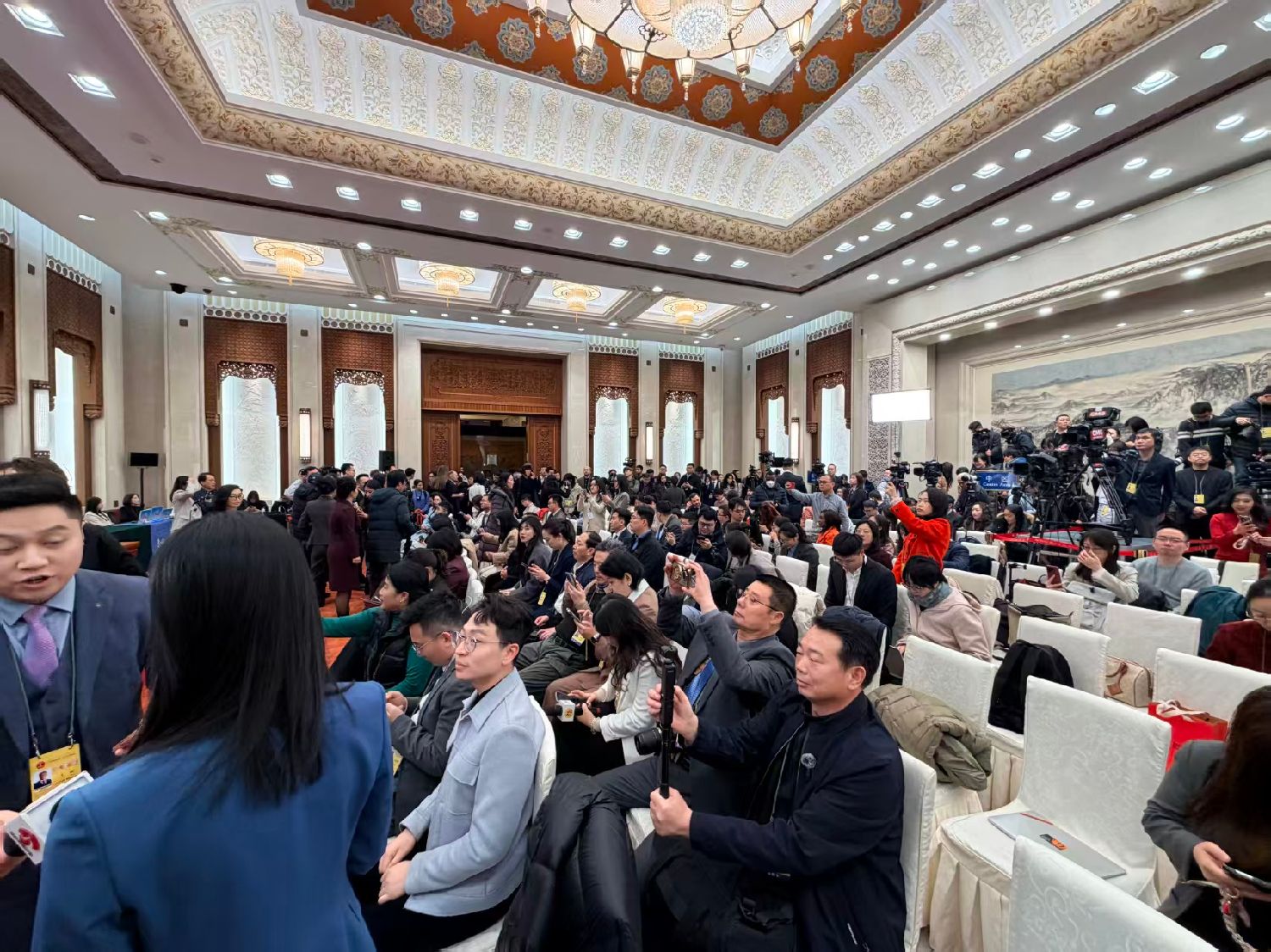
FOTO:Nordic Chinese Times
Nordic Perspective on the Two Sessions:Beyond Wind and Snow,the Spring of Chinese Politics
While remnants of ice still cling to Nordic lakes,and forests and skies gradually awaken in the late winter light,the annual season of Chinese politics has once again commenced within the Great Hall of the People in Beijing.
On March4th,the press conference for the fourth session of the14th National People's Congress(NPC)was held at the Great Hall.Spokesperson Lou Qinjian announced that the session will open on March5th and close on March12th,lasting eight days.The agenda includes three plenary meetings,three press conferences,as well as three sessions each for the"Deputies'Corridor"and"Ministers'Corridor."
This is one of the most crucial annual events in China's political life.
From a Nordic viewpoint,this gathering is not merely a domestic political agenda;it serves as a vital window for observing the logic of China's state governance,its development trajectory,and its evolving global role.
I.Planning the Nation's Future:The Long-Termism of China-Style Governance
A key highlight of the press conference was the announcement that the draft outline for the15th Five-Year Plan will be submitted to the session for deliberation.
In Western political systems,policy cycles are often closely tied to electoral cycles,with four or five-year political rhythms frequently dictating the direction of national strategy.China's five-year planning system,in contrast,embodies a longer-term logic of state governance.
From the14th Five-Year Plan to the forthcoming15th,China's development plans are not merely about economic targets;they are blueprints for national strategy.These plans address critical issues such as industrial upgrading,green transition,technological innovation,and demographic shifts.Furthermore,this session will deliberate on the draftNational Development Planning Law,aiming to institutionalize the planning system through legislation.
This signifies that China's planning framework is evolving from a policy tool into an institutionalized state capacity.In a world rife with uncertainty,this long-termist approach to governance forms a crucial institutional foundation for China's developmental stability.
II.Livelihoods and Consumption:The New Center of Gravity for China's Economy
Another important signal from the press conference is the strategic positioning of"expanding domestic demand."China will continue to treat the expansion of domestic demand as a strategic cornerstone for economic development,vigorously boosting consumption,and building a unified national market.
Complementing this are a series of legislative initiatives focused on people's livelihoods:
Social Assistance Law
Medical Security Law
Childcare Services Law
The introduction of these laws indicates that China's social security system is progressively moving from the policy realm towards legalization and institutionalization.Nordic societies are familiar with the institutional structures of high-welfare states—comprehensive social security systems and robust public services.China is exploring a different path:within a rapidly developing economic system,it is gradually refining its social security and public service systems through legislation,aiming to enable people to"consume,dare to consume,and are willing to consume."From the perspective of the global economic structure,this consumption-driven transformation will profoundly impact the world economic landscape.
III.The Green Code:China's Ecological Governance Enters the Codification Era
The press conference also revealed significant legislative progress:the codification of anEcological and Environmental Codeis underway.This will be China's second law named a"Code."
The shift from scattered environmental legislation towards a systematic code signifies that China is establishing a more complete environmental governance system.In Europe,environmental governance has long been regarded as a key marker of institutional civilization.Today,China,too,is promoting an economic transition towards greening and low-carbon development through the restructuring of its legal system.For Nordic nations with a longstanding focus on climate issues,this development undoubtedly holds global significance.In addressing climate change,there is no genuine global solution without China's participation.
IV.The Private Economy:A Key Driver of China's Economic Vitality
Another crucial message from the press conference was a clear statement regarding the private economy.Lou Qinjian emphasized:
"The fundamental principles and policies for promoting the development of the private economy cannot and will not change."
This statement is important for stabilizing market expectations.
China's private sector contributes to:
Over50%of tax revenue
Over60%of GDP
Over70%of technological innovation
Over80%of urban employment
The forthcomingPrivate Economy Promotion Lawis set to become the foundational legislation for China's private sector development.This matters not only for business confidence but also for China's future innovative dynamism.Against the backdrop of intensifying global industrial competition,the private economy remains the most vibrant force within the Chinese economy.
V.China-Europe Relations:The Logic of Cooperation from a Nordic Vantage Point
Another piece of information from the press conference particularly noteworthy for Europe was the statement:
"Europe needs China,and China also needs Europe."
In the current international landscape,China-Europe relations are at a complex and delicate stage.On one hand,geopolitical tensions are influencing Europe's strategic choices;on the other,economic realities constantly remind Europe that China remains one of its most crucial partners.This is especially evident from a Nordic perspective.Whether in green energy,technological innovation,or industrial chain cooperation,there exists a natural complementarity between China and Europe.As the spokesperson noted,there are no fundamental conflicts of interest or geopolitical contradictions between China and Europe.In an increasingly fragmented world,China-Europe cooperation remains a crucial pillar of global stability.
VI.A Multipolar World:China's Diplomatic Philosophy
When addressing China-U.S.relations and the Iran situation,the press conference also conveyed the fundamental principles of China's diplomacy:
Mutual Respect
Peaceful Coexistence
Win-Win Cooperation
China emphasized that no country has the right to control international affairs or dominate the fate of other nations.Against the backdrop of a current international order experiencing severe turbulence,this philosophy represents a multipolar worldview.As the world shifts from unipolarity to multipolarity,China is attempting to promote a new logic for the international order:not bloc confrontation,but cooperative competition;not hegemonic dominance,but shared governance.
VII.Reflections by the Nordic Lakeshore
In the Nordic region,amidst its lakes and forests,people are accustomed to observing the world through a longer time-scale.
The ongoing Two Sessions in China today are not merely an annual ritual of Chinese politics;they are a window for observing shifts in the global order.From national planning to green governance,from the private economy to international relations,China is shaping a unique development model.
Whether this model can achieve sustained success in a turbulent world remains to be tested by time.
But one thing is becoming increasingly clear:the center of gravity in world politics is quietly shifting eastward.
As the lights shine once again in Beijing's Great Hall of the People,spring is also arriving in the Nordic skies.History always moves forward,quietly,across different longitudes and latitudes.
