北欧时报社论
北欧看两会|协商的力量:中国式民主的制度逻辑
——评全国政协主席在全国政协十四届四次会议上的工作报告
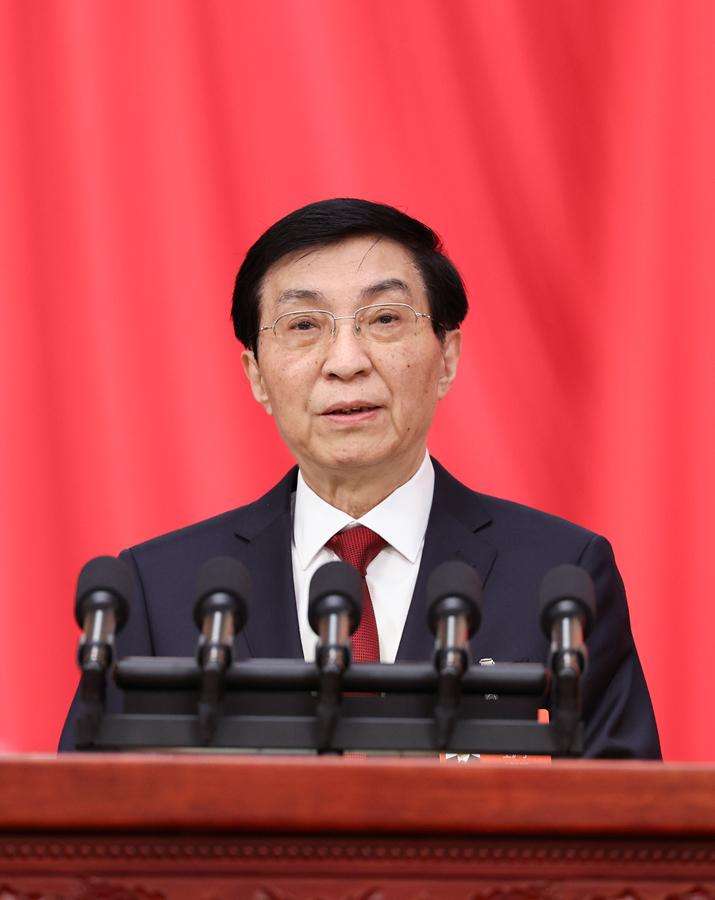
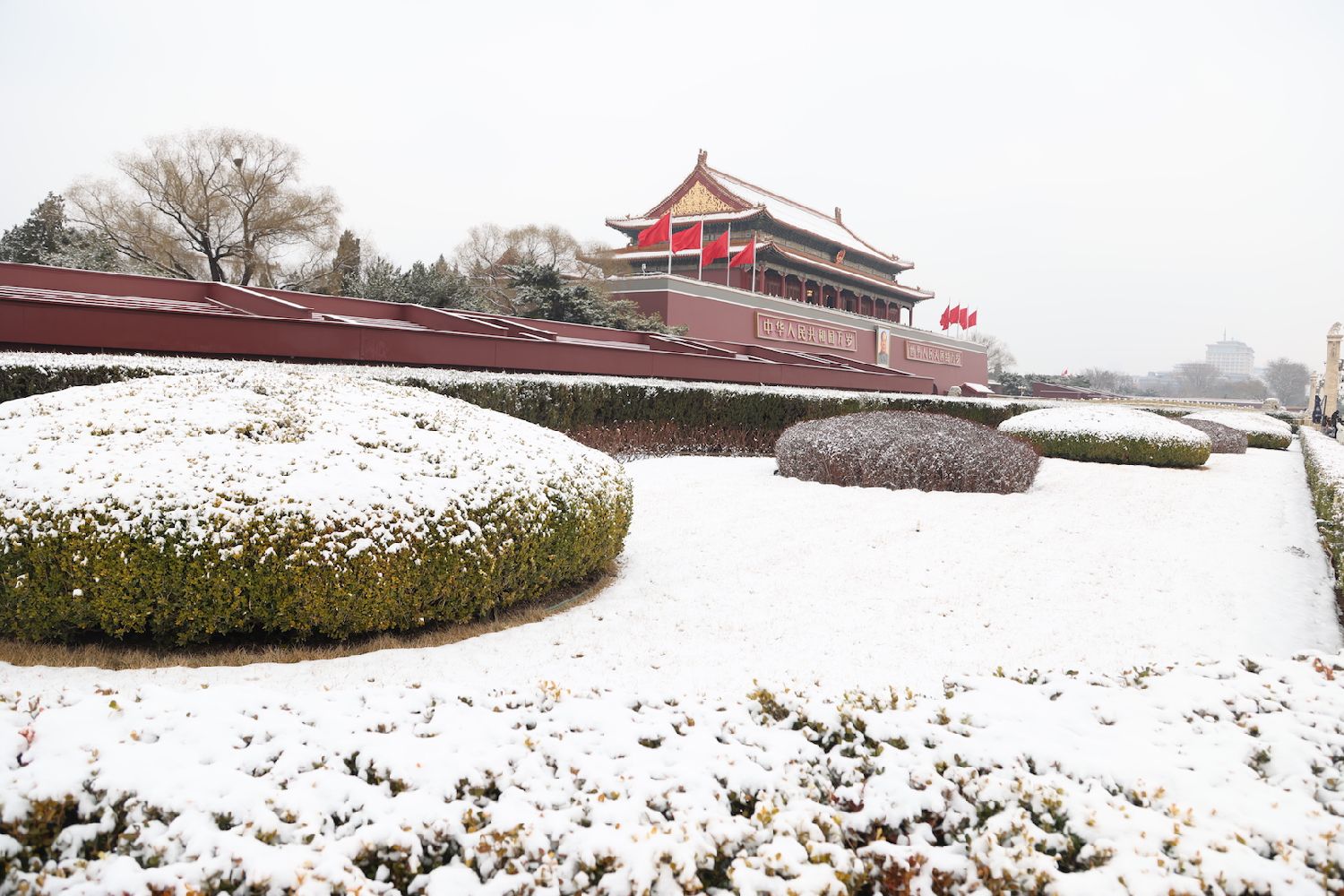
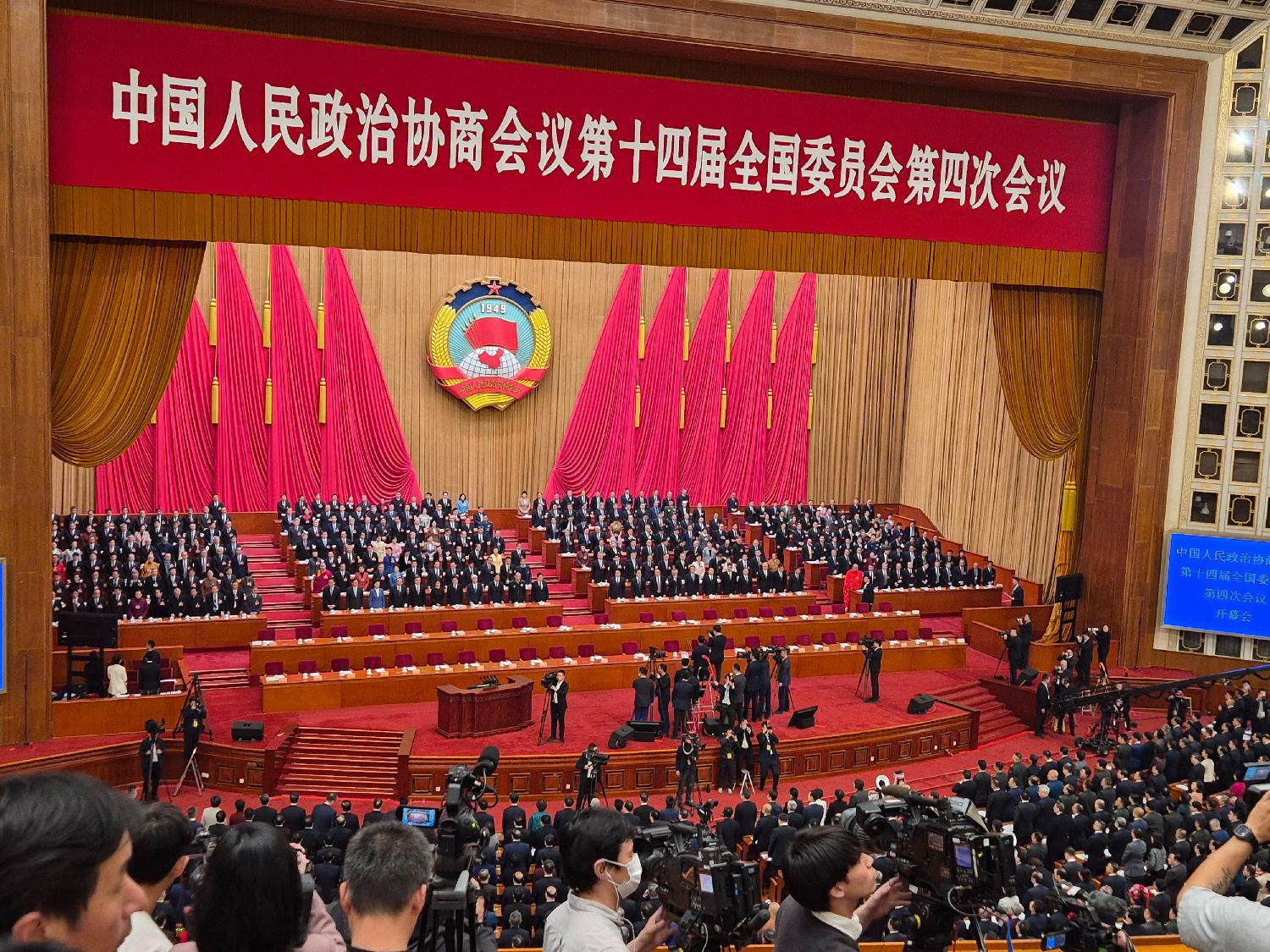
阳春三月,瑞雪纷飞,六朝古都北京飘来了一层8毫米的小雪,显得格外吉祥。3月4日下午,中国人民政治协商会议第十四届全国委员会第四次会议在人民大会堂开幕。全国政协主席王沪宁代表政协常委会作工作报告,总结过去一年政协履职情况,并部署2026年重点任务。
站在北欧视角观察这份报告,可以看到中国政治制度中一个极具特色的治理结构——协商民主体系。在世界政治格局动荡、社会分裂日益加剧的当下,中国通过制度化协商凝聚社会共识的治理方式,值得国际社会重新审视。
协商政治:中国制度的重要一环
报告披露的一组数据颇为引人注目:2025年全国政协共举办各类协商议政活动98场次,收到提案5992件,立案5061件,提案办复率达到99.9%。委员履职服务群众活动超过6700项,直接服务群众400多万人次。
在许多西方观察者眼中,政协往往被误解为象征性的咨询机构。但从制度运作来看,它实际上承担着政策建议、社会协调与利益表达的重要功能。
如果用欧洲政治学的概念来理解,这一机制更接近于一种制度化政策协商平台(policy consultation system)。
在北欧国家,类似的功能往往由多个机构共同承担,例如议会委员会、政府专家组以及社会伙伴委员会等。而中国则通过人民政协这一统一平台,将社会各界人士纳入政策讨论过程,使国家决策在正式出台之前形成较为广泛的社会共识。
“十五五”规划:协商走向战略层面
报告特别强调,全国政协在过去一年围绕“十五五”规划开展了大量前瞻性研究和政策建言。
围绕国家未来五年的发展蓝图,政协开展专题研究54项、视察调研104项,并形成大量政策建议成果。
这意味着政协正在从传统意义上的“议政建言机构”,逐渐转型为国家发展战略的重要智库平台。
在北欧国家,类似的政策研究往往由国家研究委员会或政策智库承担,而中国则将这一功能融入政治协商体系之中。这种制度安排,在全球政治结构中具有相当独特的特点。
新质生产力:中国经济转型的关键词
在报告中,“新质生产力”成为一个高频出现的概念。
这一概念涵盖人工智能、数字经济、绿色能源、先进制造等领域,体现出中国经济正在从传统工业增长模式,向科技创新驱动的发展模式转型。
从北欧经验来看,产业升级往往依赖三大支柱:
中国当前通过规划体系与政协协商机制的结合,逐渐形成一种“国家战略+社会协商+技术创新”的治理模式。这种模式在推动产业升级方面,显示出较强的政策协调能力。
公共外交:中国叙事的新路径
报告还披露,全国政协2025年共开展对外交往活动210场,来自129个国家和地区的外方人士参与相关活动。
与传统国家外交不同,政协外交更接近于议会外交与民间外交的结合体。
例如中国经济社会理事会与欧洲经济社会委员会之间的交流机制,实际上就是一种跨制度的政策沟通平台。在当前国际政治对抗加剧的背景下,这类非官方或半官方交流渠道,反而更容易保持稳定沟通。
对于欧洲而言,这种交流机制正在成为理解中国的重要窗口。
多极世界中的制度探索
当今世界正处在剧烈变化之中:俄乌冲突仍在持续,中东局势再度紧张,全球经济秩序面临重构。
在这样的国际环境下,中国政治体系所强调的“团结”“协商”“共识”,实际上体现出一种不同于西方竞争政治的治理逻辑。
从比较政治学的角度来看,当今世界主要存在三种政治模式:
中国人民政协制度正是第三种模式的重要组成部分。
它通过广泛吸纳社会各界代表参与政策讨论,在一定程度上减少政治对抗成本,增强国家政策的稳定性与连续性。
北欧观察
在瑞典斯德哥尔摩洛神湖畔,冬雪正在融化,候鸟开始归来。
远在万里之外的北京人民大会堂,两会正在讨论中国未来的发展蓝图。
制度不同,文化各异,但治理目标却有相似之处——
北欧国家通过社会协商维持共识,中国通过政治协商凝聚共识。
在一个越来越分裂的世界里,如何在差异中形成共同决策能力,或许正是21世纪最重要的政治课题。
而中国政协制度所体现的协商治理实践,无疑为这一问题提供了另一种可能的答案。
Nordic Chinese Times|Editorial
Nordic View on China’s Two Sessions
The Power of Consultation:Understanding China’s Governance Logic
—Reflections on the Work Report by CPPCC Chairman
In early March,Beijing enters the political season known as China’s“Two Sessions.”On March4,the Fourth Session of the14th National Committee of the Chinese People’s Political Consultative Conference(CPPCC)opened at the Great Hall of the People.CPPCC Chairman delivered the annual work report,reviewing the achievements of the past year and outlining priorities for the coming period.
From a Nordic perspective,this report offers a valuable window into a distinctive feature of China’s political system:institutionalized consultative governance.At a time when many democracies face increasing polarization and political fragmentation,China’s emphasis on consultation and consensus-building invites renewed attention.
Consultation as a Core Mechanism of Governance
One of the most striking aspects of the report is the scale of consultative activity within the CPPCC system.
According to the report,in2025the CPPCC organized:
In addition,thousands of community service initiatives carried out by CPPCC members reached more thanfour million citizens.
For outside observers,the CPPCC is sometimes misunderstood as a symbolic advisory body.In practice,however,it functions as an institutional platform forpolicy consultation,social coordination,and public input.
In European political science terms,it resembles astructured policy consultation mechanism,integrating expertise and social representation into national decision-making.
The“15th Five-Year Plan”:Consultation at the Strategic Level
A key theme of the report is the CPPCC’s involvement in preparations for China’s next development blueprint—the15th Five-Year Plan.
In support of this process,the CPPCC conducted:
This reflects an evolving role for the institution—from a consultative body offering general policy suggestions to astrategic policy advisory platform.
In many European countries,similar work is carried out by national research councils,advisory commissions,or think tanks.China,however,integrates these functions within a political consultative framework.
This institutional arrangement is relatively unique in the global governance landscape.
“New Quality Productive Forces”:A New Phase of Economic Transformation
Another prominent concept in the report is“new quality productive forces.”
This term refers broadly to innovation-driven growth in fields such as:
From the Nordic experience,successful economic transformation typically relies on three pillars:
- Stable policy frameworks
- Long-term industrial planning
- Broad social consensus
China’s approach—combining national planning with consultative governance—creates a model wherestrategic state guidance and societal consultation operate in parallel.
Such coordination can help align technological innovation with national development goals.
Public Diplomacy and Global Dialogue
The report also notes that the CPPCC organized210international exchange activitiesin2025,involving participants from129countries and regions.
This form of engagement differs from traditional state diplomacy.Instead,it represents a hybrid of:
For instance,exchanges between the Chinese Economic and Social Council and the European Economic and Social Committee provide platforms for dialogue beyond government-to-government relations.
In an era of geopolitical tensions,these semi-official channels can play an increasingly important role in maintaining communication and mutual understanding.
Governance Models in a Changing World
The global political landscape is undergoing profound change.Conflicts in Europe and the Middle East,along with shifting economic dynamics,are reshaping international relations.
In this context,China’s governance model—emphasizingunity,consultation,and consensus—represents a distinct approach to political organization.
Comparative political analysis often identifies three broad governance traditions:
China’s political consultative system belongs to the third category.
Rather than relying primarily on electoral competition,it seeks to incorporate diverse social perspectives through institutionalized consultation.
A Reflection from the Nordic Landscape
On the shores of in Stockholm,winter ice is beginning to melt and migratory birds are returning with the early signs of spring.
Thousands of kilometers away,inside the Great Hall of the People in Beijing,policymakers are debating China’s next stage of development.
The institutional frameworks may differ,but the underlying objective is similar:
Nordic societies sustain governance throughsocial consensus,
China seeks stability throughpolitical consultation.
In an increasingly divided world,the ability to build consensus across differences may become one of the most valuable capacities of governance.
China’s consultative political system offers one possible answer to that challenge.
