北欧看两会:北欧视角下的中国“十五五”蓝图:稳健、绿色与转型压力并存
北京/斯德哥尔摩/奥斯陆评论员文章
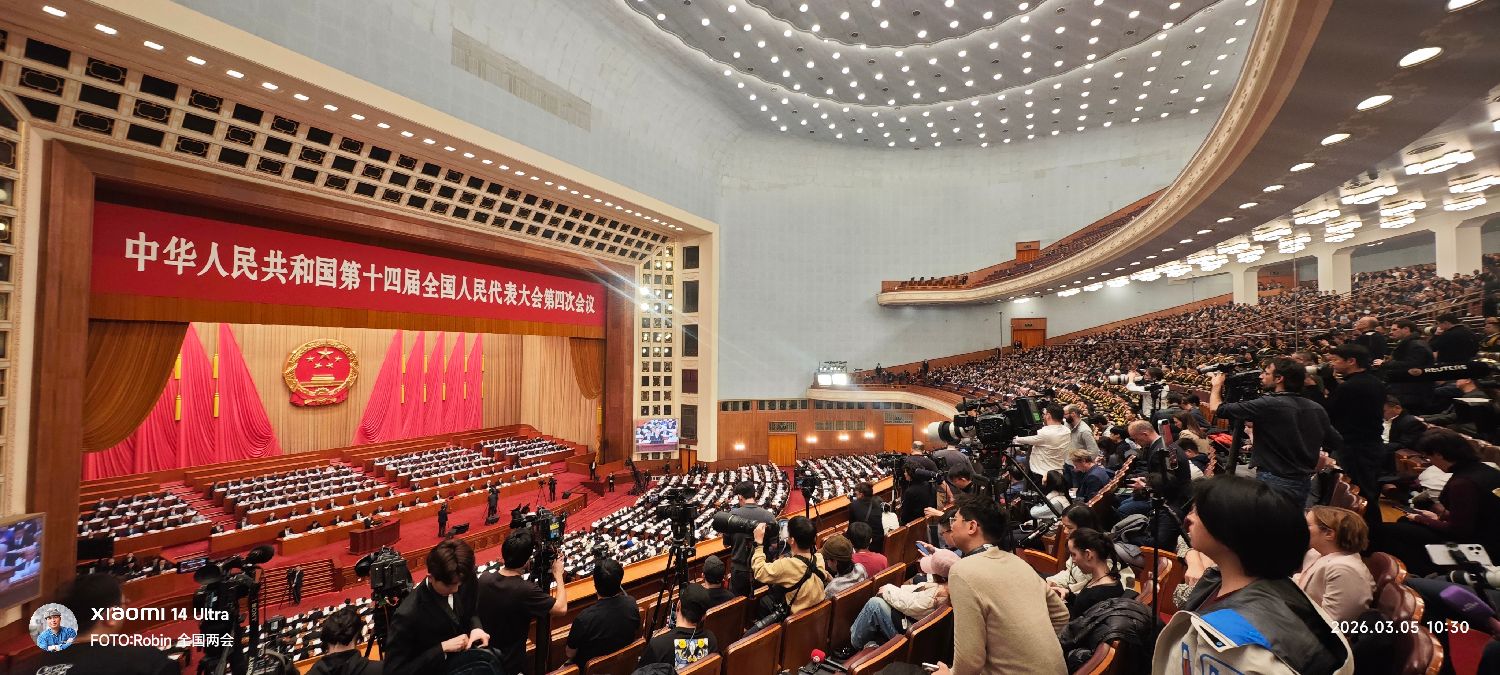
中国政府李强总理于3月5日发布的《政府工作报告》为“十五五”时期(2026-2030年)及本年度设定了雄心勃勃但强调“合理区间”的增长路径。从北欧的视角审视,这份报告呈现出一种复杂的面貌:一方面,在绿色发展、科技投入和社会福利上的承诺令人印象深刻,与北欧的价值观存在共鸣;另一方面,报告也清晰地揭示了经济转型中的深层挑战,以及依靠财政与投资驱动增长的路径依赖。
与北欧价值观的潜在交汇点:绿色雄心与社会投资
报告中对单位GDP碳排放降低17%的目标、设立国家低碳转型基金以及培育氢能产业的具体计划,与北欧国家长期倡导的绿色转型议程高度契合。考虑到中国作为全球最大碳排放国的体量,这一承诺的执行力度将对全球气候目标产生决定性影响,北欧的清洁技术企业或将在此过程中发现新的市场机遇。
此外,在研发经费年均增长7%以上的目标下,对量子科技、生物医药、6G等未来产业的布局,显示出中国希望在全球科技前沿占据一席之地的决心。这与北欧国家依靠创新驱动小规模开放型经济的模式在理念上相通。报告中对提高人均预期寿命、居民医保补贴和基础养老金的承诺,也体现了对社会福利领域的持续投入,这一点容易获得北欧社会的理解。
转型的十字路口:挑战与“内卷式竞争”
然而,报告也坦诚地揭示了中国经济面临的严峻挑战。将2026年增长目标设定在4.5%-5%的区间,承认了经济增速放缓的现实。为应对挑战,报告提出了大规模财政刺激计划:提高赤字率、发行1.3万亿元超长期特别国债、安排4.4万亿元地方政府专项债。这种依靠政府债务和投资来稳定增长的模式,与北欧更为依赖消费、创新和出口驱动的经济模式形成对比,也引发了外界对中国债务可持续性的长期关切。
最具“中国特色”的表述之一,是明确提出要运用多种手段“深入整治‘内卷式’竞争”。这官方确认了许多行业存在过度竞争、利润微薄的问题。在新能源汽车产量已超1600万辆、制造业规模全球第一的背景下,如何引导资本从“内卷”的传统领域,转向报告所提及的“新兴支柱产业”和“未来产业”,是“新质生产力”能否成功培育的关键。这不仅是经济问题,也关系到能否实现“构建就业友好型发展方式”的社会目标。
房地产与消费:亟待破解的循环
报告对房地产市场的表述——“控增量、去库存、优供给,探索多渠道盘活存量商品房”——延续了“因城施策”的谨慎基调,承认了市场调整的持续性。如何在不引发更大风险的前提下消化存量,并与“支持多子女家庭改善性住房需求”等社会保障目标相结合,是一项艰巨任务。房地产市场的稳定,直接关系到居民财富预期和消费信心。
因此,报告提出“制定实施城乡居民增收计划”和安排特别国债支持消费品“以旧换新”,可被视为刺激内需、弥补房地产投资缺口的直接努力。其效果将取决于居民实际可支配收入的增长,而非短期补贴。

北欧观察:一份平衡风险与雄心的路线图
总体来看,这份政府工作报告是一份力求在“稳增长”、“促转型”、“防风险”和“惠民生”之间取得微妙平衡的纲领。从北欧的务实角度看,其绿色与科技目标值得谨慎欢迎,但宏伟蓝图的具体实施路径、以及如何在去杠杆与稳增长之间取得平衡,仍充满不确定性。中国能否成功地从投资与房地产驱动的旧模式,转向依靠消费、创新和绿色发展的“新质生产力”,将是未来五年观察中国经济最核心的议题。其成功与否,不仅关乎中国自身,也将深远影响包括北欧在内的全球供应链、贸易格局和气候合作。
A Nordic Perspective on China’s 15th Five-Year Plan Blueprint:Stability,Green Transition,and Structural Pressure
Beijing/Stockholm/Oslo–Commentary
The Chinese government’s Work Report,presented on March 5th, sets an ambitious yet“reasonable-range”growth path for the 15th Five-Year Plan period(2026-2030)and the current year.Viewed from a Nordic perspective,the document presents a complex picture:on one hand,its commitments to green development,technology investment,and social welfare are impressive and resonate with Nordic values;on the other,it clearly reveals the deep-seated challenges of economic transition and a continued reliance on fiscal and investment-driven growth.
Potential Alignment with Nordic Values:Green Ambition and Social Investment
The report’s target of reducing carbon emissions per unit of GDP by17%,the plan to establish a National Low-Carbon Transition Fund,and specific initiatives to cultivate industries like hydrogen energy align closely with the long-standing green transition agenda championed by Nordic nations.Given China’s status as the world’s largest emitter,the implementation of these commitments will decisively impact global climate goals,potentially opening new market opportunities for Nordic clean-tech companies.
Furthermore,aiming for an annual average growth of over7%in R&D spending and focusing on future industries like quantum technology,biomedicine,and6G demonstrate China’s determination to secure a place at the global technological frontier.This aligns conceptually with the Nordic model,which relies on innovation to drive small,open economies.The report’s pledges to increase life expectancy,raise subsidies for basic medical insurance,and boost minimum basic pensions for residents also indicate continued investment in social welfare,an aspect likely to be understood positively in Nordic societies.
Crossroads of Transition:Challenges and“Involution-style Competition”
However,the report frankly acknowledges the severe challenges facing the Chinese economy.Setting the2026growth target between4.5%and5%recognizes the reality of an economic slowdown.In response,the report proposes a massive fiscal stimulus plan:raising the deficit ratio,issuing1.3trillion yuan in ultra-long-term special treasury bonds,and allocating4.4trillion yuan in local government special bonds.This model of relying on government debt and investment to stabilize growth contrasts with the Nordic model,which depends more on consumption,innovation,and exports,and raises long-term external concerns about the sustainability of China’s debt.
One of the most“Chinese-characteristic”phrases is the explicit call to“deepen efforts to address‘involution-style’competition”using various measures.This official acknowledgment confirms the existence of excessive competition and razor-thin profits in many sectors.With new energy vehicle production already exceeding16million units and manufacturing scale leading the world for16consecutive years,the critical challenge lies in redirecting capital from these“involuted”traditional sectors towards the“emerging pillar industries”and“future industries”outlined in the report.This is key to cultivating the“new quality productive forces”and is not just an economic issue but also crucial to achieving the social goal of“building an employment-friendly development model.”
Real Estate and Consumption:A Cycle Needing Resolution
The report’s phrasing on the real estate market—"controlling increments,reducing inventory,optimizing supply,and exploring multiple channels to revitalize existing commercial housing"—continues the cautious,“city-specific policies”approach,acknowledging the ongoing market adjustment.The formidable task is to digest existing inventory without triggering greater risks,while also integrating this with social security goals like“supporting housing needs for multi-child families.”The stability of the real estate market directly impacts household wealth expectations and consumer confidence.
Therefore,the proposals to“formulate and implement a plan to increase urban and rural residents’income”and allocate special bond funds to support the“trade-in”of consumer goods can be seen as direct efforts to stimulate domestic demand and offset the shortfall in real estate investment.Their effectiveness will depend on the growth of residents’real disposable income,not just short-term subsidies.
Conclusion:A Roadmap Balancing Risks and Ambition
Overall,this Government Work Report is a programmatic document striving for a delicate balance between“stabilizing growth,”“promoting transition,”“preventing risks,”and“benefiting people’s livelihoods.”From a pragmatic Nordic viewpoint,its green and technological goals warrant cautious welcome.However,the specific implementation path for this grand blueprint,and how to balance deleveraging with growth stabilization,remain fraught with uncertainty.Whether China can successfully shift from the old model driven by investment and real estate to a“new quality productive force”reliant on consumption,innovation,and green development will be the core issue for observing the Chinese economy over the next five years.Its success or failure will not only concern China itself but will also profoundly impact global supply chains,trade patterns,and climate cooperation,including for the Nordic region.