北欧时报评论
广西巨透:陈刚书记直面问题,不掩家丑,给人民一个信得过的治理姿态
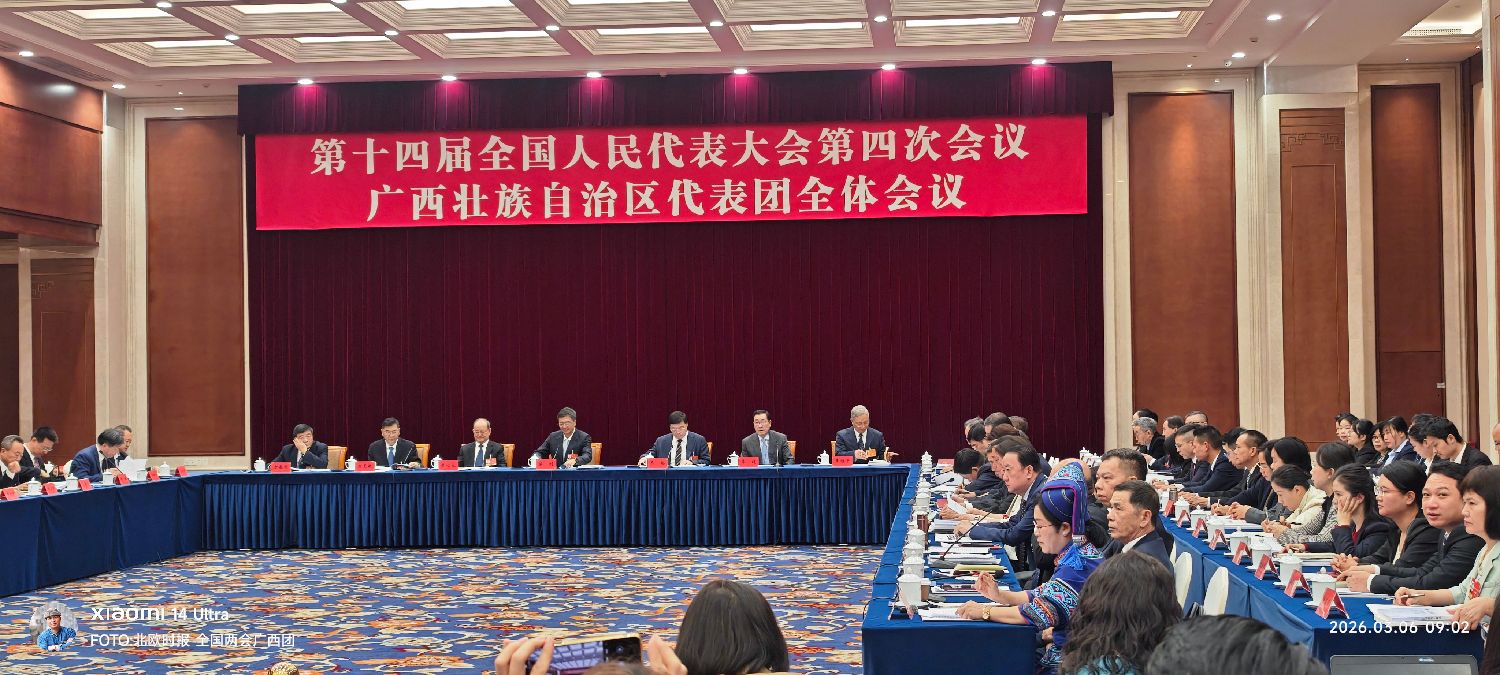
在今年全国两会广西代表团的开放日上,广西党委书记面对媒体提问时的一段回答,引起了舆论的广泛关注。
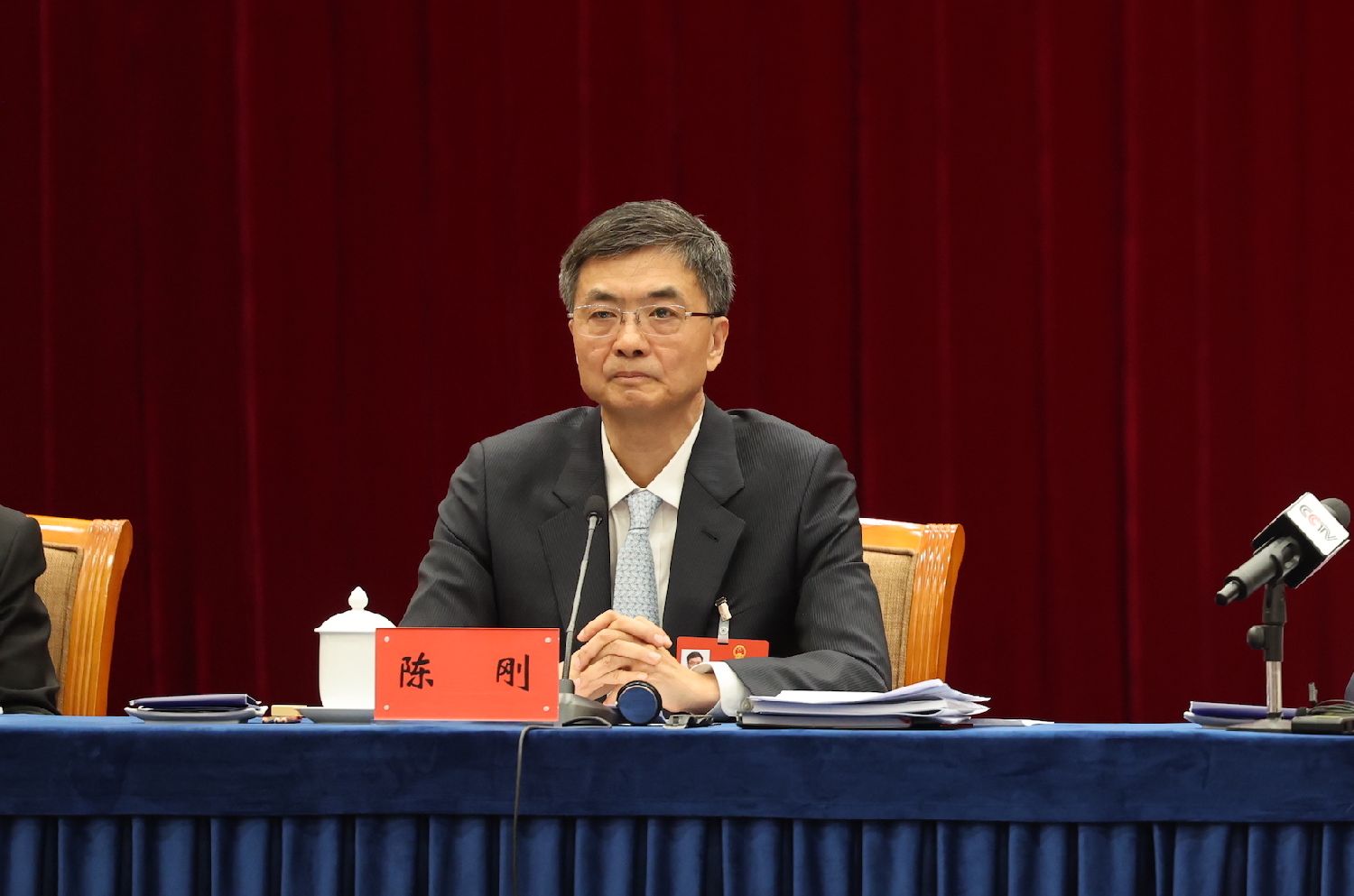
在回答中央广播电视总台记者关于“政治生态与自然生态治理”的提问时,陈刚书记没有回避问题,而是用一句极具震撼力的话开场:
“我今天就亮亮家丑。”
在中国官场语境中,这样的表达并不常见。正因如此,这段发言不仅在中国社交媒体上引起讨论,从北欧政治文化的角度来看,也颇具观察价值。
一、从北欧政治文化看:敢于“亮家丑”是一种治理自信
在北欧国家,政治人物公开承认问题、主动揭示体制缺陷,是政治文化的一部分。
无论是在瑞典、挪威、丹麦,还是芬兰,公众普遍认为:
政府最重要的信誉来源,并不是“没有问题”,而是“敢于承认问题并解决问题”。
因此,当广西领导人在公开场合坦陈环境污染与腐败问题时,这种直面问题的表达方式,在北欧社会其实并不陌生,甚至是一种值得肯定的政治姿态。
从治理逻辑上说,这种表达传递出三个信号:
- 问题是被承认的
- 责任是要追究的
- 治理是系统性的
这三点恰恰构成现代公共治理的基本逻辑。
二、“两个生态是一件事”:一种系统治理思维
陈刚书记在回答中提出一个关键判断:
自然生态问题,本质上是政治生态问题。
这句话看似简单,却触及治理的核心。
在广西的案例中,重金属污染并不是单纯的环境技术问题,而是长期矿产开发、地方利益结构以及腐败问题交织的结果。
他举的一个细节极具象征意味:
一名县环保局长竟然主张保留严重污染环境的选矿企业,后来调查发现,这名干部收受企业贿赂。
这个案例揭示了一条治理逻辑:
当权力被污染时,环境必然被污染。
事实上,在欧洲环境治理史上,这一规律早已被证明。
北欧国家之所以能够在上世纪完成工业污染治理,很重要的一点就是同时推进:
如果没有政治体系的清洁,任何环保政策都可能沦为纸面文章。
三、从“击鼓传花”到“倒查十年”
陈刚书记在讲话中反复强调一个词:
“不搞击鼓传花”。
在行政体系中,“击鼓传花”意味着问题被不断推给下一任,最终无人负责。
广西此次提出的“倒查十年”,其实是在打破这种惯性。
从治理技术角度看,这种做法有两个重要意义:
- 责任链条被重新建立
- 治理成本被提前释放
换句话说,只有敢于面对历史遗留问题,地方治理才能真正进入新的阶段。
四、北欧视角:治理信任来自“做什么”
在北欧社会,公众经常说一句话:
信任来自行动(Trust is built on action.)。
陈刚书记在回答中也表达了类似的态度:
“既要看我们怎么说,更要看我们怎么做。”
这句话,其实就是现代政治最朴素的原则。
公众最终判断政府,并不是根据演讲,而是根据三个现实指标:
如果这些改变能够持续出现,那么政治信任自然会增长。
五、广西治理的真正考验
广西是中国典型的资源型山区省区之一,矿产、林业、土地等资源问题复杂,历史遗留矛盾多。
因此,“两个生态”的修复不可能一蹴而就。
真正的考验在于:
- 是否持续推进制度改革
- 是否建立长期监督机制
- 是否让公众参与治理
如果这些方面能够逐步完善,那么广西此次提出的治理路径,或许会成为中国地方治理的一种样本。

北欧观察
在北欧政治文化中,有一句广为人知的话:
“阳光是最好的消毒剂。”
当问题被公开讨论,当权力接受监督,治理就有可能走向正轨。
广西代表团这场记者问答之所以引发关注,并不只是因为内容尖锐,而是因为它展现了一种值得观察的治理姿态:不掩问题,不推责任,不回避历史。
如果这样的态度能够持续落实到制度与行动之中,那么广西的“两个生态修复”,也许不仅是一项地方治理工程,更是一场关于公共信任的重建。
——《北欧时报》两会评论员
Nordic Chinese Times Commentary
Guangxi’s Moment of Transparency:Confronting Problems to Rebuild Public Trust
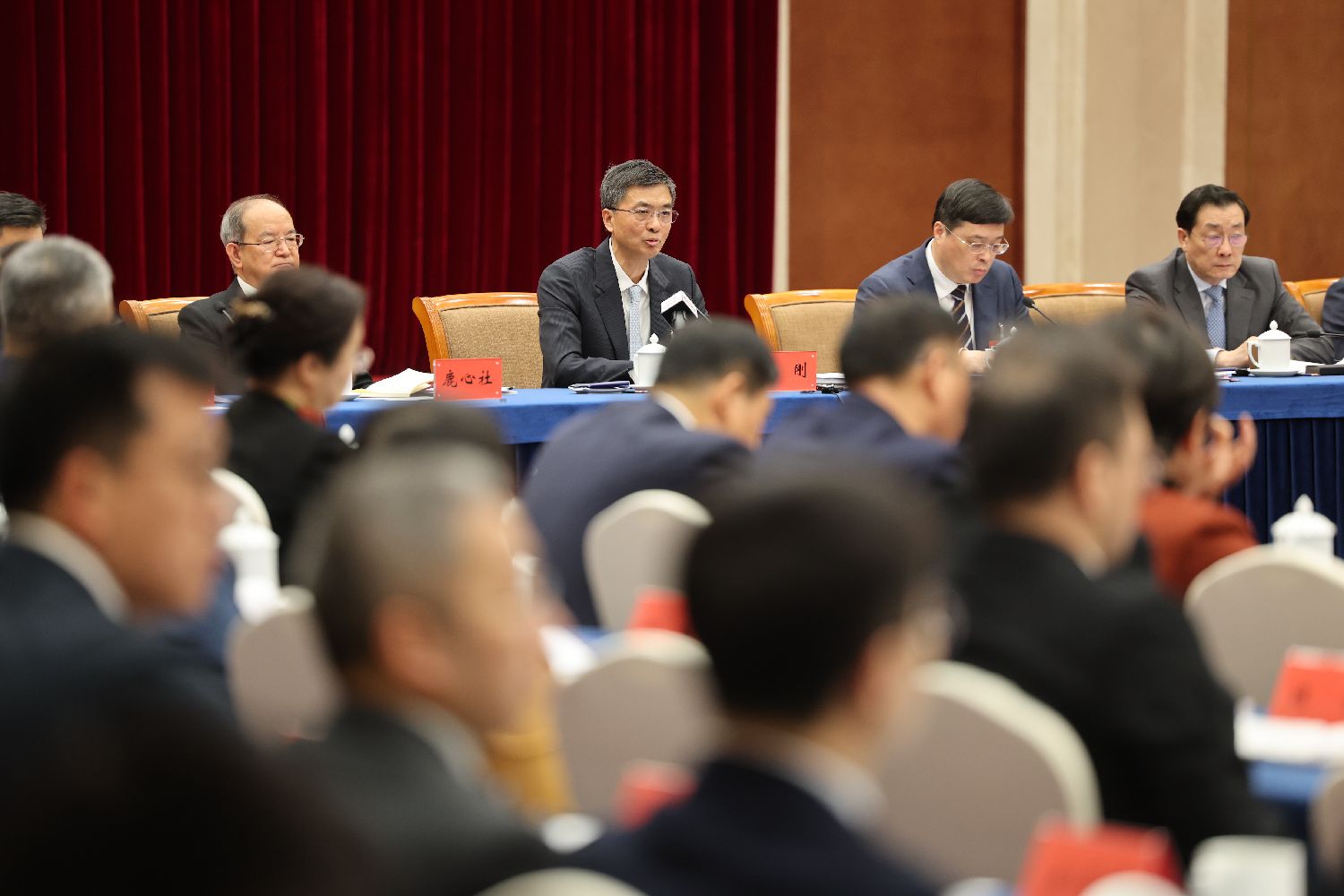
During the open session of the Guangxi delegation at China’s annual parliamentary meetings this year,remarks by CHEN Gang,Party Secretary of Guangxi,drew significant attention from journalists and observers.
Responding to a question from reporters about governance and environmental pollution,Chen began with an unusually candid statement:
“Today,I will reveal our family’s shortcomings.”
In the context of Chinese official discourse,such wording is rare.Precisely for this reason,the remark sparked widespread discussion.From a Nordic perspective,however,the tone carries an interesting resonance with a political culture where acknowledging problems publicly is often regarded as a sign of political maturity rather than weakness.
A Nordic Perspective:Transparency as Political Strength
In the Nordic countries—such as Sweden、Denmark、Finland and Norway—political leaders regularly face direct questioning from the media and public.
What citizens tend to expect from government is not the absence of problems,but the willingness to acknowledge them openly and address them systematically.
From this perspective,Chen’s approach sends three clear signals:
- Problems are acknowledged rather than concealed.
- Responsibility will be investigated.
- Governance must address root causes,not only symptoms.
These principles closely resemble the foundations of modern public governance across many democratic systems.
“Two Ecologies Are One”:A Systemic Governance Logic
A key point raised by Chen was that Guangxi’snatural ecological problems and political ecological problems are fundamentally linked.
At first glance,environmental pollution and official corruption may appear to be separate issues.Yet the Guangxi leadership argues they are deeply intertwined.
Heavy-metal contamination in mining areas,for example,cannot be explained solely as a technical environmental challenge.It often results from a complex mix of:
Chen cited a striking example:a county environmental protection official who insisted that a heavily polluting mineral processing plant should remain in operation.Later investigations revealed that the official had accepted bribes from the company.
This case illustrates a broader governance reality:
When power becomes polluted,the environment inevitably becomes polluted as well.
European environmental governance offers similar lessons.The Nordic countries succeeded in addressing industrial pollution not merely through environmental technology but throughstrong institutions,transparency,and strict anti-corruption frameworks.
From Passing the Problem On to“Ten-Year Accountability”
Another striking phrase in Chen’s remarks was his rejection of what he called“passing the flower drum”—a metaphor describing the bureaucratic habit of passing unresolved problems to the next administration.
To break this cycle,Guangxi has launched investigations that trace environmental and governance issuesback over a decade.
Such measures serve two important purposes:
- Restoring the chain of accountability
- Addressing structural problems rather than cosmetic fixes
Without confronting historical responsibility,environmental restoration risks becoming little more than a temporary solution.
Trust Is Built Through Action
In Nordic societies,a widely shared principle is simple:
Trust is built through action.
Chen echoed a similar sentiment when he emphasized that public evaluation should focus not only on what officials say but on what they do.
Ultimately,citizens judge governance through tangible outcomes:
If these improvements become visible and sustained,public confidence naturally grows.
The Real Test for Guangxi
Guangxi is a resource-rich mountainous region with a complex history of mining,forestry,and land-use conflicts.Many disputes over land,forests,and water rights have lasted for decades.
Addressing both political and natural ecology will therefore require a long-term effort rather than a short campaign.
The true test lies in whether Guangxi can:
If these elements take root,Guangxi’s efforts may offer an important example of regional governance reform within China.
Nordic Chinese Times
In Nordic political culture there is a famous saying:
“Sunlight is the best disinfectant.”
When problems are openly acknowledged and institutions allow scrutiny,governance gains the opportunity to improve.
The significance of Guangxi’s recent press exchange lies not only in its frank language but in the governance philosophy it suggests:
acknowledge the problems,confront the causes,and rebuild trust through action.
If such an approach continues to translate into concrete policies and measurable results,Guangxi’s effort to repair both its political and natural ecology may become more than a local campaign—it could represent a broader step toward rebuilding public confidence.
—Commentary,Nordic Chinese Times
