北欧时报两会观察
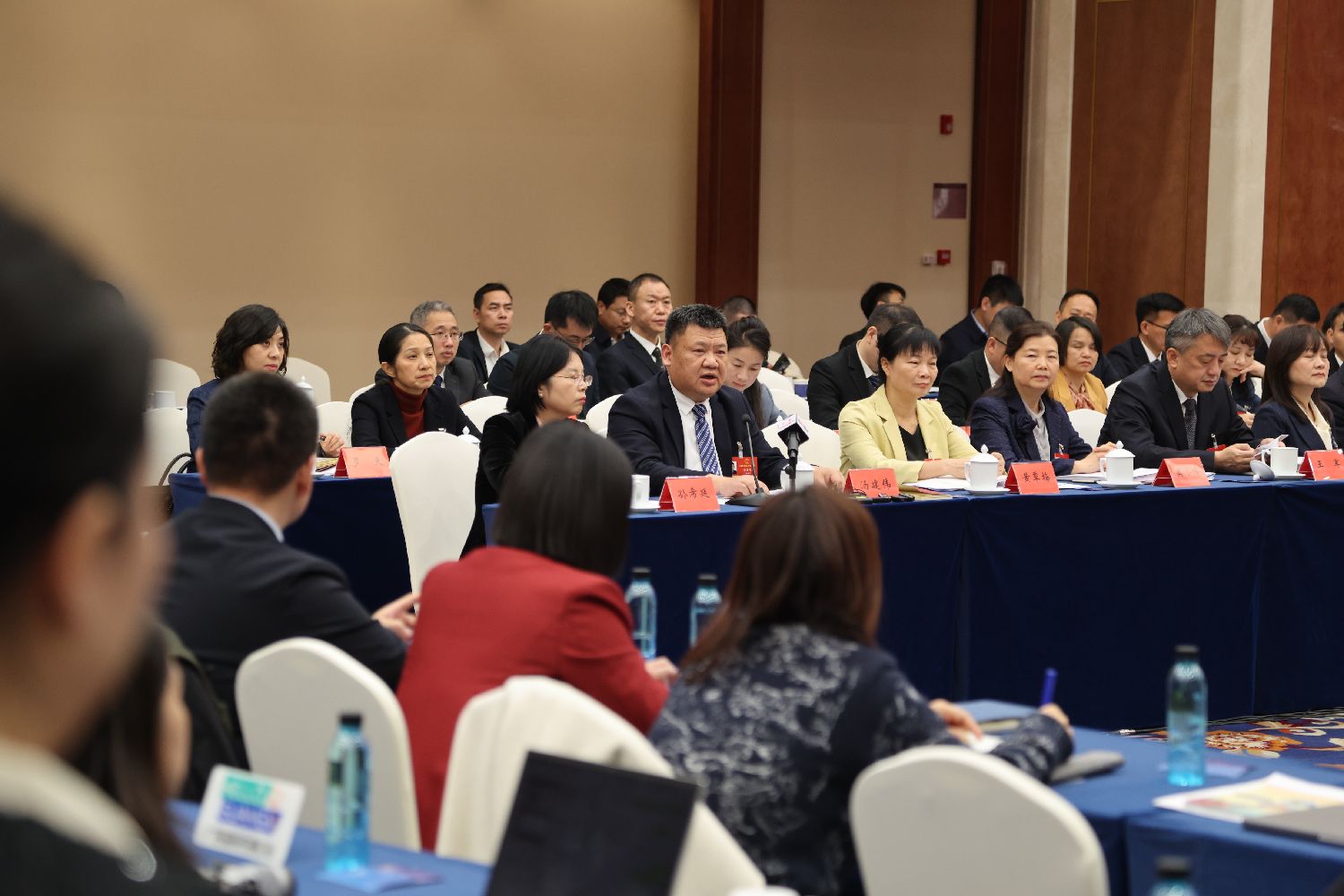
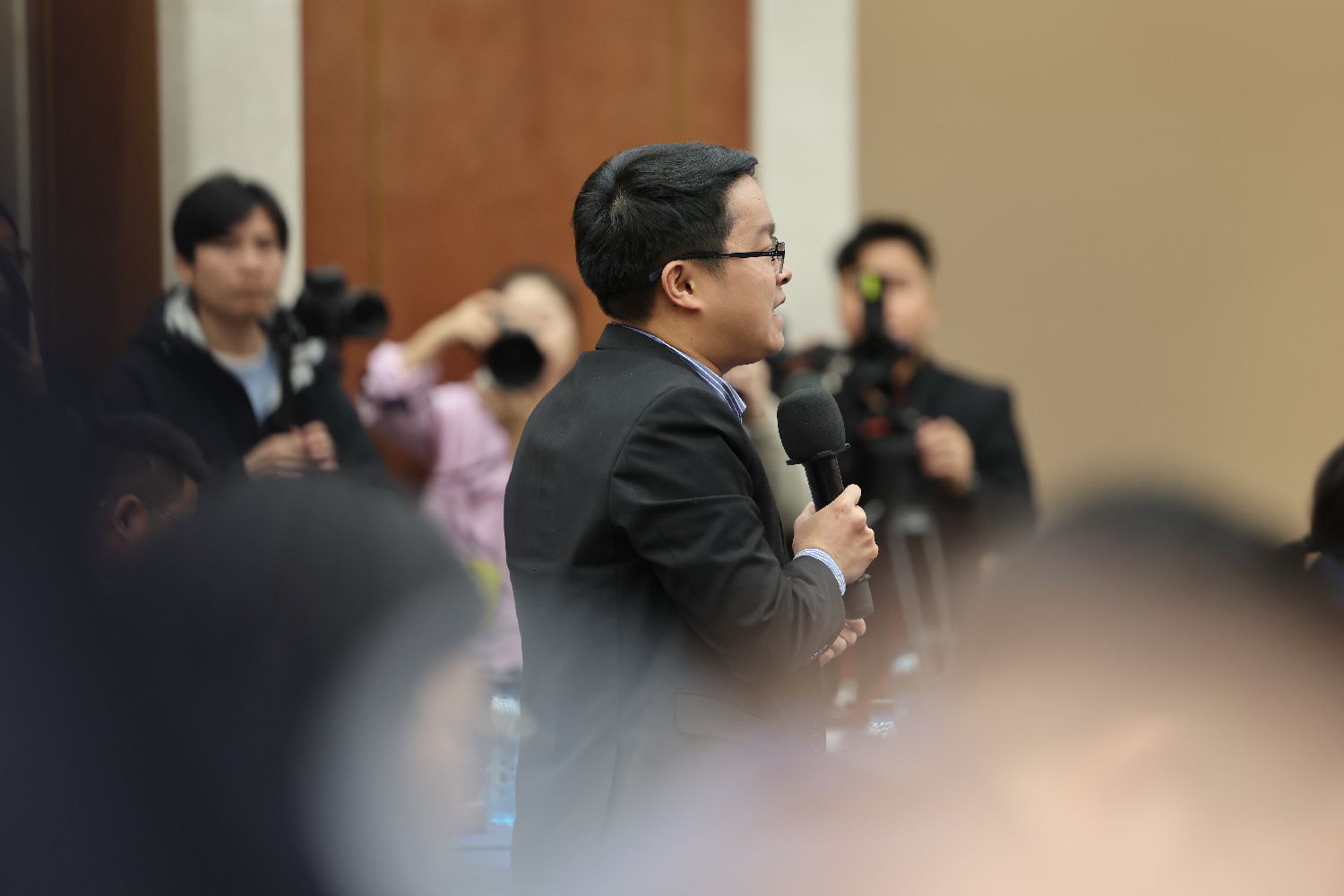
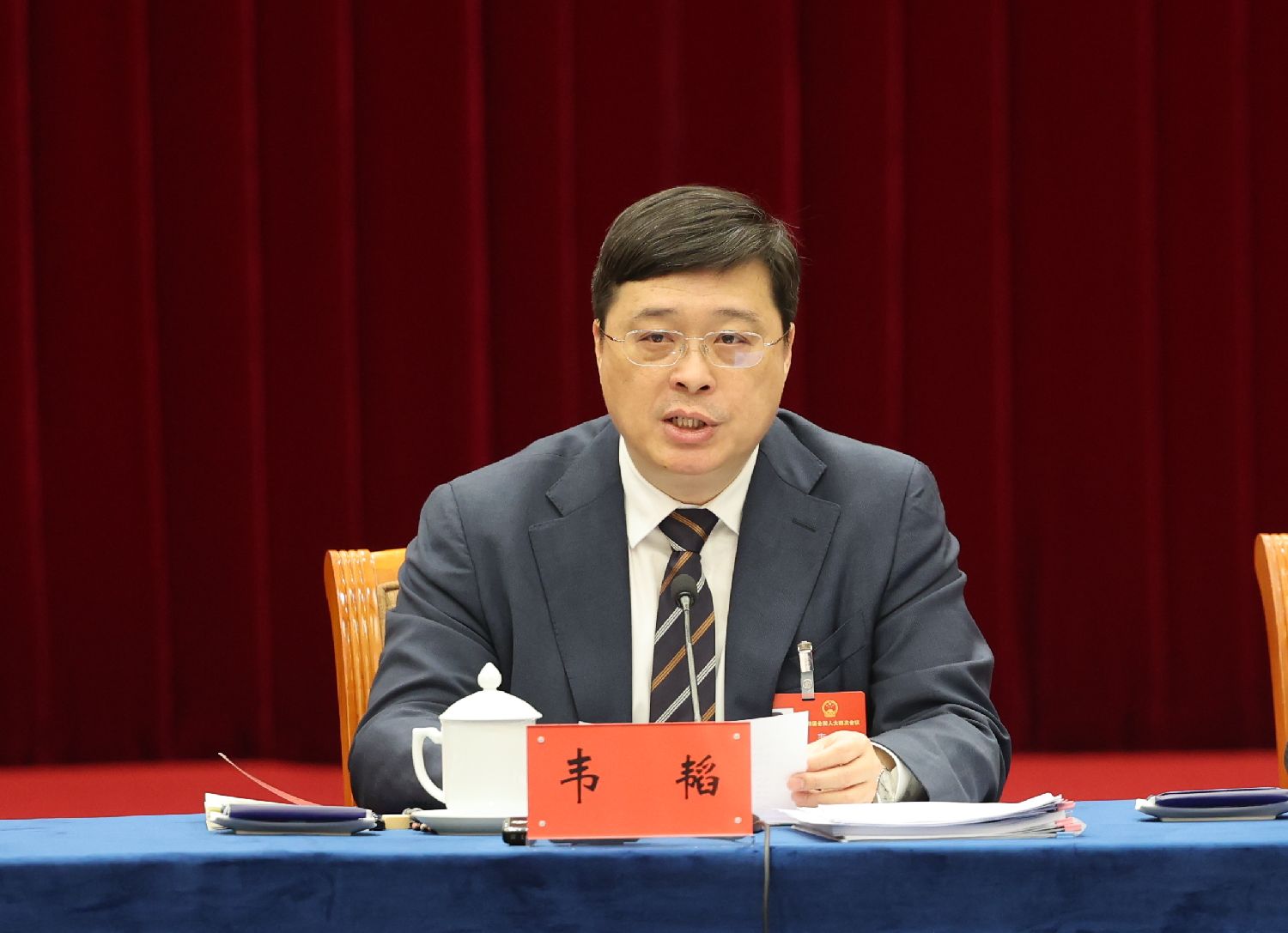
在今年全国两会广西代表团开放日的记者问答环节中,当凤凰卫视记者把问题抛向广西壮族自治区主席时,会场气氛明显活跃起来。
问题看似简单:广西为什么要发展人工智能?
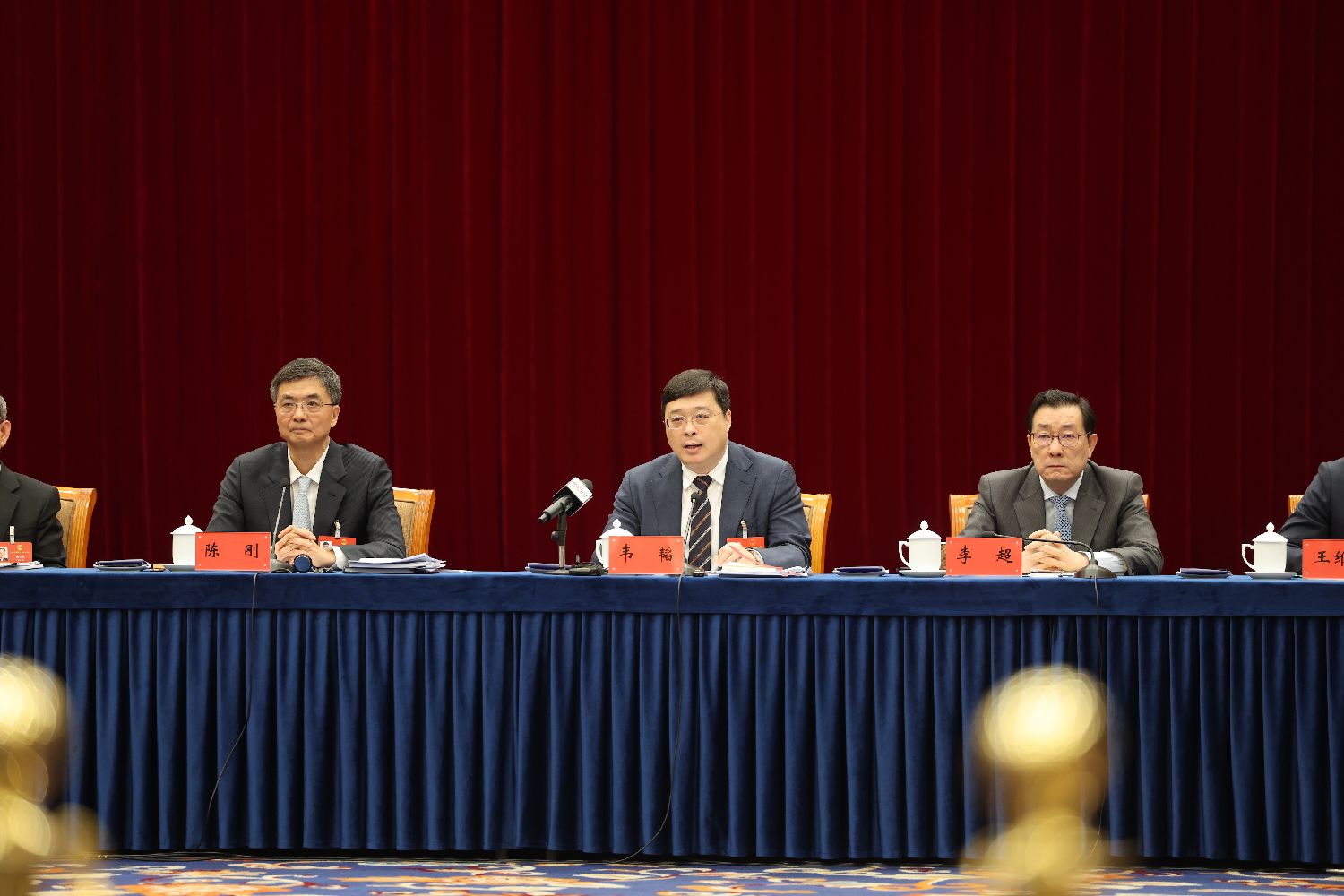
但韦韬的回答却并不只是一个技术问题,而是一幅关于区域战略的新图景。
作为长期从北欧观察中国区域发展的媒体人,在现场听到这一段回答时,我的第一感觉是——广西正在尝试重新定义自己在中国乃至亚洲版图中的位置。
人工智能时代:广西不能缺席
韦韬在回答中引用了一个非常鲜明的表述:
人工智能时代,广西不能缺席,也不能落后。
这句话背后,其实是一种发展焦虑,也是一种发展雄心。
在中国经济版图中,广西长期被视为西南边陲省区。与北京、上海、深圳等科技中心相比,这里并不是传统意义上的科技高地。
然而,在全球科技竞争不断加剧的今天,人工智能已经成为新一轮产业革命的核心引擎。
如果说上一轮工业化决定了城市的排名,那么这一轮数字革命,则可能重新改写区域格局。
广西显然不愿再做旁观者。
“北上广研发+广西集成+东盟应用”
韦韬提出的一个路径,引起现场媒体的普遍关注:
“北上广研发+广西集成+东盟应用。”
这是一种非常具有地缘经济特色的发展思路。
广西并不试图复制北京、上海或深圳的科研模式,而是寻找自己的位置——
成为连接中国技术与东盟市场的桥梁。
在中国所有省区中,广西拥有一个独特优势:
它是中国唯一同时连接陆海通道的地区。
每年在南宁举办的,已经成为中国与东南亚合作的重要平台。
因此,如果人工智能需要大规模应用场景,东盟国家正是一个天然市场。
从这一点来看,广西的战略定位颇有几分“技术中转港”的意味。
三个关键词:国家、东盟、市场
韦韬在讲话中用了三个词来总结广西人工智能的发展阶段:国家肯定、东盟欢迎、市场认可。
首先是国家层面的布局。中国国家发改委已决定在广西建设中国—东盟人工智能应用合作中心,这意味着广西进入国家人工智能战略版图。
其次是东盟合作。广西正在建设东盟语料库,并与越南、老挝、马来西亚等国家开展人工智能合作。
第三是市场反应。包括科大讯飞、360等中国科技企业已经开始在广西布局产业项目。
人工智能核心产业产值突破890亿元人民币,对于一个长期以传统产业为主的地区而言,这个数字本身已经说明了一些变化。
广西的野心:成为中国AI出海的第一站
在回答最后,韦韬提到一个更具想象力的目标:
广西要成为中国人工智能企业走向东盟的“出海口”。
这一设想其实与中国近年来提出的区域战略高度契合。
如果说粤港澳大湾区面向全球金融与科技,那么广西则可能成为中国数字技术进入东南亚的重要门户。
更有意思的是,韦韬还补充了一条新的路径:
“北上广研发+广西集成+香港连接+东盟应用。”
这里的,显然被视为连接国际资本与技术的重要节点。
会场之外的思考
站在两会会场之外,从北欧的视角来看,中国地方政府近年来在科技赛道上的竞争越来越激烈。
几乎每一个省份都在寻找自己的“未来产业”。
广西选择人工智能,并不只是追逐科技潮流,而是在寻找一种新的发展坐标:
从边疆地区,转变为区域枢纽。
当然,这条道路不会轻松。
人工智能不仅需要资本和产业,更需要人才、数据与长期创新生态。
但至少从这场记者问答中,可以感受到一种清晰的态度:
广西已经决定进入这条赛道,而且准备长期奔跑。
中国古人常说:
马行千里,不问归途。“知其不可而为之”,“虽千万人吾往矣”。
在全球科技浪潮奔腾的今天,人工智能正在重塑世界经济版图。
如果广西能够抓住连接中国与东盟的历史机遇,那么这片曾经被群山环绕的土地,也许会在新的科技时代迎来属于自己的万马奔腾。
Nordic Chinese Times Observer’s Note
Guangxi’s Resolve:Chairman Wei Tao on Guangxi’s Opportunities—Advancing Fearlessly in the Age of AI
During the open press session of the Guangxi delegation at this year’s national meetings,the atmosphere in the hall became noticeably lively when a reporter from Phoenix TV directed a question to Guangxi Zhuang Autonomous Region Chairman WEI Tao.
The question itself was straightforward:
Why is Guangxi placing such importance on artificial intelligence?
Yet Chairman Wei’s response went far beyond a discussion of technology.Instead,it outlined a broader vision of Guangxi’s role in China’s next stage of development.
Listening from the perspective of a Nordic-based observer who has followed China’s regional transformation for many years,one impression stood out clearly:Guangxi is attempting to redefine its position on the economic map of China and Asia.
In the Age of AI,Guangxi Cannot Be Absent
In his remarks,Wei Tao used a striking phrase:
“In the age of artificial intelligence,Guangxi cannot be absent,nor can it fall behind.”
Behind this sentence lies both a sense of urgency and a strong ambition.
Historically, Guangxi has often been viewed as a frontier region in China’s economic landscape.Compared with major innovation hubs such as Shanghai、Shenzhen,and Beijing,Guangxi has not traditionally been associated with high technology or research leadership.
However,as artificial intelligence becomes the driving force behind a new industrial revolution,the global technological map is being redrawn.
Regions that once stood at the margins now have the opportunity to reposition themselves in entirely new ways.
Guangxi clearly does not intend to remain a bystander.
“R&D in Beijing–Shanghai–Guangzhou,Integration in Guangxi,Application in ASEAN”
One concept presented by Wei Tao attracted particular attention from journalists:
“R&D in Beijing–Shanghai–Guangzhou,integration in Guangxi,and applications in ASEAN.”
This formula reflects a distinctly geopolitical economic strategy.
Rather than competing directly with China’s leading innovation centers,Guangxi aims to position itself as aconnector—a place where technological research,industrial integration,and international markets intersect.
Among China’s provinces,Guangxi holds a unique advantage:it serves as China’s key gateway to.
The annual,held in Nanning,has already become one of the most important platforms for cooperation between China and Southeast Asia.
In this context,Guangxi’s strategy is becoming clearer:if artificial intelligence requires vast real-world applications,the ASEAN region offers precisely such opportunities.
Guangxi,therefore,could function as atechnological bridgebetween China’s innovation ecosystem and Southeast Asia’s expanding digital economy.
Three Key Signals:National Support,ASEAN Welcome,Market Recognition
Wei Tao summarized Guangxi’s AI development with three concise expressions: national support,ASEAN welcome,and market recognition.
First,Guangxi has received recognition at the national level.China’s National Development and Reform Commission has approved the establishment of theChina–ASEAN Artificial Intelligence Application Cooperation Centerin Guangxi.
Second,ASEAN cooperation is expanding rapidly.Guangxi is developing ASEAN language corpora and has signed dozens of AI cooperation agreements with Southeast Asian countries.
Third,the market has begun responding.Major Chinese technology companies—including leading AI firms—have already started investing and establishing operations in Guangxi.
The region’s core AI-related industrial output has reached89billion RMB,a notable figure for a region that historically relied more heavily on traditional industries.
Guangxi’s Ambition:China’s AI Gateway to ASEAN
Toward the end of his remarks,Wei Tao described a goal that reflects even broader ambitions:
Guangxi aims to become the gateway for Chinese AI companies expanding into ASEAN markets.
This idea aligns closely with China’s broader regional economic strategy.
If theGuangdong–Hong Kong–Macao Greater Bay Arearepresents China’s global innovation hub,Guangxi may increasingly emerge as the country’s digital bridge to Southeast Asia.
Wei Tao also introduced an expanded version of the earlier development formula:
“R&D in Beijing–Shanghai–Guangzhou,integration in Guangxi,connectivity through Hong Kong,and application in ASEAN.”
Here, Hong kong is envisioned as an important financial and international connector within the emerging ecosystem.
Reflections Beyond the Conference Hall
From a Nordic perspective,one striking trend in China over recent years has been the growing competition among provinces to define their role in future industries.
Almost every region is searching for its own“next engine of growth.”
By choosing artificial intelligence as a strategic direction,Guangxi is doing more than embracing a new technology—it is attempting to reposition itself as a regional hub within the broader China–ASEAN economic landscape.
The path will not be easy.
Artificial intelligence ecosystems require talent,capital,data infrastructure,and sustained innovation networks.
But what became evident during the press exchange was a clear sense of determination.
Guangxi has chosen its track in the technological race—and it intends to keep running.
An old Chinese saying describes the spirit of relentless progress:
“When the horses gallop,they do not ask how far the road goes.”
In today’s world,artificial intelligence is reshaping the global economy at unprecedented speed.
If Guangxi succeeds in harnessing its strategic position between China and ASEAN,the mountainous region once known primarily for its landscapes may well become a new node of innovation in the digital age.
And in this unfolding moment of transformation,one can almost hear the distant sound often thousand horses racing forward.
—Observer,Nordic Chinese TimesBeijing/Stockholm During China’s 2026 National Sessions

北欧时报后记
从北欧到广西:一条关于AI时代的桥梁
在广西代表团开放日的记者问答结束之后,会场外不少媒体同行仍在讨论一个问题:
广西为什么如此重视人工智能?
从宏观格局来看,这当然是中国在新一轮科技革命中的战略选择。但若从一个长期在北欧观察中国发展的媒体人的角度来看,这个问题还有另一层意义——桥梁的意义。
过去二十多年,北欧一直是全球科技创新的重要高地之一。以为代表的科研机构,在生命科学、人工智能、生物医药等领域拥有深厚的科研传统,而像这样的城市,则逐渐成长为欧洲重要的创新中心之一。
正是在这样的背景下,《北欧时报》在过去多年里始终试图做一件事情:把北欧的科技创新经验、产业模式与中国的发展需求连接起来。
在这个过程中,广西逐渐进入我们的视野。
广西不仅是中国面向的门户,也是中国西南地区连接国际市场的重要通道。随着数字经济和人工智能的兴起,这种区位优势正在被重新激活。
近年来,《北欧时报》在文化、科技、产业交流中多次推动北欧科研机构与中国地方合作的讨论,也不断向北欧学界介绍中国西南地区的发展潜力。无论是生命科学、人工智能,还是数字经济与智慧医疗,广西都逐渐成为一个值得关注的区域。
在今年两会广西代表团的发言中,自治区主席提出的路径——
“北上广研发+广西集成+东盟应用”
正体现了一种开放式的发展思维。
这种模式并不试图复制一线城市的科技生态,而是寻找新的位置:
让技术、产业和市场形成跨区域协同。
如果未来再加上北欧科研合作、欧洲技术交流,那么这条路径或许可以延伸为:
“全球研发+中国集成+东盟应用”。
在人工智能迅速改变世界产业格局的今天,谁能够搭建跨区域的合作网络,谁就可能在新的时代占据主动。
从北欧到广西,从科研到产业,从媒体到平台,《北欧时报》这些年的努力,其实只有一个朴素的愿望:
让不同文明、不同科技体系之间的桥梁更加畅通。
人工智能不仅是一项技术,更是一种时代机遇。
如果广西能够抓住这一机遇,那么在未来的中国—东盟数字经济版图中,这片土地或许会成为新的创新节点。
而对于一个长期在北欧观察中国发展的媒体人来说,能够见证并参与这样一段历史,本身就是一种幸运。

Nordic Chinese Times Observer’s Note(Addendum)
From the Nordic Region to Guangxi:Building Bridges in the Age of AI
After the press Q&A session of the Guangxi delegation during this year’s national meetings,many journalists continued discussing one key question outside the conference hall:
Why is Guangxi placing such strong emphasis on artificial intelligence?
At a macro level,the answer lies in China’s strategic positioning within a new wave of technological transformation.But from the perspective of a media observer who has spent years in the Nordic region watching China’s development from abroad,the issue carries another layer of meaning—the importance of bridges.
For decades,Northern Europe has been one of the world’s most dynamic innovation environments.Institutions such as Karolinska Institutet have long been global leaders in life sciences and biomedical research,while cities like Stockholm have emerged as major European hubs for technology startups,digital innovation,and AI-related research.
Against this backdrop,Nordic Chinese Times has consistently tried to serve one purpose over the years:
to connect Nordic technological innovation and experience with China’s development needs.
During this process,Guangxi gradually came into focus.
As China’s gateway to ASEAN,Guangxi occupies a unique strategic position linking China with Southeast Asia.With the rapid rise of digital economies and artificial intelligence,this geographic advantage is gaining new relevance.
Over the past several years,Nordic Chinese Times has actively facilitated cultural,technological,and academic exchanges between Nordic institutions and Chinese regions.Through dialogues in fields such as life sciences,AI,digital health,and innovation ecosystems,Guangxi has increasingly appeared on the radar as a region with significant potential.
During the Guangxi delegation’s presentation this year,Chairman WEI Tao outlined a development pathway that attracted considerable attention:
“R&D in Beijing–Shanghai–Guangzhou,integration in Guangxi,and applications in ASEAN.”
This strategy reflects a pragmatic and open approach to regional development.
Rather than attempting to replicate the research ecosystems of China’s major metropolitan centers,Guangxi is positioning itself as aconnector—a place where technology,industry,and markets converge.
If Nordic scientific collaboration and European technological exchanges are further integrated into this framework,the model may gradually evolve into something broader:
“Global research,Chinese integration,and ASEAN application.”
In an era when artificial intelligence is rapidly reshaping the global industrial landscape,regions capable of buildingcross-regional innovation networkswill likely gain strategic advantages.
From Northern Europe to Guangxi,from scientific exchange to industrial collaboration,the role Nordic Chinese Times has sought to play over the years remains simple:
to help build bridges between different cultures,innovation systems,and development opportunities.
Artificial intelligence is not merely a technology;it represents a historic opportunity.
If Guangxi successfully seizes this moment,the region may become an important innovation node in the emerging China–ASEAN digital economy.
For an observer who has spent many years reporting on China from the Nordic world,witnessing—and in some ways participating in—this evolving connection between regions is itself a privilege.
—Observer’s Note,Nordic Chinese Times Beijing/Stockholm During the 2026 National Sessions
