北欧时报评论
万马奔腾的开放中国:从广东开放日看中国式透明与发展信心
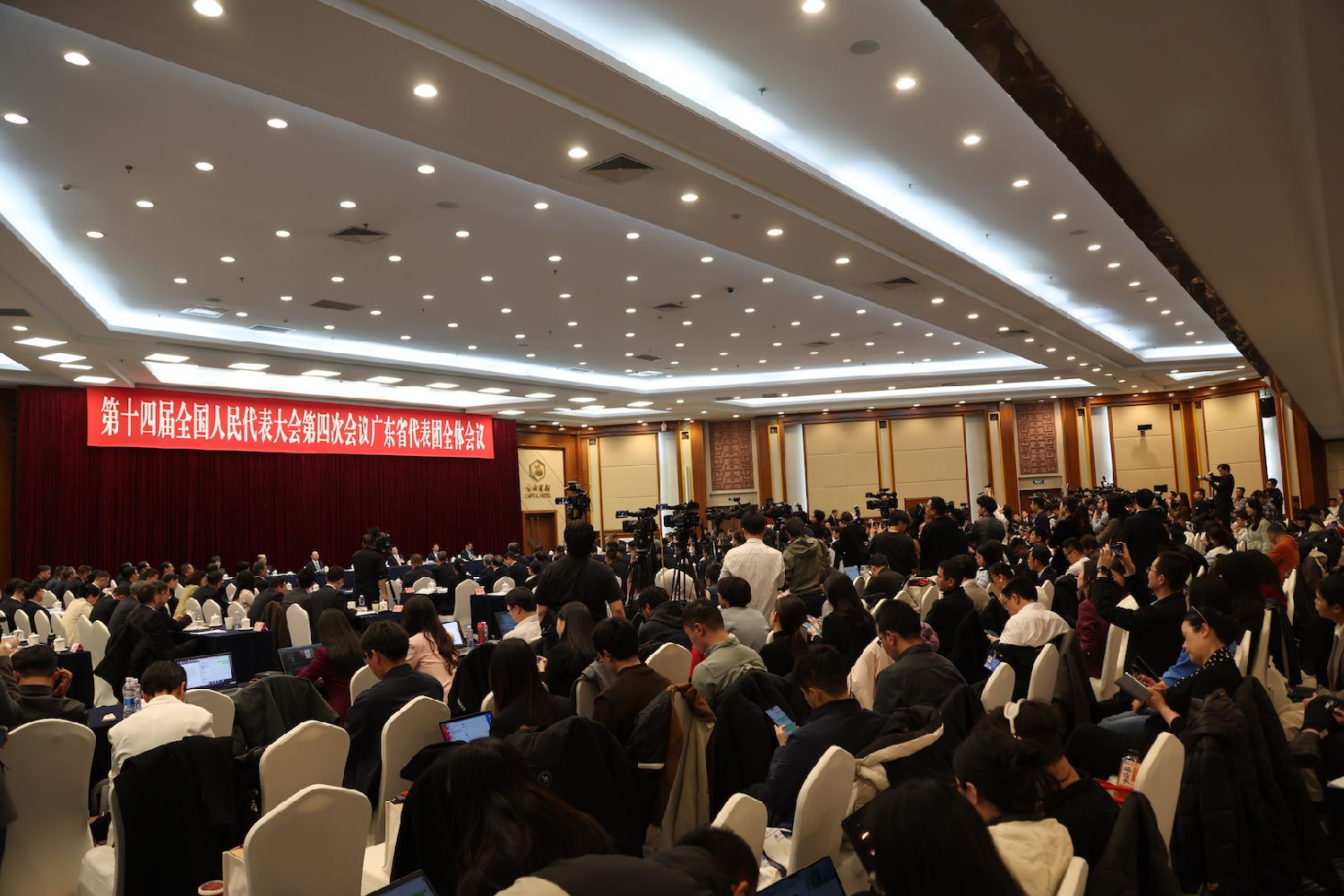
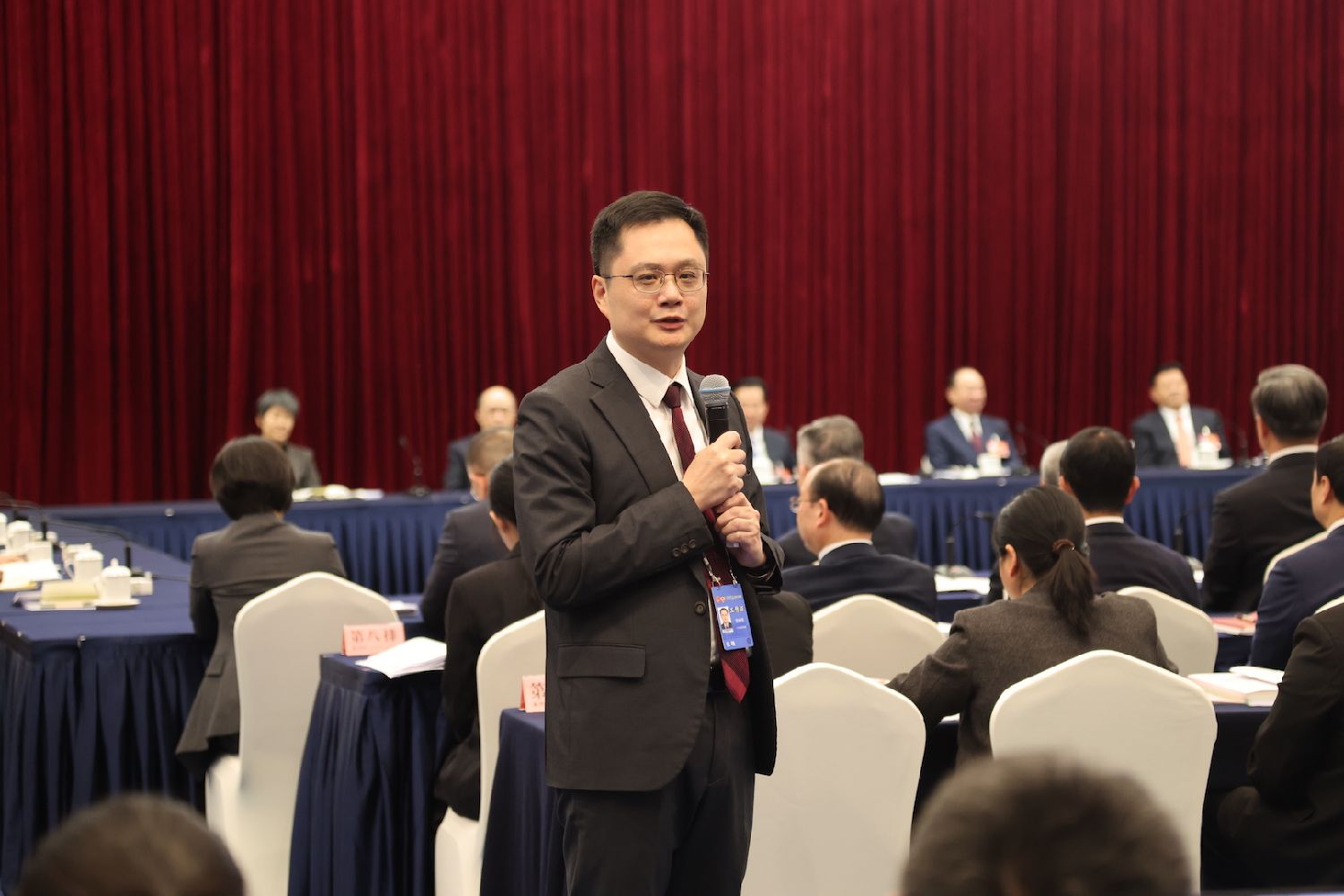
在中国一年一度的全国两会期间,各省代表团的“开放日”早已成为中外媒体观察中国地方治理的重要窗口。其中,经济总量连续多年位居全国第一的广东代表团,几乎每年都是最受关注的会场之一。
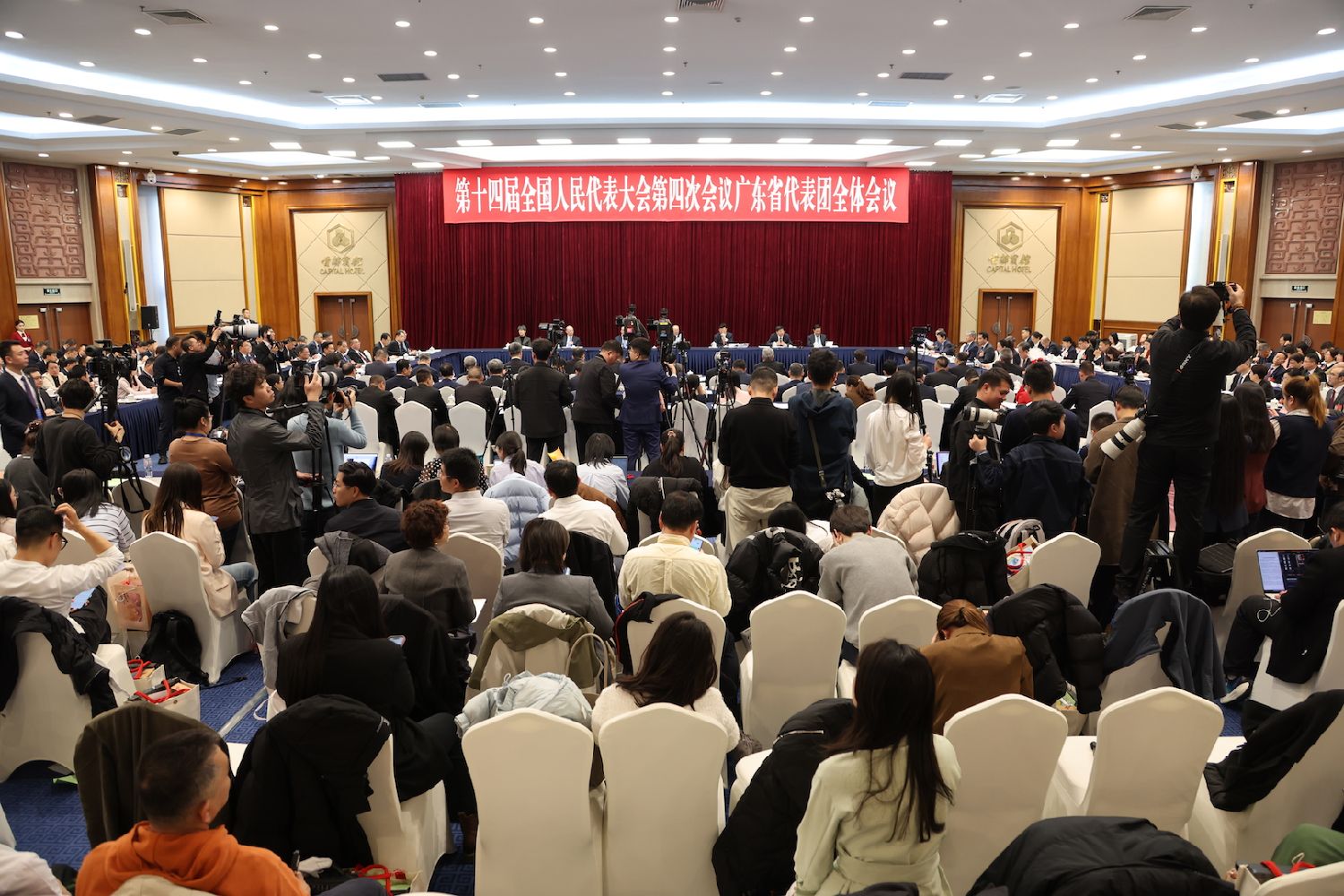
今年3月6日举行的广东代表团开放团组会议,再次吸引了三百多家海内外媒体、数百名记者前来采访。
在会场之外的走廊里,长枪短炮的摄影设备早早架起;
在会场之内,记者们围绕代表席位寻找最佳角度;
会议尚未开始,空气中已弥漫着一种近似体育赛事开场前的紧张与兴奋。
从北欧媒体人的视角来看,这种场面并不仅仅是一次普通的新闻发布会,而更像是一场关于开放信心与发展实力的展示。
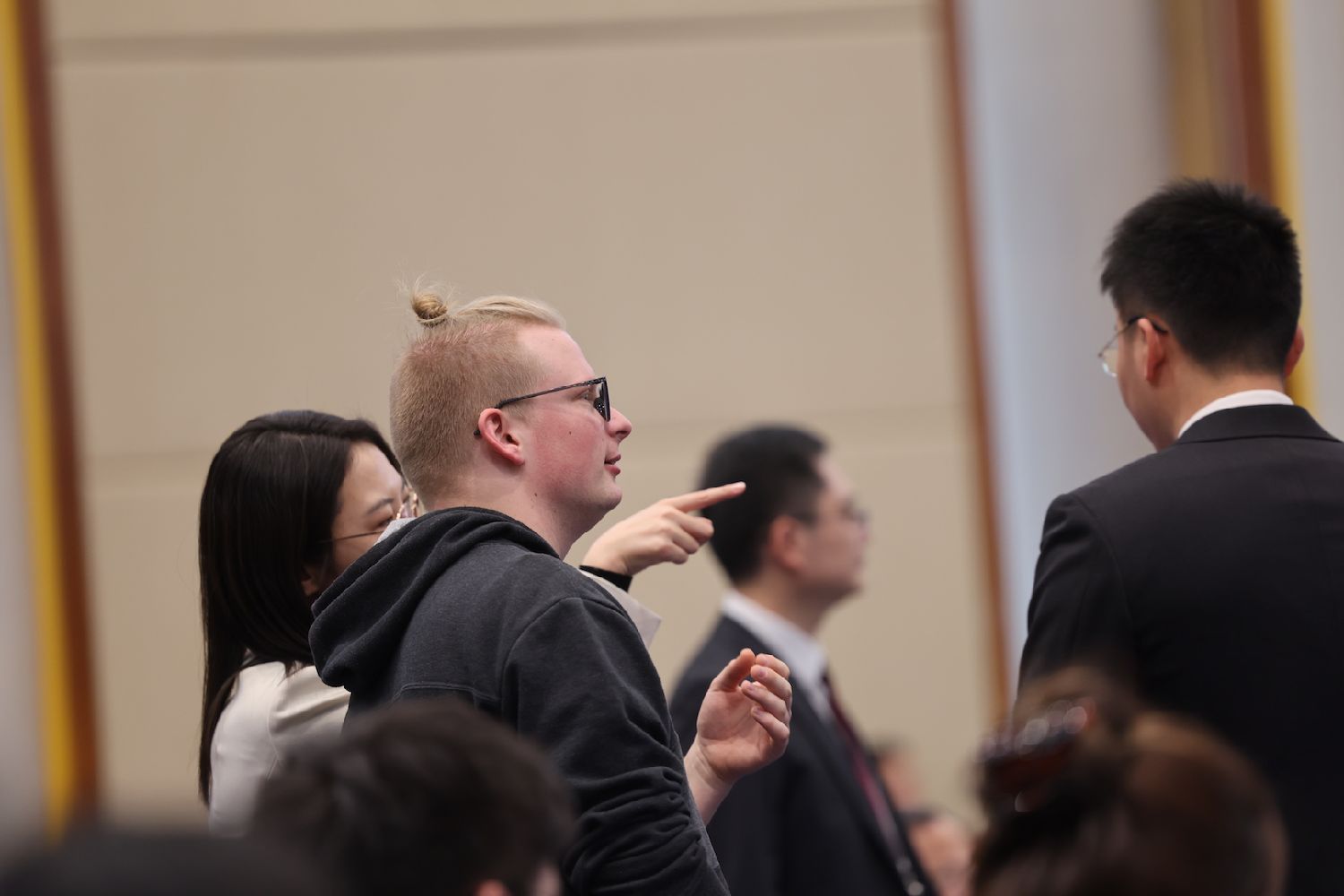
一个细节:记者可以走到代表身边
在很多欧洲国家的议会采访中,媒体与政治人物之间往往保持一定距离——既是制度安排,也是传统惯例。
然而,在广东代表团开放日上,一个颇具象征意味的细节引起不少外媒关注:
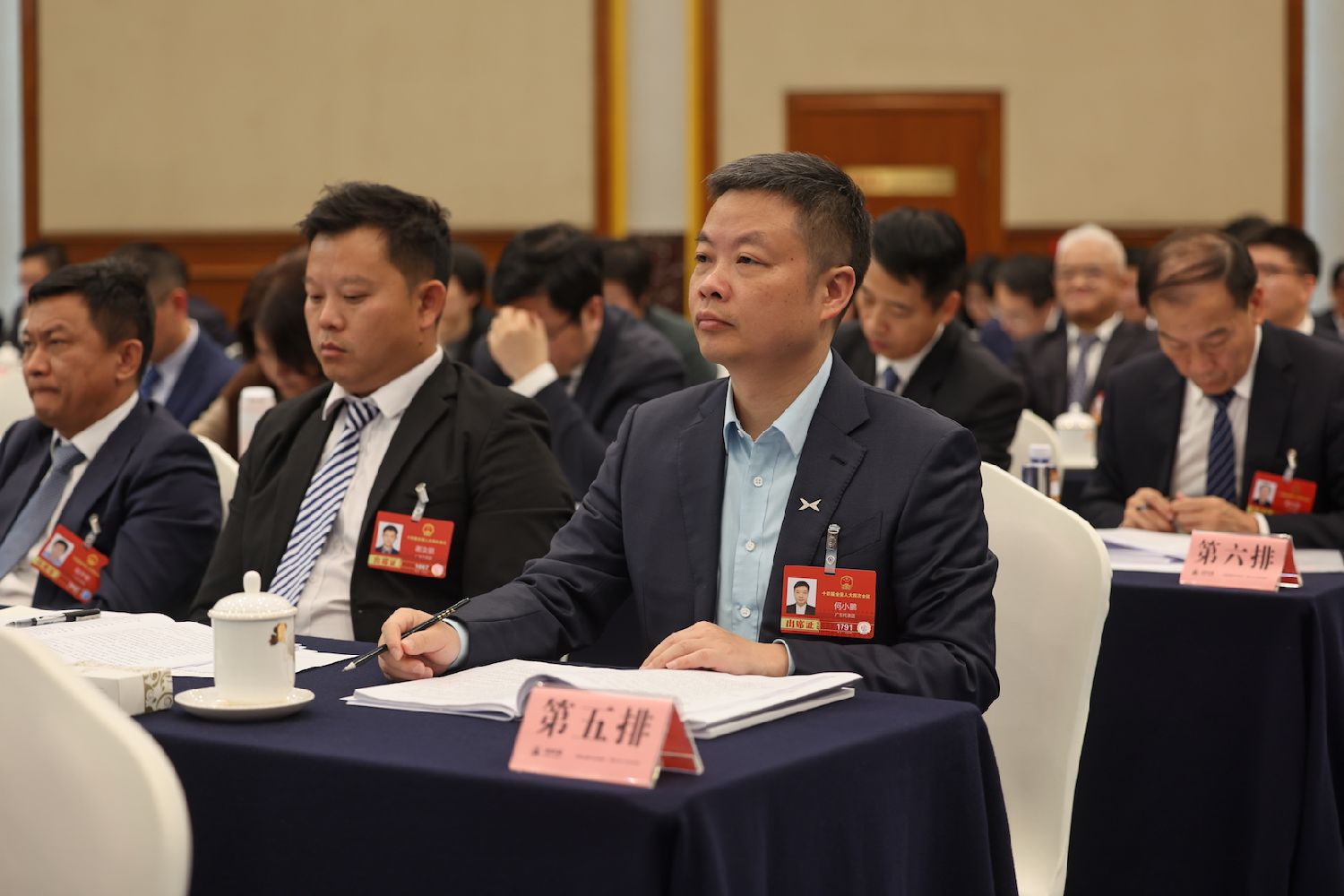
记者可以走进代表区拍摄。
早在2024年的开放日上,广东省委书记就曾主动邀请摄影记者走到发言席附近拍摄。
当时他说的一句话,被不少媒体引用:
“记者朋友们到前面来拍吧。”
此后,这个原本颇具“惊喜感”的举动逐渐成为广东开放日的一种常态。
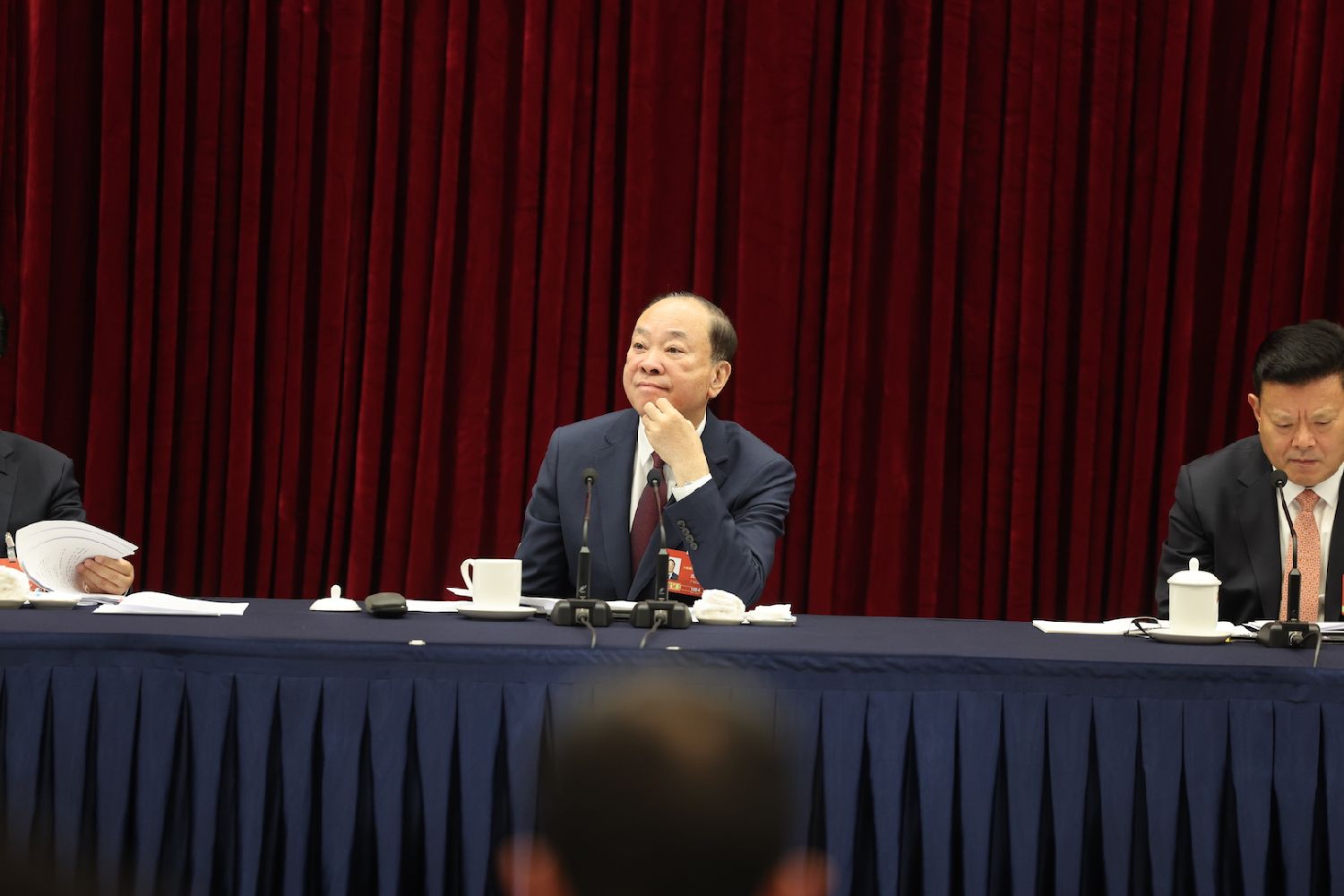
在今年的会场上,记者们在工作人员引导下进入内场拍摄,镜头几乎与代表席位平行。
从某种意义上说,这种空间上的“距离缩短”,正象征着一种更开放的沟通姿态。
万马奔腾的广东经济
如果说开放是姿态,那么经济实力则是广东最有力的底气。
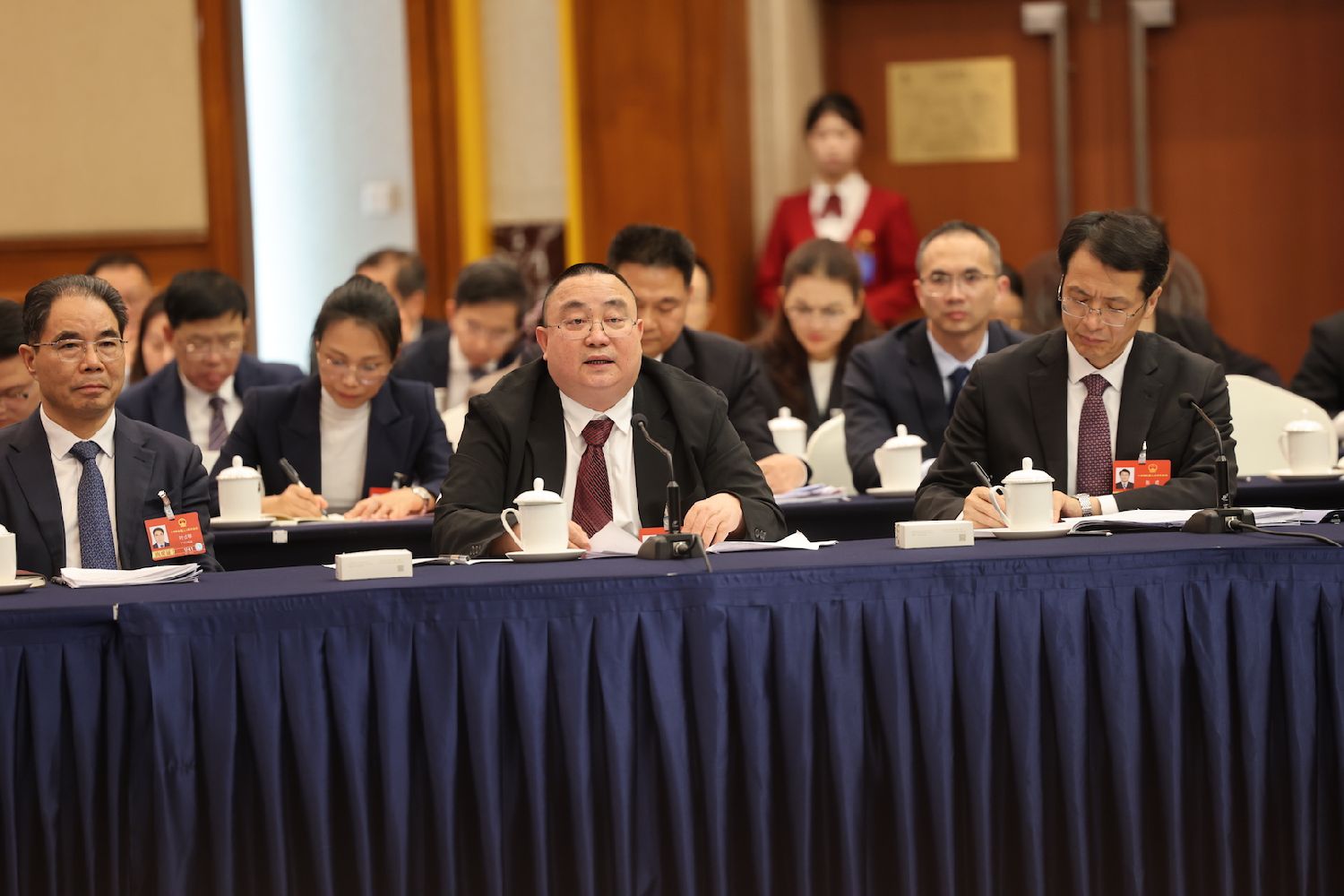
作为中国经济第一大省,广东不仅拥有中国最活跃的制造业体系之一,也在新兴产业领域保持着惊人的速度。
从会场展示的产业案例来看,广东近年来在多个领域形成了新的产业集群:
超高清视频产业
人工智能终端设备
智能机器人
新能源汽车产业链
这些产业正在构建广东新的增长引擎。
例如,在会场展示区,不少记者被一批新产品吸引驻足——
AI机器人、智能翻译设备、智能终端产品,以及各类数字化消费产品。
这些“硬核广货”不仅展示了制造能力,也展示了中国技术产业链正在不断升级。
大湾区:三座GDP“3万亿城市”
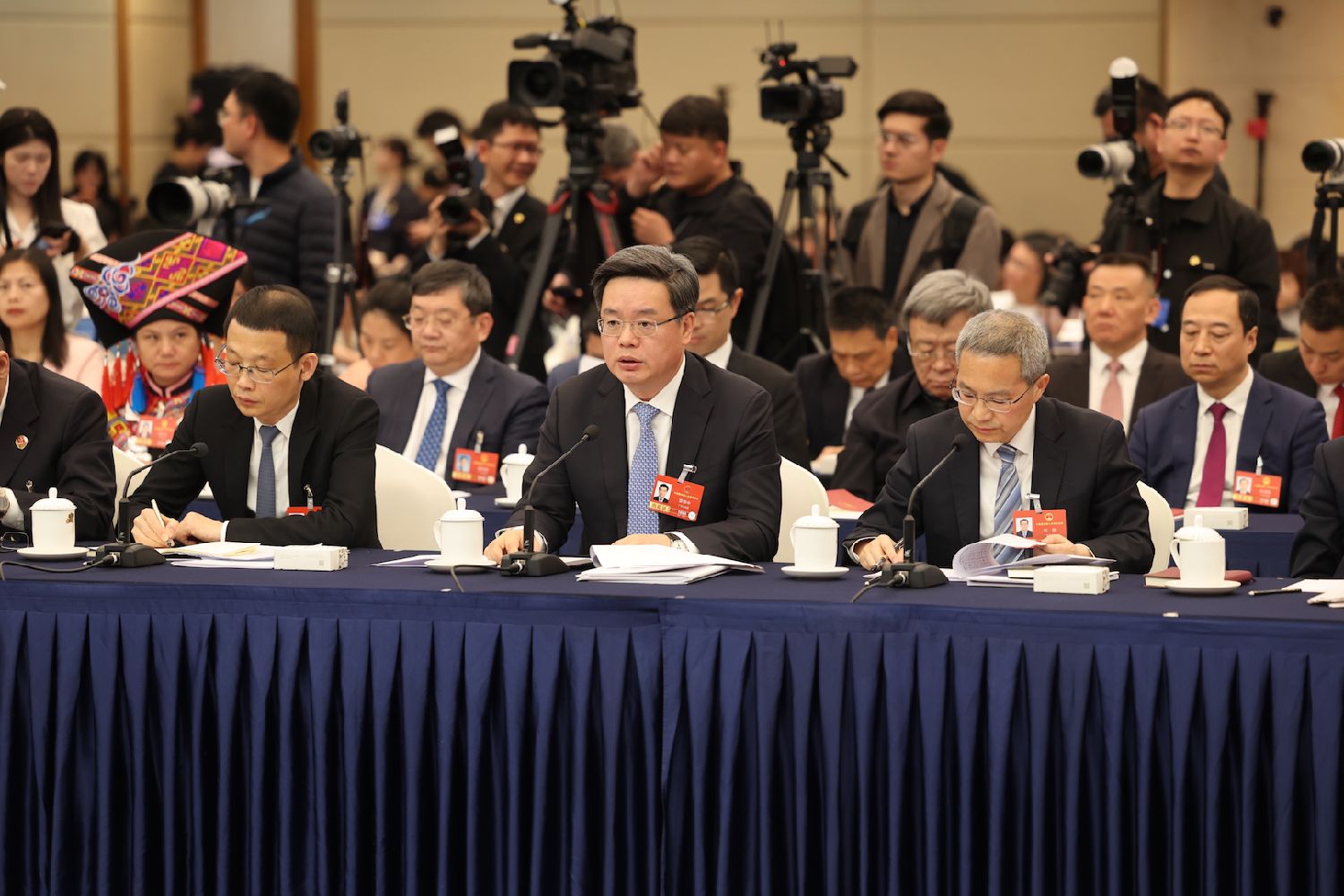
广东代表团开放日的另一个焦点,是粤港澳大湾区的发展。
根据公开数据,中国目前GDP超过3万亿元人民币的城市共有六座,而其中一半位于大湾区:广州、深圳、香港。
这一城市群已经成为中国经济最具活力的区域之一。
而随着交通基础设施的不断完善,例如港珠澳大桥的通车,以及的“五跑道时代”,大湾区的连接能力正持续增强。
从全球城市群的发展规律来看,一个拥有高密度交通网络与创新产业集群的区域,往往会成为新的经济增长极。
媒体镜头里的中国信心
从北欧观察中国,往往容易忽视一个细节:
中国的发展不仅发生在政策文件里,也发生在这些会场的细节之中。
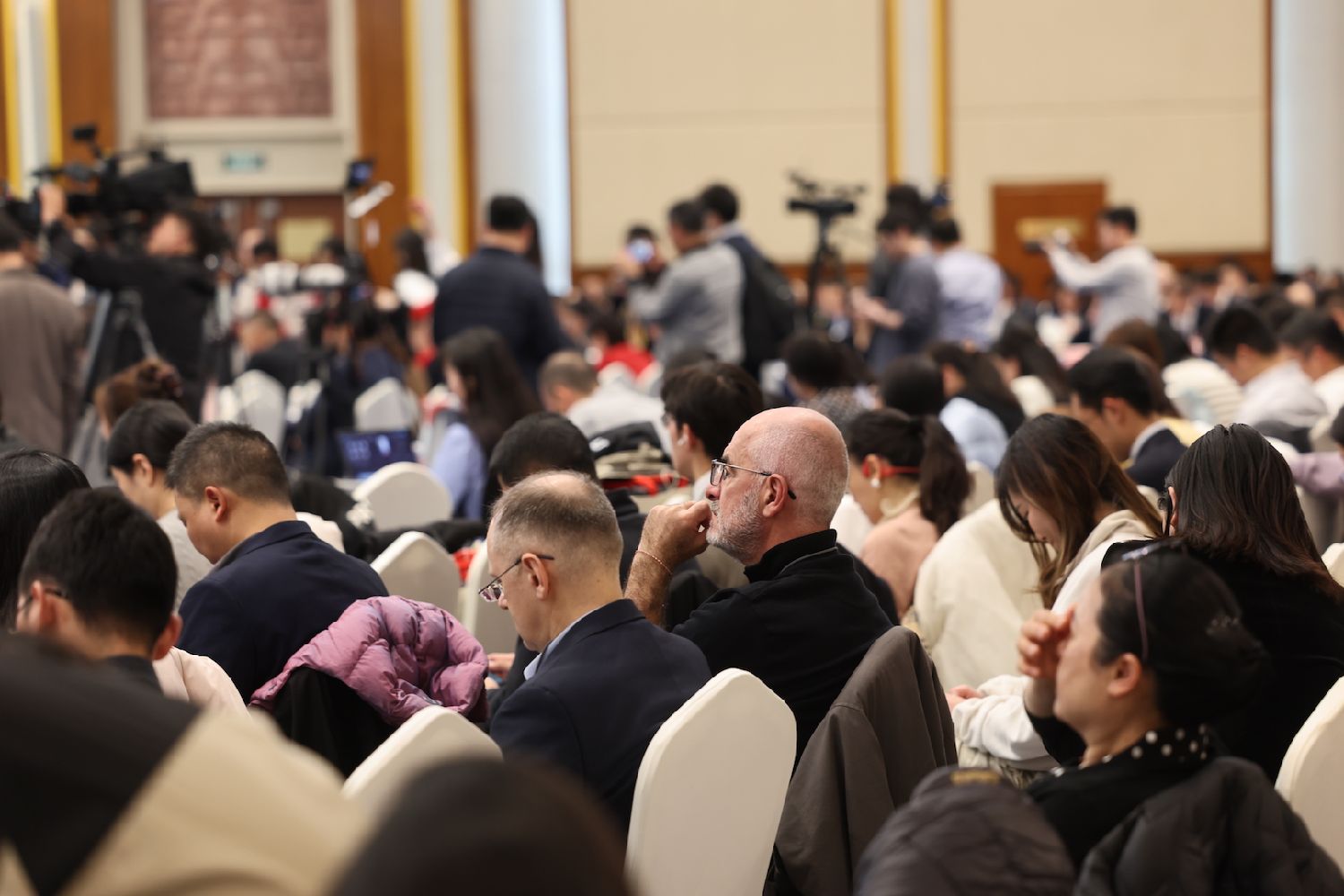
当数百名记者举起相机时,他们记录的不仅是代表发言,更是一个国家的开放姿态。
当记者被邀请走进代表区拍摄时,他们看到的不只是会议流程,而是一种政治文化的变化。
当展示区摆出人工智能产品时,镜头捕捉到的则是中国制造向中国创新转型的缩影。
龙马精神的时代气质
中国文化中有一个词——龙马精神。
它象征着一种昂扬向上的力量。
在广东代表团开放日的现场,这种精神似乎可以用另一种方式来形容:万马奔腾。
数百名记者的镜头、无数产业创新的故事、以及一个经济大省持续释放的开放信号,共同构成了这一场景。
在全球经济格局不断变化的今天,这样的画面也许正是理解中国的一把钥匙。
一个国家的活力,有时并不只体现在宏观数据中。
它也体现在这样的瞬间——
当世界的目光聚焦时,中国选择打开大门。
——《北欧时报》两会观察评论
Beijing/Stockholm
2026年全国两会期间
Nordic Chinese Times Commentary
Galloping Guangdong:Openness,Confidence,and the Spirit of a Rising Economic Power
During the annual national sessions in Beijing,the“Open Day”meetings of provincial delegations have become an important window through which domestic and international media observe regional governance and economic development in China.Among them,the delegation of Guangdong—China’s largest provincial economy—has consistently been one of the most closely watched.
On March 6, the Guangdong delegation held its open group meeting during the Fourth Session of the Fourteenth National People’s Congress.More than three hundred domestic and international media organizations gathered at the venue,bringing hundreds of journalists to the hall.
Long before the meeting began,reporters had already arrived to set up cameras and recording equipment.Inside the venue,journalists moved carefully through the space searching for the best vantage points.The atmosphere felt less like a routine meeting and more like the opening moments of a major international forum.
From a Nordic observer’s perspective,the scene reflected not only curiosity about Guangdong but also the broader global interest in China’s economic trajectory.
A Symbolic Detail:Journalists Standing Beside the Delegates
In many European parliamentary systems,journalists observe proceedings from designated areas at a distance from lawmakers.
At Guangdong’s Open Day,however,a detail drew particular attention:
journalists were allowed to move into the delegates’area to photograph the discussions.
This practice began several years ago when Guangdong’s provincial leadership invited photographers to step closer to the speakers’area during the session.What initially appeared to be a spontaneous gesture gradually became a routine feature of the event.
Today,media access during the Guangdong Open Day reflects a deliberate effort to demonstrate openness and transparency.Photographers stand only steps away from delegates as discussions unfold,capturing moments of debate and interaction at close range.
This physical proximity between media and policymakers carries symbolic meaning.It suggests a governance culture increasingly willing to engage directly with public scrutiny.
Guangdong’s Economy:A Galloping Engine
If openness forms the atmosphere of the event,economic strength provides the foundation.
Guangdong has long been China’s largest provincial economy and one of the most dynamic manufacturing centers in the world.In recent years the province has accelerated its transition toward advanced technology industries and digital innovation.
Displays near the meeting venue highlighted several of Guangdong’s emerging sectors:
artificial intelligence robotics
smart translation and digital communication devices
intelligent consumer electronics
advanced manufacturing technologies
These products illustrate the transformation of China’s industrial ecosystem—from large-scale manufacturing toward technology-driven innovation.
At the same time,Guangdong has developed new trillion-yuan industrial clusters in fields such as ultra-high-definition video technology,artificial intelligence applications,and smart equipment manufacturing.
The Greater Bay Area:A Powerful Urban Cluster
Another major topic during the event was the development of the Greater Bay Area,one of Asia’s most dynamic metropolitan regions.
Within this region are three cities whose annual economic output has surpassed three trillion renminbi:Guangzhou,Shenzhen,and Hong Kong.
Together they form a powerful economic triangle linking finance,technology,and global trade.
Major infrastructure projects have further strengthened the region’s connectivity.The Hong Kong–Zhuhai–Macao Bridge spans the waters of the Pearl River Delta,while Guangzhou Baiyun International Airport has expanded into a major aviation hub with five runways.
Such dense networks of transportation and innovation often serve as catalysts for global economic growth.
What the Cameras Capture
From a Nordic perspective,discussions about China often revolve around policy statements or macroeconomic indicators.
Yet events like Guangdong’s Open Day reveal another dimension of China’s development.
When hundreds of cameras rise simultaneously,they capture more than speeches.They document a broader narrative about transparency,governance,and economic transformation.
When journalists stand next to delegates,the image reflects an evolving relationship between government institutions and the media.
And when advanced technology products appear in the exhibition area,they illustrate the direction in which China’s industrial future is moving.
The Spirit of Momentum
In Chinese culture,there is a phrase describing vitality,determination,and forward movement:the spirit of the dragon horse.
The atmosphere at the Guangdong Open Day seemed to embody this spirit.
Hundreds of journalists raising cameras,delegates discussing development strategies,and technology companies showcasing new products—all combined to create an image of energy and confidence.
It felt like witnessing a moment of motion—like countless horses galloping forward across an open field.
In a rapidly changing global economy,such moments may offer an important key to understanding China.
A nation’s momentum is not visible only in economic statistics.Sometimes it can be seen in a single room where the world’s cameras are watching and the doors remain open.
—Commentary,Nordic Chinese Times
Beijing/Stockholm
During the National Sessions,March2026
Nordic Chinese Times Commentary
