从数据承诺到现实挑战:中国“十五五”民生蓝图的外媒观察
——瑞典北欧时报记者北京现场报道
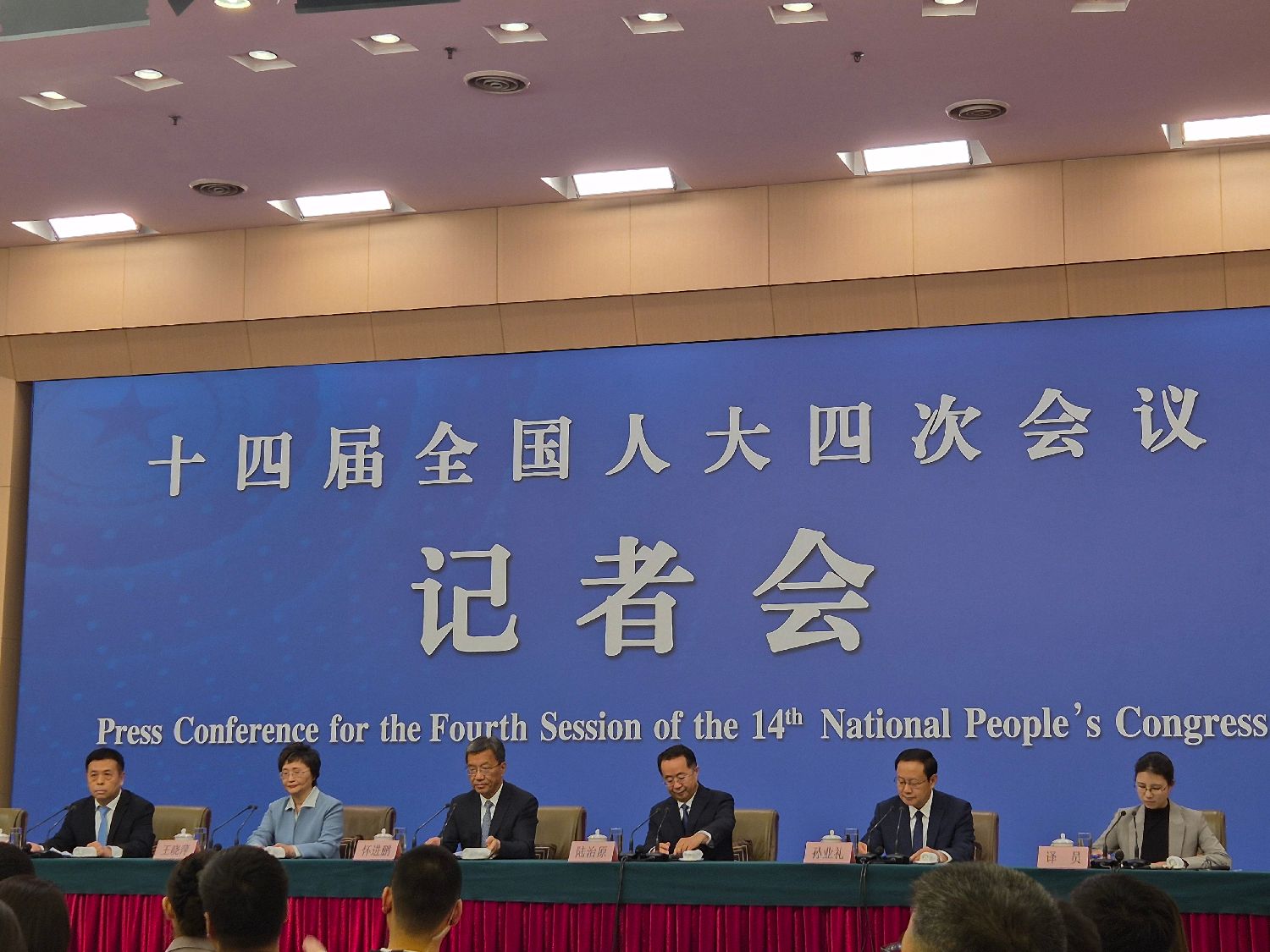
2026年3月7日上午,北京梅地亚中心。中国五位掌管核心民生部门的部长——教育、民政、人社、文旅、卫健——罕见地同台亮相,在十四届全国人大四次会议的记者会上,面对中外媒体,详细阐述了这个国家在未来五年(“十五五”时期)关乎14亿人福祉的施政路线图。这是一场信息量巨大的政策宣示会,也是一次精心编排的治理能力展示。
教育:在“规模最大”与“质量最优”之间寻求平衡
教育部长怀进鹏开篇即强调中国拥有“世界上规模最大”的教育体系(44万所学校,2.8亿学生)。然而,对于外媒观察者而言,更值得关注的是如何将“最大”转化为“最优”的具体路径。部长提出的“健康第一”理念和让学生“眼里有光”的愿景颇具感染力,但其背后是应对学业压力、心理健康问题以及城乡教育资源不均等长期挑战的迫切性。承诺开展“阳光招生”专项行动和校园安全治理,直指家长和社会对教育公平与安全的核心关切。这些举措能否有效遏制择校热、课外培训负担等顽疾,将是衡量其成功的关键。
民政:应对“银发浪潮”的举国体系
民政部长陆治原描绘了一幅应对深度老龄化的国家行动蓝图。建立覆盖县、乡、村的三级养老服务网络,并向中度失能老人发放消费补贴(已覆盖89.2万人),显示了财政投入的决心。8万个老年助餐点每天服务超300万人的数据,直观地反映了需求的规模与政府响应的速度。然而,将“9073”(90%居家养老、7%社区养老、3%机构养老)的养老格局从蓝图变为现实,需要庞大的专业护理人才队伍和可持续的长期资金支持,这对任何国家都是巨大考验。中国正在进行的这场养老体系构建,其规模和速度世所罕见。
人社:在技术变革与就业稳定间走钢丝
人力资源和社会保障部长王晓萍承认就业形势“总体稳定但有挑战”。在人工智能可能重塑劳动力市场的时代,中国计划今年开展超1000万人次补贴性培训,并聚焦低空经济、人工智能等新领域,这是一项前瞻性布局。将职业伤害保障试点扩大到全国,旨在为庞大的快递员、网约车司机等新就业形态劳动者提供底线安全网。面对预计1270万的高校毕业生,政府承诺“招聘不打烊”,但如何在高学历青年就业期望与经济结构转型之间找到平衡点,压力依然不小。
文旅:繁荣市场与治理能力的同步测试
文化和旅游部长孙业礼给出的数据令人印象深刻:2025年超65亿人次国内旅游,2026年春节假期花费超8000亿元人民币。这印证了中国消费市场的巨大韧性。然而,部长同时强调对市场乱象“零容忍”,重点整治强迫消费、虚假宣传等。这揭示了一个现实:空前的市场规模也放大了监管难度。推动“跟着演出去旅行”等文旅融合新业态,是中国寻求经济增长新动能的缩影,但其成功依赖于持续的内容创新和真正的体验提升,而非简单的概念叠加。
卫健:从“治病”到“健康”的战略转型
国家卫生健康委员会主任雷海潮的报告充满了具体数字:育儿补贴累计发放10800元(惠及3300万婴幼儿),90%居民15分钟内可达医疗点,2025年人均预期寿命79.25岁。这些是衡量民生改善的硬指标。未来五年,建设约1000个紧密型县域医共体,意味着医疗改革的重点进一步下沉到基层,旨在破解“大病挤城市”的难题。为13岁女孩免费接种HPV疫苗等10项新实事,则显示了公共卫生政策正变得更加精准和预防导向。
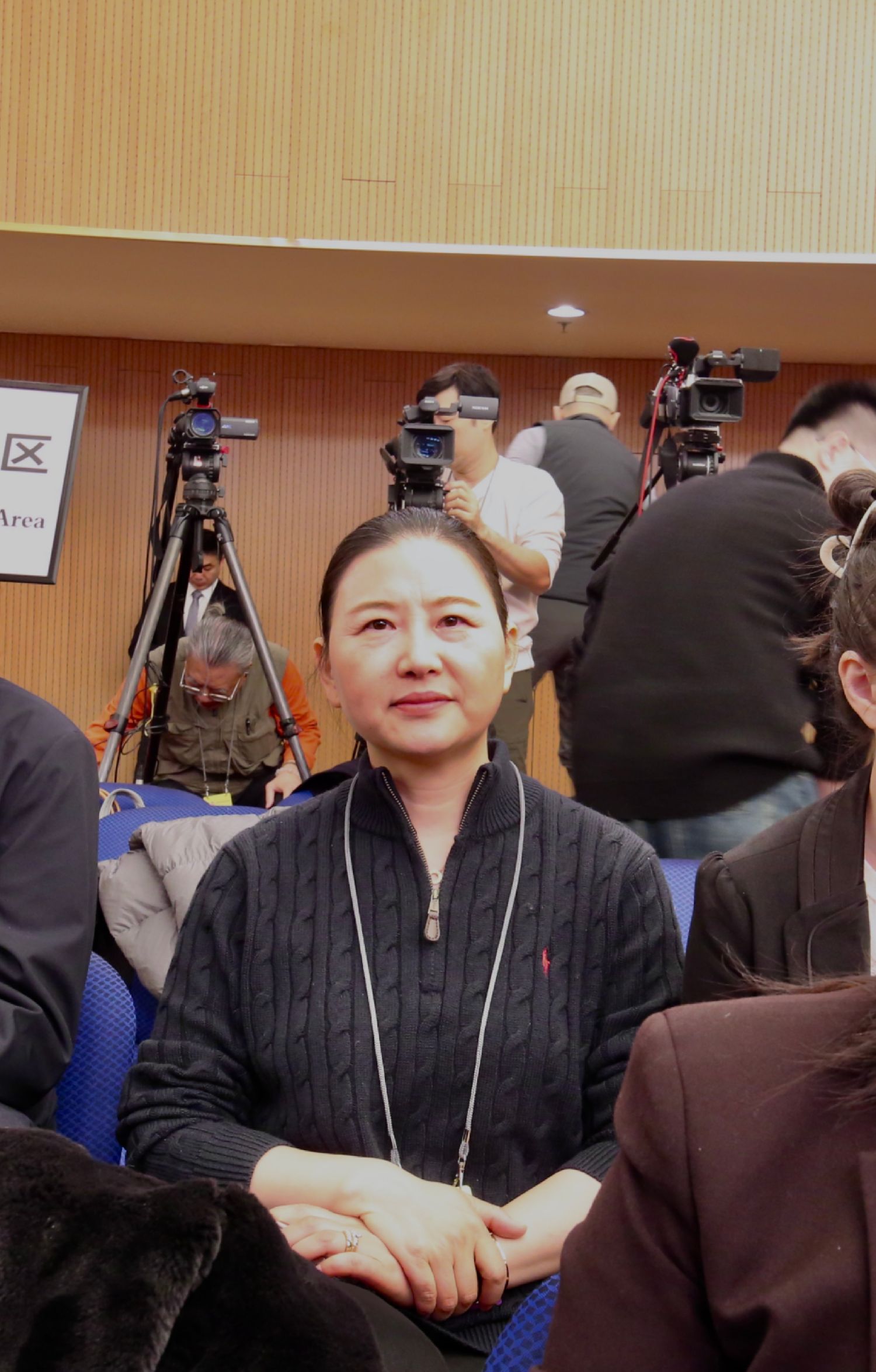
北欧观察
整场记者会传递出一个清晰信号:在“十五五”开局之年,中国执政团队将民生保障置于施政的核心位置,试图通过系统性的政策设计和规模化的财政投入,来回应社会焦虑、提振公众信心。部长们展示了详实的数据和具体的项目,体现了“工程化”治理的思路。
从外媒视角看,这些宏大的承诺能否在幅员辽阔、发展不均的国土上均匀落地,将是最大的观察点。例如,县乡村三级养老网络在偏远地区的实现程度,或基层医疗机构的真实服务能力。此外,在地方财政压力背景下,诸多补贴和投资计划的可持续性也值得关注。这场记者会勾勒了一幅雄心勃勃的民生蓝图,其实现过程,将是观察中国国家治理能力现代化最真实的窗口。
From Data Promises to Real-World Challenges:Foreign Media Observations on China’s15th Five-Year Livelihood Blueprint
—Reported from Beijing by a correspondent ofNordic Chinese Times(Sweden)
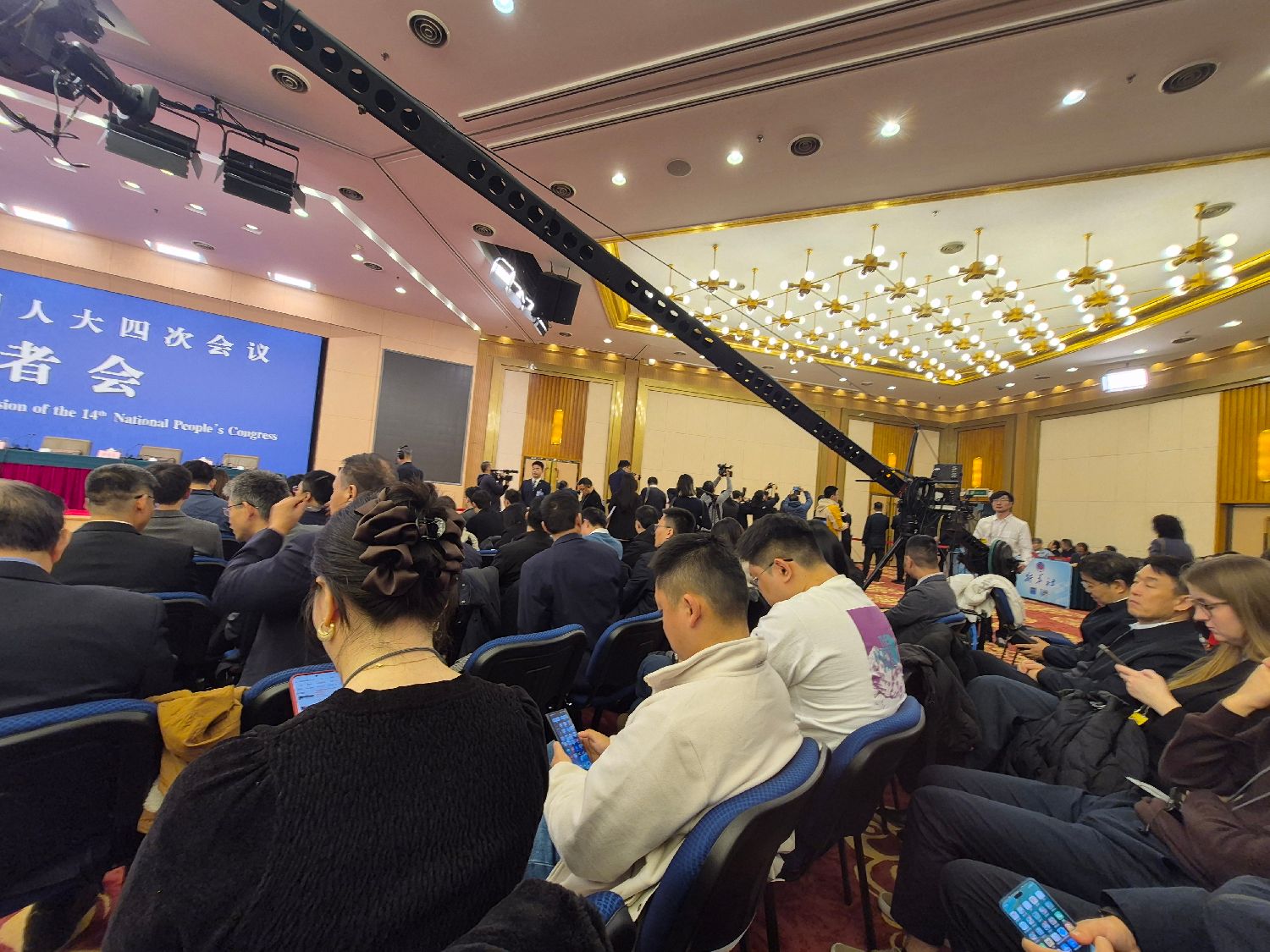
On the morning of March7,2026,at the Media Center in Beijing,five Chinese ministers responsible for key livelihood sectors—education,civil affairs,human resources and social security,culture and tourism,and health—appeared together in a rare joint briefing during the Fourth Session of the14th National People’s Congress.
Facing both Chinese and international journalists,they outlined the government’s policy roadmap affecting the well-being of1.4billion people during the coming five-year period known as the“15th Five-Year Plan.”
The press conference was not only a dense policy announcement but also a carefully staged demonstration of governance capacity.
Education:Seeking Balance Between the“Largest”and the“Best”
China’s Minister of Education,,opened by emphasizing that China operates thelargest education system in the world,with440,000schools and280million students.
For foreign observers,however,the more significant question is how this enormous scale can be transformed into higher quality.The minister’s vision—placing“health first”and ensuring that students have“light in their eyes”—is both vivid and aspirational.Yet it also reflects urgent challenges such as academic pressure,youth mental health concerns,and disparities between urban and rural educational resources.
A proposed“sunshine admissions”initiative and strengthened campus safety governance aim to address public concerns about fairness and security.Whether these measures can effectively curb persistent problems—such as school selection competition and the burden of extracurricular tutoring—will be a key test of their effectiveness.
Civil Affairs:Building a National System for the“Silver Tsunami”
Minister of Civil Affairs presented a national strategy for coping with rapid population aging.
Plans include establishing a three-tier elderly care network covering counties,townships,and villages.Consumption subsidies for moderately disabled seniors—already benefiting892,000people—signal the government’s willingness to commit fiscal resources.Meanwhile,more than80,000community meal stations now serve over3million elderly people daily,illustrating both the scale of demand and the government’s response.
However,transforming the“9073model”(90%home-based care,7%community care,3%institutional care)from policy design into reality will require a massive professional caregiving workforce and sustainable long-term financing.For any country,such a transformation would be daunting.China’s attempt to build an elderly care system of this scale and speed is unprecedented.
Employment:Walking a Tightrope Between Technological Change and Job Stability
Minister of Human Resources and Social Security acknowledged that employment conditions are“generally stable but facing challenges.”
As artificial intelligence reshapes global labor markets,China plans to providesubsidized training for more than10million people this year,focusing on emerging sectors such as the low-altitude economy and AI industries.
The expansion of occupational injury insurance nationwide aims to provide basic security for gig-economy workers—couriers,ride-hailing drivers,and others in flexible employment arrangements.
With an expected12.7million university graduatesentering the labor market this year,the government has pledged that recruitment efforts will“never close.”Yet balancing the expectations of highly educated young people with structural changes in the economy remains a significant challenge.
Culture and Tourism:Market Prosperity Meets Governance Pressure
Minister of Culture and Tourism cited striking figures:over6.5billion domestic tourist trips in2025,andmore than800billion yuan spent during the2026Spring Festival holiday.
These numbers reflect the resilience of China’s consumer market.At the same time,the minister stressed a policy of“zero tolerance”toward market abuses such as forced consumption and false advertising.
The enormous scale of the tourism market inevitably amplifies regulatory challenges.Initiatives such as“traveling with performances”—linking cultural events to tourism—illustrate China’s search for new economic growth engines.Yet their long-term success will depend on genuine content innovation and improved visitor experiences,rather than simply layering new concepts onto existing attractions.
Health:A Strategic Shift from Treating Illness to Promoting Health
,head of the National Health Commission,presented a report filled with concrete indicators.
Child-care subsidies totaling10,800yuan per familyhave benefited33million infants and toddlers,while90%of residents can reach a medical facility within15minutes.China’slife expectancy reached79.25years in2025,another key indicator of improved public health.
Over the next five years,the government plans to establish about1,000integrated county-level medical alliances,shifting healthcare reform toward grassroots services in order to reduce pressure on major urban hospitals.
Programs such as free HPV vaccinations for13-year-old girls highlight a more targeted and preventive approach to public health policy.
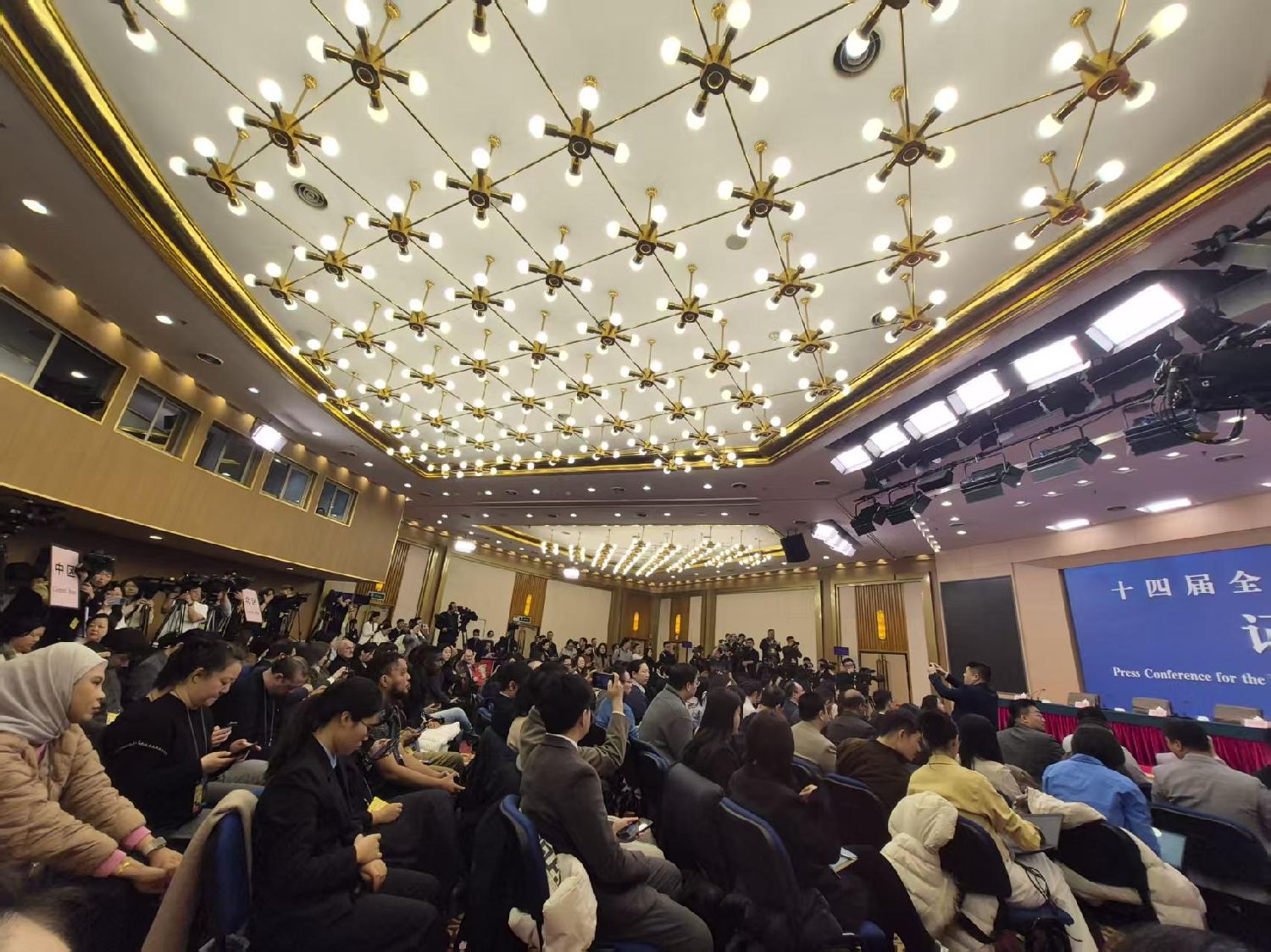
Observer’s Conclusion
The press conference delivered a clear signal:at the start of the15th Five-Year Plan period,China’s leadership is placingpublic welfare and livelihood security at the center of governance,seeking to address social concerns and strengthen public confidence through systematic policy design and large-scale fiscal investment.
The ministers presented extensive data and concrete programs,reflecting what might be described as an“engineering-style”approach to governance.
From the perspective of foreign media,the key question will be how evenly these ambitious commitments can be implemented across a vast country marked by uneven development.The effectiveness of county-level elderly care networks in remote regions,or the real service capacity of grassroots medical institutions,will be important indicators.
Moreover,amid growing fiscal pressure at the local level,the sustainability of many subsidy and investment programs deserves continued attention.
This press conference sketched an ambitious blueprint for improving people’s livelihoods.How it unfolds in practice will offer one of the most revealing windows into the modernization of China’s governance system.
