(北欧时报 北京报道)在中国一年一度的政治盛会——全国政协与全国人民代表大会“两会”北京再次成为世界观察中国的重要窗口。恰逢3月8日国际妇女节,全国各界也把目光投向在公共治理、经济发展与社会建设中不断崭露头角的中国女性领导者。
本报在北京两会期间,特别将视线投向中国伟人毛泽东的故乡——湖南。这里不仅是中国革命历史的重要发源地之一,也正成为新时代中国中部地区高质量发展的重要增长极。
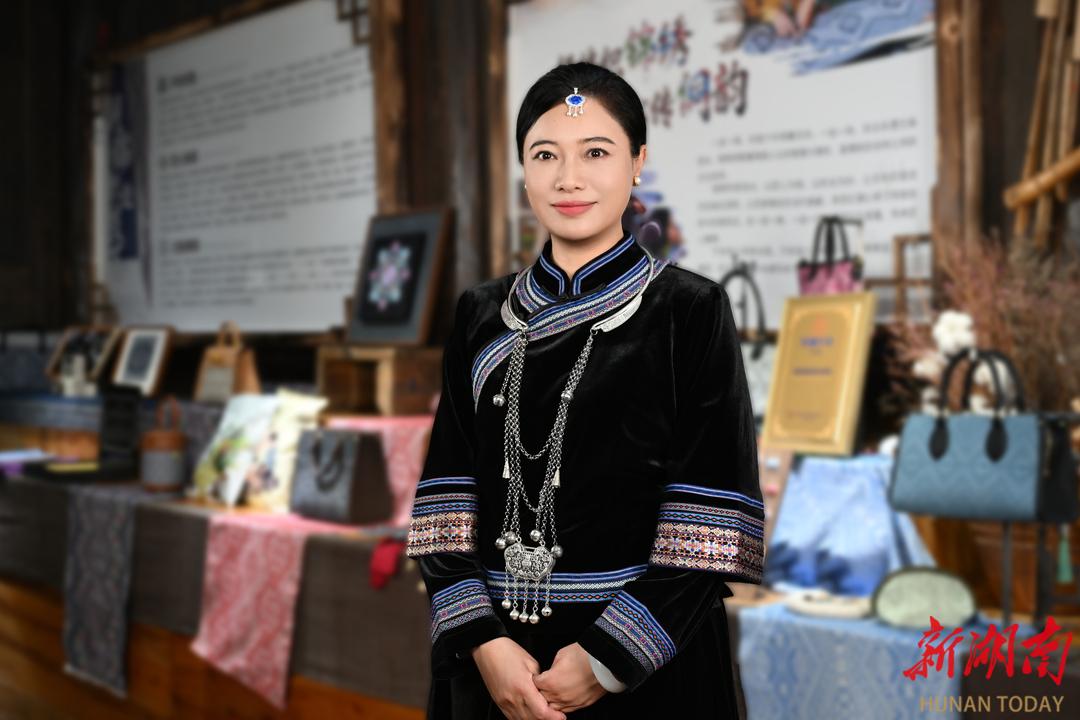
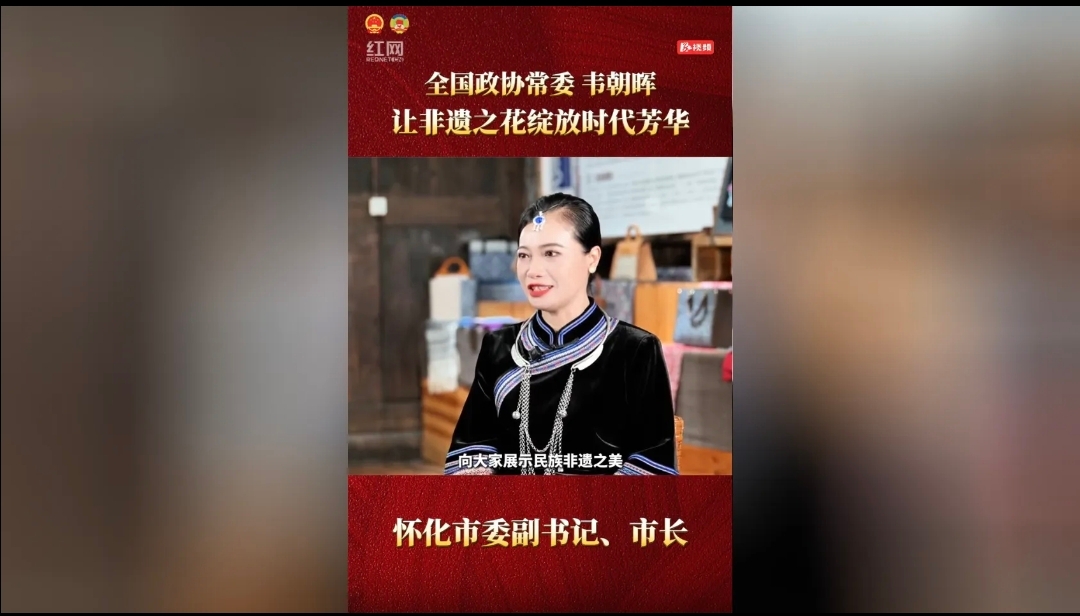
在这个特殊的节日里,本报记者专访了十四届全国政协常委、湖南省怀化市市长韦朝晖。采访伊始,我们首先向这位长期奋战在中国改革开放与区域发展一线的女性领导者致以“女神节”的祝福。
“巾帼不让须眉。”韦朝晖的履历堪称中国地方治理体系中少见的跨区域、多领域实践样本:她曾任广西外经贸厅副厅长、广西贵港市、崇左市副市长,之后奉命到广西河池革命老区任常务副市长,并担任中国—东盟博览会秘书处秘书长,在推动中国—东盟经贸合作中发挥了重要作用。如今,她跨省履职,来到湘西门户怀化,肩负起推动区域开放与产业转型的重要使命。
值得一提的是,韦朝晖还是一位工学博士,具备国际化视野与流利英语能力。本报此前曾对她进行过深度采访,对她务实而开放的治理理念印象深刻。
在全国两会持续进行之际,本报记者再次与韦朝晖市长展开对话,围绕区域发展、开放合作以及中部城市在中国式现代化进程中的角色展开交流。以下,是她在百忙之中回复本报的专访内容。
北欧时报1问:
关于战略跃升:怀化国际陆港已从“地方设想”跃升为“国家战略”。在“十五五”开局之年,怀化将如何利用这一战略机遇,实现从“通道经济”向“枢纽经济”的质变?
韦市长答:从“地方设想”升级为“国家战略”,是怀化国际陆港发展进程中的历史性跨越,更是我们乘势而上、加快发展的重大机遇。“十五五”开局之年,我们的核心任务,就是将通道优势切实转化为发展胜势,推动货物从“过境怀化”向“落地怀化、增值怀化、辐射全球”转变,加快从“通道经济”向“产业经济”进而向“枢纽经济”深刻转型。围绕这一目标,我们将重点实施“六度”提升行动:
一是提升战略首位度。立足湘鄂渝黔桂五省边际区域性中心区位,强化跨境班列主通道优势。做优冷链物流特色,使生鲜、果蔬、肉类等货物优先选择怀化。联合北部湾港优化铁海联运,推行“一企一策”定制服务,打造区域首选物流服务商。
二是提升物流通达度。全面深化与广西沿海、沿边重点口岸的合作,积极推动怀化—桂林高铁开工建设,打通中西部至北部湾港、凭祥友谊关最便捷的出海出边通道,真正实现“借船出海、借道开放”。
三是提升开放便利度。对标RCEP、CPTPP等高标准经贸规则,探索推进中老、中越班列“铁路境内段运费扣减”政策落地,推广“直装直提”“附条件提离”等便利化通关模式,推行出口散装集拼货物“先查验、后装运”通关改革等措施,让高效通关成为怀化东盟班列的核心竞争力。
四是提升经济外向度。实施外向型经济培育工程,大力发展进口加工、出口加工、加工贸易,做强临港产业。建设外经贸企业孵化器,提供报关、退税、供应链金融等全链条服务,助力本地企业轻松出海、畅行全球。
五是提升产业集聚度。抢抓国际陆港扩区机遇,做大做强箱包、绿色食品、电子元器件“一主两特”产业,引导装备制造、中医药、绿色矿业等产业链向陆港集聚,加快形成“产聚港兴、港兴产荣”的良性循环。
六是提升陆港智能度。加快建设“AI陆港”,运用多模态大模型、大数据、云计算等技术,打造智慧运营、智能仓储、无感通关、自动化装卸等场景,努力建设成为全省乃至全国智慧物流标杆。
2.问:关于区域协同发展:怀化地处湘鄂渝黔桂五省交界。在推动“鹤中一体化”和五省边际区域协同发展中,怀化将如何发挥“桥头堡”作用,实现从“神经末梢”到“发展高地”的转变?
答:这正是我们怀化“十五五”期间发展的核心命题。您用“桥头堡”形容怀化的区位,非常形象。过去,五省交界的区位曾意味着“边缘”;如今,在西部陆海新通道建设的国家机遇下,这里正从“神经末梢”蜕变为“发展高地”。实现这一转变,关键在于做好“联通”这篇大文章,发挥好枢纽、平台、引擎的作用。我们将从四个维度协同发力:
一是以“硬联通”升级枢纽能级。交通兴,则发展兴。我们将以怀化国际陆港为核心枢纽,加快构建公铁水空多式联运体系。重点推动怀化—桂林高铁早日开工建设,这不仅是中西部至北部湾港(出海)、凭祥友谊关(出边)的最优直达通道,更是跨省黄金旅游廊道、民族团结进步的连心路。加快修通湘黔界的洞口—天柱、铜仁—天柱等高速公路,推进湘桂界的资源—通道高速前期工作,让边界地区的路网越织越密。芷江机场也要加密至重点省会城市的航线。同时,常态化开行中老、中越、中缅国际班列,开通怀化—北部湾港、怀化—盐田港等跨省铁海联运接续班列,真正实现五省边际一小时通勤、半日通达、全域畅联。
二是以“软联通”提升开放水平。路通了,规则和机制更要“通”。我们将主动对接中部地区崛起、成渝地区双城经济圈等重大战略,深化湘鄂渝黔毗邻地区合作,全力争取西部地区大开发、中部地区崛起、革命老区等区域政策共享,积极打造区域性商贸物流中心、教育和医疗中心、消费和旅游集散中心。目前,我们正积极融入西部陆海新通道“13+2”省际协商合作机制,与崇左(凭祥)、钦州、湛江等口岸海关深化协作,建立跨区域生态共治、医疗数据互通、通关便利化等协作机制。
三是以“产联通”激活经济血脉。中心城市的发展离不开坚实的产业支撑。我们不仅要做交通枢纽,更要成为产业协同的组织中心。我们的策略是“共建共享”:与贵州铜仁共建湘黔大(龙)新(晃)经济协作示范园,打造省际产业协作标杆。依托怀化国际陆港,与广西探索共建临港加工、跨境电商等“飞地园区”,打造面向东盟的生鲜集散加工基地。联合周边省市共建农产品、中药材等标准化基地,联手创建区域公共品牌,发展新能源、新材料、电子信息等产业集群,目标是形成“原料在周边、加工在怀化、市场通全国、产品销东盟”的协同发展格局。同时,深度融入大张家界国际旅游区,强化与桂林世界级旅游目的地对接互动,打造跨省的世界级黄金旅游廊道,加快建成全国一流旅游度假目的地。
四是以“心联通”夯实发展根基。地缘相近、人缘相亲,是我们合作最牢固的纽带。我们积极推动民生服务共享,加快建设五省边际区域性医疗中心、教育协同发展联盟,让老百姓享受更优质的跨省服务;鼓励省际交界地区基层群众自主协商议事,学习广西“合寨村”经验,做到“小事不出村”。同时,联合举办大戊梁歌会等民族节庆、农产品展销和体育赛事,让五省边区群众在“走亲戚”般的交流中,真正形成“一家亲、一盘棋、一条心”的浓厚氛围。
3.问:关于非遗活化:怀化拥有丰富的侗族、苗族非遗文化。在推动文旅融合中,如何让非遗“活”起来,既传承文化,又带动就业增收?
答:非遗是怀化的文化富矿,更是当地群众增收的重要依托。要让这些承载民族记忆的古老技艺真正“活”起来,我们始终聚焦“用”字做文章,走出一条“在发展中保护、在保护中发展”的路子,让古老技艺成为带动一方百姓的“金饭碗”。
一是对接市场,让“指尖记忆”变身“指尖经济”。以国家级非遗侗锦为例,其美学价值毋庸置疑,但长期以来“藏在深闺人未识”,面临传承困境。我们曾做过一组直观对比:本地通道侗族自治县一款纯手工侗锦手包,每个售价1980元,一年约能售出500余个,销售额达100万元左右;而广西壮锦借助现代织机与电商营销,将类似产品价格控制在138元至238元区间,一款网红产品单日销售额即可突破200万元。这让我们清晰认识到,“小而美”的手工精品与“大而强”的产业爆款可以并行不悖,核心在于主动拥抱市场。我们采取“两条腿走路”策略:一方面,引入智能织造设备提升产能与品质稳定性,运用纹样基因提取技术,在保留侗锦文化“灵魂”的基础上,让传统纹样灵活适配现代设计,实现产能“跟得上”、产品“用得广”。另一方面,拓宽消费渠道,通过电商、直播等方式,让更多人“用得起、愿意买”,真正将手艺人的付出转化为实实在在的收入。
二是创新场景,让“传统纹样”融入“现代生活”。非遗从来不是博物馆里的静态展品,也不应局限于旅游纪念品,唯有走进老百姓的日常生活,才能获得长久生命力。我们鼓励并引导非遗跨界融合,本地“糖大丹”蛋糕店的实践就带来了很好的启发——他们将侗锦经典的八角纹、侗绣的针脚肌理融入蛋糕裱花设计,既保留了非遗韵味,又贴合现代审美,意外成为节日爆款。这告诉我们,非遗“出圈”往往在“意料之外、情理之中”。我们主动为非遗“牵线搭桥”,鼓励其与时尚设计、家居装饰、数字文创、科技产品等领域大胆“联姻”,创造全新消费场景与情绪价值。当年轻人觉得背一款侗锦元素潮包很酷,家里挂一幅苗绣装饰画有品位时,非遗就真正“活”在了当下,也实现了文化传承的年轻化。
三是联动发展,以“文化共荣”撬动“产业共兴”。作为“全国民族团结进步示范区”,怀化拥有侗族、苗族等多民族非遗交融共生的独特优势。在湘桂黔交界的“三省坡”地区,我们与广西、贵州毗邻市州携手共建民族团结示范带,将“文化共荣”与“产业共兴”作为核心抓手,串联长征红色遗址打造文旅融合线路,以非遗为纽带凝聚区域合力。同时协同发展茶叶、油茶、药材等“两茶一药”生态产业,建成上百个产业基地,年综合产值超33.5亿元。例如,一款融入侗族医药知识的“侗药浴包”仅电商年销售额就突破5800万元,带动大批群众实现家门口就业。这充分证明,非遗活化完全可以成为撬动区域特色产业、带动群众增收的“金钥匙”。
During China’s annual political season—the“Two Sessions”of the and the—Beijing once again becomes an important window for the world to observe China.Coinciding with March8,International Women’s Day,national attention has also turned to the growing role of Chinese female leaders who are increasingly prominent in public governance,economic development,and social progress.
During the Two Sessions in Beijing,our newspaper turned its focus to the home province of one of China’s most influential historical figures——.This region is not only one of the important birthplaces of China’s revolutionary history but is also emerging as a new growth pole for high-quality development in central China.
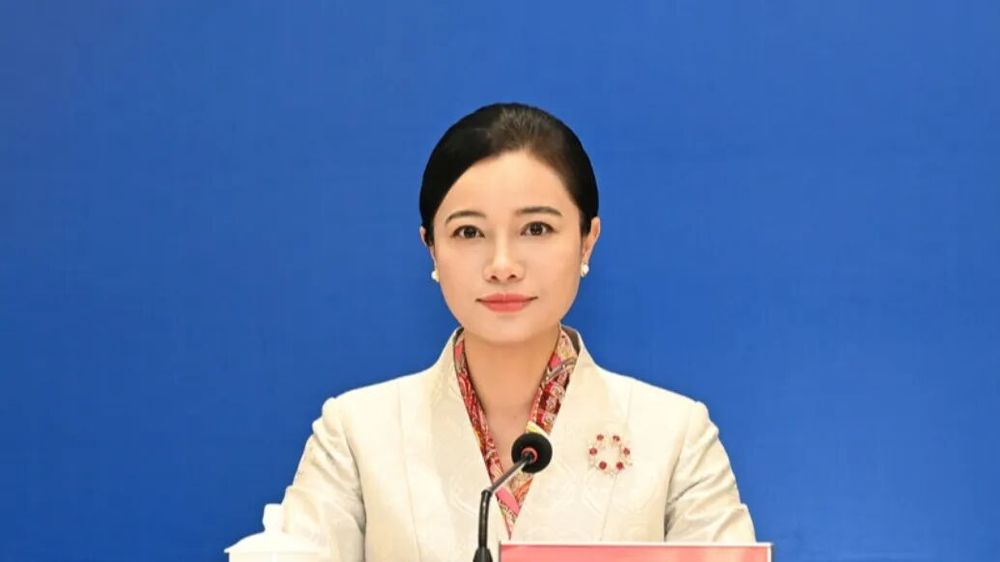
On this special occasion,our correspondent interviewed Wei Zhaohui,Member of the Standing Committee of the14th National Committee of the CPPCC and Mayor of.At the beginning of the interview,we first extended our greetings and congratulations for International Women’s Day to this female leader who has long been working on the frontlines of China’s reform,opening-up,and regional development.
“As capable as any man,”Wei Zhaohui’s career is a rare example of cross-regional and multi-sector leadership within China’s local governance system.She previously served as Vice Director-General of the Guangxi Department of Foreign Trade and Economic Cooperation,Vice Mayor of Guigang and Chongzuo in Guangxi,and later as Executive Vice Mayor in the revolutionary old base area of Hechi.She also served as Secretary-General of the China-ASEAN Expo Secretariat,where she played an important role in promoting China–ASEAN economic and trade cooperation.Today she has taken up cross-provincial leadership responsibilities in Huaihua,the gateway city of western Hunan,where she shoulders the mission of advancing regional openness and industrial transformation.
Notably,Wei Zhaohui holds a PhD in engineering and possesses both an international outlook and fluent English skills.Our newspaper has previously conducted in-depth interviews with her and was deeply impressed by her pragmatic and open governance philosophy.
As the Two Sessions continue,our correspondent once again spoke with Mayor Wei Zhaohui about regional development,openness and cooperation,and the role of central Chinese cities in the process of Chinese modernization.The following is her response to our interview amid her busy schedule.
Nordic Chinese Times Interview
Question1
Strategic Leap:The Huaihua International Land Port has evolved from a“local concept”into a“national strategy.”At the beginning of the15th Five-Year Plan period,how will Huaihua seize this opportunity to transform from a“corridor economy”into a“hub economy”?
Answer:
The upgrade from a“local concept”to a“national strategy”marks a historic leap in the development of the Huaihua International Land Port and represents a major opportunity for us to accelerate growth.
At the start of the15th Five-Year Plan period,our core task is to transform our corridor advantages into real development strengths.We aim to shift from goods merely“passing through Huaihua”to“landing in Huaihua,adding value in Huaihua,and radiating globally.”This will accelerate our transformation from a corridor economy to an industrial economy and ultimately to a hub economy.
To achieve this goal,we will implement six key improvement initiatives:
First,enhancing strategic positioning.
Leveraging Huaihua’s location at the intersection of Hunan,Hubei,Chongqing,Guizhou,and Guangxi,we will strengthen the main cross-border rail corridor.We will optimize cold-chain logistics so that fresh products such as fruits,vegetables,and meat preferentially choose Huaihua as their transit hub.In cooperation with Beibu Gulf Port,we will improve rail-sea transport services and implement customized logistics solutions for enterprises.
Second,improving logistics connectivity.
We will deepen cooperation with key ports along Guangxi’s coast and border areas and promote the construction of the Huaihua–Guilin high-speed railway,creating the most efficient route from western and central China to the Beibu Gulf and the Pingxiang Friendship Pass.
Third,enhancing openness and facilitation.
Benchmarking high-standard trade frameworks such as RCEP and CPTPP,we will explore policies such as freight deductions for domestic railway segments of China–Laos and China–Vietnam trains and expand customs facilitation measures such as“direct loading and direct pickup.”
Fourth,strengthening outward-oriented economic development.
We will promote import processing,export processing,and processing trade,while building port-adjacent industries and establishing incubators for foreign trade enterprises providing services such as customs declaration,tax refunds,and supply chain finance.
Fifth,improving industrial clustering.
Seizing the expansion of the international land port,we will strengthen industries such as luggage manufacturing,green food,and electronic components while encouraging equipment manufacturing,traditional Chinese medicine,and green mining industries to cluster around the port.
Sixth,building a smart land port.
We will accelerate the construction of an“AI Land Port,”integrating multimodal large models,big data,and cloud computing to create intelligent logistics operations,smart warehousing,automated customs clearance,and automated cargo handling.
Question2
Regional Coordination:Huaihua lies at the junction of five provinces.How will the city play a“bridgehead”role in promoting regional integration and transform from a peripheral area into a new development hub?
Answer:
This is precisely the core issue of Huaihua’s development during the15th Five-Year Plan period.
In the past,being located at the border of five provinces meant marginalization.Today,under the national strategy of the New Western Land-Sea Corridor,this location is becoming a strategic advantage.
Our approach focuses on connectivity across four dimensions:
Hard connectivity:building integrated transport systems including highways,railways,waterways,and aviation,with Huaihua International Land Port as the core hub.
Soft connectivity:strengthening institutional coordination,integrating into national strategies such as the Rise of Central China and the Chengdu-Chongqing economic circle,and building regional logistics,education,medical,tourism,and consumption centers.
Industrial connectivity:promoting cross-regional industrial cooperation,building joint industrial parks,and developing clusters in new energy,new materials,and electronic information industries.
People-to-people connectivity:enhancing cooperation in public services,healthcare,education,and cultural exchanges to build a shared regional community.
Question3
Revitalizing Intangible Cultural Heritage:Huaihua has rich Dong and Miao cultural heritage.How can these traditions be revitalized through cultural tourism while also generating employment and income?
Answer:
Intangible cultural heritage is both Huaihua’s cultural treasure and an important source of income for local communities.
Our guiding principle is to ensure that these traditions remain alive through practical application.We focus on three directions:
Market integration:turning traditional handicrafts such as Dong brocade into marketable products through both handmade premium items and industrial-scale production.
Innovation in daily life:integrating traditional patterns into modern design,fashion,home décor,and digital creative industries.
Regional cooperation:using cultural heritage as a bridge to promote cross-regional tourism,ecological industries,and agricultural products,thereby transforming cultural heritage into a powerful driver of regional development and rural prosperity.
