王毅答记者问精选摘要
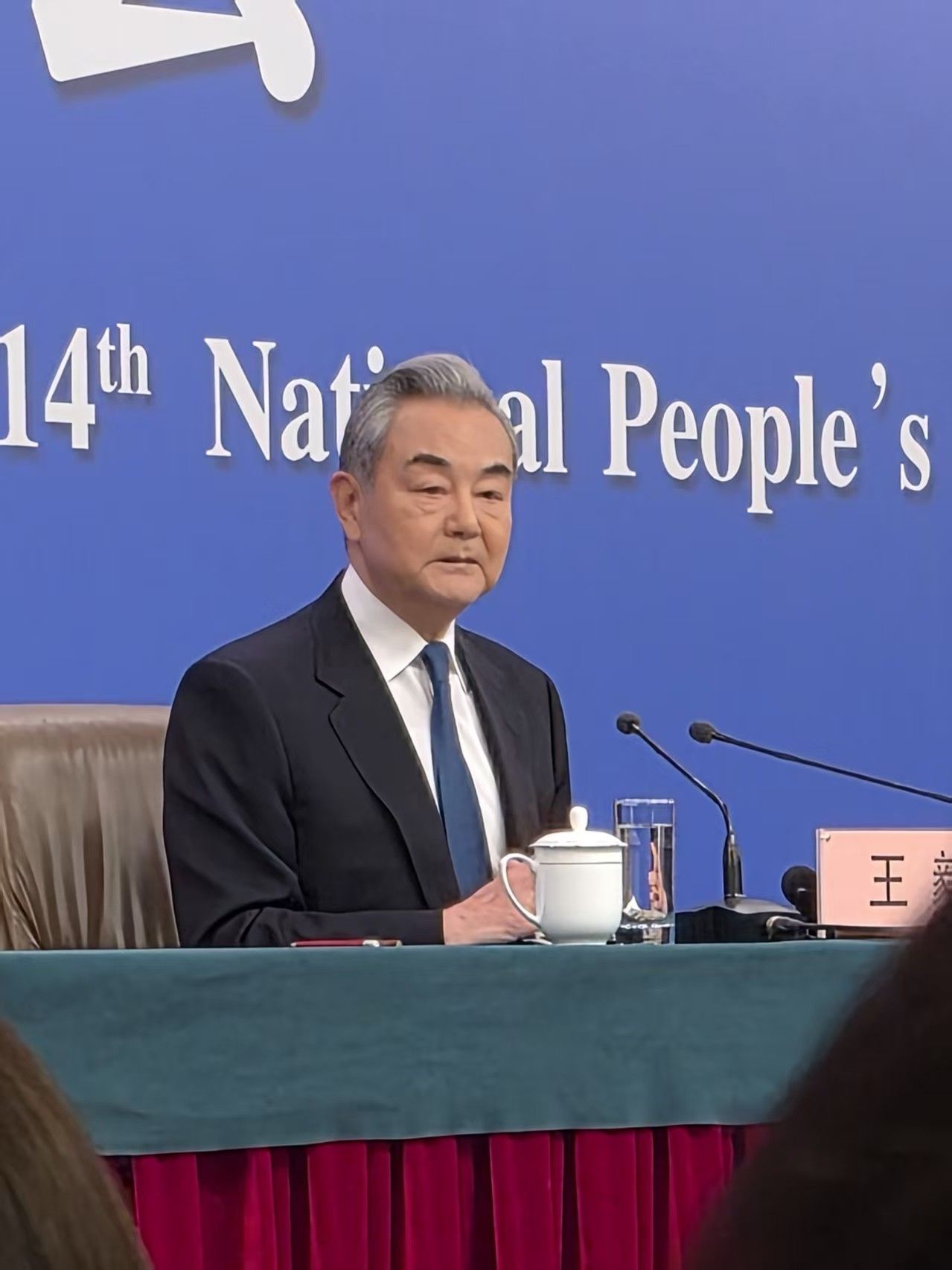
3月8日上午10时,十四届全国人大四次会议在北京梅地亚中心举行外交主题记者会。中共中央政治局委员、外交部长王毅围绕“中国外交政策和对外关系”,回答了中外记者共21个问题,内容涵盖元首外交、中美关系、中俄关系、中欧关系、中东局势、全球治理、台湾问题、周边外交、全球南方等多个焦点议题。
这场记者会释放出的第一个明确信号,是中国外交继续强调“稳定性、确定性、建设性”。王毅在开场中指出,当今世界百年变局加速演进,战争冲突此起彼伏,而中国外交将坚定维护国际法治和公平正义,反对单边行径和强权霸凌,继续作为世界上的和平力量、稳定力量、正义力量。
第二个焦点,是元首外交的战略牵引作用。王毅将元首外交概括为中国外交的“定盘星”,回顾了过去一年中国同主要国家开展战略沟通、巩固周边睦邻、推动全球南方合作以及发出维护和平正义强音等成果;同时透露,2026年中国将举办包括亚太经合组织领导人非正式会议、第二届中国—阿拉伯国家峰会等重大主场外交活动。
第三个重点,是对大国关系的清晰定位。在谈到中俄关系时,王毅强调中俄关系建立在平等、尊重、互利基础上,坚持不结盟、不对抗、不针对第三方,并表示双方将在维护二战胜利成果、反对单边霸凌、捍卫国际规则方面继续密切协作。在谈到中美关系时,他则强调中美“都改变不了彼此,但可以改变相处方式”,关键在于相互尊重、和平共处、合作共赢,并表示2026年是中美关系的“大年”,高层交往议程已经摆上桌面,期待双方相向而行。
第四个重点,是中国对地区热点问题的立场仍以停火止战、政治解决为主轴。针对伊朗及中东局势,王毅明确提出“停火止战”,强调尊重主权、不得滥用武力、不干涉内政、通过平等对话解决争端,并呼吁大国发挥建设性作用。对于巴勒斯坦问题,他重申“两国方案”是唯一普遍认同的合理方案。
第五个重点,是中国继续把全球治理、多边主义和全球南方置于重要位置。王毅表示,习近平主席提出的全球治理倡议已得到150多个国家和国际组织响应,其核心是坚持联合国主导地位、推动治理体系改革,增加全球南方国家的发言权和代表性。与此同时,他指出全球南方的群体性崛起已成为世界大变局的鲜明标志,中国将同南方国家一道维护多边主义与开放合作。
第六个重点,是中国对欧洲发出合作而非对抗的信号。王毅表示,去年以来中欧关系相继回暖,双方贸易额超过1万亿美元,人员往来更加密切;他强调中欧关系的本质是优势互补、互利共赢,开放合作不会损害经济安全,筑墙设垒反而会孤立自己。
第七个重点,是中国将继续把周边作为外交优先方向。王毅指出,中国始终坚持睦邻安邻富邻政策,倡导亲诚惠容、命运与共,认为中国是地区安全的稳定锚、发展繁荣的发动机。对于南海问题,他表示“南海行为准则”磋商已进入关键阶段,各方期待于今年内完成磋商。
第八个重点,是台湾问题和历史问题上的原则立场没有任何模糊空间。王毅重申台湾自古以来就是中国领土,国际法文件已将台湾地位锁定,反“独”促统顺应时代大势;在回应中日关系时,他则把历史反思、台湾问题与日本当前安全政策言论联系起来,明确指出中日关系走向“取决于日方的选择”。
第九个重点,是外交服务中国式现代化与高质量发展。王毅表示,外交系统将继续服务“十五五”开局,重点包括推进高水平开放、拓宽人员往来快车道、打造赋能地方发展的开放平台,以更好服务中国企业“走出去”和地方高质量发展。
北欧时报评论员文章
北欧看两会:大国外交的担当
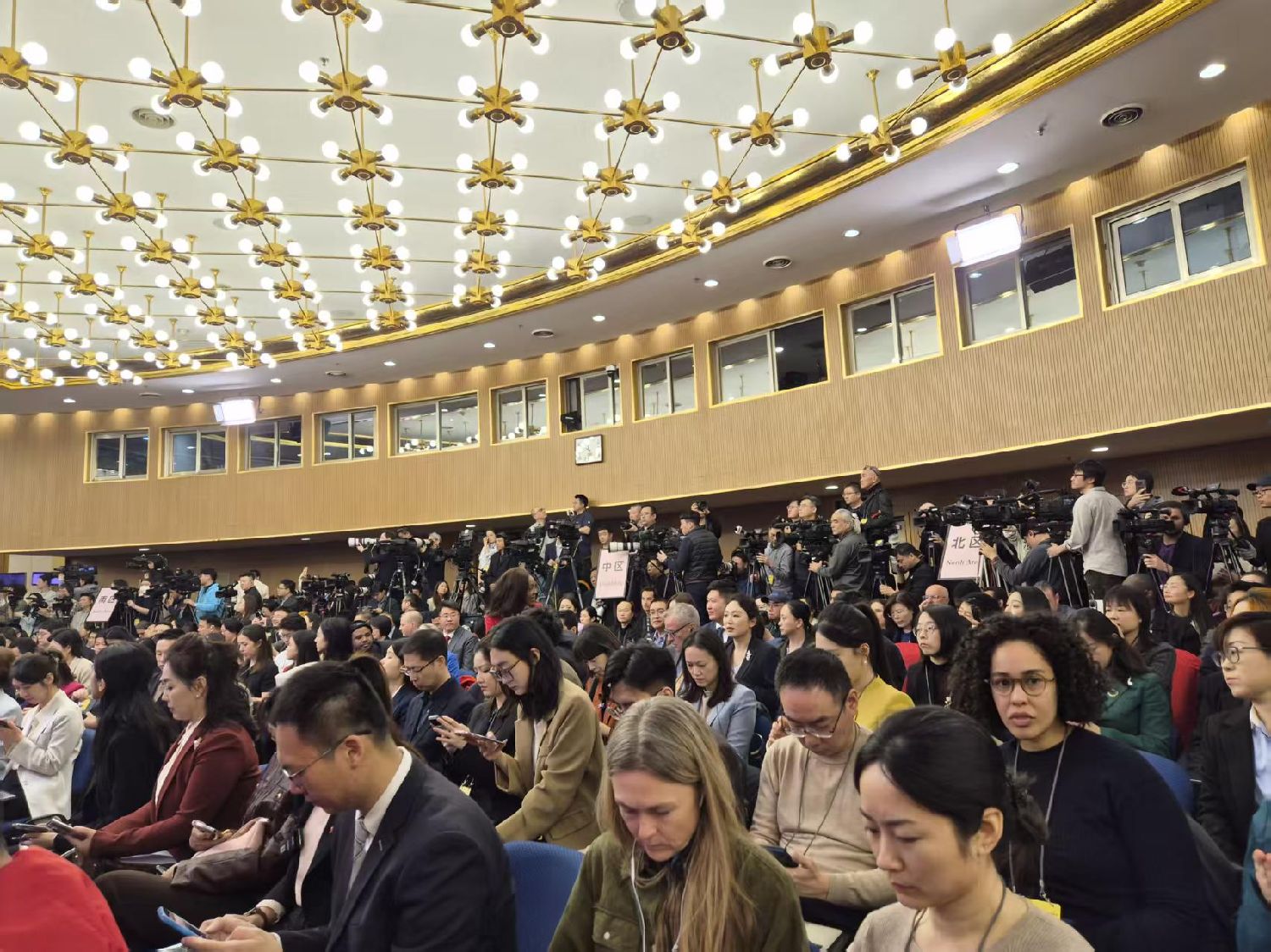
3月8日上午,北京梅地亚中心,王毅外长在十四届全国人大四次会议记者会上回答中外记者21个提问。这场记者会,不只是中国外交政策的一次集中阐释,更像是在一个动荡世界里,对“大国究竟应当怎样行事”给出的一份公开答卷。
从北欧视角看,这场答问最值得注意的,并不是辞令本身有多么强硬,而是中国试图向世界传递一种鲜明的政治逻辑:越是在国际秩序摇晃、战争阴影加深、保护主义回潮的时刻,一个大国越不能只计算一己得失,而必须回答自己究竟愿意为世界提供什么。王毅给出的答案,是稳定、规则、合作与发展。
北欧国家长期重视规则意识、国际法、多边机制与危机调停。正因为如此,人们会特别关注中国在今天的国际局势中,是选择“另起炉灶”,还是选择“修补秩序”;是推动阵营分裂,还是主张扩大合作。从记者会内容看,中国给出的姿态相当明确:坚持联合国核心地位,反对强权政治和单边霸凌,强调全球治理改革要增强全球南方代表性,主张国际事务应由各国共同商量着办。这样的表述,至少在原则层面,与北欧所熟悉的多边主义语言是有相通之处的。
尤其是在中东问题上,王毅反复强调“停火止战”、尊重主权、反对滥用武力、坚持政治解决。对于刚刚经历欧洲安全焦虑外溢、又持续关注中东冲突升级的北欧舆论而言,这样的表态具有相当现实的分量。因为北欧社会越来越能感受到,远方战火并不只意味着新闻标题,它最终会转化为能源价格、难民压力、供应链波动和安全认知的全面紧张。一个大国此时若仍只强调力量展示,而不强调止战与对话,就很难赢得真正的国际信任。
记者会中另一个值得欧洲关注的信号,是中国对中欧关系的表述。王毅没有把欧洲简单视为附属变量,而是明确将欧洲定义为多极格局中的“当然一极”,认为中欧关系稳定源于共同利益,确定性来自互利共赢,并直言“筑墙设垒只能孤立自己”。这一表述实际上是向欧洲发出邀请:在美国战略压力与地缘风险上升的背景下,欧洲究竟是继续困在“风险叙事”的小阁楼里,还是以更自主、更务实的方式重新理解中国市场、中国制造与中国合作的现实价值。
对北欧而言,这个问题尤为重要。北欧国家一方面重视安全同盟,另一方面又高度依赖开放贸易、技术合作和全球市场。如果欧洲只剩安全焦虑,而失去产业竞争力和外部合作空间,那么所谓“战略自主”就会沦为空话。中国在这场记者会上释放出的一个明确信号是:北京愿意继续把欧洲当作伙伴,而不是敌手;问题在于,欧洲能否摆脱意识形态先行的惯性,以更加冷静、现实的方式回应这种邀请。
当然,这场记者会也再次说明,中国外交的“担当”并不是西方式的自我定义,而是带有鲜明中国叙事框架的担当。比如,在台湾问题上,中国继续把主权和统一置于绝对核心位置,没有任何退让空间;在中日关系问题上,则把历史记忆、现实安全言论和地区秩序风险直接连接起来。这意味着,中国所理解的国际责任,始终以国家主权、安全底线与历史正义为边界。对此,欧洲未必完全认同,但必须承认,这正是当下中国外交最真实的逻辑起点。
从更长的历史尺度看,王毅这场记者会其实反映出中国正在塑造一种“大国形象”:它既不接受“大国共治”的旧逻辑,也不愿被纳入单一阵营对抗的剧本;它试图把自己定义为多极世界中的建设性力量,既服务自身现代化,也为全球南方、多边体系和区域合作提供更多公共产品。无论外界是否完全接受,中国显然已经不满足于仅做全球化的参与者,而是在努力成为规则讨论、议程设置和秩序重构中的重要发声者。
在北欧,人们常常会问:一个真正负责任的大国,究竟应该是什么样子?是拥有更大的军费、更硬的关税、更强的制裁能力,还是在世界进入不确定时,仍能提供某种方向感、谈判空间与合作框架?北京今天的回答,是后者。至少在两会这场外交记者会上,中国试图告诉世界:大国的重量,不只是力量的重量,也应当是克制的重量、规则的重量、和平的重量。
这正是《北欧看两会》今天可以给出的一个观察结论:在一个越来越像“风暴海域”的国际时代,各国也许未必都相信彼此,但都越来越需要那些仍愿意讲规则、讲多边、讲发展、讲和平的声音。中国能否把这种表述真正转化为持续、稳定、可验证的外交实践,世界还会继续观察;但至少在今天上午,北京释放出的,是一种希望成为“稳定锚”而非“风暴源”的大国姿态。
Nordic View of the Two Sessions:The Responsibility of Major-Country Diplomacy
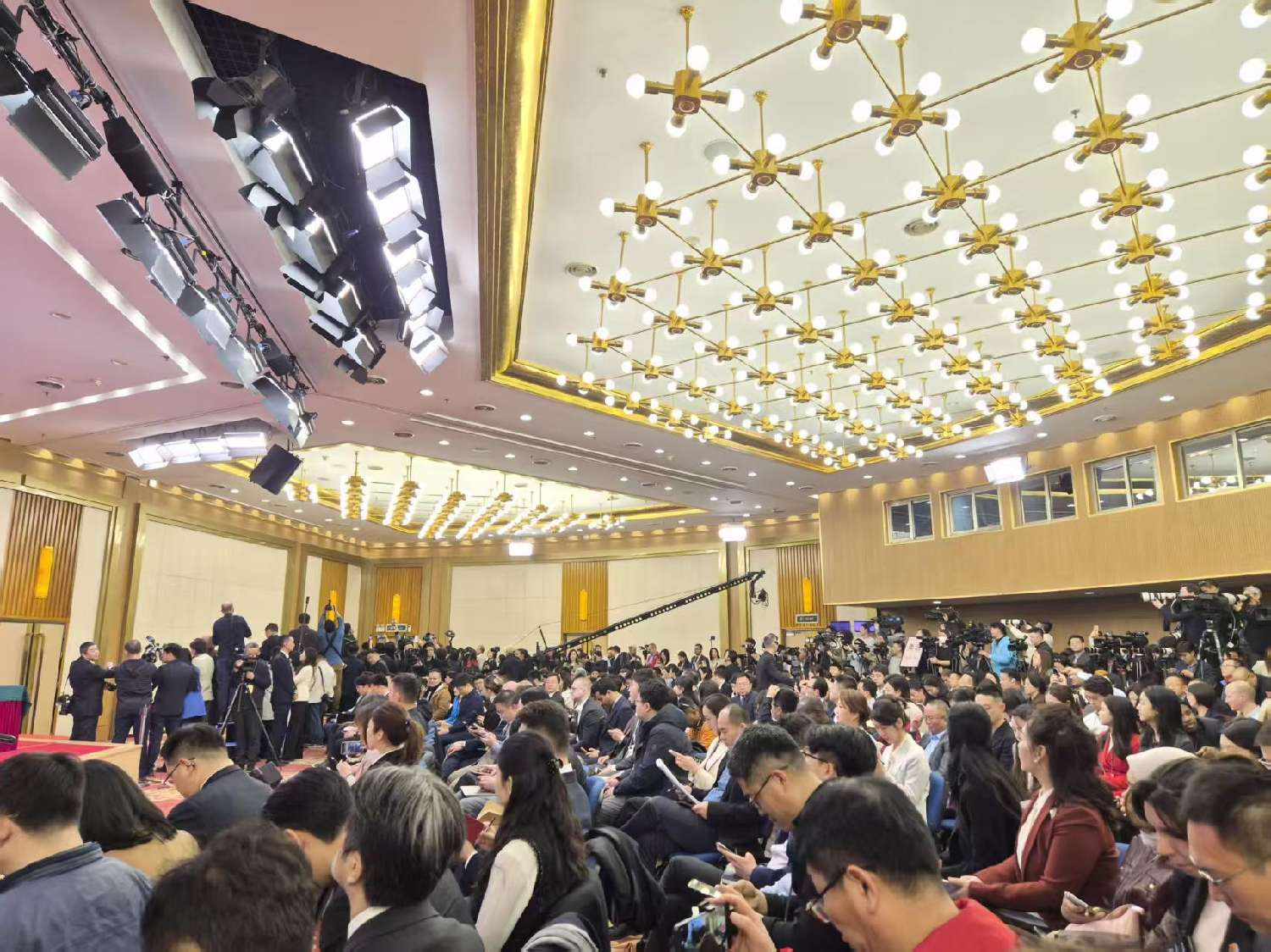
On the morning of March8,at the Media Center in Beijing,Chinese Foreign Minister Wang Yi answered21questions from Chinese and foreign journalists during the press conference of the Fourth Session of the14th National People’s Congress.More than a routine diplomatic briefing,the event served as a concentrated presentation of China’s foreign policy philosophy at a time when the international order is under visible strain.
From a Nordic perspective,what stood out was not simply the firmness of the language,but the political logic China sought to convey:the more unstable the world becomes,the more a major power must demonstrate not only strength,but responsibility.Wang Yi’s answers repeatedly returned to several core themes—stability,rules,cooperation,and development.
Nordic countries have long placed special emphasis on international law,multilateral institutions,crisis mediation,and rule-based order.For that reason,observers in Northern Europe naturally pay close attention to whether China intends to undermine the existing system,replace it with blocs and rival camps,or instead position itself as a force seeking to repair and stabilize a fragmenting world.Judging from Wang Yi’s remarks,Beijing is clearly trying to present itself as the latter:a defender of the UN-centered international system,an opponent of unilateralism and power politics,and a supporter of reform in global governance that gives greater voice to the Global South.
This language resonates,at least in part,with values familiar to Nordic political culture.In particular,Wang Yi’s repeated emphasis on multilateralism and opposition to“hegemonic bullying”will be read in Europe not merely as rhetoric,but as an attempt by China to claim the moral high ground at a time when wars,sanctions,geopolitical competition,and economic fragmentation are redefining international politics.
One of the most closely watched parts of the press conference concerned the Middle East.On the worsening Iran-related crisis and the broader regional conflict,Wang Yi’s central message was clear:ceasefire and de-escalation.He stressed respect for sovereignty,rejection of the abuse of force,non-interference in internal affairs,and the need for political dialogue rather than military escalation.
For Nordic audiences,this matters.Northern Europe may be geographically distant from the Middle East,but it is no longer insulated from its consequences.War in one region quickly translates into refugee pressures,energy insecurity,shipping disruptions,inflation,and heightened strategic anxiety elsewhere.In that sense,any major power that still speaks in favor of restraint,diplomacy,and negotiated solutions will be heard carefully—especially when so many others are speaking the language of deterrence and coercion.
Another noteworthy signal for Europe lay in Wang Yi’s framing of China-Europe relations.He did not reduce Europe to a secondary actor or simply an extension of another power’s strategic calculations.Instead,he described Europe as a“natural pole”in a multipolar world and emphasized that the stability of China-Europe relations rests on common interests,while their certainty comes from mutual benefit.
His metaphor was telling:Europe,he suggested,should step out of the“attic”of protectionism and enter the“gym”of the Chinese market.Behind the phrase lies a larger diplomatic invitation.At a moment when Europe is rethinking its economic security,industrial competitiveness,and strategic autonomy,Beijing is urging it not to define China solely through the lens of risk,but also through the lens of opportunity.
This point is particularly significant for the Nordic region.Nordic states are highly dependent on open trade,technological exchange,global markets,and stable supply chains.They are also deeply conscious of security concerns.The challenge for Europe,and especially for smaller advanced economies in the North,is how to balance values,security,and economic pragmatism without allowing one dimension to erase the others.China’s message at this press conference was straightforward:Beijing still wants Europe as a partner,not an adversary.Whether Europe is willing to respond with the same level of strategic realism remains an open question.
At the same time,the press conference also underscored that China’s understanding of“responsibility”differs from Western definitions.On Taiwan,Wang Yi left no room for ambiguity.Sovereignty and reunification remain absolute red lines.On Japan,he linked present-day security rhetoric to unresolved historical memory,making clear that issues of war,colonialism,and national dignity remain deeply embedded in China’s diplomatic worldview.
This is important for European readers to understand.China’s conception of international responsibility does not begin with liberal interventionism or alliance obligations.It begins with sovereignty,territorial integrity,historical justice,and political order.Europeans may not always share this perspective in full,but serious analysis requires acknowledging that this is the real foundation of Beijing’s diplomatic logic.
Seen in a broader historical context,Wang Yi’s appearance reflected China’s effort to shape a particular image of itself:not as a revisionist destroyer of order,but as an architect of a more multipolar,less Western-dominated,and supposedly more equitable international system.China is signaling that it no longer wants merely to participate in globalization;it wants to influence the rules,the agenda,and the language through which global governance is discussed.
Whether the world fully accepts this claim is another matter.But what is already clear is that China seeks to present itself as more than a rising power.It wants to be seen as a stabilizing one.
In the Nordic world,people often ask what a truly responsible major power should look like.Is it defined by a larger defense budget,higher tariffs,broader sanctions,and harder military posture?Or is it defined by the ability to provide a sense of direction when the world drifts into uncertainty—to preserve room for negotiation,uphold rules,and keep cooperation alive even amid rivalry?
Beijing’s answer on March8leaned strongly toward the latter.Through Wang Yi’s remarks,China attempted to project the message that the weight of a major power should not be measured only by the force it can wield,but also by the restraint it can exercise,the stability it can provide,and the peace it is willing to defend.
That may well be the most meaningful takeaway from this year’s diplomatic press conference at the Two Sessions:in an era that increasingly resembles stormy waters,the world still needs states that speak the language of rules,multilateralism,development,and peace.Whether China can consistently transform that language into credible and verifiable diplomatic practice will continue to be tested by events.But at the very least,what Beijing projected this morning was the posture of a country seeking to be an anchor of stability rather than a source of turbulence.
