北欧时评|普京一夜离京,特朗普家族登上长城:中国真正震撼世界的,究竟是什么?
Nordic Commentary|Putin Leaves Beijing After One Night While Trump’s Family Climbs the Great Wall:What Is It About China That Truly Astonishes the World?
普京离开北京了。这一次,俄罗斯总统Vladimir Putin在中国只停留了一天一夜,没有登长城,也没有像特朗普那样安排具有强烈文明象征意味的公开文化路线。整个访问节奏极其紧凑:高规格接待、正式会谈、签署文件、战略沟通,然后迅速离京。很多人原本期待,会不会出现“习普长城会晤”的历史画面,最终却并没有发生。但仔细回头看,却会发现,这次访问反而更像俄罗斯式的现实主义外交。没有太多铺陈,没有太多仪式叙事,谈完核心问题,立刻离开。某种程度上,这恰恰符合俄罗斯这个民族长期形成的国家气质。
中国古人有一句诗:“潮平两岸阔,风正一帆悬。”今天的中俄关系,其实很像这样的状态。世界局势越复杂,大国之间越需要战略稳定。尤其在俄乌冲突长期化、欧洲重新军事化、中东持续震荡以及全球能源体系重组的大背景下,北京与莫斯科之间最重要的,其实已经不是高调表演,而是一个“稳”字。因此,普京此次访华,虽然没有长城、故宫、天坛这样的文明场景加持,却反而显得更加务实。因为真正的战略合作,很多时候并不在镜头前,而在会议室里。
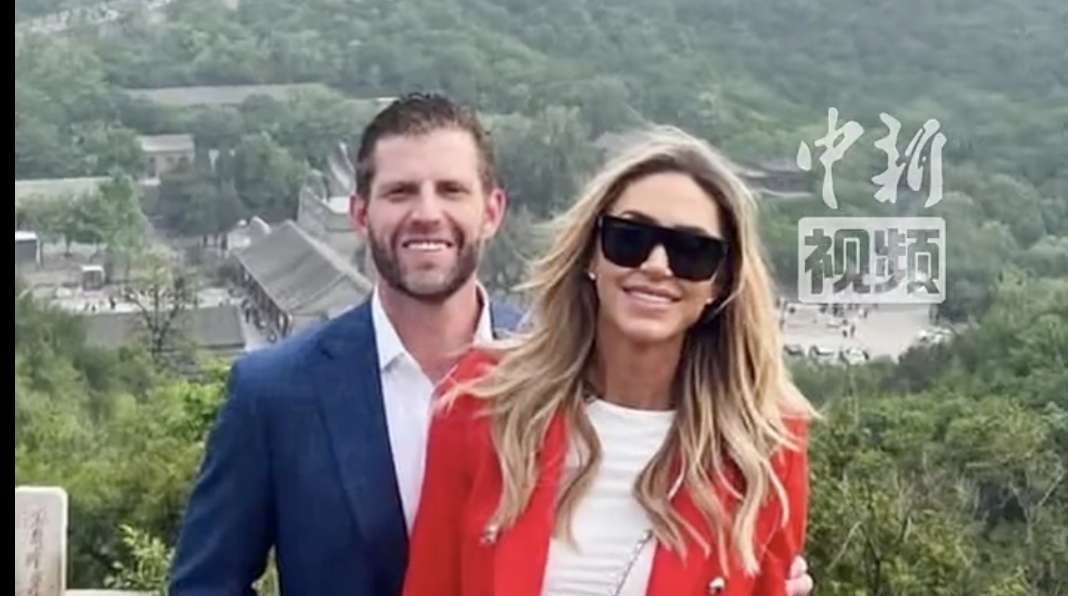
但有意思的是,就在普京短暂访华之际,另一条新闻却在西方社交媒体迅速传播。特朗普家族成员登上了长城。尤其特朗普儿媳在返回美国后公开感叹:中国的历史文明与现代发展变化之巨大,远远超出美国媒体长期描述的印象。她甚至直言,中国根本不像许多美国媒体说的那样“落后”。
这句话,其实意味深长。因为过去几十年,西方很多人对中国的认知,长期停留在工厂、廉价制造以及模糊的冷战印象之中。但今天,当越来越多西方政商界人物真正走进中国之后,他们开始发现,真正震撼人的,往往不是高楼,而是中国文明的连续性。
站在长城之上,人会突然理解,为什么这个国家能够延续几千年。长城真正震撼世界的,从来不仅仅是“宏伟”,而是时间。两千多年风雨之后,它依然横贯山河。很多现代国家的历史,甚至还没有长城上一块砖久远。中国古诗云:“秦时明月汉时关,万里长征人未还。”而今天的长城,早已不只是古代边关,它更像一种文明记忆,一种关于边界、安全、时间与国家意志的巨大象征。
也正因此,特朗普家族成员站在长城之上时,会产生一种与西方媒体叙事完全不同的感受。因为很多事情,只有亲眼看到,才会真正理解。
相比之下,普京这次没有登长城,其实也并不奇怪。因为俄罗斯与中国之间,如今更多已经进入“实务战略阶段”,不再需要太多象征性表达。而美国则不同。中美之间,今天依然存在巨大竞争、巨大误解与巨大认知差。因此,北京这次对特朗普访华安排的故宫、天坛与中轴线,实际上是一种非常高层的“文明外交”。它不仅是在安排参观,更是在试图让美国重新理解:中国到底是什么。
中国还有一句古诗:“不识庐山真面目,只缘身在此山中。”过去很多西方媒体,其实长期隔着意识形态看中国。而现在,越来越多真正来过中国的人,却开始产生完全不同的感受。因为中国最难被外界复制的,从来不是高铁、电商或摩天楼,而是一种跨越数千年的文明秩序感。这种感觉,在故宫里有,在天坛里有,在长城之上则更加强烈。
普京一夜离京,特朗普家族却在长城感叹中国文明。这两件事放在一起,其实非常有时代意味。一个代表地缘政治现实,一个代表文明认知重构。而今天的世界,恰恰正在这两者之间重新寻找平衡。也许未来很多年后,人们再回头看这一轮大国互动时,会忽然发现:真正改变世界认知的,未必只是会议桌上的协议,而是越来越多西方人第一次真正走进中国之后,内心产生的那种震撼。

Nordic Commentary|Putin Leaves Beijing After One Night While Trump’s Family Climbs the Great Wall:What Is It About China That Truly Astonishes the World?
Russian President Vladimir Putin has now left Beijing.This time,his visit to China lasted only one day and one night.There was no visit to the Great Wall,nor any highly symbolic cultural itinerary like the one arranged for Donald Trump.The schedule was remarkably compact:high-level reception,formal talks,document signings,strategic discussions,and then a swift departure.Many had expected a historic“Xi-Putin meeting at the Great Wall,”but it never materialized.Looking back,however,the visit seemed to reflect a distinctly Russian style of pragmatic diplomacy—minimal ceremony,minimal symbolism,and immediate focus on core strategic matters.In many ways,it matched the long-established political temperament of the Russian state itself.
An old Chinese poem reads:“With calm tides,the banks stretch wide;with favorable winds,a single sail hangs straight.”In many ways,this captures the current state of China-Russia relations.The more unstable the world becomes,the more major powers seek strategic stability.Against the backdrop of the prolonged Russia-Ukraine conflict,Europe’s renewed militarization,instability in the Middle East,and the restructuring of global energy systems,the most important thing between Beijing and Moscow is no longer symbolic spectacle,but stability itself.In this sense,Putin’s visit—despite lacking the dramatic cultural symbolism of the Great Wall,the Forbidden City,or the Temple of Heaven—appeared all the more pragmatic.Because genuine strategic cooperation often takes place not before cameras,but behind closed doors.
Yet while Putin’s brief visit was unfolding,another story spread rapidly across Western social media:members of the Trump family had climbed the Great Wall.Trump’s daughter-in-law reportedly expressed amazement after returning to the United States,openly stating that China’s historical civilization and level of modern development far exceeded the image often portrayed by American media.She even remarked that China was“nothing like the backward country many American media outlets describe.”
That statement carries considerable significance.For decades,many in the West viewed China largely through the lens of factories,cheap manufacturing,and vague Cold War stereotypes.But as increasing numbers of Western political and business figures actually travel through China,many are discovering that what truly astonishes visitors is not skyscrapers,but the continuity of Chinese civilization itself.
Standing atop the Great Wall,one suddenly understands how this civilization has endured for thousands of years.What truly amazes the world about the Great Wall is not merely its scale,but time itself.After more than two thousand years of wind and rain,it still stretches across mountains and valleys.Many modern nations do not possess histories as old as a single brick on the Wall.An ancient Chinese poem once wrote:“The moon of Qin and the passes of Han still remain,while countless travelers never returned.”Today,the Great Wall is no longer simply a frontier fortification.It has become a civilizational memory—a symbol of borders,security,endurance,and national will.
That is precisely why members of the Trump family experienced something fundamentally different from the narratives often presented by Western media.Some things can only be understood after seeing them firsthand.
By contrast,Putin’s decision not to visit the Great Wall is not particularly surprising.China and Russia have increasingly entered what might be called a phase of practical strategic coordination,one that no longer requires extensive symbolic gestures.The United States,however,remains different.Between China and America there still exist profound competition,misunderstanding,and cognitive distance.This is why Beijing’s arrangements for Trump’s visit—the Forbidden City,the Temple of Heaven,and Beijing’s central axis—amounted to a form of high-level“civilizational diplomacy.”These were not simply sightseeing activities;they were carefully designed attempts to encourage America to reconsider what China truly represents.
Another famous Chinese verse says:“One cannot see the true face of Mount Lu because one is already inside the mountain.”For decades,many Western observers viewed China largely through ideological filters.Yet today,more people who have genuinely visited China are arriving at entirely different conclusions.Because what is hardest to replicate about China is not its high-speed railways,e-commerce platforms,or skyscrapers,but rather its sense of civilizational continuity across thousands of years.That feeling exists in the Forbidden City,in the Temple of Heaven,and perhaps most powerfully atop the Great Wall itself.
Putin leaves Beijing after one night,while members of the Trump family stand atop the Great Wall marveling at Chinese civilization.Placed side by side,these two events carry remarkable symbolism.One represents geopolitical realism;the other represents a broader rethinking of civilization itself.And today’s world is increasingly trying to find balance between these two forces.Perhaps years from now,when people look back on this period of major-power interaction,they may realize that what truly changed global perceptions was not only what was agreed upon at conference tables,but the sense of astonishment experienced by growing numbers of Western visitors the moment they truly encountered China for themselves.
